12 powerful lessons every woman can learn from moms raising children with special needs
Every morning, millions of mothers across the globe wake up to a reality that most people only see in headlines or charity ads. These women navigate a world that often forgets their children even exist.
Data from a Theirworld report titled “Left Behind from the Start” reveal a staggering truth about systemic neglect. Over 80 percent of children with disabilities in developing countries miss out on essential care during the first five years of life.
This is the exact window when 90 percent of a child’s brain develops. While governments fail to fund early learning, these mothers become the unsung experts on resilience and human potential.
Their lives offer a blueprint for any woman who feels overwhelmed by the pressures of modern life. These lessons are not just about parenting. They are about surviving and thriving when the world stops making sense.
You Are Your Own Best Advocate
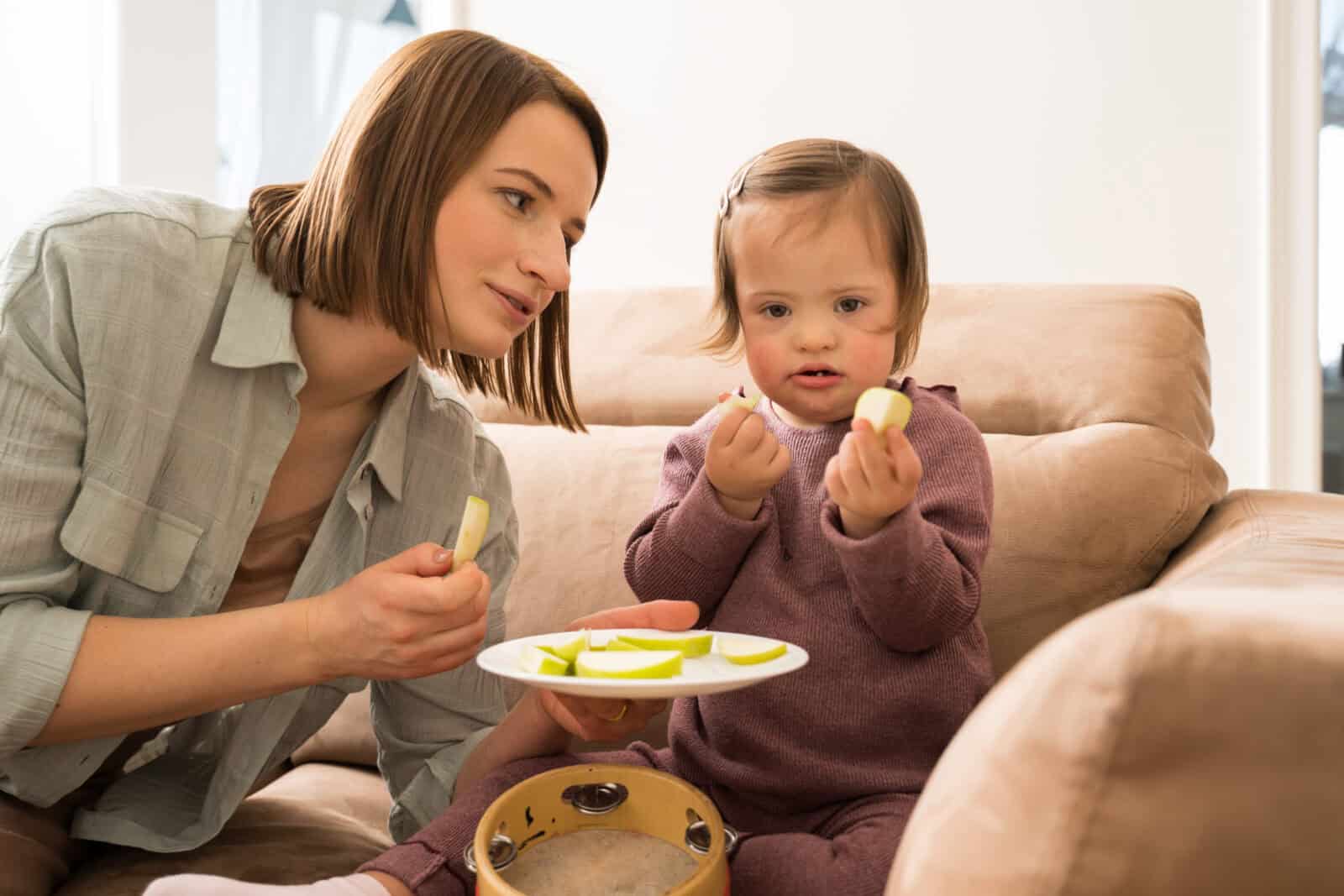
Systems are rarely built to help you by default. Governments often fail to deliver basic healthcare or nutrition to those who need it most.
Data from Rose and Zubairi in 2018 shows that while donor aid for early childhood development rose to over 6 billion dollars, early learning received only 1 percent of that funding. This massive gap leaves millions of children invisible in global surveys.
Special needs moms learn fast that if they do not speak up, their child remains excluded. You have to be the loudest person in the room to get the resources you deserve. This applies to your career, your health, and your personal boundaries.
Do not wait for a seat at the table to be offered to you. You must pull up a chair and start the conversation yourself.
Comparison is the Thief of Joy

Social media creates a highlight reel that feels like torture for families living a different reality. You see photos of beach trips, quiet dinners, or children hitting standard milestones on time. Experts like Joanna Griffin, author of Day by Day, note that social comparison often leaves people feeling fragile and broken. Shakespeare once called comparisons odorous because they truly do stink.
Every minute you spend wishing for the life of someone else is a minute you waste in your own. Upward comparison to people who seem to have it all only breeds resentment. Downward comparison to those who have it worse does not actually make you feel better. The only measurement that matters is how far you have come since yesterday.
Celebrate the Inch-stones

Progress does not always look like a giant leap. For a child with developmental differences, a win might be as simple as looking at a parent when called. Dr. Shoshana Gordon, a pediatrician, explains that these tiny achievements are called inch-stones. They are personalized goals, like a child grasping food or putting away a toy without being asked.
Waiting for a massive victory to be happy is a recipe for burnout. When you learn to spot the small wins in your own life, you build a foundation of gratitude. Did you finally finish that one task you stayed away from for weeks? That is an inch-stone. Celebrate it with a smile or a simple moment of rest. These small steps are exactly how big goals eventually get reached.
Strength is Not the Absence of Fear

Courage is a word people toss around lightly, but special needs moms live it. They face medical emergencies and uncertain futures every single day. Nelson Mandela famously said that courage is not the absence of fear but the triumph over it. A brave person is not someone who feels no terror. It is the person who feels the fear and moves forward anyway.
You do not need to feel confident to be strong. Strength is the choice to show up when your hands are shaking and your heart is racing. Many women feel like they are failing because they feel anxious. In reality, the fact that you are still standing despite that anxiety is the ultimate proof of your power.
Community is a Lifeline

Isolation is a silent killer for caregivers and busy women alike. Research shows that women who engage in deep, meaningful conversations report much higher life satisfaction. Mothers of children with additional needs often seek listeners who offer empathy rather than judgment. They need people who will listen without trying to minimize the heavy stress they face.
Vulnerability acts as a bridge to connection. When you admit you are struggling, you give others permission to do the same. This creates a circle of emotional safety that helps you process stress. You were never meant to carry the weight of the world on your own shoulders. Reach out to your tribe and let them hold some of the load for you.
The Power of No

Boundaries are the only way to protect your energy from total depletion. Special needs parents face a level of exhaustion that comes from constant research, advocacy, and daily care. To survive, they must say no to social obligations that do not serve their family. Dr. Kristin Neff, an expert on self-compassion, emphasizes that you must extend the same grace to yourself as you do to others.
Your energy is a finite resource. If you give it all away to things that do not matter, you will have nothing left for the things that do. Saying no to a draining event is a high level of self-respect. It is not selfish to protect your peace. It is a vital part of staying functional for the people who actually need you.
See the Person, Not the Diagnosis
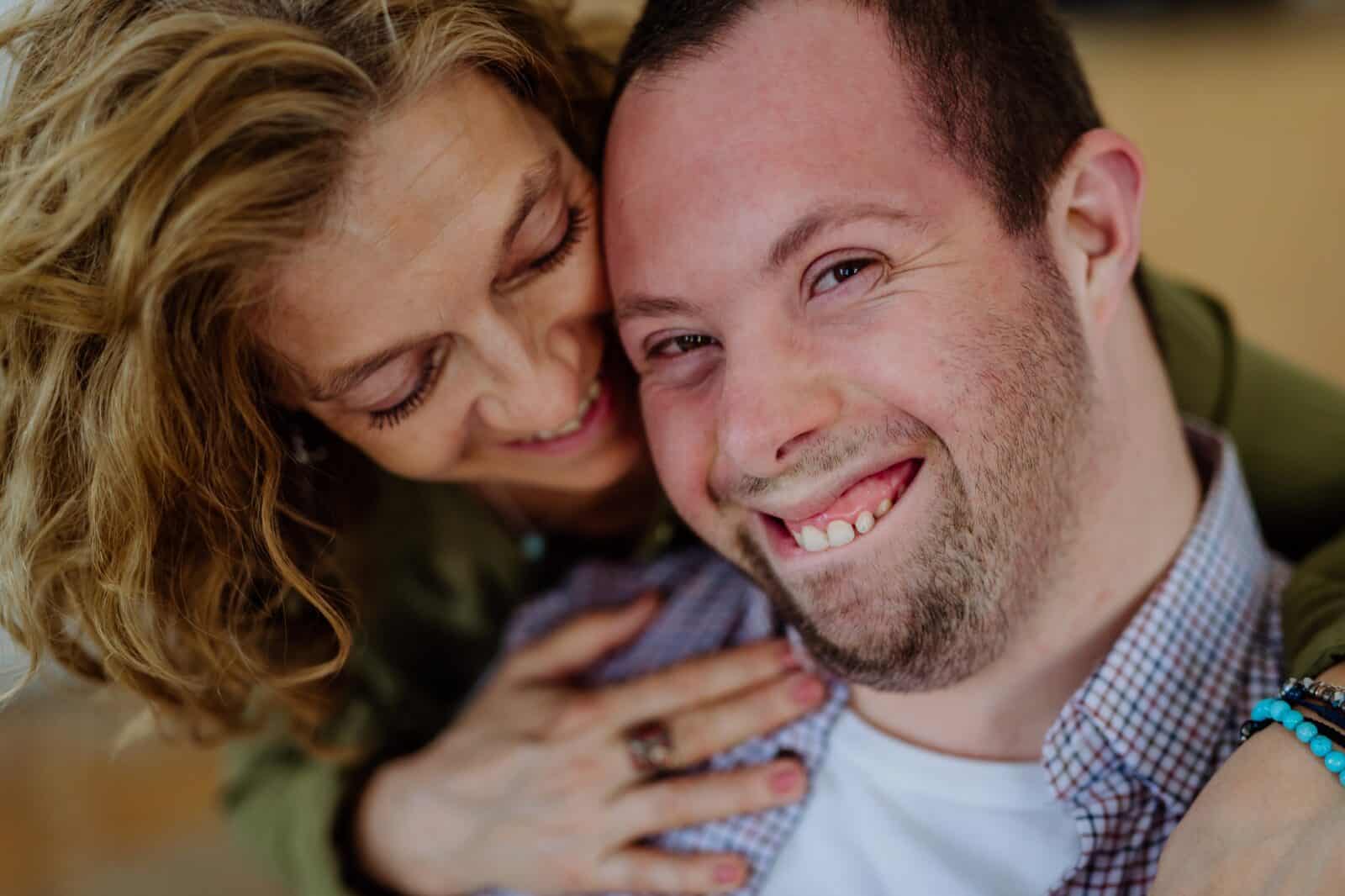
The world often fixates on visible disabilities like wheelchairs or walkers. People might stare at a child using a mobility aid instead of seeing their personality. Parents see the humor, the soul, and the individuality of their child. They see a kid who loves to laugh or make jokes. They look past the labels that the medical world places on them.
We all carry labels that limit us. Maybe you think of yourself as the anxious one or the one who is bad with money. These are just diagnoses of a moment in time. They are not your whole identity. When you start looking past the labels of others, you learn to look past your own. Everyone has a depth that a simple label can never capture.
Flexibility is Required for Survival
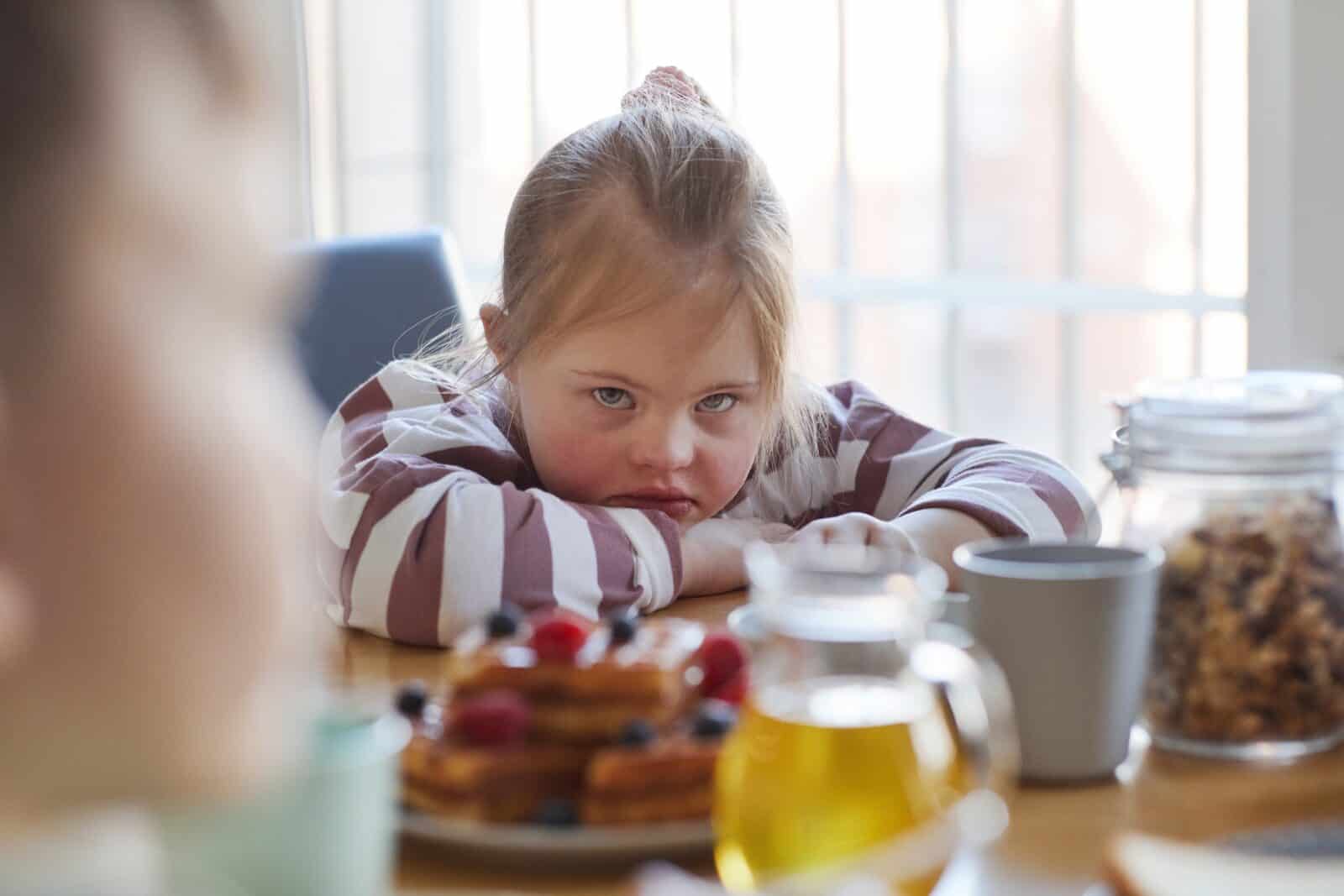
Rigid plans are the first thing to break in a crisis. A sensory meltdown or a medical appointment can ruin a perfectly scheduled day. Research involving parents of children with autism shows that public unpredictability is one of their greatest challenges. These women become masters of the pivot, adapting to chaos with a quiet kind of grace.
If you are too rigid, life will eventually snap you. Learning to flow with unexpected turns is the only way to avoid constant disappointment. When things go wrong, do not fight the change. Adjust your sails and find a new way to reach your destination. Flexibility is not a sign of weakness; it is a tool for long-term survival.
Self-Care is a Necessity, Not a Luxury

You cannot pour from an empty cup. This is a cliché for a reason. When you are a primary caregiver, you realize that if you crash, the whole ship sinks with you. Many moms eventually learn that taking five minutes to breathe or walk in nature is maintenance, not an indulgence. It is the same as putting oil in a car so the engine does not seize up.
Self-care must be purposeful and personalized. It might mean disconnecting from your to-do list for ten minutes or sharing a laugh with a friend. These small acts of restoration prevent the kind of burnout that takes months to recover from. Treat your well-being like a non-negotiable part of your schedule. Your health is the foundation for everything else you do.
Love is an Action, Not Just a Feeling

One mother shared a story about her son Isaac, who was born with Down syndrome. Early on, Isaac did not return smiles or eye contact, which left his mother feeling invisible. Instead of waiting for a feeling of connection, she took action. She rocked him, sang to him, and even invented weighted exercise bands to help his muscle tone.
Her actions eventually led to a breakthrough where Isaac finally locked eyes with her. This proves that love is a series of deliberate choices. It is what you do when the emotional rewards are nowhere to be found. True love shows up in the mundane and difficult moments. It is the faithful presence you provide even when you are tired or uncertain.
Perspective Shifts Everything
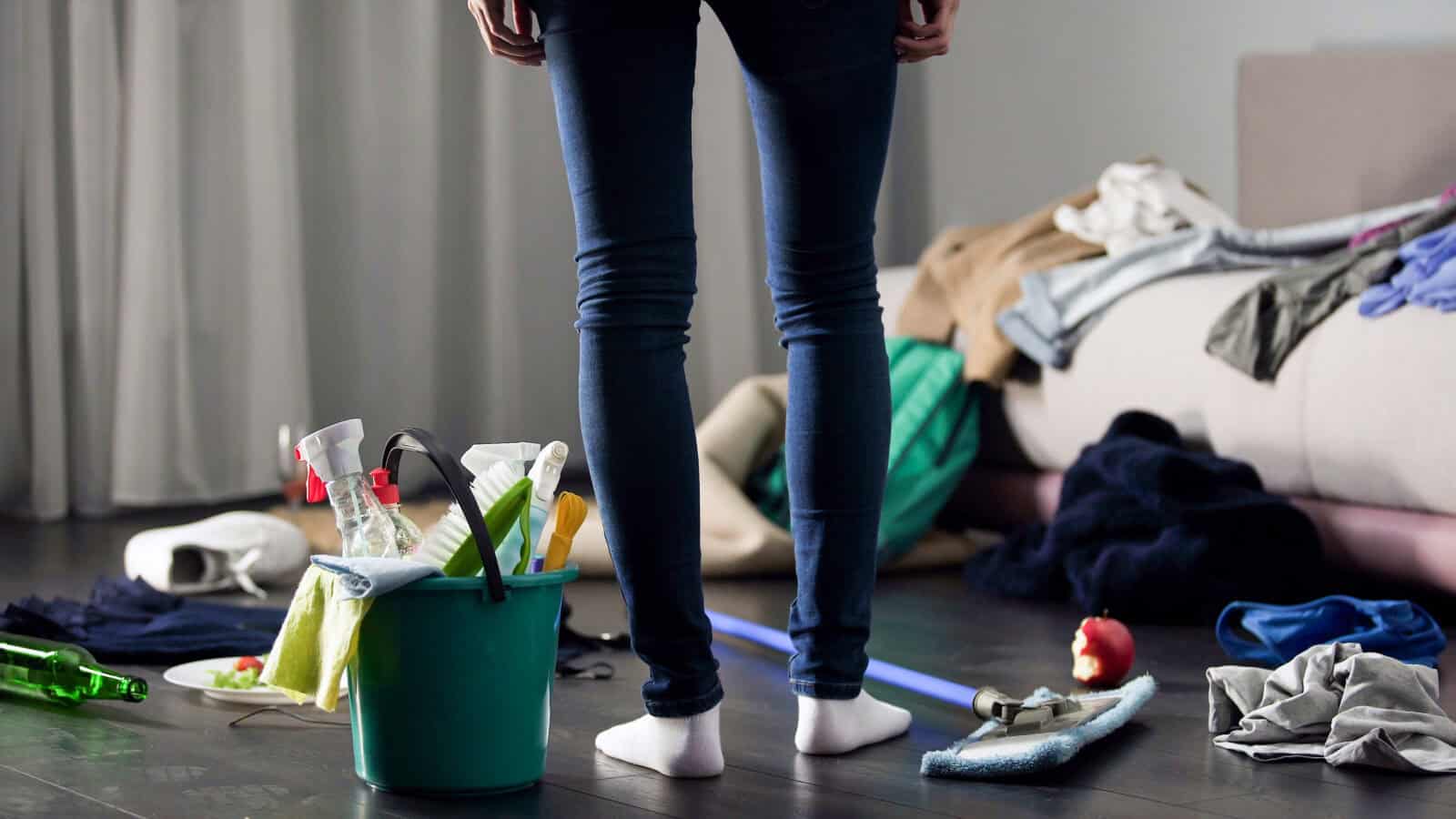
Priorities change when you deal with significant challenges. A messy house or a ruined outfit starts to feel trivial when compared to health and happiness. One mom noted that her home is often a wreck with toys and dust. She chose to embrace the mess as evidence of living and making memories rather than a source of stress.
Most things we worry about are not actually emergencies. We spend so much energy on tiny details that will not matter in a year. When you shift your perspective to focus on what truly lasts, the daily chaos becomes easier to handle. A house full of grass stains and laundry is often a house full of life. Choose memories over perfection every single time.
Everyone Has a Different Normal

Normal is a social construct that does not actually exist. James Guttman, a father of a non-verbal child with autism, points out that his family life feels completely unremarkable to him. What outsiders might pity is simply his everyday reality. He notes that behaviors like stimming are just human traits like clicking a pen or tapping a foot.
You do not have to fit into a specific box to have a good life. Your version of happy might look chaotic or strange to someone else, and that is perfectly fine. Define your own standards for success and joy. When you stop trying to live by the rules of society, you finally find the freedom to be yourself.
Key Takeaways
- Advocate for Yourself: Do not wait for permission to ask for what you need in life or work.
- Release Comparison: Your path is unique; looking at the highlight reels of others only causes pain.
- Value Small Wins: Inch-stones are the building blocks of massive long-term success.
- Set Firm Boundaries: Protecting your energy is a requirement for being a healthy human being.
- Redefine Normal: Create a life that feels good to you on the inside, regardless of how it looks on the outside.
Disclaimer – This list is solely the author’s opinion based on research and publicly available information. It is not intended to be professional advice.
Like our content? Be sure to follow us