12 insights on how society is redefining femininity
Forget everything you think you know about “sugar, spice, and everything nice.” In 2026, the recipe for femininity has been trashed, burned, and replaced with something far more intoxicating.
While the world was busy arguing over hemlines and lipstick shades, femininity pulled a total power move: it grew teeth. We’ve traded the silent pedestal for the roar of self-reliance, proving that you can be soft enough to feel everything and tough enough to run it all. According to Psychology Today, the understanding of femininity is evolving, with many perspectives suggesting a shift toward incorporating traits like confidence, self-reliance, and resilience, rather than relying solely on traditional nurturing or passive roles.
Welcome to the new era of womanhood, where being “ladylike” is less about how you sit and more about how you stand your ground. Ready to see how the rules were rewritten?
Generational differences shape feminine identity

Redefining femininity is no longer a quiet conversation; it is a loud, cultural overhaul driven by diverse age groups. Gen Z strips away the apologies, viewing womanhood as a fluid canvas of self-expression. Millennials pivot toward emotional intelligence, framing strength through vulnerability and professional confidence.
Meanwhile, Gen X grounds its identity in hard-won maturity and the authority of lived experience. These shifting perspectives prove that the singular, traditional mold of womanhood has finally shattered beyond repair. As society sheds outdated expectations, every generation adds a unique layer to this evolving masterpiece, sparking a global debate on what comes next.
Femininity now centers on authenticity over appearance

Modern culture is dismantling the rigid pedestals of the past, transforming femininity from a strict aesthetic into a vast spectrum of lived experiences. This evolution moves beyond performative beauty, prioritizing raw internal character over polished surface standards.
ResearchGate indicates a complex and evolving shift in what women value, with a growing emphasis on authenticity, self-acceptance, and personality over traditional, idealized physical appearance. True femininity now functions as a tool for personal liberation rather than a set of rules for external compliance. As these boundaries dissolve, new definitions of leadership, strength, and grace emerge.
Women lead in emotional intelligence
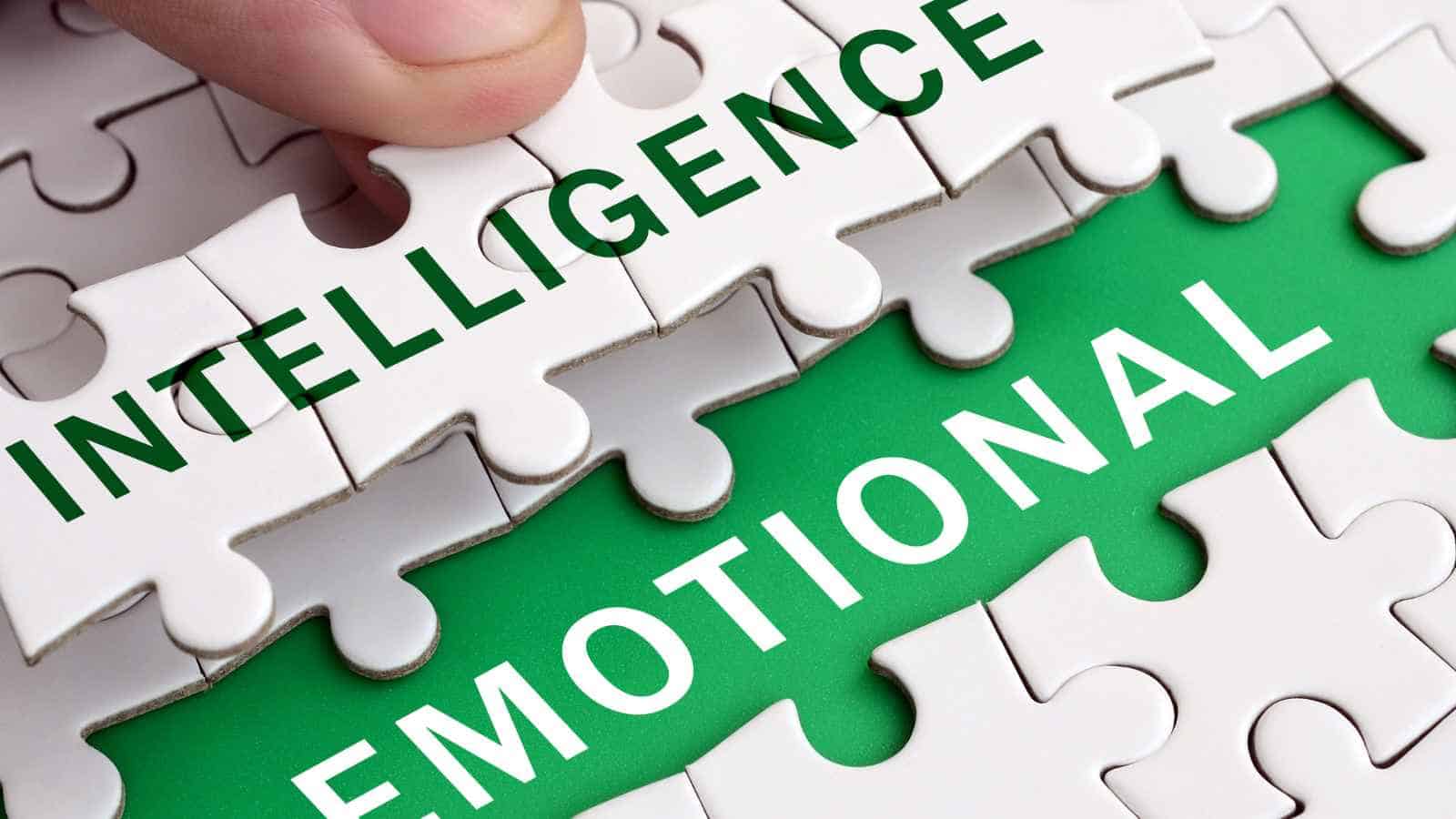
Modern femininity no longer follows a rigid script; it is a powerful evolution of strength and empathy. Today, society views traditional “soft skills” as the primary engine for effective leadership. While old paradigms favored stoicism, the new era celebrates the tactical advantage of social awareness and self-regulation. Women possess a distinct edge in emotional intelligence, transforming complex interpersonal dynamics into high-performance environments.
This shift proves that the ability to perceive and manage emotions isn’t just a personal trait; it is a professional superpower. As these boundaries continue to expand, the very definition of influence is changing.
Gender-neutral fashion reflects changing norms
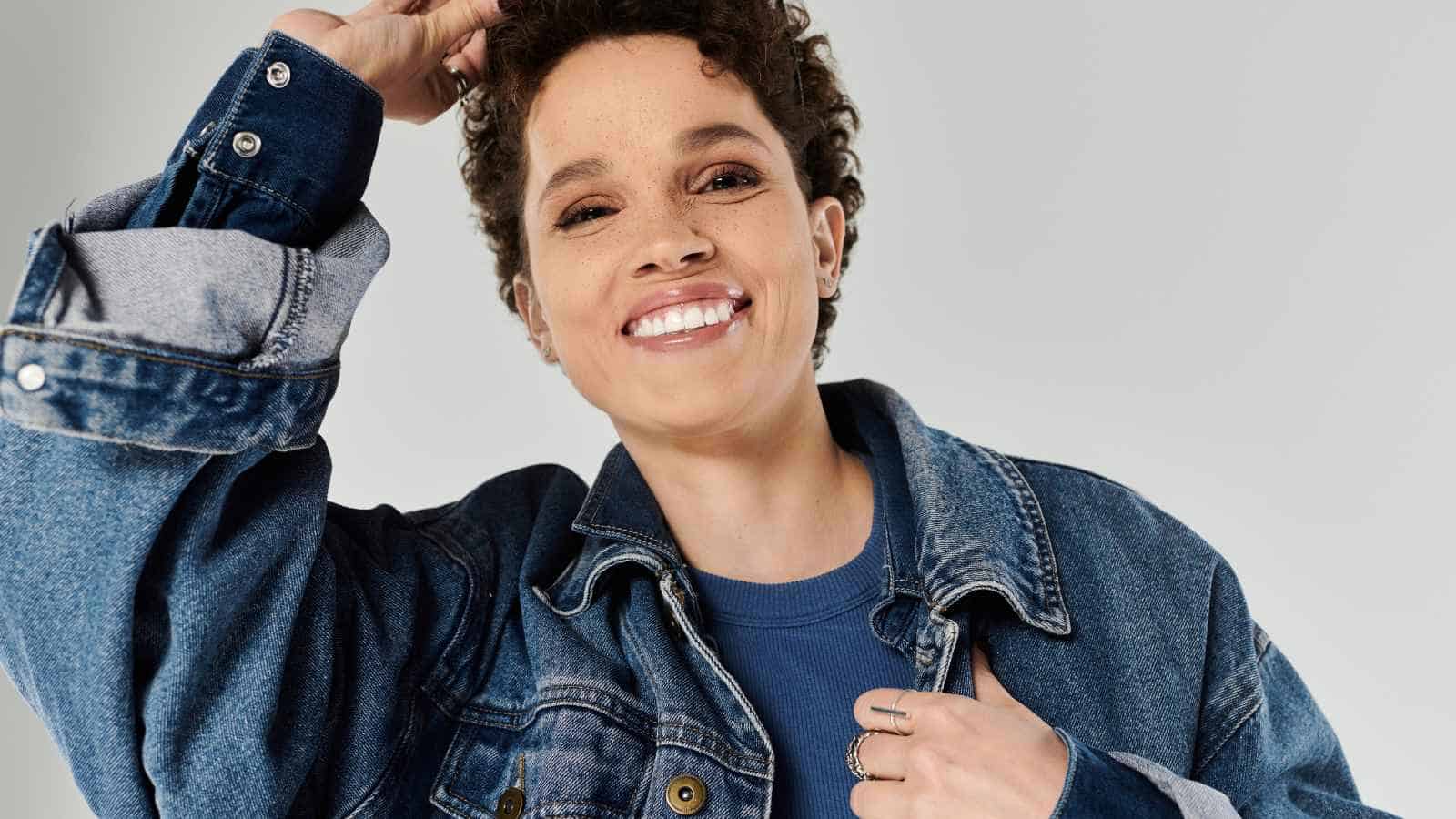
The rigid boundaries of traditional style are dissolving as self-expression takes center stage. Data from WiseGuy Reports shows that the gender-neutral clothing market, valued at USD 3,410 million in 2024, is projected to grow from USD 3,760 million in 2025 to USD 10 billion by 2035. This isn’t just a trend; it is a cultural overhaul.
H&M’s “Neutral Code” collection recently vanished from shelves within weeks, proving that shoppers crave more than binary choices. Modern femininity now embraces fluidity, prioritizing comfort and individuality over restrictive stereotypes. As younger generations reject old labels, fashion becomes a tool for liberation. The question remains: how far will this shift go?
Political representation shows modest gains
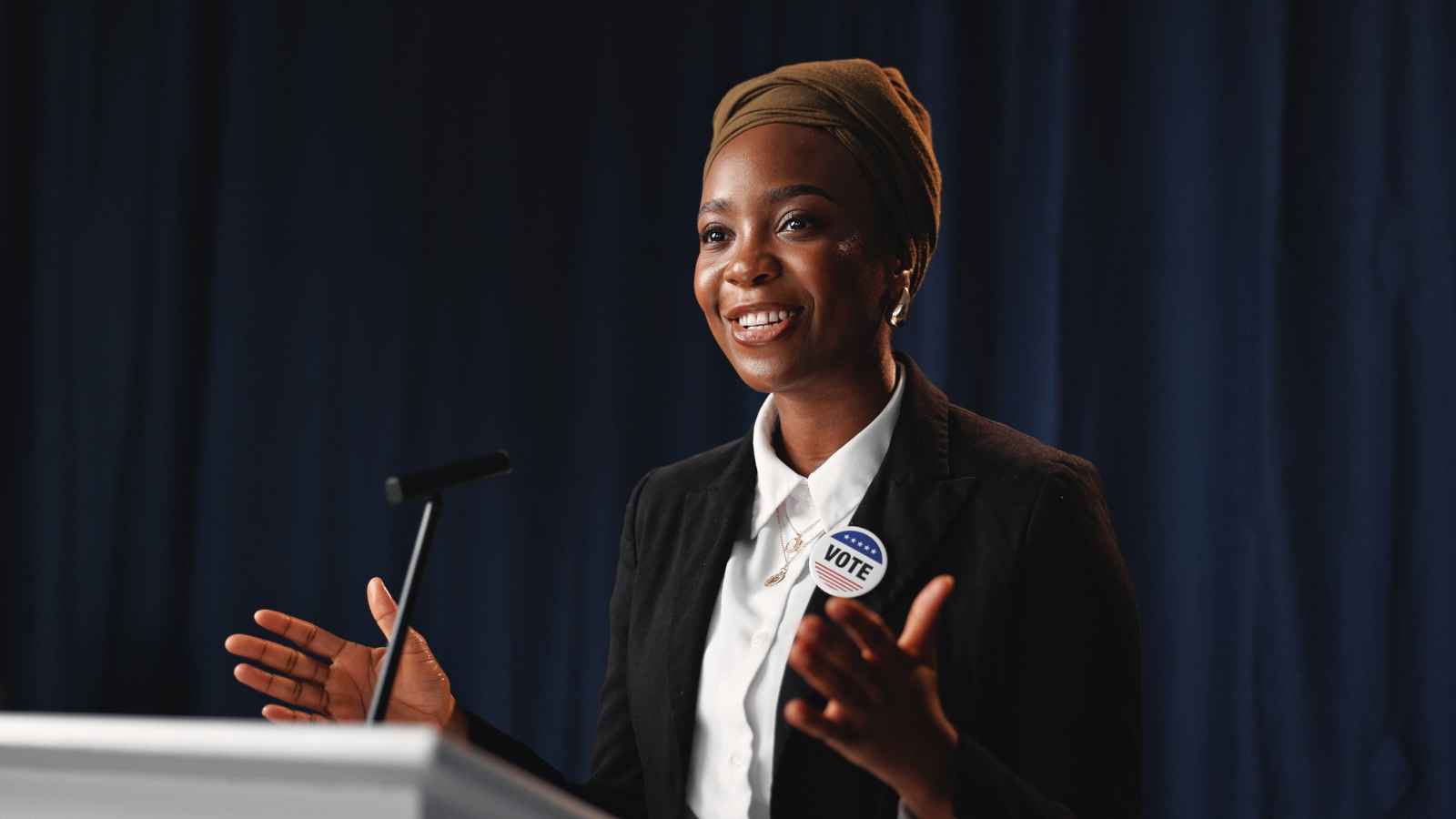
Modern femininity is shedding its rigid skin, evolving into a multifaceted force that refuses to be sidelined. We see this shift in the boardroom and the home, but nowhere is the struggle for presence more visible than in the halls of power. While national parliaments report modest gains, the path to true parity remains steep.
The Americas currently lead the charge, yet global progress frequently stalls due to old-world bias. Societal norms now celebrate the strength found in vulnerability and the leadership inherent in empathy. This transformation signals a move toward a world where “feminine” no longer means “passive,” but instead defines a bold, authentic autonomy that reshapes every institution it touches.
Women’s workforce representation advances slowly

The modern era witnesses a profound shift as society actively redefines femininity, moving beyond outdated stereotypes toward a landscape of raw influence and systemic change. While women constitute nearly half of the global workforce, the ascent to leadership remains steep.
According to the World Economic Forum’s 2025 data, women hold just 28.8% of senior management roles, exposing a rigid ceiling that persists despite women earning more advanced degrees than ever before. True progress requires dismantling the structural barriers that stall career equity and pay parity. This gap reveals a quiet revolution where ambition meets resistance.
The gender pay gap widened

Femininity no longer sits quietly in the shadows of tradition; it actively rewrites the rules of power and autonomy. While women now secure over half of the world’s advanced degrees, a sharp paradox emerged as the global gender pay gap unexpectedly widened. This shift signals a society in tension, where academic mastery meets systemic friction.
Beyond the balance sheet, modern femininity embraces a multidimensional identity that prioritizes self-defined worth over inherited social roles. This evolution demands a complete reassessment of how we value women’s contributions in both the boardroom and the home.
Women remain underrepresented in STEM fields

Society now views femininity through a lens of raw impact and intellectual agency rather than outdated stereotypes. While traditional narratives once sidelined women in technical spaces, modern femininity thrives on breaking those barriers.
Despite this shift, a stark reality persists: data compiled by AIPRM shows women hold only 28% of the global STEM workforce. This gap does not reflect a lack of talent, but a systemic hurdle that limits access to the world’s most innovative, high-paying careers. Redefining what it means to be a woman involves reclaiming these digital and scientific frontiers.
Feminine leadership traits gain recognition

Modern society is aggressively dismantling the narrow confines of traditional womanhood, replacing rigid archetypes with a fluid, self-defined power. This shift moves beyond mere aesthetics, rooting itself in a reclaimed autonomy over ambition and identity. From the corporate boardroom to digital spaces, femininity now serves as a versatile tool for authentic self-expression rather than a performance for the male gaze.
Women are no longer asking for permission to occupy space; they are redesigning the architecture of influence itself. This cultural overhaul transforms perceived vulnerabilities into strategic assets, proving that softness and strength are not opposites but allies.
Gender is viewed increasingly as a spectrum
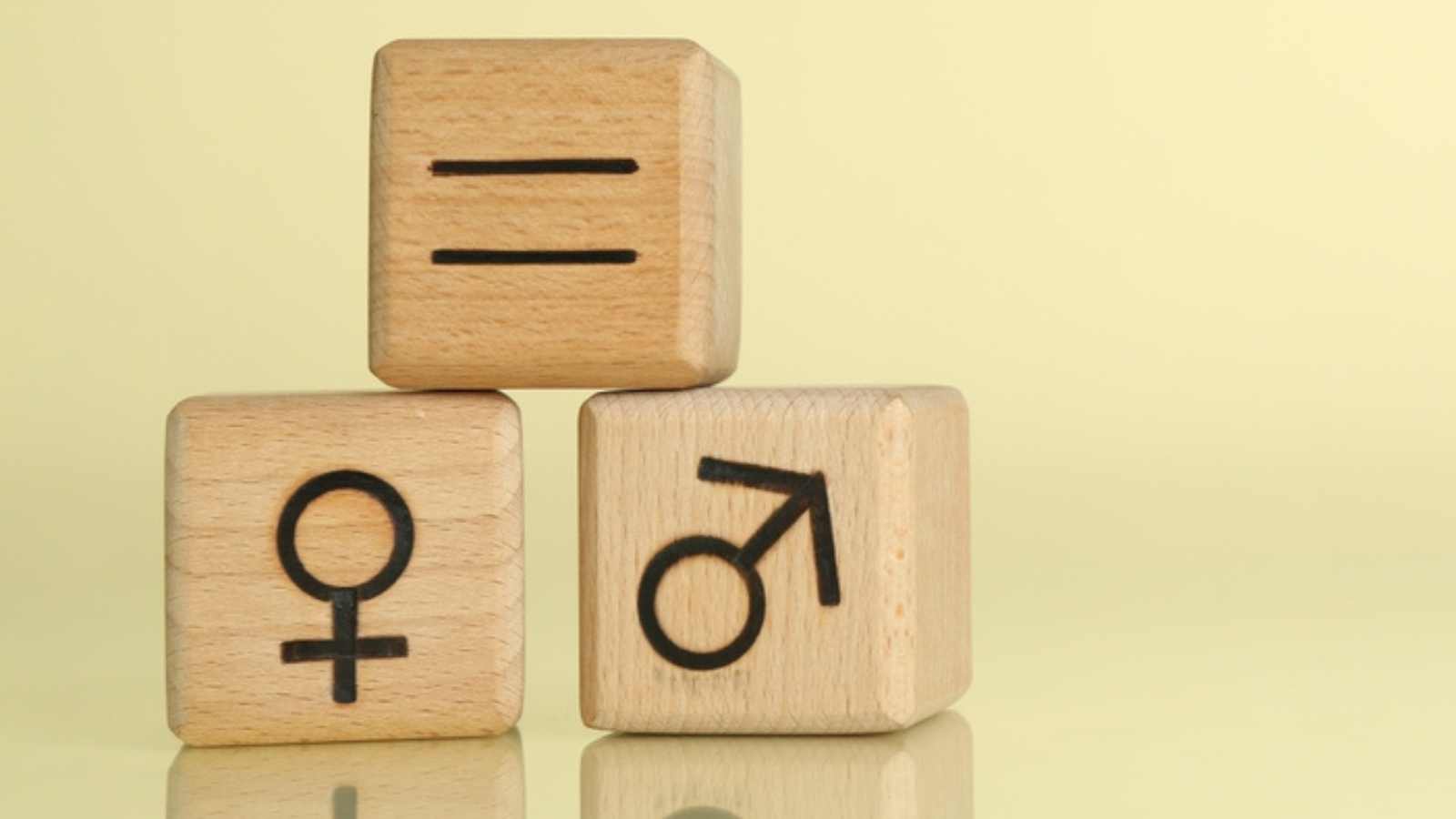
Society is dismantling the rigid structures of the past, transforming femininity from a restrictive mold into an expansive spectrum of self-expression. Mintel’s press release shows 46% of Americans view gender as a spectrum rather than a strict binary.
This cultural evolution treats the female experience as primary data rather than a historical outlier. By reclaiming the narrative, women are decoupling their identity from domestic stereotypes and aesthetic performance. From the boardroom to the creative arts, the new femininity emphasizes agency, intellectual rigor, and the freedom to define one’s own boundaries. The revolution is just beginning.
Corporate commitment to gender diversity declines

Modern femininity increasingly intersects with a corporate landscape in flux. While cultural shifts champion equality, institutional momentum is stalling as many firms pull back on diversity initiatives. This retreat creates visible friction: fewer women pursue leadership roles than their male peers, not because of a lack of ambition, but because the structural ladder remains brittle.
When organizations provide identical mentorship and resources, the gender gap in promotions evaporates instantly. This reality signals that redefining the feminine experience requires a total overhaul of workplace culture rather than just a seat at a broken table. The future of equity rests on moving beyond optics to fix the underlying mechanics of career support.
Economic empowerment remains critical

The rigid boundaries of traditional femininity are dissolving, giving way to a dynamic era of self-definition. Modern society now views womanhood through a lens of agency and diverse identity rather than narrow stereotypes.
At the heart of this shift lies a massive structural transformation: World Bank analysis shows that closing gender gaps in the workforce, particularly in labor force participation and employment, could boost global GDP by up to 20%. As women dismantle systemic barriers, they move beyond mere participation into positions of true influence. This evolution isn’t just about individual success; it’s a global reimagining of power.
Key takeaway

Modern femininity has shattered the narrow confines of traditional aesthetics and outdated social scripts. In 2026, women are reclaiming their narratives by prioritizing raw authenticity over curated perfection. This shift replaces performative grace with a gritty, self-assured strength that thrives in corporate boardrooms and grassroots movements alike.
True empowerment now stems from the courage to define one’s own identity independent of the historical male gaze. As inclusive values take root, the definition of being feminine expands to include diverse voices and bold leadership. This evolution demands more than just personal growth; it requires systemic change to ensure total equality.
Disclaimer – This list is solely the author’s opinion based on research and publicly available information. It is not intended to be professional advice.
Like our content? Be sure to follow us.