11 things frugal women notice in your home
If you have a frugal mindset, you cannot help it. You see a home as more than just a place to sleep; you see it as a map of someone’s financial habits. We are not talking about being “cheap” or judging income. It is about spotting the “leaks” where money pours out for no reason.
This matters because household spending averages over 70% of total industrial production in Europe (ERM based on UN, 1992, and Euromonitor, 1992). Every unnecessary expense you spot represents money that could instead be used to build stability.
Frugal women have a secret radar for these things. We notice when a home looks like it is working against its owner’s wallet. Here are the things that make us tilt our heads and wonder why you are paying a “waste tax” every single day.
Endless unused gadgets
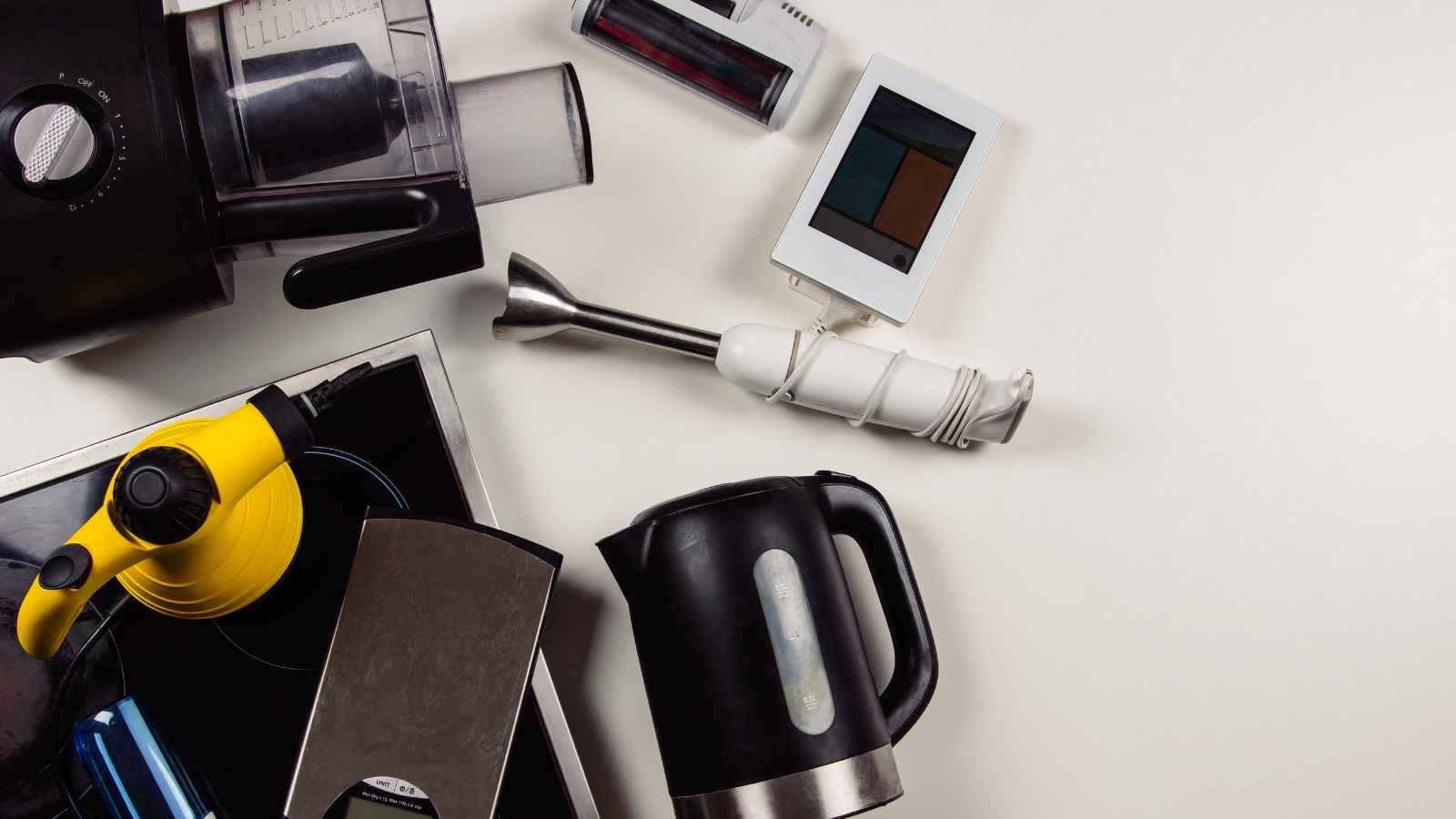
We have all been there. You are scrolling late at night or walking through a store during a holiday sale, and suddenly, a pasta maker seems like a life necessity. But for a frugal woman, seeing a kitchen counter covered in niche appliances is a major red flag.
It usually starts with seasonal impulses. During Christmas, people panic-buy things like wine kits or facial saunas for relatives who will never use them. By summer, the stores are stacked with pop-up gazebos and balcony barbecues. We see these items and immediately think of the “Generation Game” follies, where people end up with a toasted sandwich maker they do not even want.
One extreme example involves an accountant who bought an industrial ice cream machine on eBay for a garden party. It was a total disaster. It required constant power to stay chilled and actually caused E. coli in 60% of the barbecue guests. Now? It sits in the garage as a very expensive workbench.
When we see your hands-free soap dispenser, your egg separator, or that bread maker taking up prime real estate, we see wasted money and wasted space. These items promise to simplify your life, but they usually just end up as “dust gatherers” that break your shelves.
Over‑stocked or expired groceries

Walking into a pantry that looks like a mini grocery store might feel like being prepared, but a frugal eye sees a ticking clock. Did you know that peanut butter actually turns rancid in about six months? Or that canned foods start to lose their texture and flavor after just a year or two?
Overstocking is a massive financial leak. When shelves are too packed, items get lost in the back. You end up buying a third bottle of food coloring or another bag of pancake mix because you could not find the first two. This leads to tossing out stale flour or rancid nuts that have been sitting there for years.
There is also a safety issue. Overloaded shelves can sag or even collapse under the weight of ten extra jars of pasta sauce. Frugal women prefer efficient stocking. We keep maybe one or two extras of the things we use every week, but we do not turn our homes into warehouses for multi-year supplies. If it takes you fifteen minutes to find the oregano, you have too much stuff.
Obvious status “decor”

There is a big difference between a home that looks nice and a home that is trying too hard to look expensive. Interior designers often point out that “status” decor is one of the biggest ways people waste money.
Take rugs, for example. You could spend $8,000 on a hand-knotted antique rug. But savvy decorators like Kate Dawson suggest that a $500 rug from a place like Wayfair looks just as good. Plus, you can swap it out every few years without feeling like you lost a fortune.
We also notice when people spend thousands on custom curtains when they could buy great panels from Etsy and just have a local tailor hem them for a tiny fee. The same goes for $250 designer throw pillows. You can find the same luxury look at HomeGoods for a fraction of the cost.
When a frugal woman sees a $2,000 life-size Santa or a $1,000 wall sconce, she does not think “wow, they are rich.” She thinks about how that money could have been a down payment or a solid investment. Flashy buys often lack the versatility and longevity that true value requires.
Clothes desperately needing repair
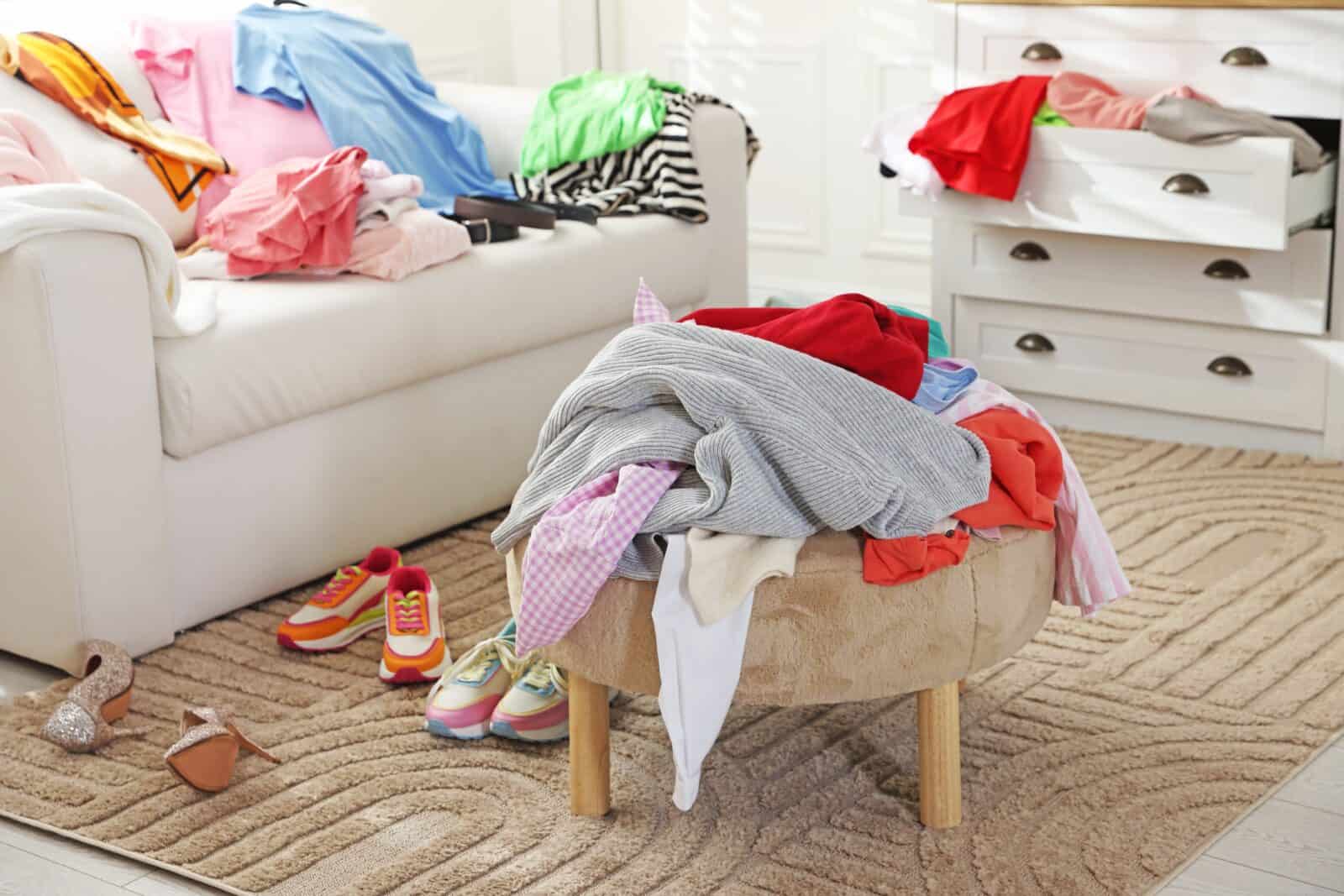
The way we treat our clothes says a lot about our relationship with money. In the UK alone, people throw away about one million tonnes of textiles every year. About 300,000 tonnes of that end up right in the trash.
Frugal women see a pile of clothes with missing buttons or fallen hems as a sign of “disposable” thinking. We know that extending the life of a garment by just nine months can cut its carbon and water footprint by nearly thirty percent.
Instead of buying something new the second a seam rips, we fix it. When we see a closet full of items that just need a simple stitch to be wearable again, we see a missed opportunity to save. Maintenance is almost always cheaper than replacement.
Energy‑wasting habits on display

This is perhaps the most “invisible” way to lose money, but frugal women see it clearly. The average American household spends over $1,600 a year on electricity. However, simple efficiency moves can cut that bill by twenty-five percent.
When we walk through a house and see lights left on in empty rooms or electronics plugged in that nobody is using, we see “vampire power” at work. Those devices left on standby can account for ten percent of your total bill.
We also notice the small stuff. Are you running a dishwasher that is only half full? Is your water heater set to 140 degrees when the Department of Energy says 120 is plenty? Even a clogged HVAC filter can force your system to work harder, hiking your bill by fifteen percent. These are not just small quirks; they are signs that you are okay with paying inflated, avoidable bills.
Luxury “extra” items in the bathroom
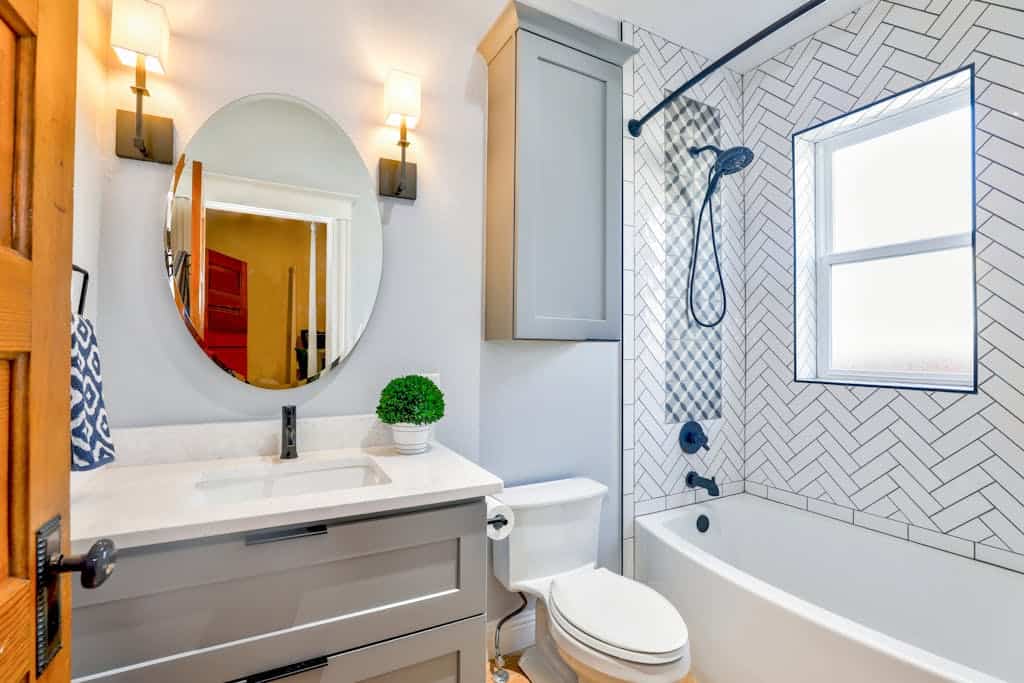
The “spathroom” trend has convinced many people that they need five-star hotel luxury in their own homes. We are talking about £340 robes and £475 Egyptian cotton bath mats.
Frugal women spot these high-end towels and mats as flashy rather than functional. Does a £ 699 crystal soap dish actually make your hands cleaner? Probably not. We see items like gold-plated trays and £1,950 crystal bins as scented excess that drains a budget without adding any real value.
We prioritize function. A towel that dries you off costs under £50 and works just as well as the one that costs as much as a car payment. When we see a bathroom filled with decorative towels that nobody is allowed to touch, we see money that is literally hanging out to dry.
Unused subscriptions or memberships

This is a modern financial plague. Americans waste roughly $200 a year on subscriptions they do not even use. Usually, it is a forgotten streaming trial or a gym membership from three New Years ago.
Frugal women clock these as a careless “cash bleed.” It is especially frustrating when companies make it impossible to cancel. We have heard the horror stories of people having to change their entire credit card just to stop a charge from an app they haven’t opened in months.
We tend to be the ones who set a calendar alert to cancel a “free trial” the day before it ends. Seeing a pile of unread magazines or hearing about a “pro” account someone forgot they had makes us want to reach for your phone and find the “unsubscribe” button for you.
Clutter masquerading as “cute” decor
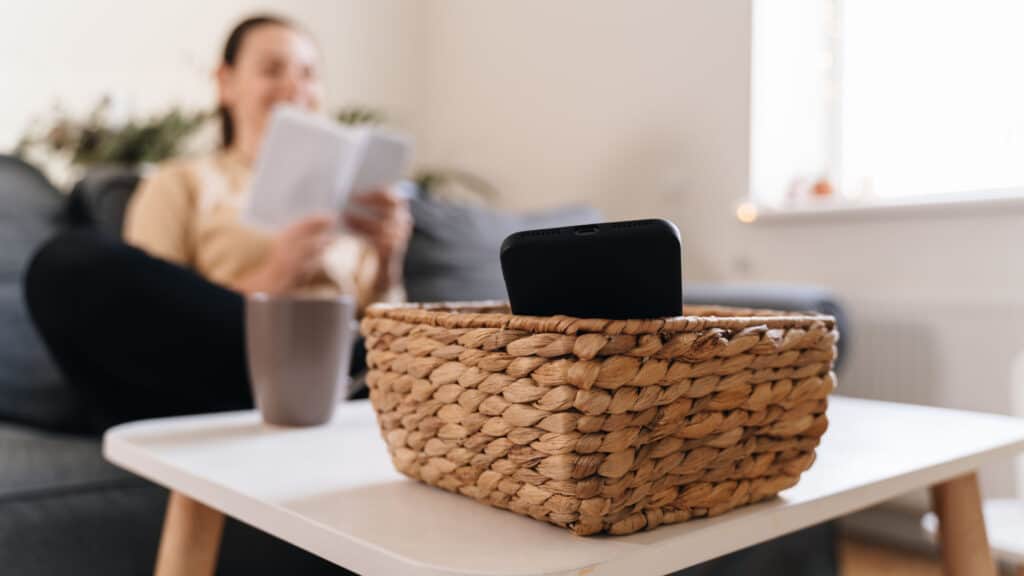
Sometimes people try to hide their clutter by putting it in “aesthetic” containers. Professional organizers call this out all the time. Those round, woven baskets might look great on Instagram, but they are actually very inefficient for storage.
Because they are round, they only touch at one point, leaving a lot of wasted “dead space” around them. Frugal women prefer straight-edged, clear bins that actually maximize the room you have.
Clutter also has a mental cost. It drains your energy and makes it harder to focus. When we see a home filled with “cute” bins that are just hiding more stuff you don’t need, we see a lack of intention. As the experts say, you don’t need more bins; you need less stuff.
Frequent “cheap” replacements

There is a massive difference between “cheap” and “frugal.” A frugal woman knows that buying the cheapest option often ends up costing twice as much in the long run.
If you buy low-grade laminate flooring, it might look okay for a year, but it will wear out and need a full replacement, while real hardwood would have lasted decades. The same goes for cheap paint that chips in months or budget countertops that stain the first time you spill coffee.
When we see mismatched tiles or leaky, thin plumbing fixtures, we see a pattern of recurring costs. We would rather pay a higher price once for quality that lasts than pay a “small” price every single year for something that breaks. Quality materials pay for themselves by avoiding the labor costs of constant repairs.
Hidden maintenance issues

Frugal women are always scanning for the small signs that a big bill is coming. We notice the tiny cracks in a driveway or a foundation. We know that winter freeze-and-thaw cycles can turn those small cracks into major structural damage if they are ignored.
We also look at the indoor wood floors. Are they shifting or forming gaps? That might start as a cosmetic issue, but it can become a safety hazard. What about that outdoor faucet that was not drained before the first frost? That leads to burst pipes and massive water waste.
Proactive maintenance is the ultimate frugal hack. By fixing a small leak or a foundation crack today, you prevent a five-figure emergency repair next spring. When we see neglect, we see a financial disaster waiting to happen.
Spaces that aren’t actually used

Finally, we judge the “museum” rooms. These are the corners, landings, or even entire formal dining rooms that exist but never get used.
Frugal living is about maximizing your resources. We love seeing people transform an “awkward” space under the stairs into a storage closet or a small office. We admire the DIY Murphy bed that turns a spare room into a multi-functional space.
When we see a huge home where half the square footage is just for show, it feels like a waste. Whether it is a bookcase nook or a trundle bed tucked under a guest frame, a frugal woman believes every inch of a home should serve a purpose.
Key Takeaways
- If you own it but do not use it, it is not a tool; it is just clutter with a price tag.
- Buying a high-quality item once is much cheaper than paying for a string of low-grade replacements and the labor to fix them.
- Turning off a light or canceling a forgotten app can save you hundreds of dollars a year with zero effort.
- True frugality means being proactive so that “wear and tear” never turns into an emergency.
- A home should serve your daily life rather than your ego or your impulse to buy.
Disclaimer – This list is solely the author’s opinion based on research and publicly available information. It is not intended to be professional advice.
Like our content? Be sure to follow us.