11 reasons why mother-in-law and wife conflicts hit so many women hard
Terri Apter, a psychologist at Cambridge University, found that 75 percent of couples face stressful in-law issues, and the burden falls overwhelmingly on women. In fact, a staggering 60 percent of women report long-term stress from these family tensions, while a mere 15 percent of men say their mothers-in-law cause them similar headaches. This massive gender gap proves that navigating a relationship with a partner’s family is rarely a smooth ride. The daily friction of unmet expectations and crossed boundaries can quietly wear down your peace of mind, leaving you feeling isolated and exhausted in your own home.
We often joke about “monster in laws” in movies. Yet the actual data is much darker. Psychologists find that these specific tensions cause long-term stress that can actually make you physically ill.
It isn’t just about a stray comment on your messy counters. It is a biological and social tug-of-war over who truly belongs at the center of the family. Here are 11 reasons why these conflicts hit so hard.
The Primal Fear of Replacement

A woman’s story often starts with a close bond that suddenly turns into a painful power struggle. This happens because a mother-in-law feels her emotional place is being squeezed out.
She sees those weekly calls with her son drop to once a month. She notices he lives only 30 minutes away, yet spends his weekends elsewhere. This triggers a deep panic.
She frames the wife as a rival gatekeeper. In her mind, the daughter-in-law controls social plans and family visits. This fear comes out as anger or criticism. She might call the wife manipulative. She might call her son a mama’s boy. These accusations undermine the wife’s security in her own marriage.
A Sudden Loss of Control and Identity

Parents often spend over two decades heavily involved in their child’s life. They are the ultimate insiders. Then a marriage happens. The new couple tries to build an “us” identity.
This shift feels like a rejection of the parents. Familiar family routines like Sunday brunch or Tuesday night dinners suddenly change. When those rhythms break, parents experience it as a massive loss. Think about a couple like Rebecca and Adam. The in-laws keep inviting them to the same old routines. Rebecca feels pressured.
She wonders when they will get to have their own family time. Adam gets caught in the middle. He fears hurting his parents but wants to support his wife. It is a battle over who gets to set the schedule.
The Exhausting Competition for Attention
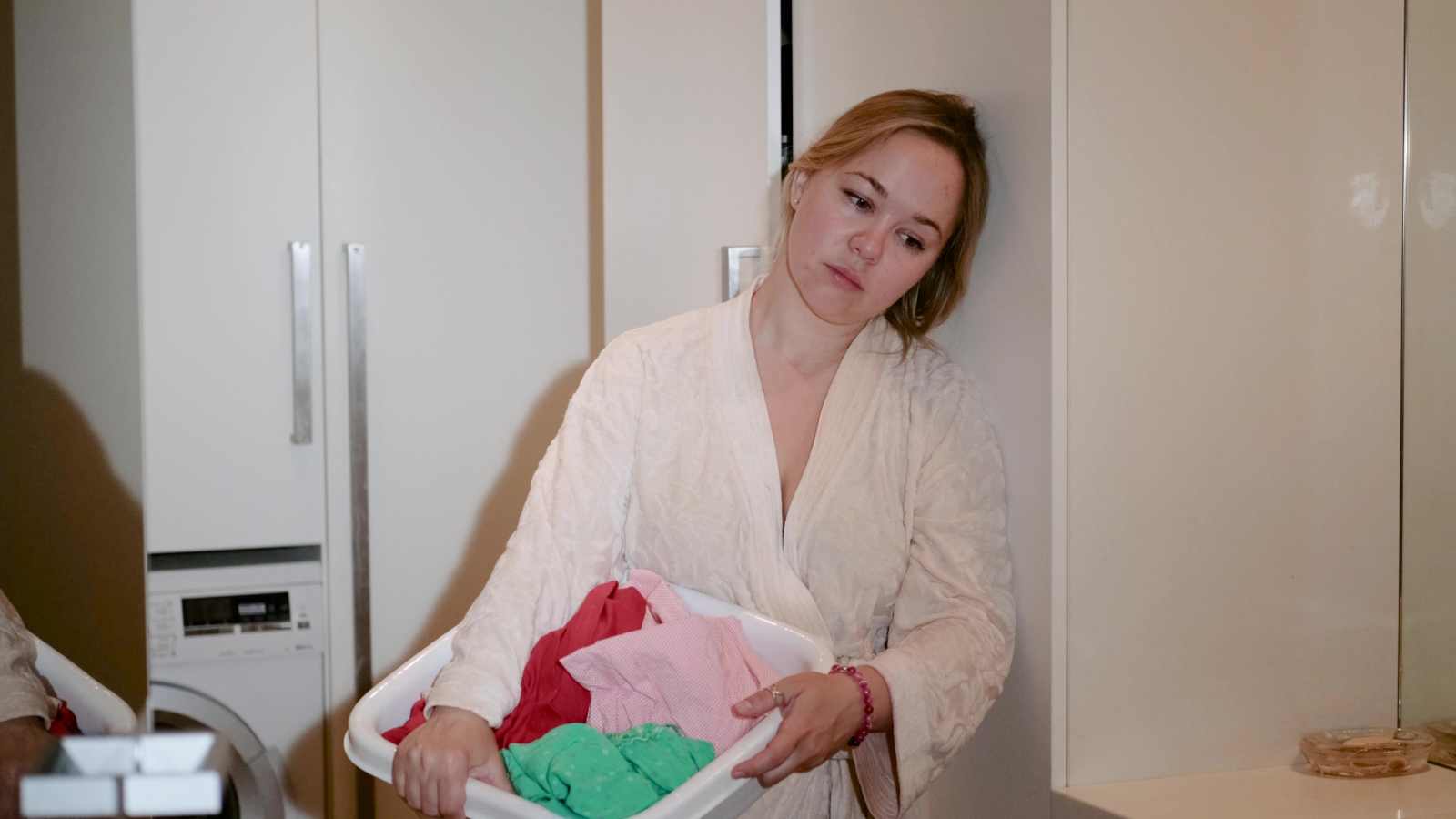
Mothers and wives have separate roles. They should complement each other. Still, many women find themselves vying for the top spot. A husband sets the tone here. If he prioritizes his mom over his wife, resentment grows fast. A wife has a rightful desire to be the queen of her castle.
The struggle is real. Marriage vows usually require a man to place his bride first. Men who aren’t prepared for this aren’t ready for marriage. A home only allows for one king and one queen. If a wife feels like a close second, her strength erodes. She isn’t just whining. She is reacting to a dynamic that sets a marriage on the road to destruction.
Massive Cultural and Generational Gaps

Different generations live by different social norms. Older women grew up when marriage happened earlier, and families were larger. Divorce was rare. Traditional roles were the standard. Younger women marry later and value independence. They work outside the home. They expect equality.
The numbers tell the story. In the 1950s, the median age for marriage was 20. By 2016, it hit 27. About 84 percent of women from the Great Depression era were married by age 25. For those born after 1975, that number dropped to 47 percent. These shifts create a clash of values. Older women might expect obedience. Younger wives expect shared decision-making. The misunderstanding is almost baked into the timeline.
The High Stakes of Child-Rearing Conflicts

Kids are the ultimate flash point. Terri Apter’s study of 163 people found that child care was a top source of friction. Disagreements start small. It might be cloth versus disposable diapers. It might be breast versus bottle. Then it gets bigger. Parents and grandparents argue over video games or the chess club.
Grandparents feel the kids aren’t being raised right. They want their grandchildren to follow their version of a good life. This makes parenting a constant trigger. Over 60 percent of women report long-term stress from these tensions. Only 15 percent of men say their mothers-in-law cause them similar headaches. The burden falls squarely on the woman.
A Deep-Seated Jealousy of the Relationship

Jealousy is a massive driver of conflict. It isn’t just a personal dislike. It is a perceived threat to the mother-son bond. Mothers-in-law often exhibit a possessive love. They might monitor how much attention the son gives his wife. They might make critical comments to undermine the marital bond.
This jealousy hits women hard. They are often expected to manage the household and the emotional weather. When the mother-in-law feels her authority is fading, she lashes out. This erodes trust between the husband and wife. It makes the wife feel like an intruder in her own home. The instability is exhausting.
The Pain of Feeling Excluded or Frozen Out

Exclusion is a form of emotional harm. It isn’t just social awkwardness. It is a toxic pattern. A wife might be left out of conversations at family gatherings. Relatives might speak a language she doesn’t understand. She might be corrected or embarrassed in front of a crowd.
These patterns make a woman feel like she is never enough. It triggers old wounds and creates emotional isolation. In some cultures, women are told to just adjust. But “adjusting” to public humiliation isn’t healthy. It leads to anxiety and burnout. It makes family life feel like a minefield.
The Unconscious Projection of Insecurities

Sometimes the criticism has nothing to do with your parenting. It is about her. A mother-in-law might feel powerless in her own life. She uses the relationship with you to feel competent. She inserts herself as an expert to feel a sense of accomplishment.
She might have poor boundaries. She might think correcting you is a sign of closeness. Susan Stiffelman suggests seeing this behavior as something she does rather than a critique of you. If you view it as her internal struggle, the sting fades. You stop defending and start observing. It is a subtle but powerful shift.
Constant Unsolicited Advice and Intrusion

Data shows that 85 percent of married people get unsolicited advice at least once a month. It comes from a place of experience or concern. Still, it feels like an intrusion. It erodes self-confidence. It leads to self-doubt and reduced autonomy.
Sarah and James are a great example. They had to attend a boundary workshop to handle parenting advice. Constant criticism of your home or finances creates strain. It sparks arguments. It builds resentment over time. Without firm boundaries, the advice becomes a wedge in the marriage.
The Damage of Unclear Husband Loyalties

A 2022 US study found that mothers clash more with daughters-in-law than with their own daughters. Husbands often have ambiguous allegiances. This is rooted in history. Mothers often held domestic authority in traditional family structures. Now, wives navigate a precarious environment without clear backup.
Terri Apter found that 75 percent of couples face in-law issues. Yet only 15 percent of those involve the husband’s relationship with his mother-in-law. The wife carries the weight. When a husband doesn’t pick a side, the wife feels sidelined. It is a lonely place to be.
The Invisible Weight of Long-Term Stress

Toxic conflict isn’t a temporary annoyance. It is a chronic stressor. Repeated criticism and boundary violations wear a woman down. It affects her mentally and physically. Constant drama leads to loneliness and mistrust. You start to dread every holiday. You question your own worth.
This stress chips away at the marriage itself. It creates distance between spouses. It leads to frequent arguments. These patterns can quietly destroy your peace of mind.
Without teamwork and boundaries, the damage becomes permanent. It is about more than just getting along. It is about surviving the family dynamic without losing yourself.
So what does this mean for the next family dinner? Maybe the real question is why we expect women to carry the emotional load for two different generations at once.
Key Takeaways

- It is rarely about you. Most conflicts stem from a mother‑in‑law’s internal fear of losing her relevance or “job” within the family.
- The “Husband Factor” is everything. Conflict peaks when a partner fails to set clear boundaries, leaving the wife to defend her “queen of the castle” status on her own.
- Data proves the gender gap. Only 15% of men report mother‑in‑law stress, while 60% of women say it causes them lasting unhappiness.
- Generational shifts cause friction. Modern values of independence and equality often clash with older traditions of maternal authority.
- Your health is on the line. Constant in-law drama triggers chronic stress, which experts link to anxiety, burnout, and even physical illness.
Disclaimer – This list is solely the author’s opinion based on research and publicly available information. It is not intended to be professional advice.
Like our content? Be sure to follow us.