The 11 nations where women are walking away from the altar—and the community-led rituals they’re building instead
The wedding script has developed a bug, and women keep asking one very dangerous question: “Do I actually want this?” Across OECD countries, women now enter first marriages at an average age of about 32, compared with about 25 in the early 1990s. The EU’s crude marriage rate has also dropped by more than half since 1964, which suggests this shift did not arise because one generation suddenly forgot how to flirt.
I love a wedding-cake situation as much as the next person, but let’s be honest: marriage no longer holds the same automatic “adulting badge” it once did. Relationship therapist Alexandra Solomon has framed chosen singlehood as integration rather than isolation, which honestly feels like the grown-up version of “I’m good, thanks.”
Women in many countries now build rituals around friendship, legal partnerships, solo milestones, divorce recoveries, cohabitation, chosen family, and community support.
South Korea

South Korea gives this whole conversation a sharp edge because women there have turned refusal into language, politics, and community. The country recorded 222,000 marriages in 2024, a rebound after years of concern, yet women still married for the first time at an average age of 31.6.
That number matters because it shows women do not simply “forget” marriage; they delay it, negotiate it, or reject the bargain when it feels unfair. Add the rise of one-person households, which reached 35.5% of South Korean households in 2023, and you start seeing a society where the altar has real competition from independence.
The most famous community-led response comes from the 4B movement, which rejects heterosexual dating, sex, childbirth, and marriage. That sounds intense, yes, but supporters link it to pay gaps, gendered violence, and exhaustion with traditional expectations. Other women use the term bihon, meaning willfully unmarried, and join groups like WITH, where members hike, knit, camp, play sports, attend rallies, and build friendship networks that look a lot more useful than another awkward bouquet toss.
Why build your whole life around finding “the one” when your group chat already shows up with snacks, emotional support, and a weekend plan?
Japan

Japan brings a quieter but equally fascinating version of women walking away from the altar. The country recorded only 686,061 births in 2024, its lowest total since official records began in 1899, and its fertility rate fell to 1.15. Japan did see marriages rise to 485,063 in 2024, but officials and researchers still point to a long-term pattern of later marriage, economic pressure, demanding work culture, and young women questioning the old deal.
Prime Minister Shigeru Ishiba even called the demographic crisis a “silent emergency,” which sounds dramatic until you see the numbers.
Instead of waiting for a partner to justify the dress, some Japanese women have embraced solo weddings, complete with styling, photography, and a ceremonial celebration of the self. No, that does not mean every single woman in Japan wants to marry herself in a gown. It means some women now claim the emotional drama, beauty, and social recognition of a wedding without handing the microphone to a husband. I find that oddly brilliant because the dress always looked like the fun part anyway, didn’t it?
China

China’s decline in marriage looks especially striking because marriage still strongly shapes family expectations and childbirth. In the first quarter of 2026, China recorded 1.697 million marriage registrations, down 6.2% from the same period a year earlier and roughly half the 2017 level.
In 2024, marriages also dropped to just over 6 million, almost half the level from a decade earlier. Writer Lijia Zhang has argued that attitudes changed deeply, with many urban, educated women no longer treating marriage or motherhood as essential life milestones.
The new rituals do not all celebrate staying single; some celebrate leaving marriage. Chinese women have hosted divorce parties with banners, cakes, friends, and the glorious energy of “happy rebirth,” which feels like the opposite of crying into a pillow while your aunt asks what happened.
Sociologist Yaya Chen told The Guardian that society has grown more accepting of divorce, and researcher Pan Wang linked delayed marriage to education, careers, freedom, and changing priorities. That shift gives women a public way to mark endings as beginnings, which feels far healthier than pretending heartbreak needs to wear black forever.
India

India still holds strong cultural expectations around marriage, but women have started pushing back through law, community, and very practical survival work. The Sample Registration System reported the mean effective age at marriage for Indian women as 22.9 in 2023, with urban women marrying later, at 24.3.
ActionAid’s research also points to about 73 million single women in India, according to the 2011 census, including widows, separated women, divorced women, and women who never married. Those figures matter because “single woman” in India does not describe one lifestyle; it covers many women who face stigma, paperwork barriers, and economic pressure.
The community-led rituals here look less like champagne towers and more like collective power, which honestly feels more useful. Groups such as the Eka Nari Sanghathan in Odisha organize single Adivasi women around sustainable farming, local knowledge, gender issues, and community support. India also produced headline-making sologamy conversations when women used self-marriage ceremonies to celebrate singlehood rather than wait for family-approved validation.
The ritual changes from “Who gave this woman away?” to “Who stands with this woman now?” and that feels like a much better question.
The United States

The United States has not abandoned marriage, but Americans have definitely stopped treating it like the only respectable doorway into adulthood. The Census Bureau reported that one-person households reached 39.7 million in 2025, accounting for 29% of all U.S. households, up from 20% in 1975.
The same Census update placed the median age at first marriage at 28.4 for women and 30.8 for men, far above the 1975 numbers. Pew also found that 42% of U.S. adults lived unpartnered in 2023, meaning they did not live with a spouse or partner.
The community ritual Americans perfected, naturally, comes with brunch: Galentine’s Day. Women use it to celebrate friendship, chosen family, breakups survived, jobs landed, apartments signed, and the miracle of friends who reply to texts within the same business quarter. At one Galentine’s gathering, Chela Pappaccioli called it “an escape” and said it offered a space to uplift one another, which sounds more emotionally useful than another forced Valentine’s dinner reservation.
The altar still has fans, but friendship now gets its own flowers, cake, and group photos, as it should.
Canada

Canada shows how women and couples can move away from the altar without rejecting commitment altogether. In 2021, 56.9% of Canadians aged 15 and older lived in married or common-law couples, but the share of married couples dropped from 94% in 1981 to 77% in 2021.
That shift tells us Canadians did not collectively turn into romance skeptics overnight; they simply expanded the menu. By 2020, the average age at marriage had reached 34.8, and first marriages averaged 31.2, so the “marry young, figure it out later” plan had lost significant cultural ground.
The ritual here often looks like common-law life becoming the commitment rather than the warm-up act. Friends celebrate moving in, buying furniture, raising pets, merging schedules, and surviving IKEA without ending the relationship, which should count as a legal rite of passage in my opinion.
Women who choose common-law partnerships still build families, finances, and communities, but they skip the assumption that a wedding is required to validate it. Isn’t that the sneaky revolution, turning ordinary daily care into a ceremony?
Australia

Australia still loves a wedding, but the numbers show women now approach it with more timing, caution, and personal choice. The Australian Bureau of Statistics counted 120,844 marriages in 2024, up slightly from 2023, yet the crude marriage rate sat at 5.5 per 1,000 people, below the 7.1 rate recorded in 2004.
Women married at a median age of 31.2, and men married at 32.8, which signals a society where people often build education, careers, housing plans, and relationships before they book the venue. Basically, the cake waits while the rent gets real.
The rituals Australian women build around non-altar adulthood can feel casual, but they carry real meaning. Friends mark shared rentals, career pivots, divorce recoveries, fertility decisions, queer partnerships, and milestone birthdays with backyard parties, beach weekends, and celebrant-led commitment gatherings.
Same-sex and non-binary couples also made up 4,746 Australian marriages in 2024, with female same-gender marriages outnumbering male same-gender marriages. That broader ritual landscape makes marriage one option among many, not the one golden ticket into a “proper” life.
France

France deserves a spot because it practically made “less dramatic than marriage” feel chic. INSEE reported 242,000 marriages in France in both 2022 and 2023, and recorded 210,000 civil solidarity pacts (Pacs) in 2022. Women married at an average age of 37.3 in 2022, while men married at 39.8, which means the country has moved far beyond the old “early wedding or social panic” script. France did not kill commitment; it gave commitment paperwork, flexibility, and fewer speeches from distant relatives.
The Pacs ritual offers couples, including women who reject pressure to have a big wedding, a practical middle ground. Many mark it with a mairie appointment, dinner with close friends, a small toast, or a private celebration that says, “We chose each other, but we also chose not to spend the GDP of a small island on centerpieces.”
For women, that matters because the ritual shifts attention from bridal performance to legal clarity and daily partnership. The community still gathers, but it gathers around the life being built, not the spectacle being staged.
Sweden
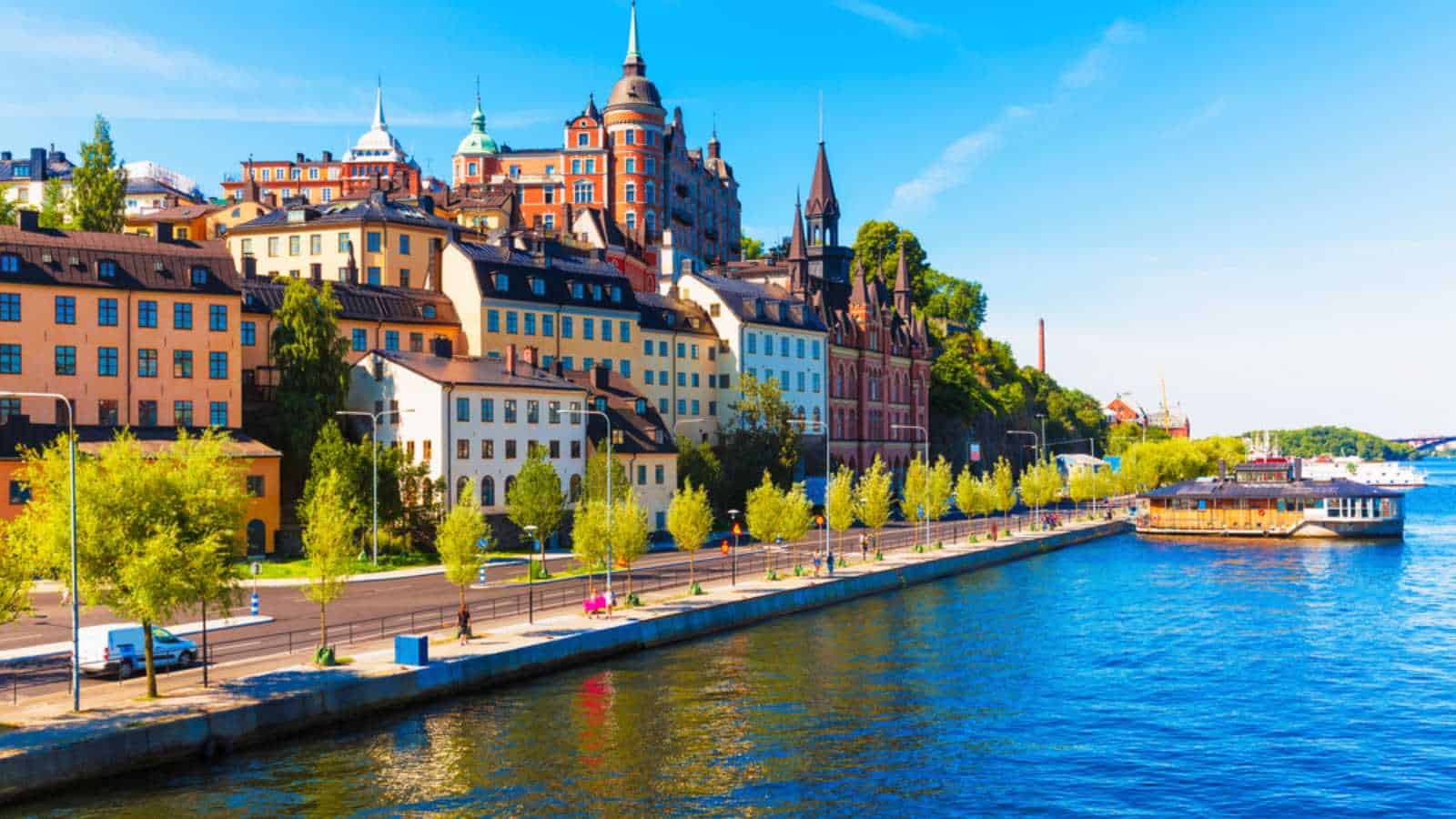
Sweden has long treated cohabitation with a level of seriousness that makes other countries look slightly theatrical. The country recorded 44,854 marriages in 2024, and women entered their first marriage at an average age of 35.2. Sweden’s Sambolagen, or Cohabitees Act, also provides cohabiting partners with a legal framework for shared homes and household goods, even though marriage still confers broader rights. That legal recognition helps explain why the wedding does not carry the same “prove it or lose it” pressure.
The community ritual in Sweden often centers on sambo life, where moving in together, building a home, raising children, and hosting family gatherings can carry the emotional weight of commitment. Researchers have linked Sweden’s decline in marriage to the rise of cohabitation, and more recent work points to stable cohabitation as a major family pattern.
Women who choose this path do not necessarily reject love; they reject the idea that love only counts after a white dress and a seating chart crisis. Honestly, any culture that reduces seating chart drama deserves at least mild applause.
Spain

Spain shows how women can walk away from the altar slowly, socially, and with plenty of conversation over coffee. INE counted 175,364 marriages in 2024, with a crude marriage rate of 3.6 per 1,000 residents. Women’s average age at marriage reached 37.2, while men’s reached 39.9, which makes the old early-marriage timeline look like a family rumor from another century.
Spain also reported one of Europe’s lowest fertility rates, and sociologist Marta Seiz has argued that childbearing no longer functions as a universal life aspiration as women pursue careers and weigh housing, money, and care responsibilities.
The rituals Spanish women build instead often look like friendship-first adulthood. Groups celebrate apartment moves, late-thirties birthdays, career wins, auntie roles, solo travel, and chosen-family dinners that make singlehood feel social rather than lonely. Of course, nobody needs a formal certificate to prove a friend group carried someone through a breakup, a rent hike, or a career crisis. The wedding still exists, but women increasingly treat it as a possible chapter rather than the table of contents.
Mexico
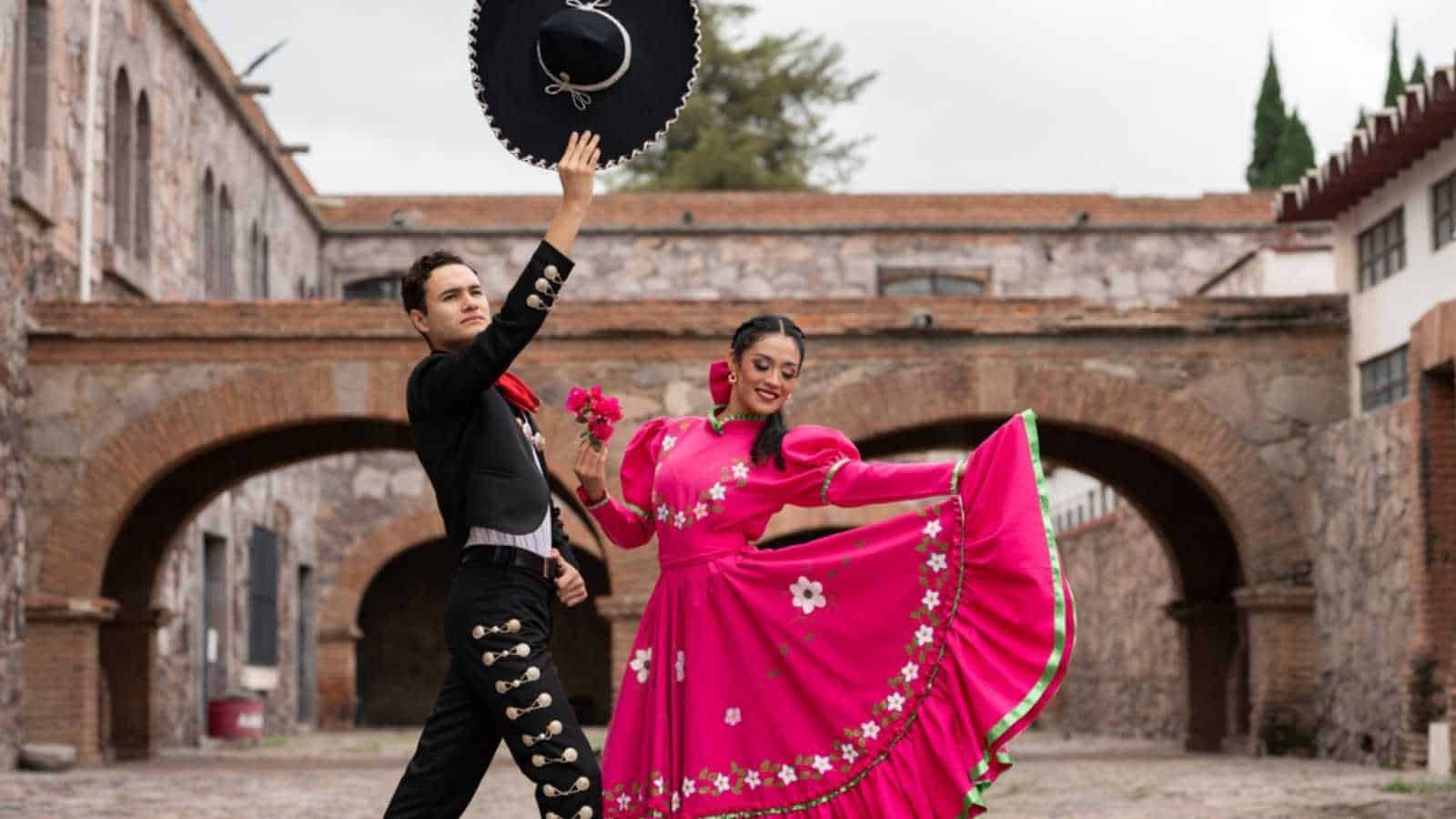
Mexico brings a powerful mix of tradition and change. INEGI-linked reporting shows that women’s average age at marriage rose from 27.6 in 2014 to 32.1 in 2024, a jump of 4.5 years in one decade. Mexico also recorded 486,600 marriages in 2024, marking a second straight year of decline and one of the lowest totals since the pandemic. Researchers studying changes in Mexican families have also tracked a shift away from marriage and toward cohabitation, especially as younger people reshape the timing of partnerships and family life.
The community-led ritual here often centers on union libre, or cohabitation, rather than a church aisle or a civil wedding. Families may still gather for meals, house blessings, baby showers, anniversaries, or moving-in celebrations, even when nobody has bought a gown. That creates a softer yet meaningful ritual system in which women can claim partnership, motherhood, independence, or shared life without squeezing everything into a single ceremony. Is it as photogenic as a cathedral wedding? Maybe not, but it can feel a lot more honest.
Key takeaway

Women are not walking away from love; they are walking away from the idea that marriage must control the entire meaning of love, adulthood, safety, family, and respectability. Across South Korea, Japan, China, India, the United States, Canada, Australia, France, Sweden, Spain, and Mexico, women now build rituals around friendship, cohabitation, legal partnerships, divorce recovery, solo milestones, and single-women collectives.
The altar still matters to many people, and that’s perfectly fine. But the bigger story feels more interesting: women keep asking for rituals that match their actual lives, not just the scripts they inherited. And honestly, if a community shows up with cake, witnesses, emotional support, and no seating chart meltdown, I’d call that progress.
Disclaimer: This list is solely the author’s opinion based on research and publicly available information. It is not intended to be professional advice.
Like our content? Be sure to follow us.