12 social norms that are unfamiliar to Baby Boomers
If you’ve ever watched a Baby Boomer react to modern dating, texting etiquette, or the concept of “quiet quitting,” then you already know we’re basically living in two different worlds. And honestly, both sides often think the other has completely lost the plot.
Baby Boomers grew up in a time when you answered the phone immediately, stayed loyal to one company for decades, and definitely did not discuss your salary over brunch. Younger generations, on the other hand, have normalized therapy language in everyday conversations, replaced phone calls with voice notes, and embraced the idea that work should not consume their entire identity.
The cultural whiplash is real.
According to a Robert Walters survey, 59% of Millennials and Gen Z prefer digital communication over phone calls, while nearly half admit they feel anxious making business calls. To many Boomers, that shift alone feels almost impossible to understand.
From modern workplace attitudes to evolving social boundaries, here are 12 social norms that still leave many Baby Boomers staring into the void and wondering, “Wait… this is normal now?”
Texting Before Calling

If you grew up in the Boomer era, phone calls were basic courtesy; you called to talk, not to launch a surprise attack.
Today, many younger adults actually prefer a warning text before you call. According to a Robert Walters survey, 59% of Millennials and Gen Z prefer digital communication over phone calls, and 50% admit feeling anxious making business calls. Voicemail now feels like ancient technology people forgot to bury properly.
You’ve probably experienced it yourself: you call, they ignore it, and then text back, “What’s up?” three seconds later. Somewhere along the line, texting became polite, and calling became emotionally intense. Cue the eye-roll.
Ghosting Instead of Having Difficult Conversations

Years ago, if someone upset you, you’d sit down and talk it out. Now? People vanish mid-conversation like Wi-Fi during a thunderstorm.
Younger generations often treat ghosting as a normal way to exit relationships, friendships, and even job interviews. According to a Yahoo report, 84% of Millennials and Gen Z have been ghosted.
And honestly, this social norm probably feels rude to you because you grew up valuing closure and accountability. Younger adults often defend ghosting by calling it “protecting their peace” or “setting boundaries.” You probably call it bad manners.
Talking About Salary Out Loud

Back then, discussing money in public felt tacky, right up there with asking someone’s age. Now, younger workers post pay ranges on TikTok and in group chats, and even openly compare salaries. For them, talking money is practical, but for a Boomer, it might feel shocking.
You probably spent years believing loyalty and hard work naturally led to fair pay. For younger workers, having watched huge gaps open, they decided that silence helps companies more than it helps employees. Times have changed, and your lunch table might just become the new boardroom.
Saying “No” Without Explaining Yourself

You grew up showing up whenever someone asked, even if secretly annoyed. Saying “no” often came with guilt and at least three unnecessary apologies. Now? People casually say, “I don’t have the bandwidth for that right now,” and keep eating lunch.
For a boomer, this might feel selfish. It’s just a generational divide. Younger adults see boundaries as a marker of emotional health, while Boomers often see constant availability as a sign of reliability and honesty; both sides think the other is dramatic.
Talking About Therapy So Openly

Therapy used to be private. Most Boomers handled stress quietly, and discussing a shrink publicly was taboo. Today, younger adults casually talk about anxiety, burnout, trauma, and attachment styles before appetizers arrive.
You probably learned to push through stress silently. Younger generations treat therapy like self-care, as normal as hitting the gym or drinking water. It still catches many Boomers off guard.
Delaying Marriage, Kids, and Homeownership

You grew up following a predictable timeline: graduate, marry, buy a house, have kids, all before 30. Younger generations said, “Yeah… absolutely not.” U.S. Census data shows that fewer than 25% of Americans ages 25–34 now reach traditional adulthood milestones, down from nearly 50% decades ago.
Financial pressure, high costs, and shifting priorities mean Millennials and Gen Z are delaying marriage, having kids, or buying a home. Starter homes now cost more than entire neighborhoods did decades ago. You probably bought your first house with one income. Younger adults need apps, side hustles, and emotional support just to tour apartments.
Conversations Around Identity and Pronouns
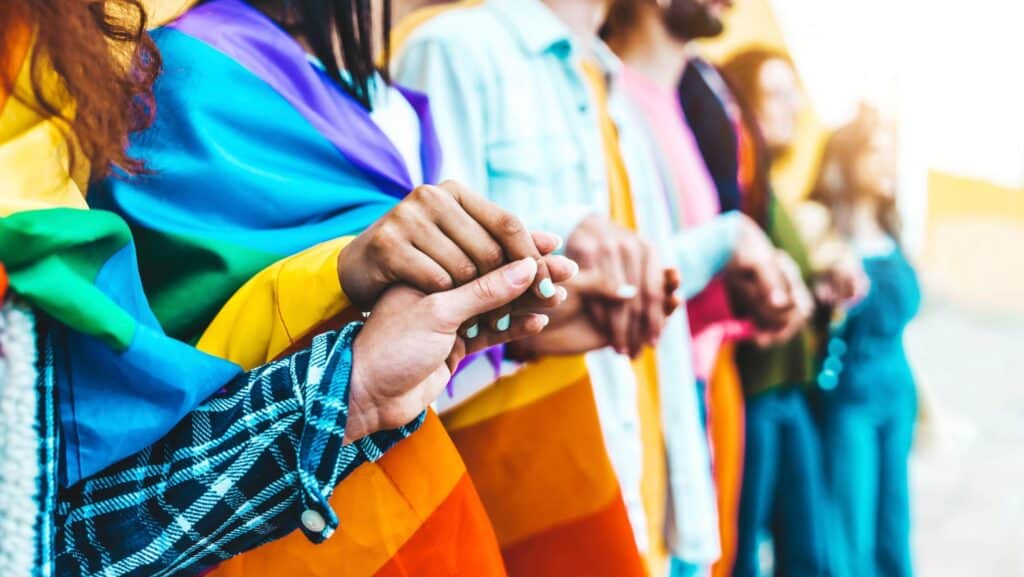
If you grew up during the Boomer era, conversations about personal identity usually stayed private and rarely came up in everyday life.
Today, younger generations talk much more openly about identity, self-expression, and how they prefer to be addressed. That shift happened so quickly that it can sometimes feel like society changed overnight.
Honestly, you may worry about saying the wrong thing because the language keeps evolving so fast. Younger generations usually see these conversations as simple respect and inclusion rather than political statements. Meanwhile, you’re probably still wondering when introducing yourself suddenly became a full identity workshop.
Dating Apps Replacing Traditional Dating
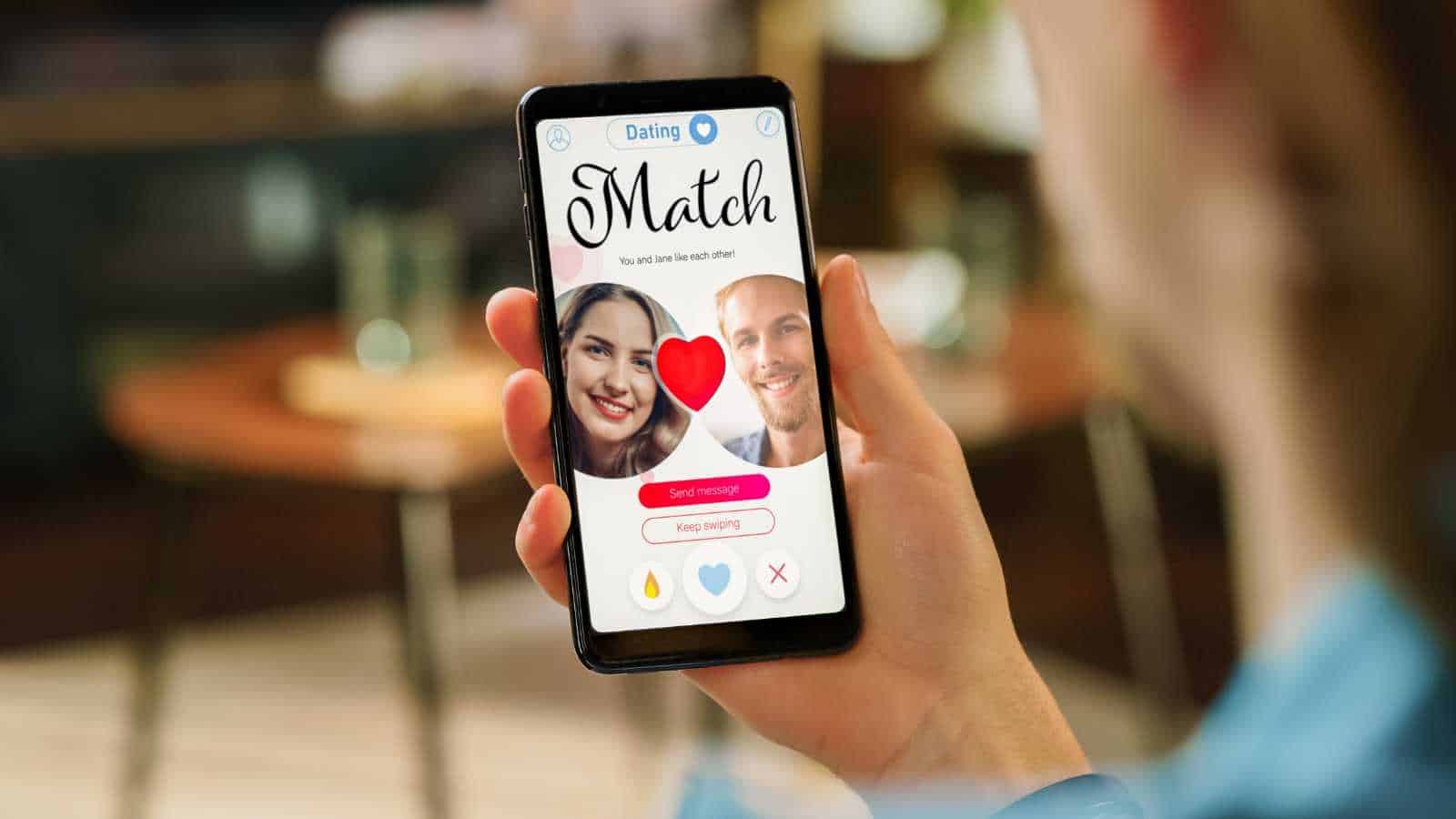
Most boomers met people through work, friends, church, school, or complete random luck. With time, younger generations now meet through apps, where people judge romantic compatibility based on six photos and a sentence about tacos. Somehow, this became normal.
According to Forbes Health, 53% of adults under 30 have used a dating site or app, compared with just 13% of adults 65 and older. Many younger adults now prefer texting before meeting because in-person flirting feels stressful or awkward. Honestly, modern dating vocabulary alone sounds exhausting.
If terms like “situationship” or “orbiting” confuse you, you probably still believe asking someone out face-to-face shows confidence. Younger adults often find that approach terrifying.
Turning Food Choices Into Personal Identity

You grew up eating whatever appeared on the dinner table.
Younger generations connect food to ethics, wellness, climate, and personal identity. For instance, according to GlobeScan’s Grains of Truth report, 72% of Millennials say they’re strongly interested in eating more plant-based foods. My cousin debates oat milk as if the fate of the universe depends on it.
Some of these trends might feel ridiculous. You survived decades eating regular burgers and milk without documenting it online. Younger generations see food choices as reflections of their values.
Treating Work Like “Just a Job.”

You grew up believing hard work defined character. Staying late and answering emails constantly signaled ambition. Now, younger workers prioritize mental health and flexibility.
Morning Consult found that only 36% of Gen Z workers feel highly engaged at work. Younger employees increasingly prioritize flexibility, mental health, and work-life balance over loyalty to one company. Honestly, many of them watched older relatives work nonstop only to end up stressed and exhausted anyway.
If this feels frustrating, it’s a matter of perspective. Boomers often see work as an identity; younger adults see it as a means to fund their lives. Long commutes and fluorescent lighting? They call that unnecessary suffering.
Cancel Culture and Online Accountability
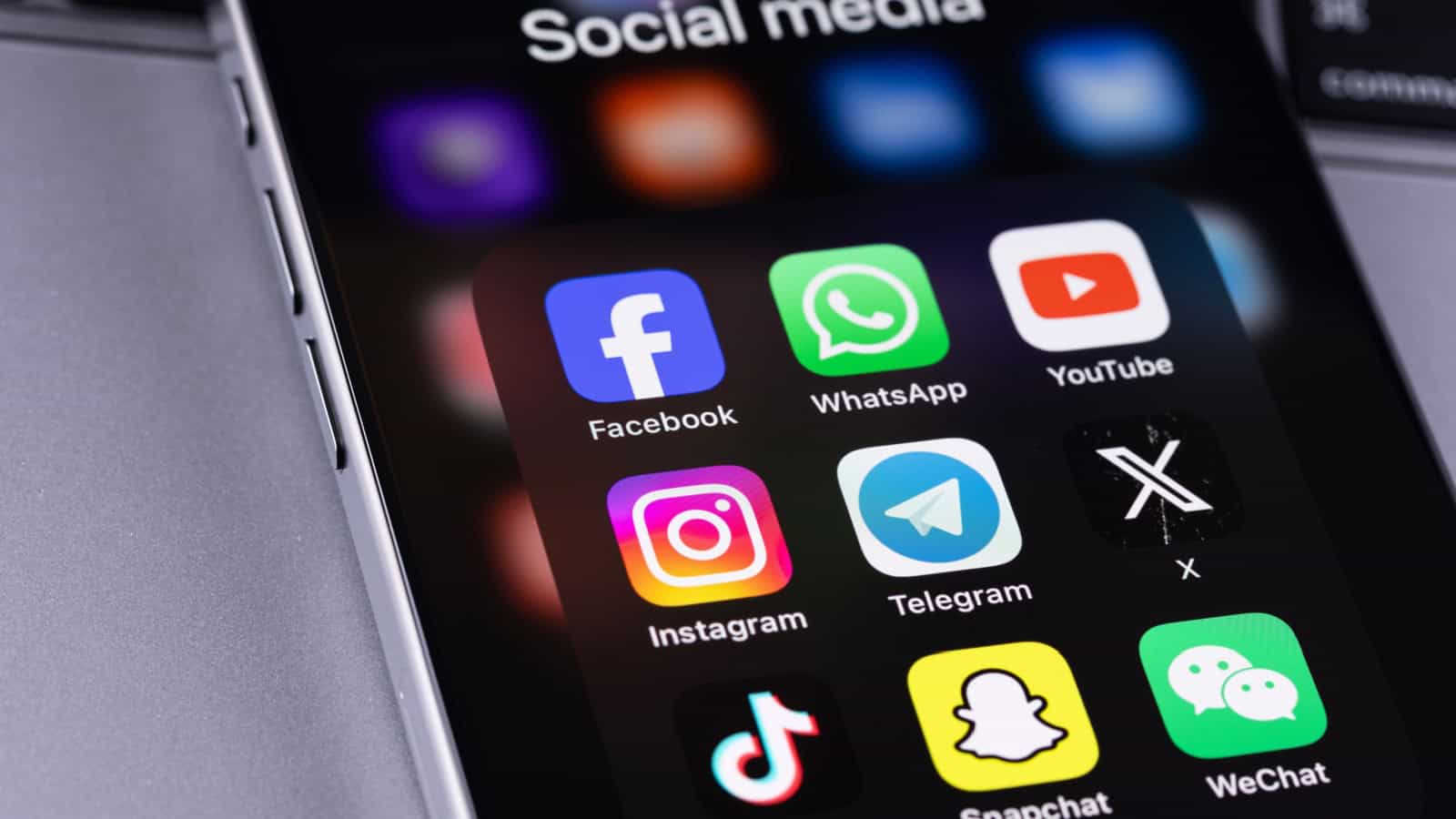
You probably grew up making mistakes privately. If somebody said something embarrassing years ago, the moment usually disappeared eventually. Social media changed that completely.
Younger generations often use social media to publicly call out behavior they find offensive or harmful. Meanwhile, many Baby Boomers see online outrage spirals as excessive public shaming.
Honestly, this cultural shift still unsettles many older adults. You probably believe people deserve room to learn and grow privately. Younger generations often argue that public accountability forces real consequences.
Hybrid Work Becoming the New Normal

You proved professionalism by physically showing up every day. Then the pandemic happened, and remote work exploded. Gallup reports 66% of Gen Z prefer hybrid arrangements, and Millennials actively seek jobs that offer it.
Many Boomers still equate office presence with productivity. Younger employees see long commutes and fluorescent lighting as unnecessary suffering. It’s just one of those social norms that probably leaves you scratching your head.
Key Takeaways

Modern social norms often feel bizarre to Baby Boomers, from ghosting and dating apps to therapy talk and hybrid work. You might see some behaviors as rude or excessive, while younger generations view them as efficient, healthy, or emotionally aware. The generational divide is real and entertaining.
These changes didn’t appear out of nowhere. Economic pressures, social media culture, mental health awareness, and rapid tech adoption shaped younger adults’ habits. You may roll your eyes at some behaviors, but they make sense in today’s context.
Neither side fully understands the other, and that’s part of the fun (and frustration) of generational differences. One generation still thinks phone calls solve everything; the other treats surprise calls like emergencies. If you love these norms or just shake your head, society isn’t going backward anytime soon.
Disclaimer – This list is solely the author’s opinion based on research and publicly available information. It is not intended to be professional advice.
Like our content? Be sure to follow us