12 school lunch rules parents need to understand
The lunch tray your child carries today is doing more than holding pizza, fruit, and milk. It is carrying federal rules, state policies, allergy plans, nutrition targets, and a whole lot of decisions most parents never see.
The School Nutrition Association says more than 95,000 schools and institutions serve lunch to about 29.9 million students each day, based on preliminary USDA fiscal year 2025 data. USDA’s updated school meal standards took effect in 2024, with major menu changes rolling out from the 2025 school year through 2027 to 2028.
So if the cafeteria feels stricter than the one you remember, you’re not imagining it. Your child’s lunch line now comes with more fruit, more whole grains, more allergy paperwork, fewer sugary options, and a rulebook quietly sitting behind every tray.
“Reimbursable Meals” Have to Follow Federal Rules

In public schools that participate in the National School Lunch Program, school lunches must meet federal requirements before the school can receive reimbursement. That is why a cafeteria worker may remind a child to take a piece of fruit, a vegetable, or a glass of milk with their tray.
The School Nutrition Association explains it plainly: “School meals are healthy meals,” and programs must offer “reimbursable” meals that meet strict federal nutrition standards aligned with the Dietary Guidelines for Americans. Those standards include the right balance of fruits, vegetables, low-fat or fat-free milk, whole grains, and lean protein.
This is not a cafeteria worker being picky for fun. It is a national system that feeds nearly 30 million students a day while adhering to USDA meal pattern rules. Parents may see the rule as small, but for schools, each tray counts.
Sugar and Sodium Limits Are Getting Stricter

Parents may notice school food getting less sweet and less salty over the next few years, and that shift is not random. USDA’s 2024 final rule adds new limits on added sugars and adjusts sodium targets, with required changes starting in the 2025 to 2026 school year and phasing in through 2027 to 2028.
USDA’s summary says added sugars will face product-based limits first, including rules for items like flavored milk, yogurt, and breakfast cereal, then a weekly added sugar limit of less than 10% of calories across school lunch and breakfast programs by school year 2027 to 2028.
The School Nutrition Association says school nutrition professionals have reduced sodium and added sugar, but its 2026 Position Paper also warns that “any new rules limiting UPFs in schools must ensure meal programs are permitted to serve nutrient-dense, pre-prepared foods.”
That matters because schools are feeding hundreds or thousands of kids quickly, often on tight budgets, with limited staff, and in kitchens that were never built for restaurant-style cooking.
“Smart Snacks” Rules Also Cover Vending
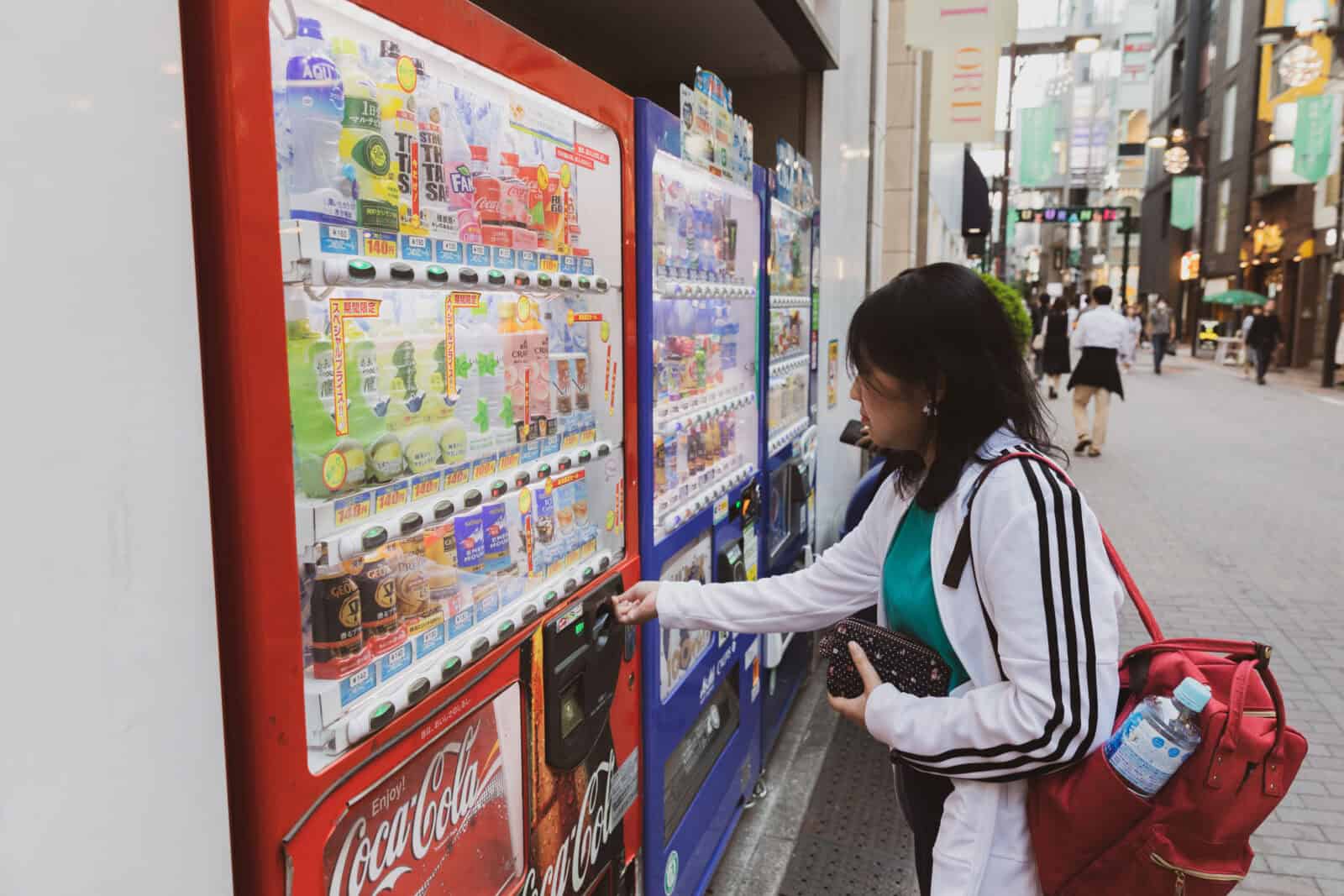
The main lunch tray is not the only thing under federal nutrition rules. USDA’s Smart Snacks in School standards apply to foods and drinks sold to students during the school day outside the regular meal program, including vending machines, school stores, snack bars, and a la carte lines.
That is why soda, candy, and oversized salty snacks may be missing from places parents once expected to find them. The rules set limits on calories, sodium, fat, and sugar and require foods to meet certain nutrition standards, such as containing whole grains or other qualifying ingredients.
This can also affect PTA fundraisers if they happen during school hours. A brownie sale after a Friday night game may be treated differently from one set up beside the cafeteria at noon. To a student, it may feel as if the fun snacks have vanished. For the school, it is part of a broader rulebook designed to prevent the lunch line from competing with candy and soda.
States Can Add Extra Rules and Funding

Federal rules set the floor, but states and districts can build higher walls around school meals. That is why two parents in different states can compare cafeteria notes and feel like they are talking about different countries.
The School Nutrition Association says, “Every school nutrition program is different because despite the baseline of federal requirements, each must navigate the state and local policies as well.” Some states add nutrition standards beyond USDA rules. Others provide additional meal reimbursements, fund universal free meals, or support fresh, local produce.
The Food Research and Action Center reported that after federal pandemic-era universal meal waivers ended, states such as California, Maine, Massachusetts, Nevada, and Vermont adopted Healthy School Meals for All policies for the 2022 to 2023 school year, with Colorado, Minnesota, Michigan, and New Mexico starting policies in 2023 to 2024.
For parents, the best move is simple: check state and district rules, not just national headlines.
Free and Reduced-Price Meals Depend on Eligibility

Free meals for every student became familiar during the pandemic, but that national policy ended in 2022. Now, many families must qualify based on household income, through direct certification in programs like SNAP, or through a schoolwide option such as the Community Eligibility Provision.
FRAC says nearly 29.4 million children participated in the National School Lunch Program on a typical day during the 2023 to 2024 school year, and 21.1 million received free or reduced-price lunch.
USDA also lowered the Community Eligibility Provision threshold from 40% to 25% identified students in a 2023 final rule, which can help more schools offer meals at no cost to all students if the finances work. Still, rules vary by state because some states fund universal meals and others do not.
That is why a family may need to submit a meal application one year and receive no-cost meals without a form another year. The cafeteria email may look boring, but it can decide the price of lunch for the whole school year.
Allergen Rules and Medical Diets Are More Formal

Food allergies can turn lunch from a routine part of the day into a serious safety issue. The School Nutrition Association says cafeterias must provide substitutions for students whose food allergies constitute a disability, but families may need a statement signed by a licensed physician that identifies the disability, explains the dietary restriction, lists foods to omit, and recommends alternate foods.
This is why a parent’s quick note may not be enough for formal meal changes. Schools often need medical documentation, allergy action plans, and clear communication between the nurse, cafeteria manager, teacher, and family. Many districts also use ingredient lists, nut-free tables, cross-contact protocols, and limits on shared treats.
For parents, the lesson is not to wait until the first scary lunch day. Contact the school before classes start, ask how menus and substitutions work, and get the paperwork in early. The lunchroom is busy, loud, and fast. Allergy plans need to be calm, clear, and ready before the bell rings.
Packed Lunches Can Be Subject to School Policies Too
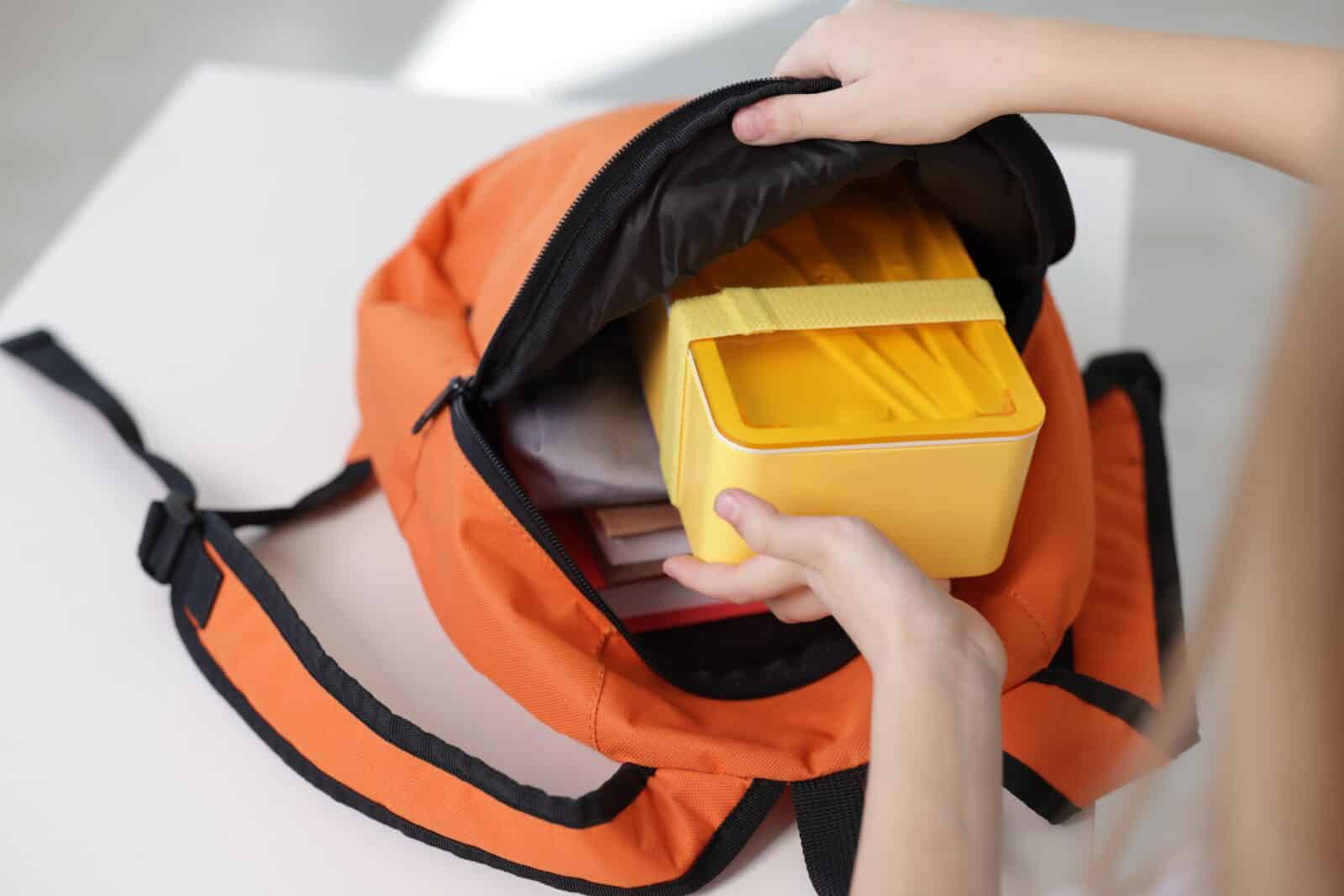
A lunch packed at home may feel like private family business, but it can still run into school rules. Smart Snacks rules mainly apply to foods sold at school during the school day, but local wellness policies can shape what schools allow for classroom celebrations, food rewards, shared snacks, and safety-sensitive items.
USDA says local wellness policies include nutrition promotion, physical activity, and nutrition guidelines for foods and drinks sold on campus during the school day. Districts may also limit glass bottles, energy drinks, peanut products, and homemade treats shared with other children in certain classrooms. Staff usually are not digging through every lunchbox like detectives.
Still, if one child’s snack creates an allergy risk or a sugary drink breaks a school rule, the school may step in. Parents can avoid drama by checking the family handbook, allergy notices, and wellness policy. A sandwich from home may be simple. A shared cupcake can get complicated fast.
Time to Eat Is Now Part of “Nutrition.”

A healthy lunch does not help much if a child has five rushed minutes to eat it. CDC says schools should give students at least 20 minutes of seat time to eat and socialize, and it notes that some students skip school lunch because they do not have enough time.
CDC also says research links longer lunchtime to better food and nutrient intake, greater selection of fruit, and less plate waste. That matters to parents who open a lunchbox after school and see the apple untouched, the sandwich half-wrapped, and the yogurt still sealed.
The child may not hate the food. They may have spent half the period in line, walking from class, washing hands, or waiting for a friend. Some schools now use ideas like recess before lunch to help kids sit down hungrier and calmer. Lunch rules are not just about sugar, sodium, and milk. Sometimes, the most important nutrition rule is to give a child enough time to chew.
Menus and Nutrition Info Are Often Online

The lunch menu is no longer just a wrinkled paper taped to the fridge. Many districts now post daily menus, ingredient details, nutrition facts, and allergen information online, and some systems let families filter meals by allergens such as dairy, wheat, eggs, soy, or nuts.
The School Nutrition Association advises parents to review cafeteria menus with children and ask cafeteria managers about preparation methods, wait times, and food choices. That little behavior can save a lot of morning stress. If Tuesday is a meal your child will eat, you might be able to skip packing. If Wednesday has an allergy concern or a menu item they never touch, you pack from home.
This also helps children feel less lost in the lunch line. They can plan ahead, choose a fruit they like, or know when there is an alternate option, such as a salad, sandwich, or yogurt plate. Parents do not need to memorize the whole cafeteria system. They just need to know where the menu lives.
Parents Can Visit and Ask Questions Within School Rules

Parents often learn more from one cafeteria visit than from ten lunch complaints at home. The School Nutrition Association advises parents to have lunch with their child after checking visitor policies with the principal or cafeteria manager.
That visit can show how long the line is, what the food looks like, how much time kids have to eat, and how students make choices when friends are watching. Most schools have safety rules, so parents may need to sign in, wear a badge, visit on approved days, or avoid certain areas.
Still, a respectful visit can turn confusion into context. You may learn that the chicken nuggets use whole grains, that the pizza has lower sodium, or that the line delay occurs because several classes arrive at once. You can also ask the nutrition director about sourcing, snack bars, vending, classroom parties, or lunch schedules.
The best questions sound curious, not accusatory. Cafeteria staff feed hundreds of children in accordance with federal, state, and local rules. A calm conversation can go farther than an angry email.
Sustainability and Sourcing Are Emerging Focus Areas
School lunch rules are starting to reach beyond the tray and into farms, supply chains, food waste, and local food systems. USDA’s FY 2026 Patrick Leahy Farm to School Grant Program says it will fund projects ranging from $100,000 to $500,000, for a total of up to $18 million, to improve access to local foods in child nutrition programs.
USDA’s Farm to School work supports local sourcing, school gardens, agricultural education, and stronger links between schools and producers. Parents may see more local apples, seasonal vegetables, scratch-cooked items, garden projects, or cafeteria signs naming nearby farms. But the shift has limits.
The School Nutrition Association’s 2026 Position Paper says 98% of surveyed meal program directors reported challenges with food costs, 95% with labor, and 95% with equipment, while 79% reported an extreme need for more funding to reduce reliance on ultra-processed foods. Fresh food sounds simple until a school has no staff, no equipment, and no spare money.
Rules Evolve, and Policies May Change

The lunch rules your child starts with in kindergarten may not be the same rules they meet in middle school. USDA’s 2024 final school nutrition rule took effect on July 1, 2024, but required meal pattern changes to roll out over several years, beginning in the 2025 to 2026 school year and continuing through 2027 to 2028.
State policy also keeps moving. SNA tracks state legislation on school meal participation mandates, additional reimbursements, and nutrition standards, while FRAC tracks state efforts to advance Healthy School Meals for All.
The pandemic also changed what many families expect from school meals, since free meals for all students became the norm for a time, then ended nationwide, and later continued in some states through local funding decisions.
That means parents should read cafeteria emails, submit forms on time, check menu apps, and ask before assuming a rule came out of nowhere. School lunch policy is not frozen. It keeps shifting with federal standards, state budgets, food costs, staffing, and what communities demand for children.
A Short Reflective Close
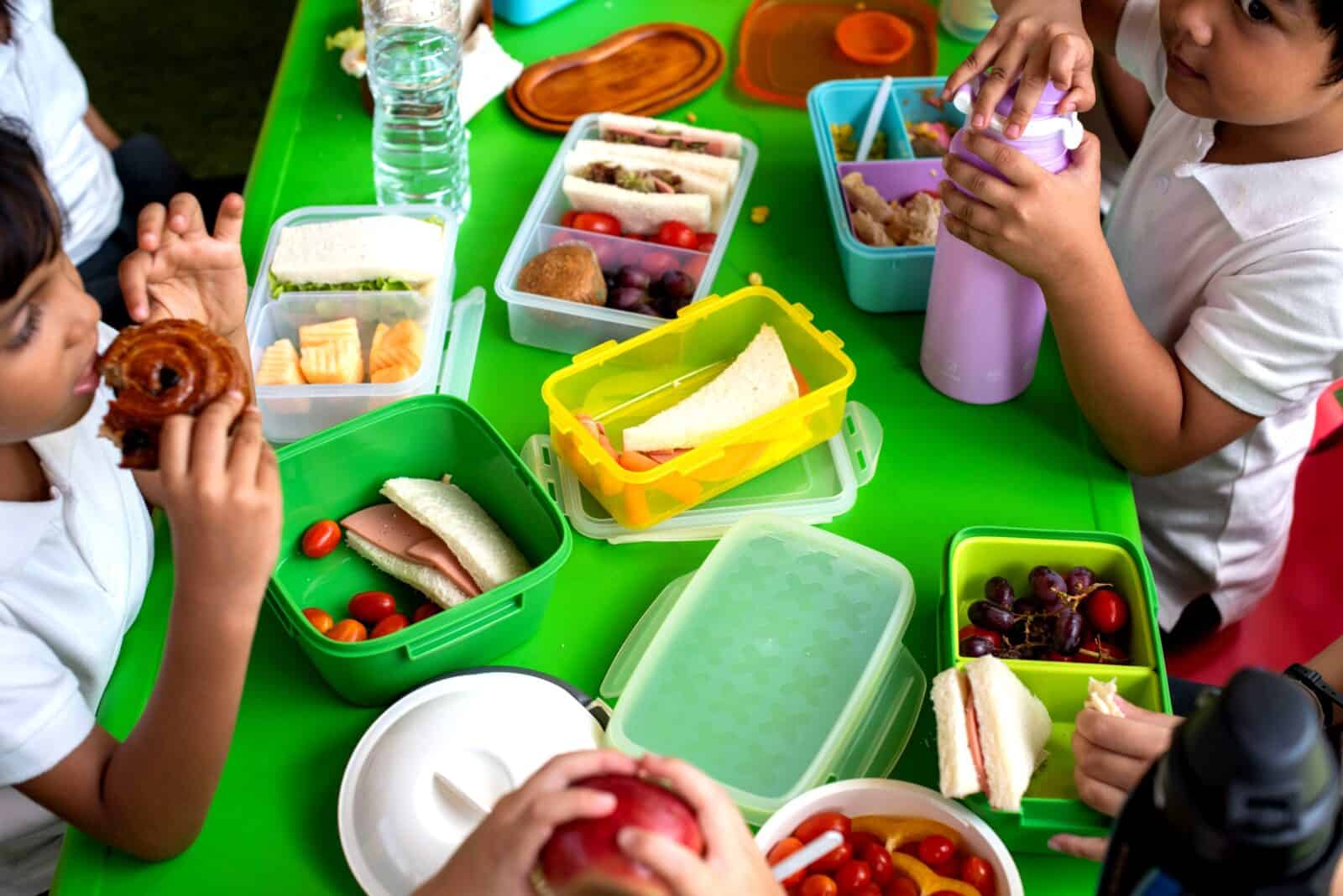
School lunch can look small from the outside: a tray, a spork, a carton, a line that moves before the bell rings. Behind it sits a national meal system serving nearly 30 million students a day, with USDA standards, state choices, allergy rules, wellness policies, and local budgets all pulling on the menu.
Parents do not need to become policy experts. They just need enough knowledge to ask better questions, pack smarter lunches, and understand why the cafeteria sometimes says no. The tray is not just lunch. It is where health, law, money, hunger, and childhood meet at noon.
Key Takeaways

U.S. school lunches tied to federal reimbursement must follow USDA meal pattern rules. Newer sugar and sodium standards are phasing in from the 2025 to 2026 school year through 2027 to 2028, so parents may see menu changes over time.
Rules reach beyond the main meal tray. Smart Snacks standards cover many foods sold during the school day, and local policies can affect vending, a la carte lines, allergies, classroom treats, wellness rules, and even how much time children get to eat.
Parents have more tools than many realize. They can check menus online, submit meal forms, create allergy plans early, visit the cafeteria under school rules, and ask respectful questions before a small lunchroom surprise turns into a big family frustration.
Disclaimer – This list is solely the author’s opinion based on research and publicly available information. It is not intended to be professional advice.
Like our content? Be sure to follow us