11 clutter traps in your daily routine that are time to rethink
Your clutter probably does not start with “too much stuff.” It starts with tiny habits that quietly invite chaos in for coffee. Americans already spend real time fighting the mess. U.S. Bureau of Labor Statistics data show that people spent about 2.01 hours per day on household activities in 2024, including cleaning, food preparation, laundry, and household management.
The American Cleaning Institute also found that 80% of Americans planned to spring-clean in 2024, so clearly, the clutter struggle has gone national. Honestly, if your chair has become a wardrobe and your kitchen counter now runs a mail sorting business, you have plenty of company.
The entryway drop zone
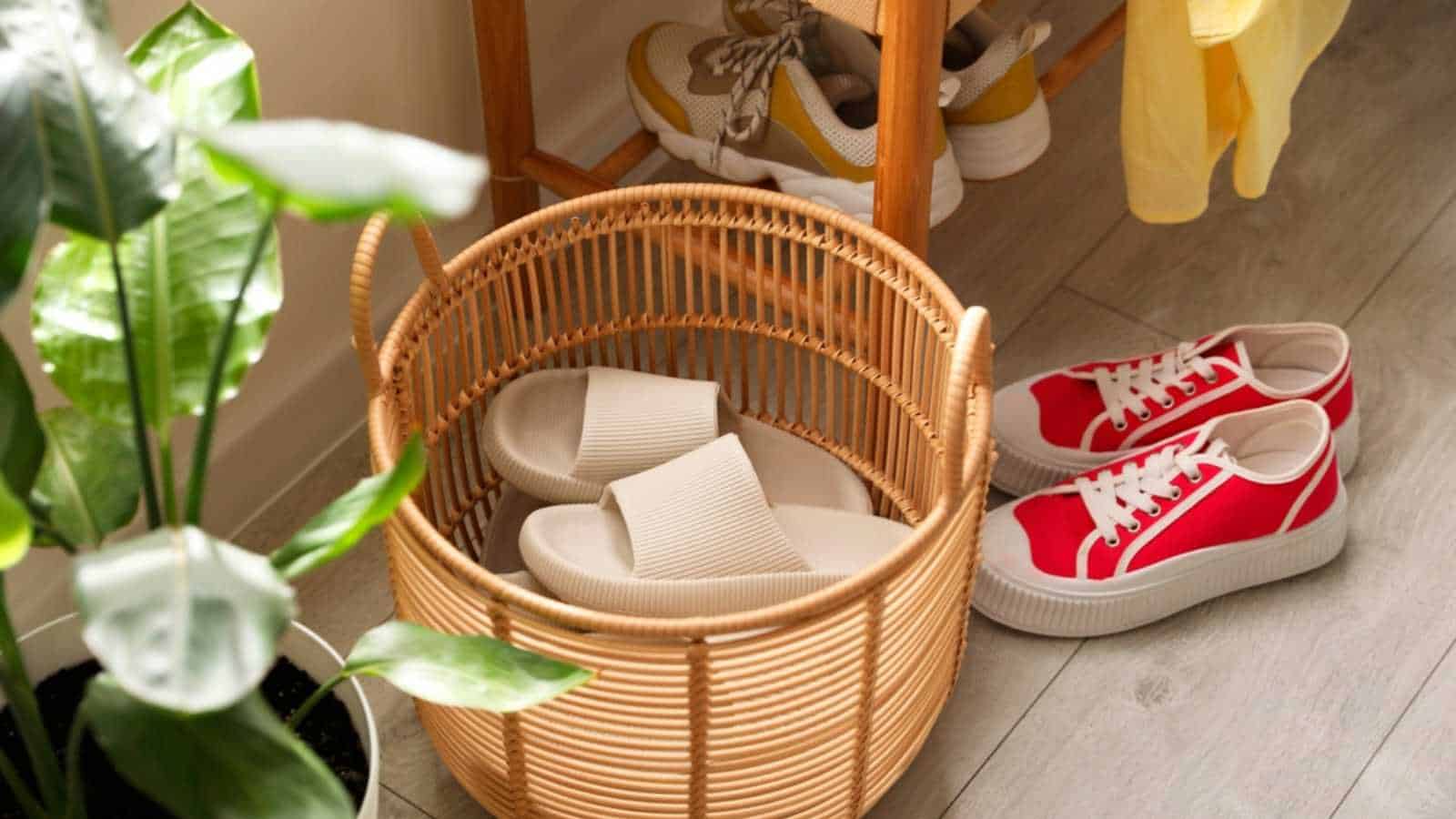
The entryway often becomes the first clutter trap of the day because you drop keys, shoes, bags, receipts, mail, sunglasses, and that one water bottle you swear you will wash “later.” UCLA’s Center on Everyday Lives of Families studied 32 Los Angeles families and found that homes were packed with possessions throughout shared spaces, from toys and devices to souvenirs and everyday gear. That sounds painfully familiar, right? The front door becomes a tiny airport security checkpoint, but nobody gets through quickly.
Rethink this routine by giving each daily item a single landing spot. Use a small tray for keys, one basket for bags, and one hook per person if you live with family. Keep the entryway honest by removing anything that does not help you leave the house faster. If the area greets you with clutter every time you walk in, your home starts the conversation by yelling.
The kitchen counter command center
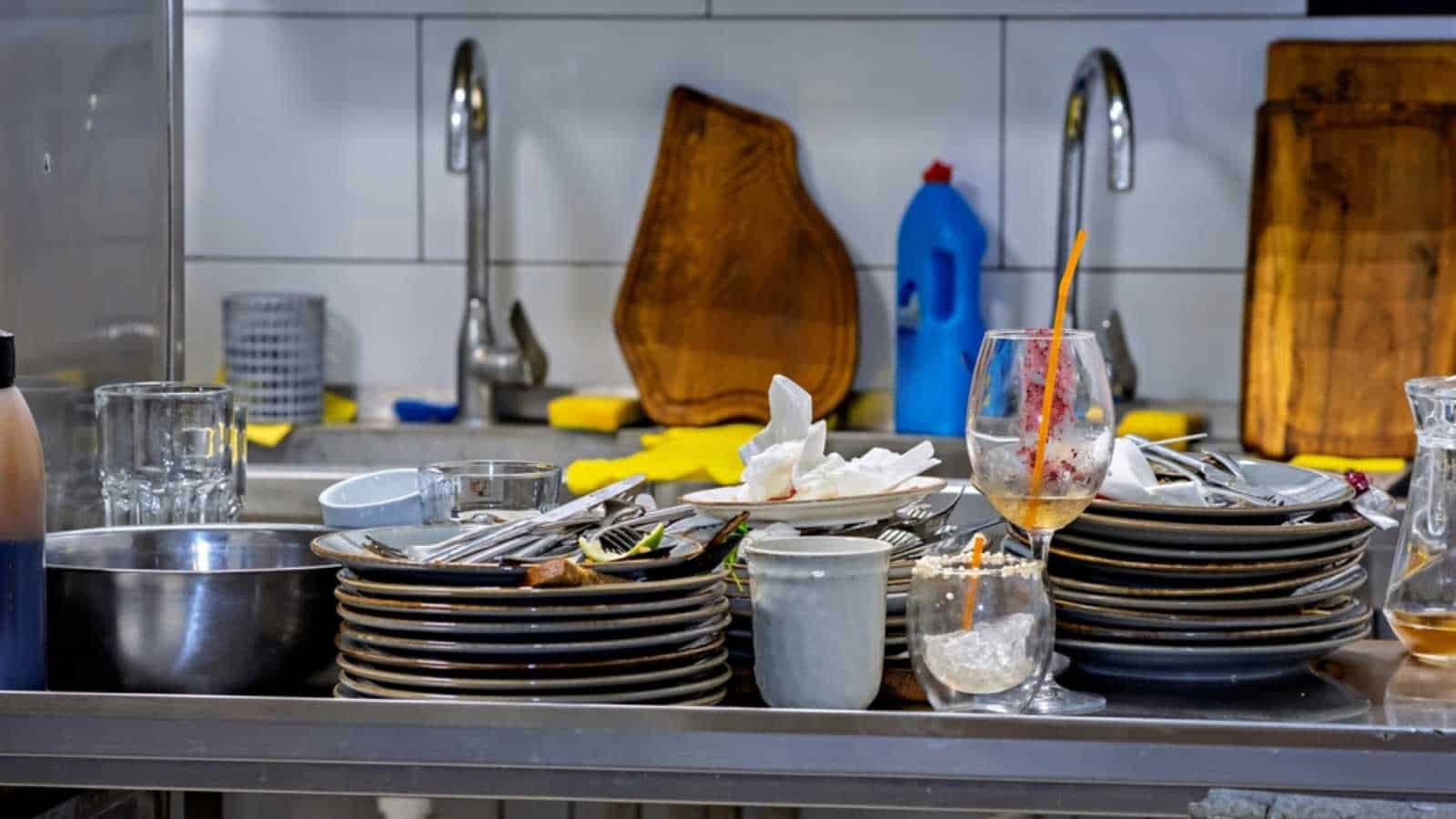
The kitchen counter attracts clutter because it looks useful, flat, and innocent. Then it becomes a home for unopened mail, school papers, snack wrappers, Amazon packaging, vitamins, charging cables, and maybe a banana that has entered its villain era. EPA data shows the United States generated 292.4 million tons of municipal solid waste in 2018, or about 4.9 pounds per person per day, so our daily routines already create plenty of physical overflow.
You do not need a perfect kitchen. You need a counter that can actually function. Try a simple “counter closing shift” every night where you clear dishes, toss trash, and move papers to one inbox. Does that sound too basic? Good, because basic routines usually beat dramatic weekend cleanouts that start with motivation and end with you sitting on the floor reading old receipts.
The overstuffed fridge

The fridge feels organized until you open it and discover three bottles of mustard, a sad container of rice, and lettuce that now has emotional depth. USDA estimates that food waste in the United States accounts for 30% to 40% of the food supply, meaning fridge clutter costs real money and creates real waste. The problem rarely starts with bad intentions. It starts when we shop without checking what we already own.
Rethink your grocery routine with one “eat first” shelf or bin. Put leftovers, opened items, and produce nearing expiration where you can see them. Shop your fridge before you shop the store, because your future self deserves better than buying yogurt while six yogurts glare from the back shelf. A clearer fridge also makes weeknight meals faster, which matters when hunger turns everyone into a courtroom prosecutor.
The laundry chair
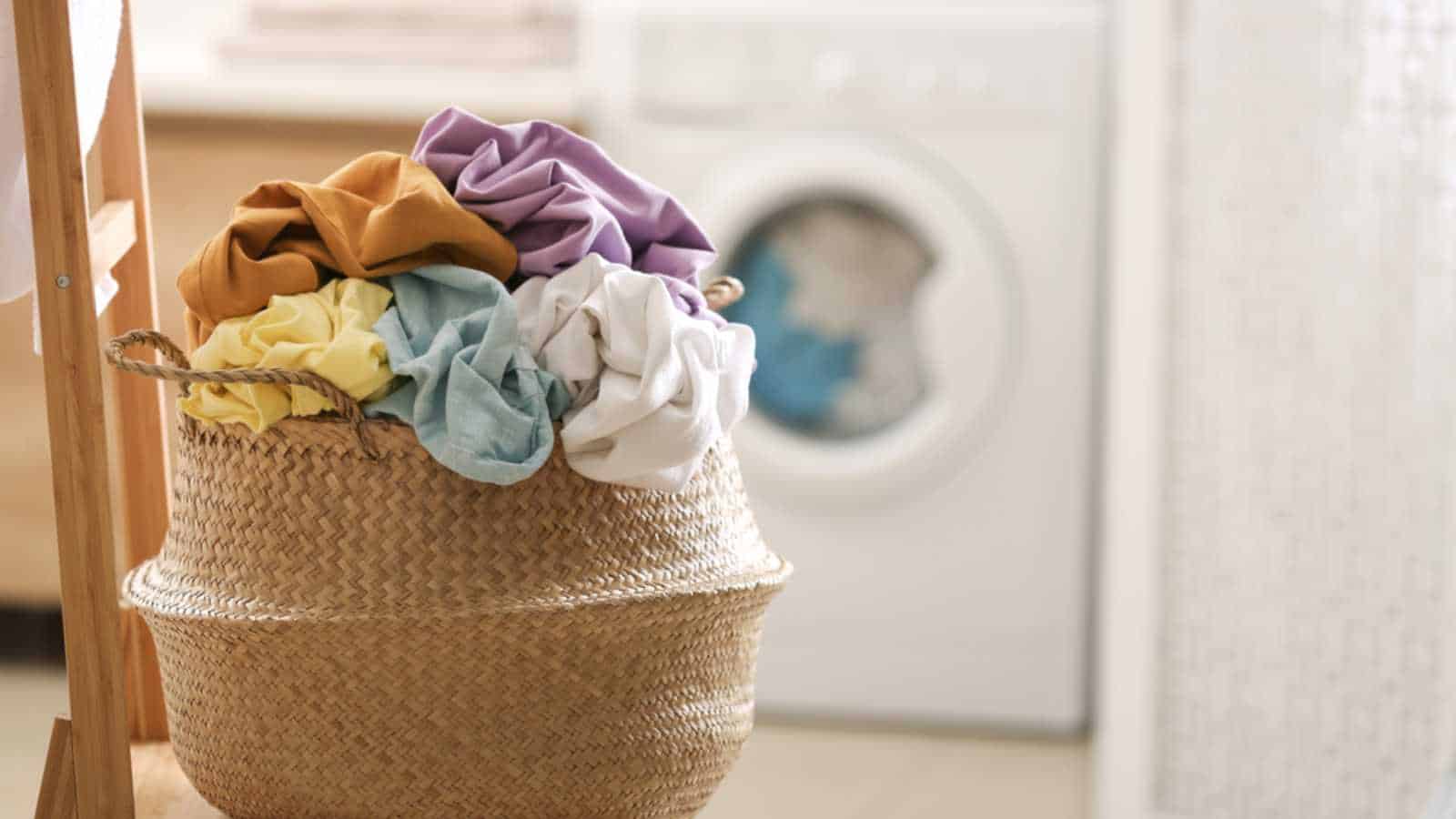
Every home has one chair that has given up on furniture and become a fabric warehouse. You know the one. BLS data show that Americans spent time on interior cleaning and laundry in 2024, with laundry alone averaging 0.17 hours per day across the population. That sounds tiny until you remember laundry does not just involve washing. It involves sorting, drying, folding, ignoring, rewearing, and pretending “clean pile” counts as a system.
Rethink the laundry trap by separating the routine into smaller decisions. Place one hamper where clothes actually land, not where an organizing influencer thinks they should land. Fold clothes near storage, not in a random room where they can begin their second life as décor. The chair deserves retirement, and honestly, it has served with questionable honor.
The bathroom product pileup

Bathroom clutter sneaks in through tiny bottles, backup toothpaste, skincare experiments, razors, hair tools, and hotel lotions from a trip you barely remember. ACI found that Americans dread cleaning hard-to-reach spaces and filthy areas, with bathrooms showing up in the “filthy” category, which people dislike tackling. That makes sense because bathroom clutter mixes mess with moisture, and nobody wants to negotiate with expired face serum before coffee.
Rethink this routine with a “daily shelf” and a “backup bin.” Keep only the products you use every morning or night within reach. Move extras to one small container, then stop buying replacements until that container has space. If a product disappointed you three times, it will not become magical next Tuesday.
The notification storm

Digital clutter counts, and your phone knows exactly how to make itself the main character. Pew Research Center found that 90% of U.S. adults have a smartphone, and Microsoft reported that Microsoft 365 users face interruptions every two minutes from meetings, emails, or notifications. That is not productivity. That is a tiny circus in your pocket.
Rethink your notification routine by turning off alerts that do not require action. Keep calls, calendar reminders, banking alerts, and key family messages. Silence shopping apps, social media nudges, and “someone liked something” updates, because your brain does not need a parade for every tap. Ever wonder why you feel tired after doing “nothing” on your phone? Digital clutter still charges rent.
The inbox storage unit

Your email inbox can become a searchable storage unit. People keep coupons, receipts, work notes, school alerts, newsletters, travel confirmations, and mystery emails from 2018 because deleting feels strangely risky. McKinsey has long estimated that interaction workers spend 28% of the workweek managing email, which explains why inbox clutter feels less like a tool and more like a second job with worse lighting.
Rethink the inbox by making three simple folders or labels: action, receipts, and reference. Everything else should either leave or earn its stay. Unsubscribe from newsletters you never open, because optimism should not fill your inbox every morning. Your email should help you find things, not make you feel like you need a search warrant.
The online return pile

Online shopping creates a new kind of clutter: boxes you mean to break down, labels you mean to print, and returns you mean to drop off before the window closes. U.S. Census Bureau data show that e-commerce sales reached $326.7 billion in the first quarter of 2026, accounting for 16.9% of total retail sales. NRF also reported that retailers expected 15.8% of annual sales to be returned in 2025, with online returns estimated at 19.3%.
Rethink this routine by creating a return station near the door. Keep tape, labels, receipts, and bags in one place. Set one weekly errand slot for returns, because “I’ll do it later” has eaten more refunds than we care to admit. If an item stays in the return pile for weeks, it stops being a purchase and becomes a tiny guilt sculpture.
The social media shopping spiral

Social media makes clutter look curated before it lands on your table as another thing you did not need. Bankrate found that 48% of social media users had made an impulse purchase after seeing a product online, and 68% of those buyers regretted at least one purchase. Bankrate analyst Ted Rossman warned that keeping up with polished posts can “land you in debt,” which feels harsh until your cart starts looking like a cry for help.
Rethink the scroll-to-cart habit with a 24-hour pause. Add the item to a list instead of buying it immediately. If you still want it tomorrow, compare prices, check reviews, and ask where it will live in your home. Funny how a “must-have” gadget loses its sparkle once you imagine dusting around it forever.
The subscription swamp

Subscription clutter hides because it does not sit on a counter. It quietly drains your money through streaming apps, fitness trials, software plans, meal kits, cloud storage, and memberships you forgot about on a very optimistic Monday.
The FTC announced a “click-to-cancel” rule in 2024 after receiving more than 16,000 public comments, but an appeals court later blocked the rule before it took effect. So yes, canceling still sometimes feels like escaping a maze designed by someone who hates free time.
Rethink subscriptions by reviewing bank and credit card statements once a month. Cancel anything you have not used in 30 days unless it saves you clear money or time. Put renewal dates on your calendar, especially for annual plans. Digital clutter may not fill a drawer, but it still creates mental noise every time you wonder where your money went.
The garage of “someday.”

The garage, basement, spare room, or storage closet often becomes the place where decisions go to avoid accountability. YouGov found that 23% of people in the most cluttered households rent self-storage, compared with 8% in less cluttered households.
The U.S. Census Bureau also reported that the self-storage industry showed strong resilience through economic disruption, which says a lot about how much extra stuff Americans keep managing, moving, and paying to store.
Rethink this trap with a simple rule: every stored item needs a purpose, a deadline, or an exit plan. Keep holiday décor, tools you use, family records, and seasonal gear. Question broken furniture, mystery cords, old boxes, duplicate appliances, and “maybe one day” items that have already enjoyed a five-year vacation. Someday clutter sounds sentimental, but it usually just blocks the good parking spot.
Key takeaway
Clutter rarely explodes overnight. It grows through small daily routines: dropping things by the door, overbuying food, ignoring laundry, letting notifications interrupt you, saving every email, and buying things your future self will have to manage. The fix does not require a personality transplant or a perfectly labeled pantry. It requires smaller decisions, repeated often.
Start with one clutter trap this week. Clear the entryway, set a return station, cancel one unused subscription, or give the laundry chair its freedom. Tiny resets create visible wins, and visible wins make the next step easier. Besides, your home already works hard enough without hosting a museum of things you meant to deal with later.
Disclaimer: This list is solely the author’s opinion based on research and publicly available information. It is not intended to be professional advice.
Like our content? Be sure to follow us.