12 hidden strengths of atheists that every Christian secretly needs to master
A stunning trend in social science reveals that secular people possess incredible hidden mental strengths.
Many religious folks assume that a lack of belief in God leads to a lack of direction. But recent trends and statistics tell a completely different story. In fact, the data reveal that atheists often excel in areas where religious individuals struggle, from deep religious knowledge to emotional resilience.
According to extensive polling by the Pew Research Center, 68% of Americans now agree that people don’t need to believe in God to be moral. As sociologist Phil Zuckerman famously noted, secularity is strongly correlated with safe, ethical, and humane societies. This shift marks a major turning point in how society views nonbelievers.
The key message is that secular mindsets hold valuable secrets for navigating the modern, chaotic world. By looking closely at these strengths, Christians can master skills that strengthen their own lives and communities. Believers who study these qualities can transform their daily walk of faith.
Deep religious knowledge and literacy
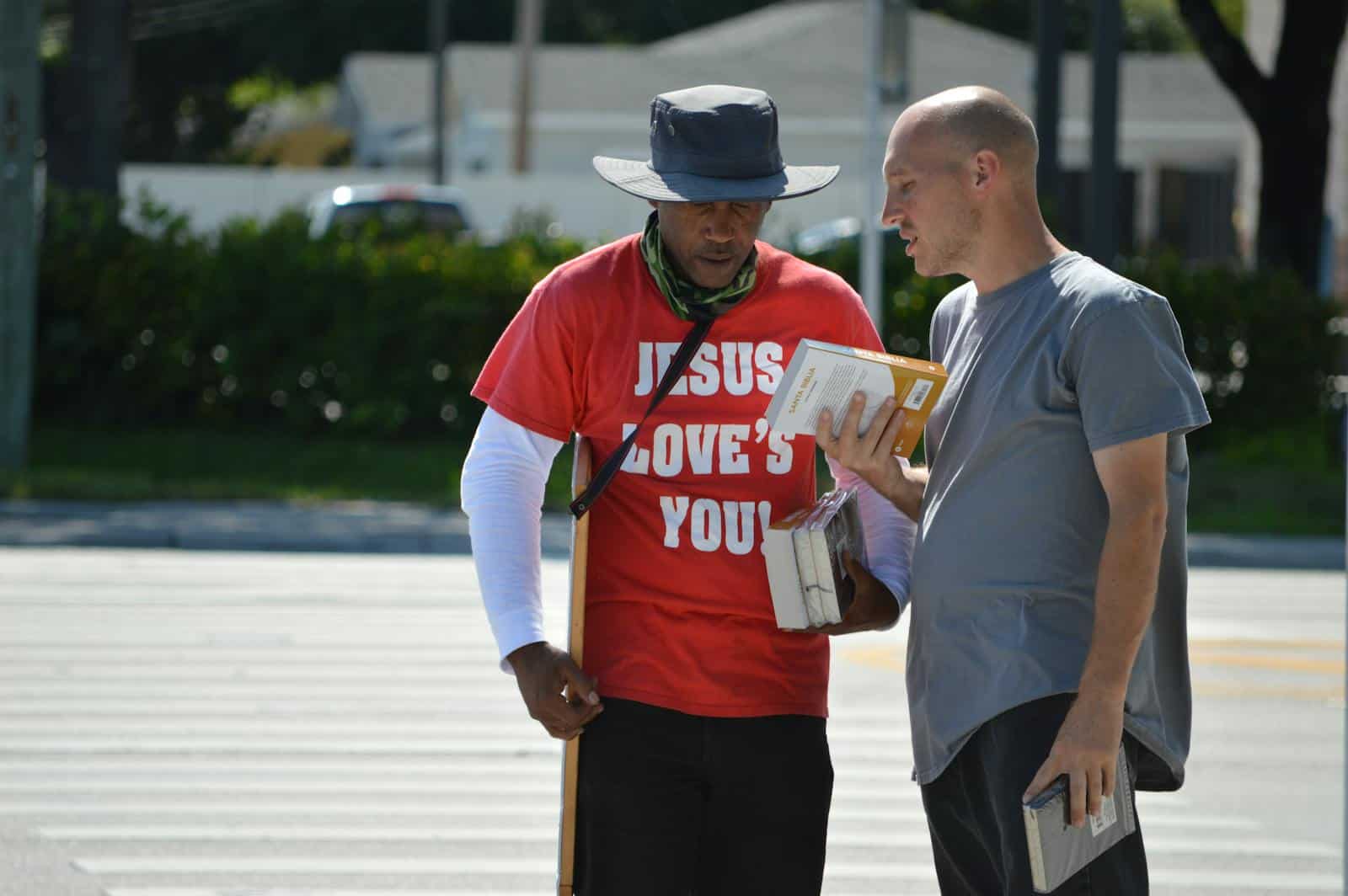
Atheists often know more about religious history and doctrines than actual believers do. According to Pew Research, self-described atheists score among the highest on religious knowledge surveys. Surprisingly, they correctly answer 18 questions, far outperforming the national average of 14.2.
Atheists also perform just as well as Christians on Christian-related questions. Roughly 70% know purgatory, matching Catholics at 71%. Mastering objective factual knowledge helps people understand what they believe.
Strong intellectual humility

Intellectual humility is simply the awareness that one’s beliefs might be wrong. Duke University professor Mark Leary defines this trait as the opposite of intellectual arrogance. Intellectually humble people evaluate evidence better and don’t judge others.
In a hyperpolarized world, this mindset acts like a superpower. By admitting fallibility, believers can engage in healthier, more productive conversations.
Comfort with existential uncertainty

Atheists don’t panic when they don’t have all the answers to life’s biggest questions. While rigid doctrines offer comfort, they can also cause severe psychological distress during transitions. Agnostics and atheists are highly skilled at navigating life without needing absolute certainty.
This comfort with uncertainty keeps the mind open and flexible. Believers who learn to sit with mystery rather than demand instant answers build a more resilient faith.
Empathy-based moral frameworks

Secular morality isn’t based on divine commands or fear of eternal punishment. Instead, it’s driven entirely by compassion and a desire to avoid hurting others.
Pew data show that 83% of nones prioritize avoiding harm to others when making moral decisions. This results in a highly compassionate, humanity-first approach to ethics. When Christians focus first on human suffering rather than rule-following, their love becomes much more genuine.
Sharp reliance on logic and reason

Atheists use logic and rational analysis to navigate moral and practical dilemmas. Pew Research indicates that 82% of religious nones say logic and reason are extremely important when deciding right from wrong. They rely on empirical facts and scientific information to guide their choices.
This keeps decision-making practical and grounded. Adding logical scrutiny to faith prevents people from falling into superstition.
A profound, non-dogmatic sense of wonder

A lack of belief in God doesn’t make the universe any less beautiful or awe-inspiring. In fact, 79% of American atheists report feeling a deep sense of wonder about the universe multiple times a year. Atheists actually feel this deep awe more frequently on a monthly basis than many religious groups.
Phil Zuckerman coined the term ‘aweist‘ to describe this profound, secular connection to reality. Believers can learn to worship the beauty of creation without tying their joy strictly to doctrinal expectations.
High tolerance for ideological differences

Research indicates that secular individuals display incredibly low levels of social prejudice. On average, atheists exhibit less racism, nationalism, and sectarianism than their religious peers. They are also far more accepting of women’s rights and diverse lifestyles.
This open-mindedness allows them to build bridges across deep divides. Adopting this radical tolerance helps religious communities become safe, welcoming spaces.
Separation of ego from personal beliefs

Atheists excel at separating their personal identities from their intellectual views. When a belief is challenged, they don’t view it as a personal attack on their character. This boundary prevents the typical defensive rage that ruins hard conversations.
Mark Leary’s research notes that separating ego from belief dramatically reduces friction and social conflict. If Christians can decouple their self-worth from dogma, they can handle criticism with grace.
Intrinsic motivation for doing good

Atheists do good deeds simply because they want to help, not to score divine points. They believe in ‘life before death‘ and strive to make this world a better place right now. Atheists represent a microscopic 0.07% of the federal prison population in the United States.
This statistical trend demonstrates that secularity correlates strongly with safe, humane living. Moving away from reward-and-punishment thinking makes a person’s compassion truly sincere.
Deep respect for scientific consensus
Atheists don’t see science as an enemy to be feared or avoided. A whopping 79% of atheists believe that science does more good than harm in society. They readily adapt their views when new scientific evidence emerges.
This active trust in science leads to practical coping during crises. Embracing scientific facts alongside spiritual faith helps believers tackle real-world crises effectively.
Civic engagement driven by secular duty

Despite not belonging to churches, atheists participate in civic life at incredibly high rates. Data shows that their voting and volunteering rates rival or exceed those of religiously affiliated adults. They serve their communities out of a pure sense of shared human responsibility.
This refutes the old myth that secular people are selfish or isolated. Believers can learn to serve their neighborhoods without expecting church growth in return.
Direct, proactive crisis management

When tragedy strikes, secular individuals focus entirely on tangible, practical solutions. They don’t passively wait for a divine plan or a miracle to resolve their struggles. Instead, they take immediate preventive actions and logical steps to handle health or financial issues.
This proactive approach builds incredible psychological resilience. Combining prayers with swift, practical action is the ultimate recipe for overcoming any crisis.
Key takeaway

Atheists possess hidden mental and emotional strengths that foster deep resilience and ethical consistency. By mastering factual religious literacy, intellectual humility, and empathy-based decision-making, Christians can navigate modern challenges with greater ease.
Ultimately, learning from these secular superpowers doesn’t weaken faith; it makes it more compassionate, logical, and resilient.
Disclaimer – This list is solely the author’s opinion based on research and publicly available information. It is not intended to be professional advice.
Like our content? Be sure to follow us