12 ways not having a bank account can cost Americans more money
A paycheck should feel like money arriving, not money leaking. But for millions of Americans without a bank account, getting paid can trigger a chain of fees before rent, groceries, or a gas tank even come up. You pay to cash the check. You pay for the money order. You pay extra to move cash through a system built for cards, apps, and direct deposit.
The FDIC reported that 4.2% of U.S. households, about 5.6 million households, were unbanked in 2023, while 14.2%, about 19 million households, were underbanked. FDIC Chairman Martin J. Gruenberg summed up the stakes clearly: “Access to safe, affordable bank accounts is fundamental for consumers to be able to participate in and benefit from our nation’s economy.”
That is why this problem feels urgent. The Federal Reserve reported that 6% of U.S. adults were unbanked in 2024, but the burden fell hardest on people with the least room to spare: 22% of adults earning under $25,000 were unbanked, compared with just 1% of adults earning $100,000 or more.
So the people closest to the financial edge often face the costliest ways to cash, pay, save, and borrow. That is the quiet trap. Without a bank account, every dollar can start working overtime just to stay whole.
Paying a “Tax” Just to Cash Your Paycheck
The first cost is painfully direct: without a checking account, many workers pay just to turn their paycheck into usable money. That can mean a check-cashing counter, a grocery store service desk, or another nonbank option that takes a fee before the paycheck ever reaches the kitchen table.
The Federal Reserve found that 13% of adults used nonbank check cashing or money orders in 2024, but unbanked adults were far more likely to do so: 32% of unbanked adults used a nonbank money order or check-cashing service, compared with 11% of banked adults.
That gap matters because free direct deposit is invisible savings for many banked workers. The unbanked worker may earn the same wage, work the same shift, and still lose money on payday before buying groceries, filling the gas tank, or paying rent.
Getting Trapped in High-Cost Payday and Pawn Loans
A broken car, a short paycheck, or a medical bill can become much more expensive without access to mainstream credit. Payday loans, pawn loans, auto-title loans, and similar products often fill the gap, but they can price desperation like a luxury item.
The CFPB says many state laws allow payday loan fees ranging from $10 to $30 for every $100 borrowed, and it gives one brutal example: “A typical two-week payday loan with a $15 per $100 fee equates to an annual percentage rate (APR) of almost 400 percent.”
That is not a small fee hiding in the corner. It is a trapdoor under a household already under pressure. A bank account does not solve every emergency, but it can help build a relationship with safer tools, lower-cost credit, and a clearer payment history. Without that path, the fastest money in town can become the most expensive money a person ever touches.
Bleeding Money on Prepaid Cards and “Workaround” Tools
Prepaid cards, payment apps, and payroll cards can help people function without a bank account, but they can also become a patchwork system with little fees stitched into every seam.
The FDIC found that two-thirds of unbanked households relied entirely on cash in 2023, while one-third used some mix of prepaid cards or nonbank online payment services such as PayPal, Venmo, or Cash App. In a separate FDIC research brief based on 2021 data, about 32.9% of unbanked households used prepaid cards, and 18.2% used nonbank payment apps.
Many used those tools for core tasks: 74% used at least one to pay bills, 59% used one to receive income, and 39% used one to build savings or keep money safe. That sounds useful, and sometimes it is. The catch is that these tools may not provide the full protection, credit-building doorway, or low-cost structure of a federally insured bank or credit union account.
Paying More to Handle Routine Bills and Rent
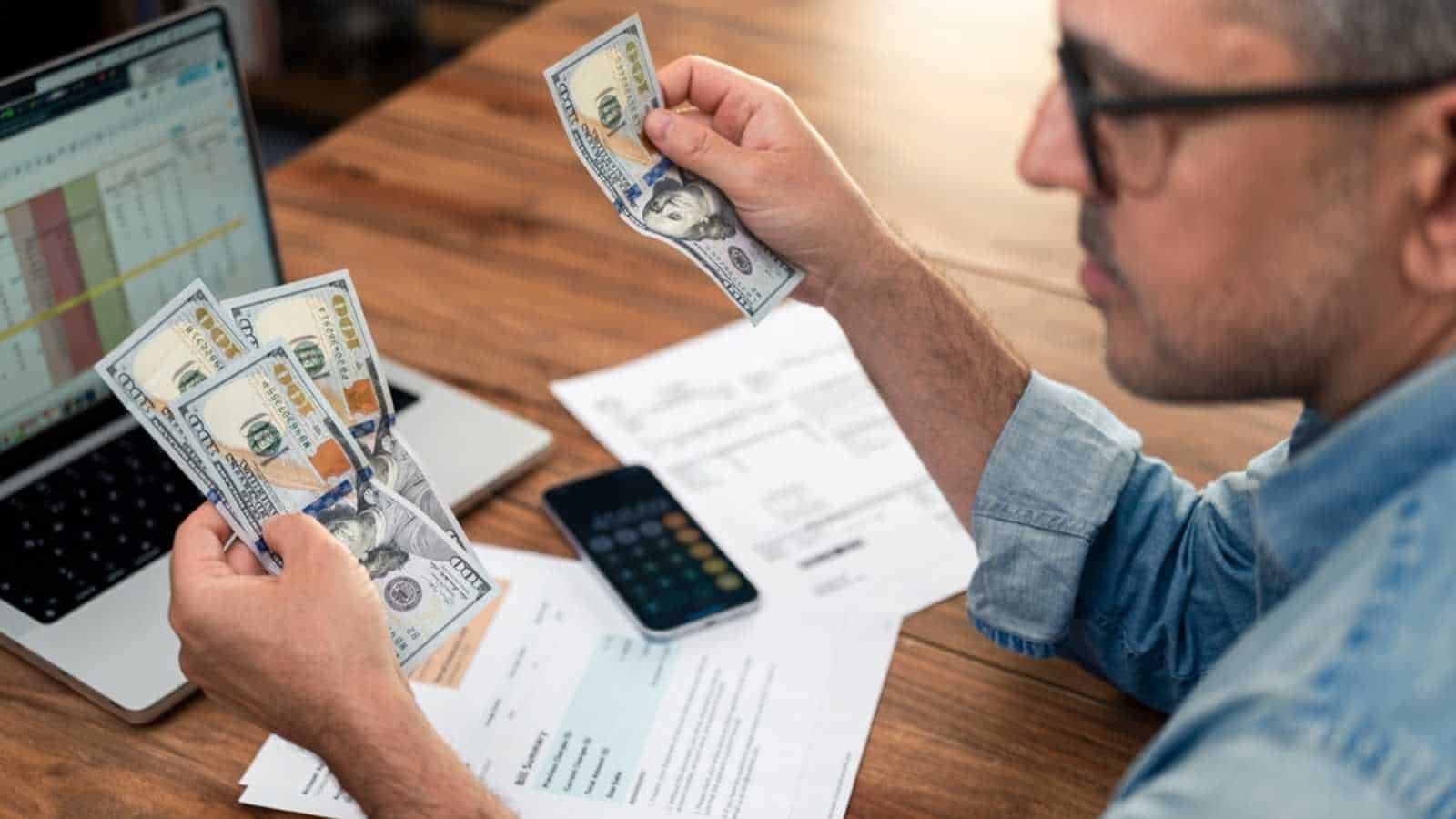
Paying bills without a bank account can turn into a monthly scavenger hunt. Rent, utilities, phone bills, insurance, court fees, and subscriptions often accept electronic payments, cards, checks, or automatic transfers.
Cash-paying households may need money orders, bill-pay counters, retail payment kiosks, or in-person trips that carry fees, bus fare, gas, lost time, and sometimes childcare costs. The Kansas City Fed reported that cash bill pay can help consumers who prefer cash or lack transaction accounts, but it comes with customer fees, travel costs, and limits.
It is estimated that an everyday cash bill pay transaction could cost $5.10, including a $2 fee and a round-trip bus fare. That may sound small until it repeats across rent, electricity, water, phone, and childcare. A banked household clicks a button. A cash-only household may spend half a morning and several dollars just to prove the bill got paid.
Missing Out on Free or Cheap Digital Payments
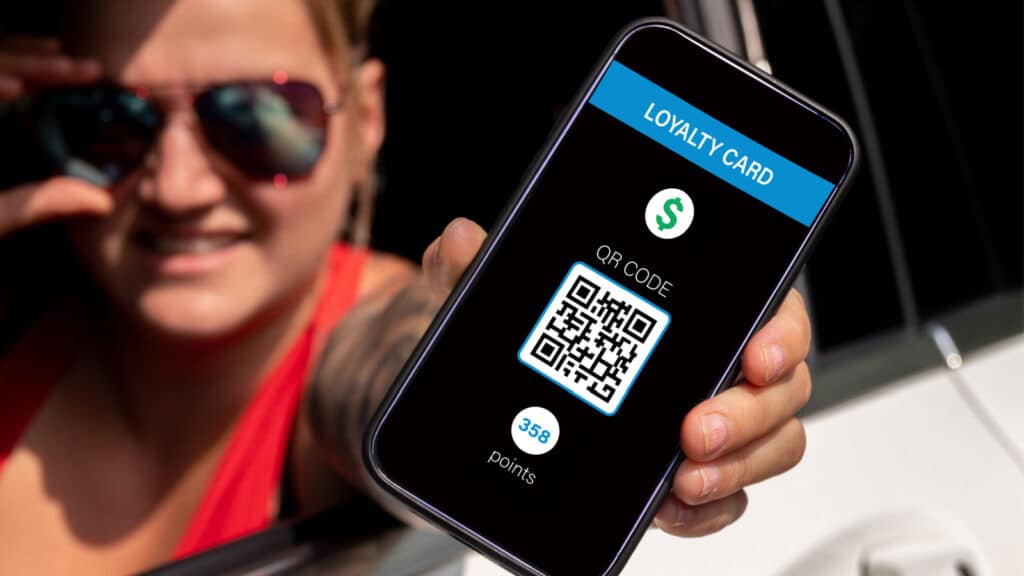
The economy keeps moving toward digital payment rails, and people without bank accounts can get stuck at the edge of that system. Banked consumers often use debit cards, ACH transfers, mobile banking, online bill pay, automatic savings, and peer-to-peer transfers tied to accounts.
The FDIC found that nearly half of banked households (48.3%) used mobile banking as their primary way to access accounts in 2023, and that this method rose almost 9-fold over the past decade. That is a huge shift in how money moves.
The Kansas City Fed also noted that payment inclusion often means access to digital payments, since the U.S. system has pushed consumers toward transaction accounts, automated clearinghouse transfers, and card payments.
Without that access, a person may pay more, wait longer, or depend on cash bridges that still charge fees. The cost is not just money. It is delay, friction, and fewer choices.
Keeping Cash at Home and Losing It

Cash feels simple because you can see it, count it, and separate it into envelopes. For some households, that control matters. But cash at home also carries a risk that banked households often forget: if it disappears, burns, floods, gets stolen, or gets lost in a move, there is no account statement to rescue it.
The FDIC’s 2024 research on cash-only unbanked households found that most unbanked households in the United States are cash only, meaning they use neither prepaid cards nor nonbank payment apps. In 2021, 59.3% of unbanked households were in that cash-only group, about 3.5 million households.
The FDIC warned that these households rely mostly on in-person cash transactions and face the risk of theft or loss in day-to-day finances. A bank account is not glamorous, but federal deposit insurance and a transaction record can turn a drawer full of vulnerable cash into money with a safety net.
Struggling to Build Savings and a Safety Net
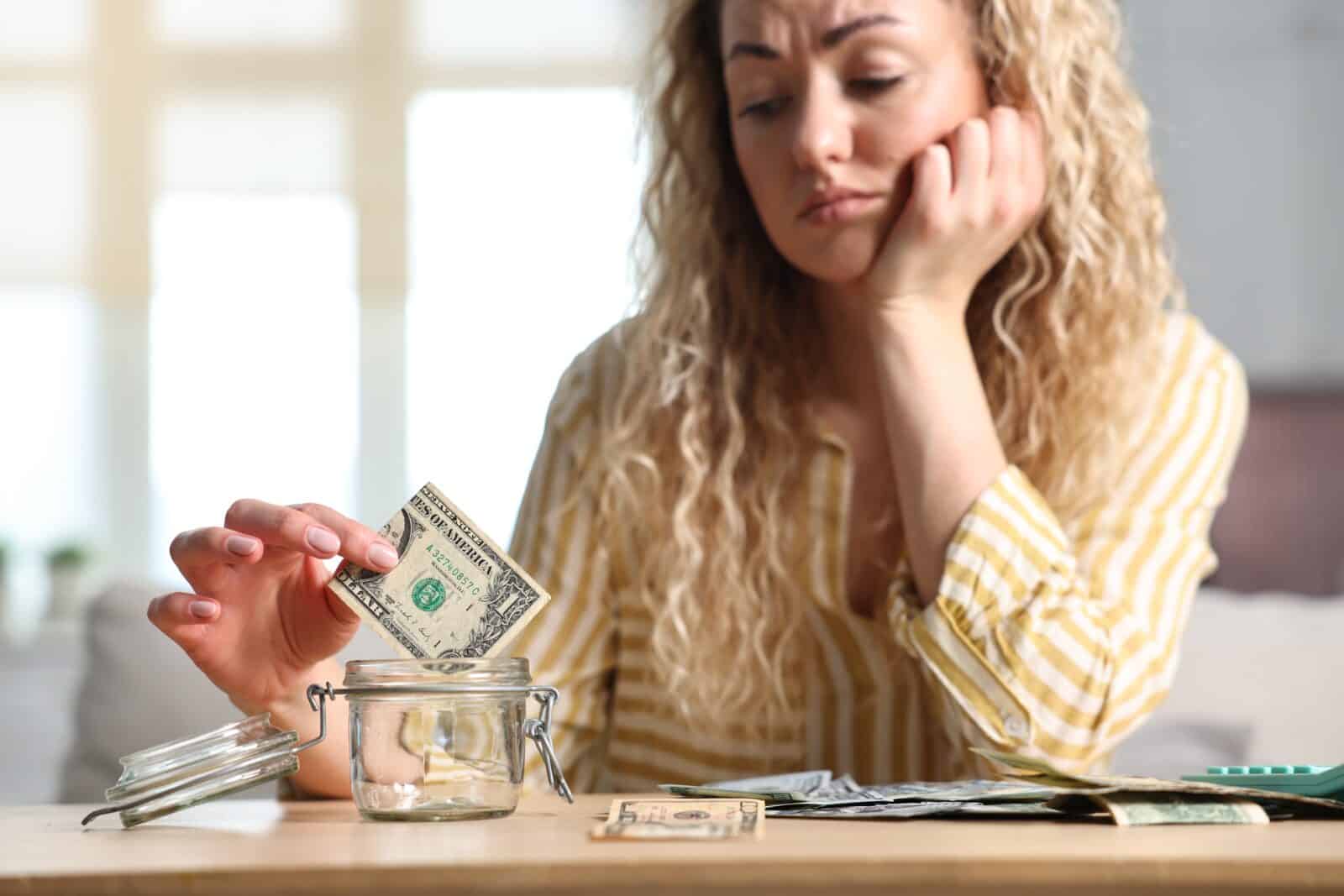
Saving gets harder when every dollar lives in the same place as spending money. Cash in a wallet or kitchen drawer is easy to grab for food, gas, school supplies, or a cousin’s emergency.
A savings account creates a small wall between “today’s money” and “please don’t touch this unless the car dies.” That wall matters because the Federal Reserve reported that unbanked rates remain highest among people with low income, with 22% of adults earning under $25,000 unbanked in 2024.
The FDIC also found that the most common reason unbanked households gave for not having an account was not having enough money to meet minimum balance requirements. That creates a cruel loop: people may stay unbanked because they lack a cushion, and staying unbanked makes it harder to build one.
Even a small emergency fund needs a safe place to grow without being eaten by daily chaos.
Staying “Credit Invisible” and Paying More to Borrow

Not having a bank account does not automatically mean no credit, but the two problems often go hand in hand. The FDIC reported that 76.4% of all U.S. households had a credit card in 2023, but about 15.7% had no access to mainstream credit, meaning they likely did not have a score with the nationwide credit reporting agencies.
That can make borrowing harder when life demands it. The unbanked household may also have less of the paper trail lenders like to see: regular deposits, bill payments, balances, and long-term account history. That can lead to denial, higher rates, larger deposits, or pressure to use payday lenders, pawn shops, or other costly substitutes.
A thin credit file can cost money for a car loan, an apartment application, an emergency loan, or even a basic utility setup. No record can sometimes feel almost as expensive as a bad record.
Facing Extra Barriers to Jobs and Housing
A bank account can make work and housing smoother in ways people rarely notice until they lack one. Employers often prefer direct deposit. Landlords may prefer online rent portals, checks, or electronic transfers.
Property managers may want records that cash does not easily provide. The Federal Reserve’s data shows why this matters most for households already under strain: 22% of adults earning under $25,000 were unbanked in 2024, compared with 1% of those earning $100,000 or more.
That means the people most likely to need flexible jobs, low-cost rent, and smooth payment records often face the most friction. The FDIC also found that lower-income, less-educated, Black, Hispanic, disabled, and single-parent households were more likely to be unbanked.
A missing account can turn payroll, deposit slips, rent receipts, and application paperwork into one more barrier at the exact moment people need fewer barriers, not more.
Being More Exposed to Fraud, Theft, and “Shadow” Fees
The unbanked often move money through channels that can leave fewer records and weaker protections. That may mean cash passed through relatives, money sent through intermediaries, bills paid in person, reloadable cards, nonbank apps, or paper receipts that can vanish in a drawer.
The FDIC’s cash-only research found that cash-only unbanked households rely on in-person cash transactions and are at risk of theft or loss while handling daily finances. The Kansas City Fed also warned that cash-preferred consumers can face risks in digital tools, including fraud and transaction errors, especially when apps or payment systems feel complex.
Then come the shadow fees: a small countercharge here, a reload fee there, a transportation cost, a lost receipt, a late fee after a payment posts slowly. These costs rarely appear as a single, dramatic bill. They arrive like mosquitoes, small and constant, until the bite marks are everywhere.
Missing Out on Interest, Perks, and Banking “Freebies.”

Some people avoid banks because they fear fees, and that fear is not foolish. Overdraft and surprise charges have burned many households. But the account market has changed enough that staying outside it can also cost money.
The Kansas City Fed reported that Bank On-certified accounts set opening deposits as high as $25, charge monthly fees of $5 or less, or a $10 fee that can be waived with one qualifying transaction, and do not charge overdraft or NSF fees. The same Kansas City Fed brief noted that financial institutions offering Bank On-certified accounts grew from two in 2015 to 403 in 2023, with access at more than 45,200 branches.
The article puts the value plainly: “The absence of these fees may make Bank On accounts safer and less costly for unbanked households.” For someone paying money orders, check-cashing fees, and bill-pay charges, a safe, low-cost account may stop several leaks at once.
Getting Stuck in a Costly Cycle of Financial Exclusion

The highest cost of being unbanked is not one fee. It is the cycle. No account can mean higher cash check costs, weaker access to digital payments, fewer savings tools, a thinner credit history, greater reliance on expensive loans, and increased risk of cash loss.
The FDIC reported that the unbanked rate has fallen from its high of 8.2% in 2011 to 4.2% in 2023, which is real progress, but 5.6 million households still lack a bank or credit union account. Another 19 million were underbanked, meaning they had an account but still relied on nonbank products and services. That is the warning flare.
Financial exclusion is not just an inconvenience. It can keep charging a person again and again for being outside the system, like paying cover at the door of an economy that everyone else walks into for free.
A Short Reflective Close

The cost of being unbanked is often quiet. It hides inside a check-cashing fee, a money order, a late bus ride to pay a bill, a payday loan, a lost receipt, or cash that never comes back after theft.
The FDIC’s 2023 data shows the country has made progress, with nearly 96% of U.S. households banked, but millions are still paying extra for money tasks that many people complete with a tap.
This is not about blaming people for lacking an account. It is about seeing the leak before it drains the bucket. For households living close to the edge, every fee matters. Every saved dollar matters too.
Key Takeaways
- The FDIC reported that 5.6 million U.S. households were unbanked in 2023, while 19 million were underbanked.
- Unbanked adults face higher costs for basics like check cashing and money orders, with the Federal Reserve finding that 32% used a nonbank money order or check-cashing service in 2024.
- Payday loans can turn small emergencies into expensive debt, since the CFPB says a typical two-week payday loan with a $15 fee per $100 borrowed equals an APR of almost 400%.
- Cash bill pay can help people without accounts, but the Kansas City Fed estimated that one everyday cash bill payment could cost $5.10, including fees and bus fare.
- Low-cost options exist, including Bank On-certified accounts with low opening deposits, low monthly fees, and no overdraft or NSF fees.
Disclaimer – This list is solely the author’s opinion based on research and publicly available information. It is not intended to be professional advice.
Like our content? Be sure to follow us