12 things that prove Black racism and Asian racism are different
The comparison feels like a competition, and competitions imply a loser, and nobody wants to be the person who argues that one group’s pain ranks below another’s.
Black and Asian Americans have both been targets of racism in the United States, often simultaneously, sometimes by the same institutions. But the mechanisms are different, the histories are different, the stereotypes run in opposite directions, and the remedies that would actually work look nothing alike.
The sociologist Robert Blauner argued in Racial Oppression in America (1972) that not all racial groups enter American society through the same door, and that the door you enter through shapes everything that follows: your relationship to institutions, your proximity to power, and the specific variety of contempt the dominant culture assigns to you.
Black Americans entered through slavery. Many Asian Americans entered through exclusion laws, indentured labor contracts, and, later, a points-based immigration system that selectively imported professionals. Different doors. Different rooms. Different kinds of locks.
The stereotypes are polar opposites
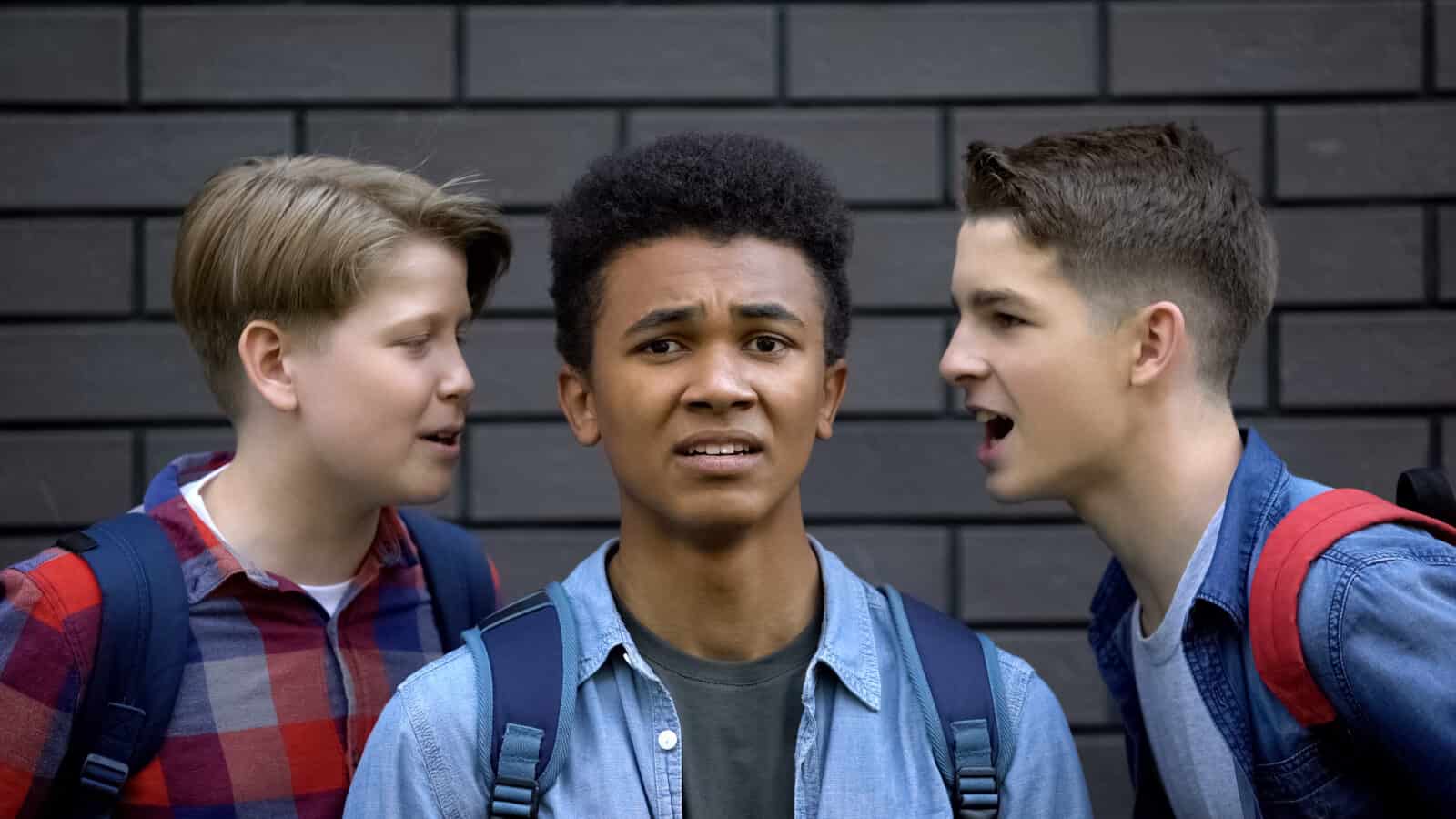
Black people are feared. Asian people are envied. Both groups are reduced to a single attribute that society then uses to justify how it treats them. The difference is in how the reduction is deployed.
Black men in the United States are 2.5 times more likely to be killed by police than white men (Edwards, Lee & Esposito, 2019). The stereotypes that drive that disparity – criminality, aggression, danger – are not abstract. They show up in who gets stopped, who gets shot, and who gets acquitted.
The model minority myth frames Asians as intelligent, docile, and economically productive, which sounds like a compliment until you realize it also strips them of individuality and is used to pit them against other minority groups.
A 2019 report by AAPI Data found that 40% of Vietnamese Americans and 37% of Hmong Americans live near or below the poverty line, numbers that the model minority myth actively erases by collapsing all Asian-Americans into a monolith. The stereotype doesn’t describe reality; it curates a version of it that serves the dominant group’s interests, which is to say: if Asians can make it, Black people have no excuse.
Anti-Black and anti-Asian slurs carry different social weights
There is no equivalent for Asian Americans in pop culture. The N-word, despite its violent history, has been reclaimed, debated, analyzed, and assigned rules of use that are understood across demographics in the United States. Academics write about it. Trials reference it. Dave Chappelle built entire specials around the weight of it. Slurs targeting Asian people – chink, gook, FOB – exist in a cultural blind spot: offensive enough to cause harm, invisible enough to escape the same level of public reckoning.
A survey by the Pew Research Center found that 58% of Asian Americans said they had experienced discrimination in the prior year, yet anti-Asian hate crimes remain chronically underreported because many victims fear they won’t be taken seriously, or lack access to language services when filing reports. The slurs aimed at Black Americans are embedded in legal precedent, literature, and civil rights law to a degree that forces institutions to reckon with them.
Language directed at Black people has been forced into public consciousness through decades of activism, court cases, and cultural production, creating accountability structures. Language directed at Asian people largely has not, which is why someone can say ching chong in a school hallway in 2024 and have the administration treat it as a misunderstanding.
Anti-Black racism is structural. Anti-Asian racism is mostly interpersonal

Structural racism is embedded in institutions: zoning laws, sentencing guidelines, school funding formulas, and housing appraisal practices. Interpersonal racism is what happens between individuals: the slur in traffic, the mock accent at a party, the assumption that an Asian colleague is better at math.
Black Americans experience both, but the structural dimension is what makes the compounding so severe. Redlining, a federally sanctioned practice of denying mortgage loans and insurance in Black neighborhoods, helped produce a racial wealth gap that persists to this day.
McKinsey & Company estimated that the racial wealth gap between Black and white families costs the U.S. economy between $1 trillion and $1.5 trillion annually. Asian Americans face structural racism too. Japanese internment being the most dramatic American example, and educational discrimination at elite universities being a more recent one. But the scale of institutional architecture built specifically to extract wealth from and contain Black communities has no parallel in Asian-American history in the United States.
Hollywood casts them differently

The history of Black representation in American film could fill a library, and much of it traces a direct line from 19th-century minstrelsy to the magical Negro trope. The history of Asian representation is shorter, quieter, and saturated with a different kind of erasure. Black actors were cast as buffoons, criminals, or saviors of white protagonists. Asian actors were cast as villains with exotic accents, martial arts experts without backstories, or not cast at all.
By 2021, Asians made up 5.9% of the U.S. population but only 3.4% of speaking roles in Hollywood films, according to USC Annenberg’s Inclusion Initiative. For Black actors, the gap between population share and representation has narrowed over two decades, partly due to deliberate industry pushback following campaigns like # OscarsSoWhite.
No equivalent campaign gained comparable traction for Asian representation. The reasons are complicated: Asian Americans constitute a smaller share of the U.S. population and are geographically concentrated in ways that affect their cultural lobbying power. But there is also the reality that Black suffering has been more legible to American audiences, having been woven into national identity through slavery, civil rights, and decades of popular music.
COVID-19 sharpened anti-Asian hate
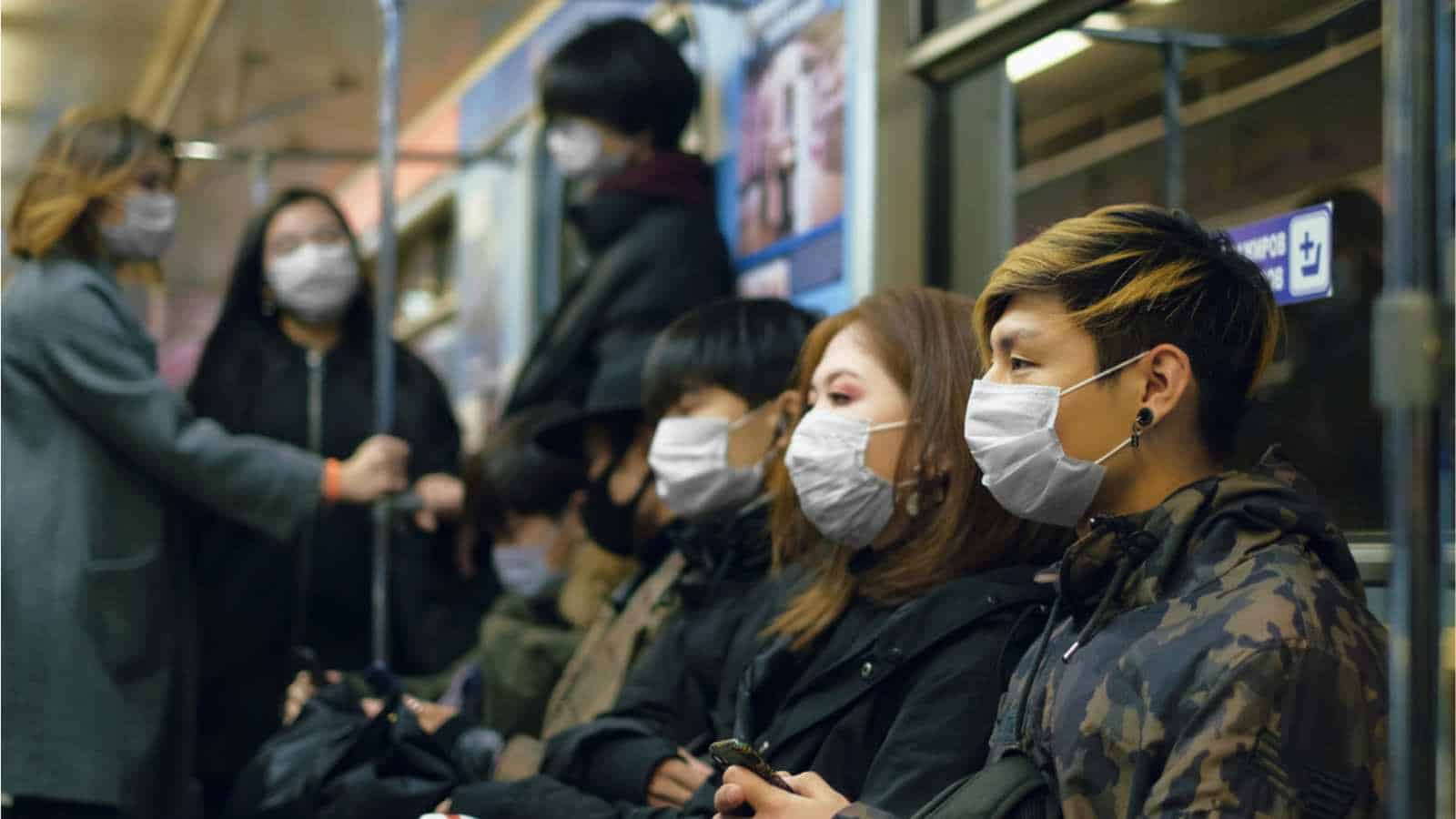
The beating of elderly Asian men and women on street corners in New York and San Francisco during the early pandemic years was shocking in its visibility, but anti-Asian violence in the U.S. has a history that stretches back to the Chinese Exclusion Act of 1882; the only federal law in American history to ban a specific nationality from immigrating. The pandemic gave dormant xenophobia a fresh script.
Hate speech on social media preceded physical attacks by days, suggesting the causal pathway was not incidental. What COVID exposed was that Asian Americans existed in a conditional citizenship; tolerated, even celebrated for economic productivity, but subject to sudden reattribution as foreigners when a national crisis needed a face. Black Americans know that conditional belonging intimately; the specific trigger was new, but the mechanism was not.
The 84-year-old Thai grandfather, Vicha Ratanapakdee, shoved to the ground and killed in San Francisco in January 2021, became a symbol. So did the eight people killed at Atlanta-area spas in March 2021, six of them Asian women.
The model minority myth makes Asian suffering harder to name
Calling the model minority myth a compliment is a category error. It is a political instrument. Introduced broadly into American discourse in the mid-1960s through a pair of sociological articles written by William Petersen (1966, New York Times Magazine) and then amplified by Newsweek that same year, the concept arrived precisely as the civil rights movement was at its peak. The message was unmistakable: look at what some minorities can achieve without protest.
The myth harms Asian Americans in at least three documented ways. First, it suppresses help-seeking. Second, it masks intragroup poverty. Third, it insulates discrimination from scrutiny.
The myth also functions as a wedge. Ronald Takaki, the historian whose 1989 work Strangers from a Different Shore remains one of the foundational texts on Asian-American history, argued that the model minority narrative was specifically deployed to divide communities of color by suggesting that racism was not the barrier to success – culture was. The damage from that argument continues to affect coalition politics between Black and Asian communities.
Anti-Blackness exists inside Asian communities, too
In multiple Asian-majority countries, colorism rooted in anti-Black sentiment operates openly and commercially. South Korea’s skin-whitening industry, valued at over $2.5 billion in 2023, markets products with names and taglines that explicitly equate lighter skin with success, beauty, and social worth. Japan’s long history of exclusionary nationalism toward people of African descent has been documented by scholars, including John Russell, whose work on Nihonjinron ideology traces how Blackness is coded as primitive in Japanese popular media.
Within Asian-American communities in the United States, anti-Black bias has surfaced in property disputes, tensions between Korean shop owners and Black customers during the 1992 Los Angeles riots, and in social media discourse following both the George Floyd protests and Stop AAPI Hate.
None of this means Asian Americans are uniquely culpable for racism; anti-Black bias is a global inheritance that no community has fully reckoned with. But pretending it doesn’t exist inside Asian communities because both groups face discrimination produces a dishonest politics that ultimately benefits neither. The 1992 Los Angeles riots remain a case study in how white supremacy managed to make two communities of color absorb its consequences in each other’s direction.
Colorism runs through both groups, but the gradients point differently
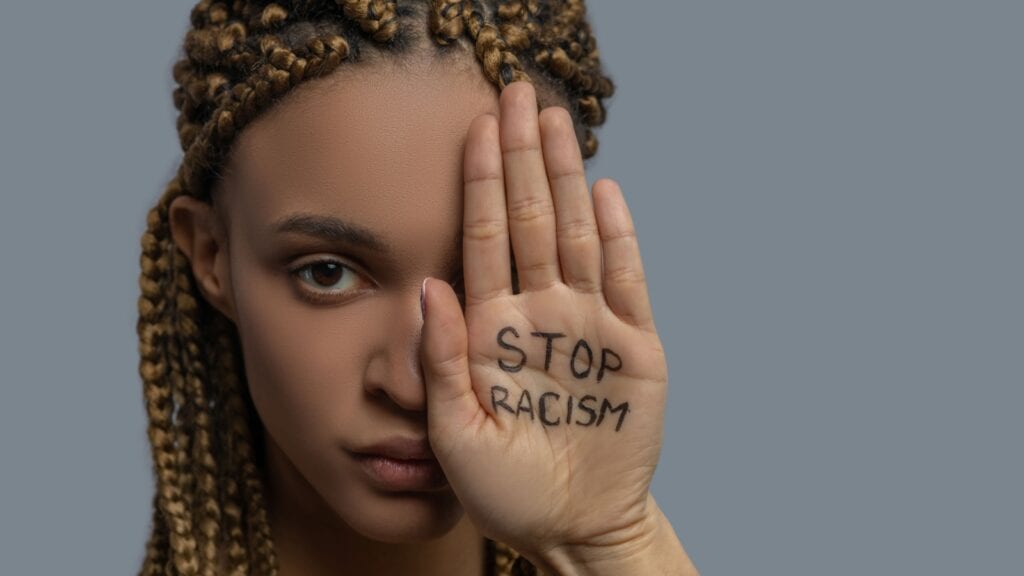
Within Black communities, colorism has a painful and well-documented history: lighter-skinned Black people were historically afforded more access to education, domestic work rather than field labor under enslavement, and social mobility in subsequent decades.
Kimberlé Crenshaw’s framework of intersectionality and the earlier sociological work of Edward Reuter in The Mulatto in the United States (1918) both capture how shade became a proxy for proximity to whiteness and the resources that came with it.
Inside Asian communities, darker skin signals outdoor labor, rural origin, and lower class – not racial proximity to a persecuted group. The preference for fair skin across South Asia, East Asia, and Southeast Asia predates Western colonialism in many cases, though colonialism intensified and commercialized it. In India, matrimonial advertisements requesting a fair bride remained common well into the 2010s.
Both forms of colorism cause documented psychological harm. But they point inward differently. Black colorism is largely about how proximity to whiteness was used to fragment a community under external pressure. Asian colorism is largely about class signaling within communities, though it has adopted racial dimensions through globalization.
State surveillance targets both groups, but for different reasons
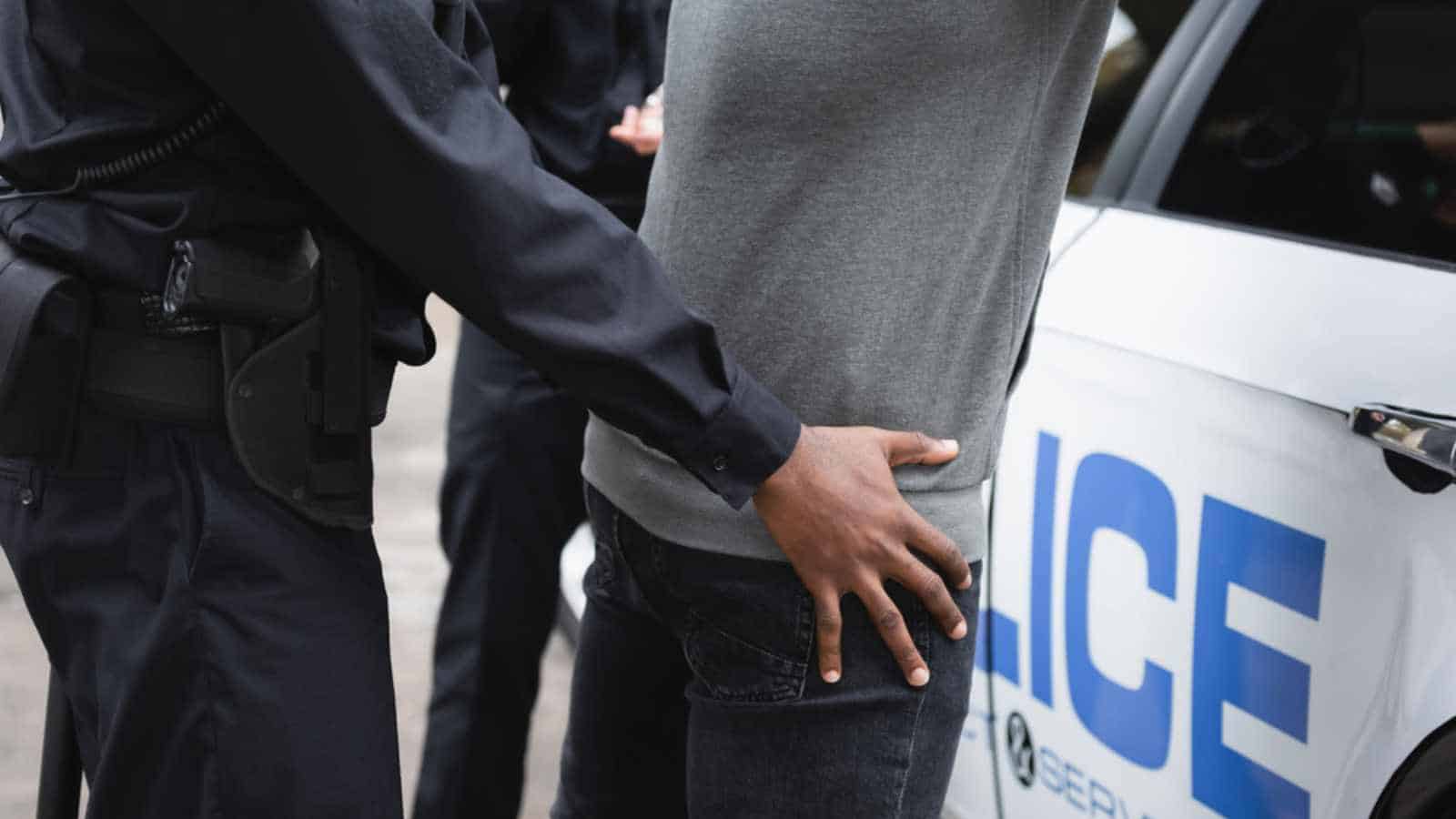
Black men have been the explicit target of American policing since before the word policing fully existed in its modern form. Slave patrols, the first organized law enforcement bodies in the American South, had the singular function of controlling Black bodies and returning enslaved people to captivity.
The lineage from that institution to stop-and-frisk, mass incarceration, and the school-to-prison pipeline is not metaphorical. Historians, including Michelle Alexander (The New Jim Crow, 2010) and Bryan Stevenson (Just Mercy, 2014), have mapped it in granular detail. Black men represent 13% of the U.S. population and nearly 38% of the prison population.
The internment of 120,000 Japanese Americans during World War II was motivated by wartime xenophobia and racial distrust, not by a long-term apparatus designed to extract labor or contain population growth. Post-9/11 surveillance expanded to South Asian, Arab, and Muslim communities through programs like the NYPD’s Demographics Unit, which mapped Muslim communities across New York without any predicate of criminal activity.
Black and Asian solidarity has been fractured by design and by history
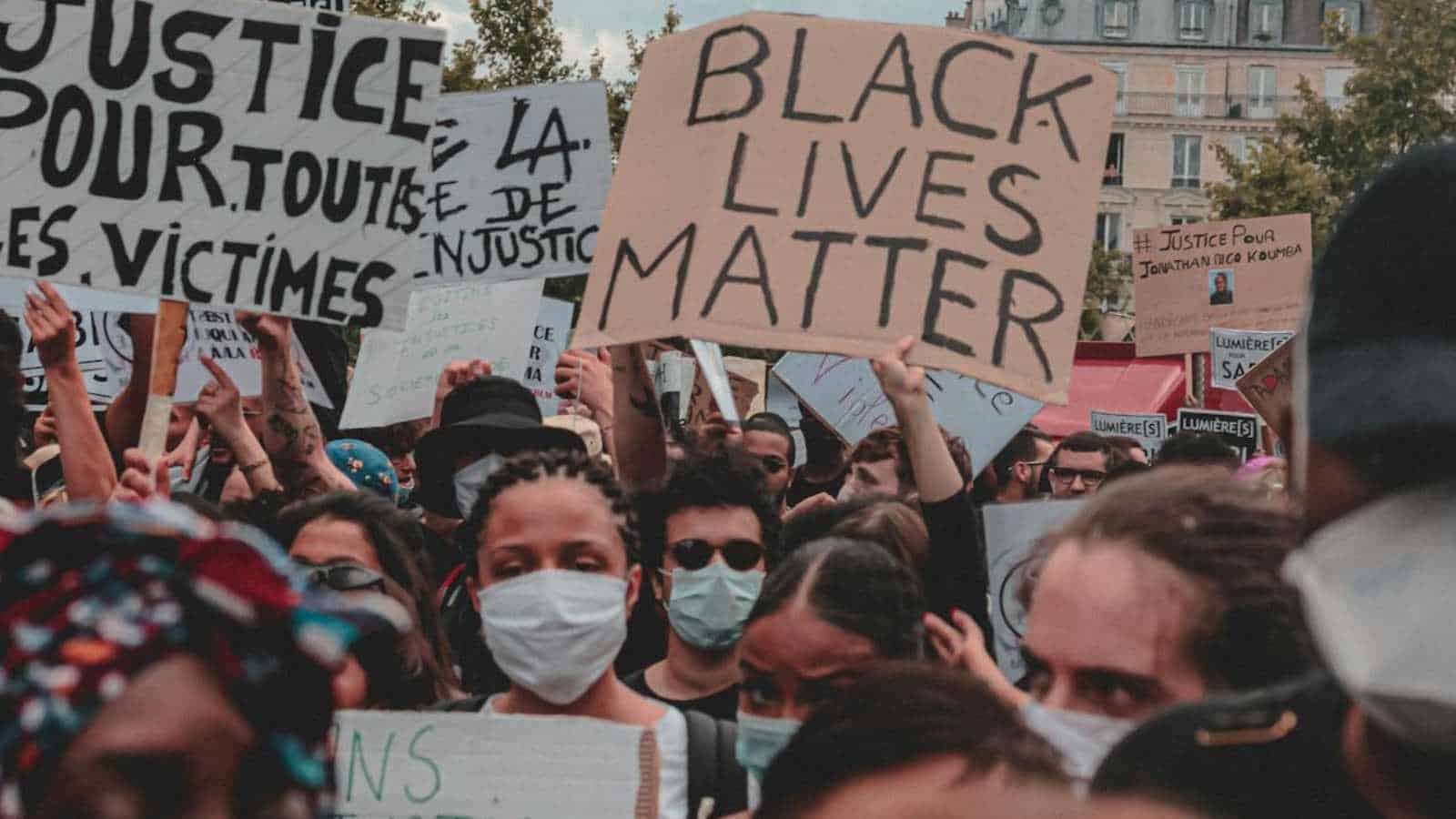
Yuri Kochiyama, a Japanese-American activist, held Malcolm X’s head in her lap as he died at the Audubon Ballroom in 1965. Grace Lee Boggs, a Chinese-American philosopher and activist, worked alongside Black autoworkers in Detroit for decades and wrote extensively about multiracial coalition-building.
The proximity as protection theory, articulated by sociologist Claire Jean Kim in her 1999 paper The Racial Triangulation of Asian Americans, describes how Asian Americans are positioned above Black Americans on a racial hierarchy while simultaneously being positioned outside the civic community.
Some of the most vocal opponents of affirmative action in the 2023 Supreme Court case Students for Fair Admissions v. Harvard were Asian-American plaintiffs, placing Asian-American advocacy in apparent opposition to Black-American advocacy on a high-profile racial equity issue.
Reparations and redress have taken different shapes
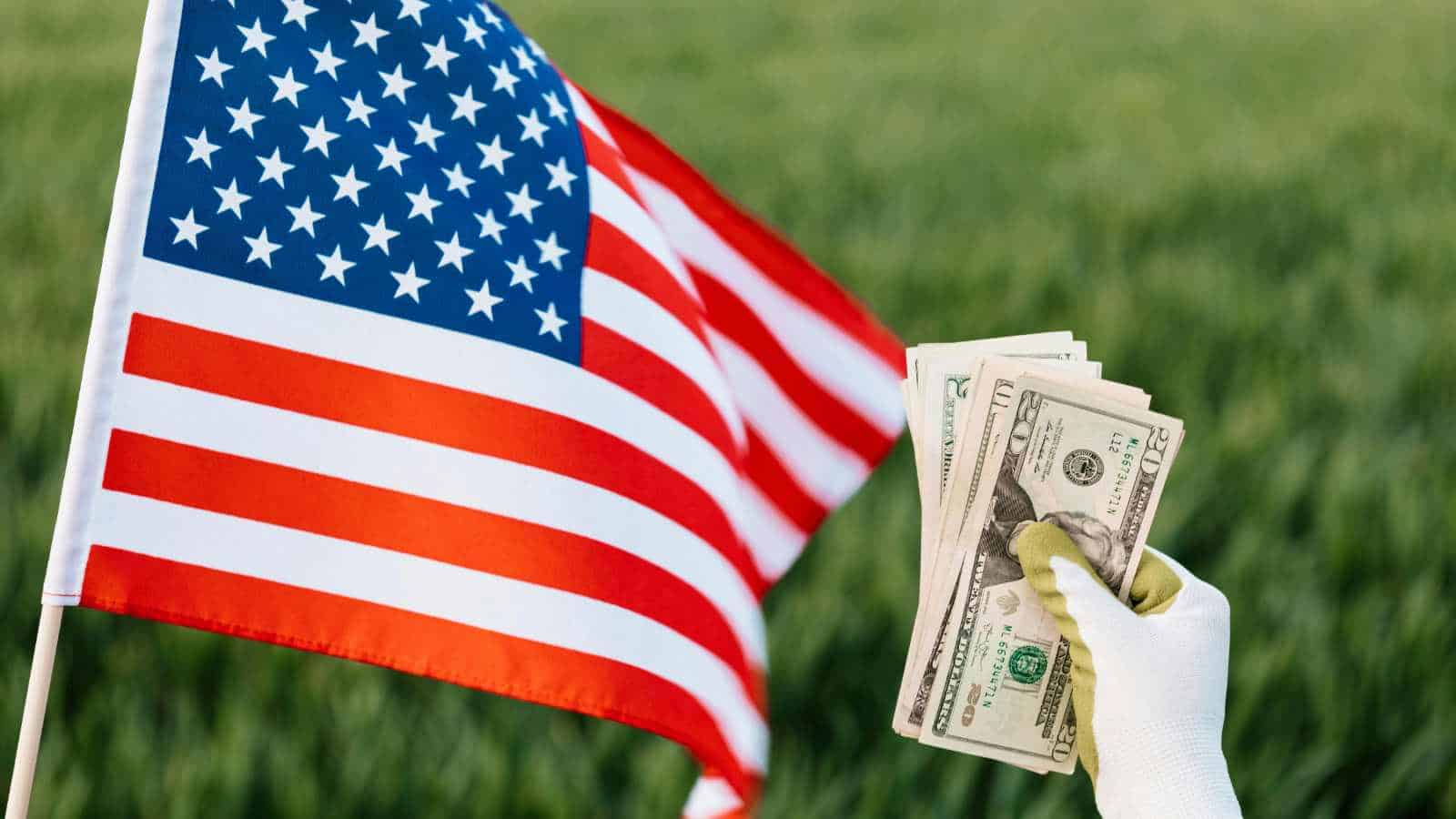
Japanese Americans who survived internment received a formal government apology and $20,000 in reparations per survivor through the Civil Liberties Act of 1988. The process took decades, required organized legal pressure, and covered only living survivors – an estimated 82,000 people. Flawed and belated as it was, it happened. For the descendants of enslaved Black Americans, federal reparations remain a legislative debate that has never produced a bill, an apology, or a dollar.
HR 40, the bill proposing a commission to study reparations for slavery, was first introduced in Congress in 1989 by Representative John Conyers. It was reintroduced every year for three decades before receiving its first full committee hearing in 2021. Japanese American internment lasted years; American slavery lasted 246 years and was followed by a century of legally enforced segregation, convict leasing, and voter suppression.
The difference in political outcomes reflects how each form of racial harm has been processed by American institutions. Japanese American internment had a definite time frame, identifiable survivors, and a documented government action. Anti-Black harm is older, more diffuse, structurally embedded, and thus far easier for legislators to classify as too complicated, which is precisely why it remains unaddressed.
Progress requires knowing where these fights diverge
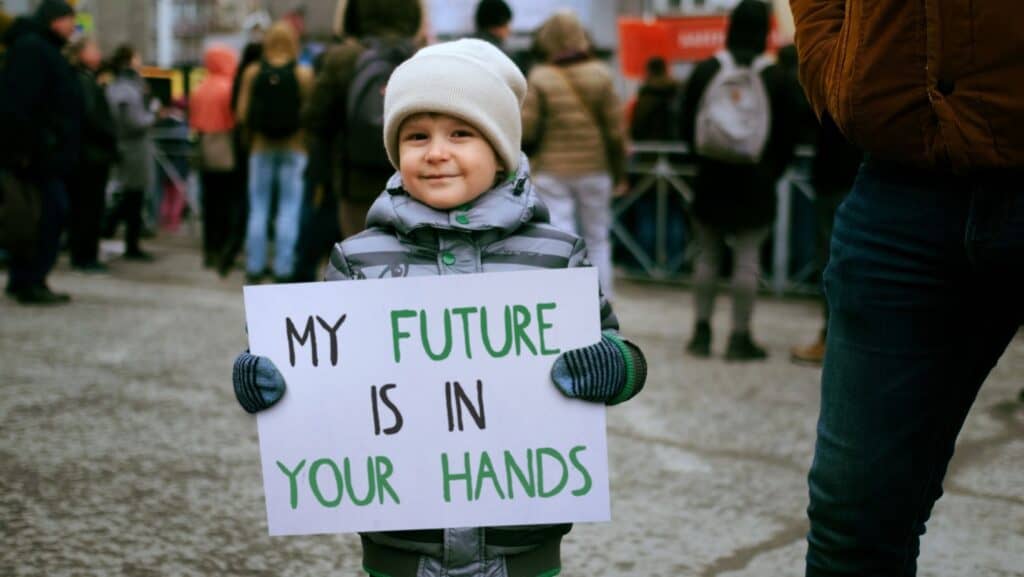
Anti-Blackness in America is centuries old and institutionally embedded. It requires institutional remedies: changes to policing, sentencing, housing policy, school funding, and wealth redistribution. Anti-Asian hate in America is episodic in its intensity, structurally real, and requires a different set of interventions: improved hate crime reporting infrastructure, political representation that reflects demographic presence, and a reckoning with how foreign policy narratives generate domestic violence against Asian communities.
What both communities share is that white supremacy is the operating system beneath both systems of harm. That shared enemy does not erase the differences in how harm is delivered or what would constitute repair. The most useful politics acknowledges both: we are targeted by the same ideology, through different mechanisms, and both the common ground and the differences need to be on the table if anything is actually going to change.
Key takeaways:

- Black racism is structural and centuries-deep; Asian racism is more episodic and interpersonal, requiring different remedies for each.
- The model minority myth doesn’t protect Asian Americans – it erases their poverty, suppresses help-seeking, and is weaponized against Black Americans simultaneously.
- Stereotypes run in opposite directions: Black people are feared, Asian people are envied, but both reductions serve the same dominant interest.
- Anti-Blackness exists inside Asian communities, and ignoring that fact produces a politics that benefits neither group.
- Solidarity between Black and Asian Americans is possible but requires understanding where the fights diverge, not just where they overlap.
Disclaimer – This list is solely the author’s opinion based on research and publicly available information. It is not intended to be professional advice.
Like our content? Be sure to follow us