13 ways Florida is reshaping the future of the U.S. economy
Florida is no longer just a tourism powerhouse or retirement destination. With a real gross domestic product (GDP) of approximately $1.39 trillion in 2025, the Sunshine State now has the fourth-largest economy in the United States, trailing only California, Texas, and New York. Florida’s economy expanded by 3.1% in 2025, one of the strongest growth rates among large states, while its population has surged past 23 million, fueled by years of domestic and international migration.
The state has also emerged as a national leader in aerospace, logistics, financial services, healthcare, construction, and technology investment. According to U.S. Bureau of Economic Analysis data, Florida tied for the fastest annual real GDP growth among all states in 2025. Meanwhile, businesses and workers continue relocating from higher-cost regions, helping transform Florida into one of America’s most influential economic engines.
As demographic shifts, technological innovation, and infrastructure investment reshape the national economy, Florida is increasingly serving as a testing ground for new industries, business models, and growth patterns. Here are 13 ways the state is helping shape the future of the U.S. economy.
The Cost Of Living Correction

The rapid influx of global capital has naturally placed an intense upward pressure on local housing markets and insurance premiums. This affordability squeeze is forcing working families to carefully manage their personal finances to stay within their means. This changing dynamic serves as a stark warning to other growing regions about the side effects of unbridled expansion.
Analysts note that rising housing and insurance costs are beginning to cool net migration, even as overall economic strength remains high. This natural cooling period will allow local housing supplies to finally catch up with consumer demand. Managing this delicate structural transition will dictate how the region sustains its long-term commercial momentum.
The Private Wealth Migration Wave

A continuous stream of high-earning professionals is packing up their moving vans and heading toward southern postal codes. This massive movement of personal capital brings billions of new taxable dollars directly into the local corporate ecosystem every month.
The sheer volume of incoming funds is allowing local municipalities to build modern public structures without heavily taxing residents.
Recent analysis from the Florida Chamber Foundation highlights that Florida has added hundreds of thousands of new residents in recent years while maintaining strong job and income growth, helping drive state GDP into the top tier globally. If the state stood alone as an independent sovereign nation, it would currently sit alongside some of the world’s largest economies.
A Magnet For Budding Enterprises

Entrepreneurs are abandoning traditional northern manufacturing hubs to set up their headquarters under the southern sun. The total absence of a state personal income tax makes the region an absolute paradise for ambitious business builders looking to grow.
Business formation data show that Florida consistently ranks near the top among all states for new business applications filed each year. This surge in commercial activity means communities are no longer entirely dependent on standard amusement parks to stay afloat.
The resulting expansion creates a highly diverse employment base that can withstand wider national recessions with ease.
Redefining High Tech Industry Clusters

Major technological organizations are quietly building expansive campuses away from their traditional West Coast headquarters. Aerospace developers, software designers, and medical engineers are finding a highly supportive ecosystem along the coastlines.
As Mark Wilson, President and CEO of the Florida Chamber of Commerce, noted, this momentum is the result of years of focus on job creation and economic opportunities.
This deliberate structural planning has allowed the state to gain rapid ground on international economic heavyweights. The steady influx of engineering brains is permanently changing the technical trajectory of the domestic workspace.
Financing Systems Moving South

The traditional banking capital of the world is watching its top-tier talent establish permanent offices near southern coastal channels. Wealth managers and private equity firms are discovering that their wealthiest clients now live within a short drive of regional airports.
This migration of financial decision-makers means crucial investment capital is being distributed far from Wall Street. Regional industry profiles from IBISWorld show that Florida’s finance and insurance sector generates tens of billions of dollars in annual revenue, reflecting the growing concentration of financial services in the state.
Having these massive investment pools locally makes it much easier for regional developers to secure funding for major projects. This domestic relocation is decentralizing the classic American money pipeline in a highly permanent way.
The Tourism Machine Breaking Records

While corporate offices continue to expand, the historic vacation infrastructure is performing at an unprecedented level. Millions of international visitors arrive every single month to explore coastal getaways and sprawling family entertainment complexes.
Tourism reports show the state welcoming well over 130 million visitors in the last year, with record-breaking visitor spending that injects tens of billions of dollars into the economy.
This substantial influx of outside capital provides vital tax revenue that funds public safety and environmental protection efforts. The enduring strength of this hospitality sector creates a highly resilient safety net for thousands of small family-run businesses.
The Evolution Of Real Estate Development

The sheer demand for residential and commercial spaces has turned the local construction industry into a national trendsetter. Urban planners are forced to design high-density residential towers that can withstand intense coastal weather patterns.
This constant building pressure serves as a giant live laboratory for modern engineering methods across the United States.
Economic profiles again point out that Florida’s real estate and rental and leasing industry contributes well over a hundred billion dollars annually to state output, making it one of the largest pieces of the local economy. This rapid pace of development keeps thousands of specialized contractors fully booked and earning steady wages week after week.
A Fresh Blueprint For Medical Operations

An aging national population requires a highly sophisticated medical infrastructure capable of handling specialized chronic care needs. The local hospital systems are expanding rapidly to serve both affluent retirees and the growing millennial workforce.
Health care economic summaries from Florida TaxWatch note that hospitals and related providers support hundreds of thousands of jobs and tens of billions of dollars in output for the state.
This massive concentration of medical spending supports extensive clinical research and attracts top-tier surgical talent from elite international institutions. The region is effectively establishing a modern framework for how senior medical care will operate nationally.
Reshaping International Trade Ports
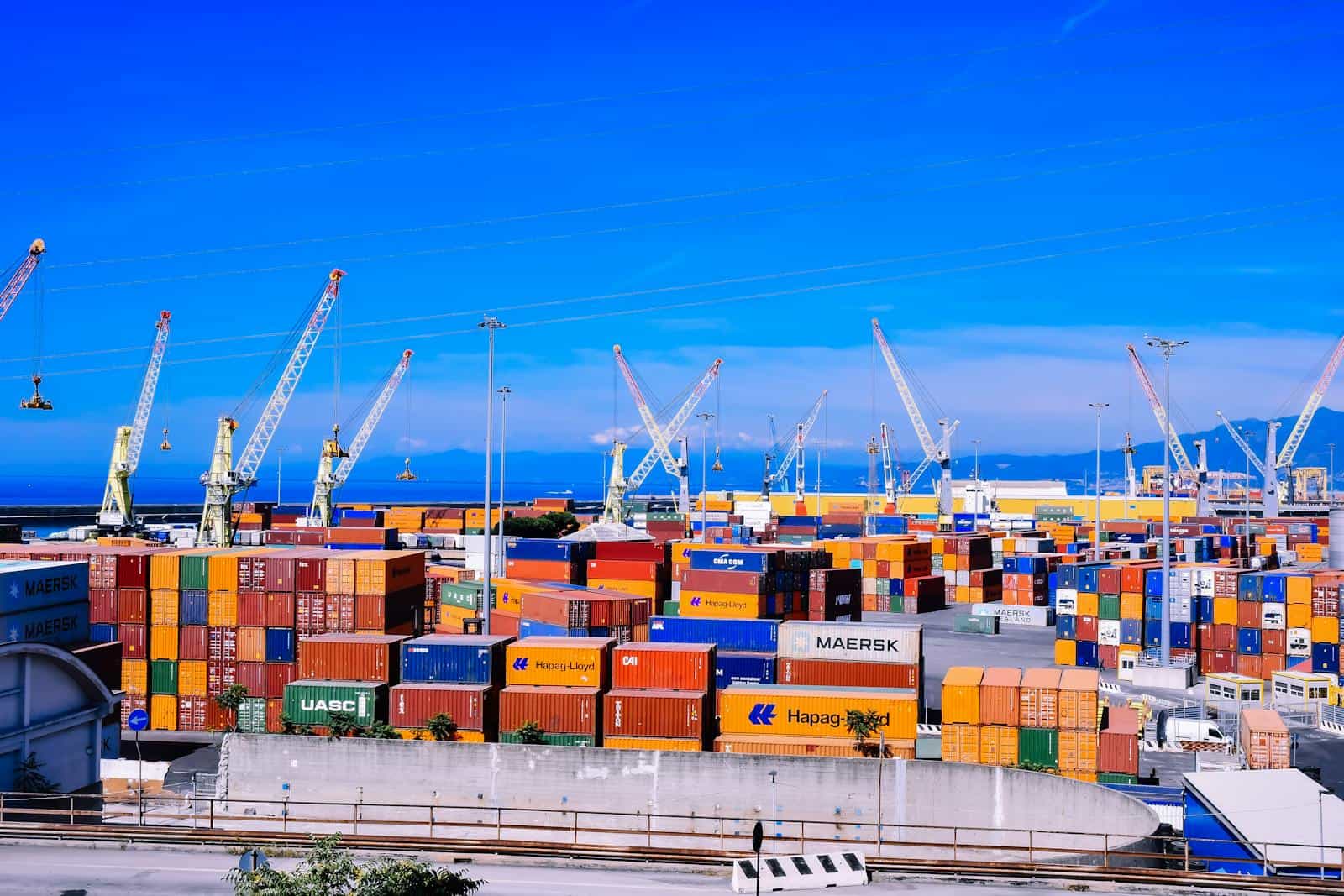
Positioned perfectly between major domestic markets and growing Latin American economies, local shipping terminals are expanding their capacity. Deepwater ports are undergoing massive expansions to welcome giant cargo vessels carrying international manufacturing components. This transit development helps domestic businesses bypass traditional northern shipping bottlenecks, saving precious transit time.
Trade documentation shows that Florida exports tens of billions of dollars in goods each year, with top categories including machinery, electronics, and transportation equipment, all of which move through its ports.
Managing these massive international trade pipelines requires a highly coordinated network of rail lines and freight warehouses. This expanding infrastructure ensures that consumer products reach major domestic retail shelves with maximum efficiency.
Upgrading The Aerospace Sector

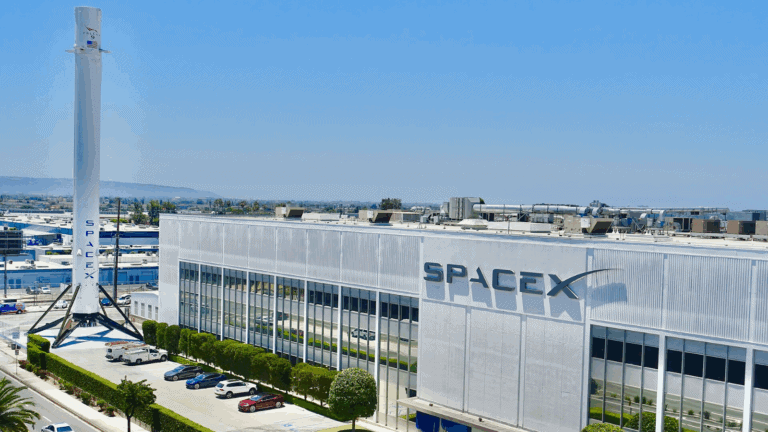
The historic coastlines that launched early space exploration are now serving as the absolute epicenter of the commercial space rush. Private satellite operators and rocket builders are conducting weekly launches, drawing massive numbers of supply chain manufacturers to the area.
This specialized industrial growth is creating thousands of highly paid job opportunities for local technical graduates. Space Coast development reports describe how ongoing launch activity at Cape Canaveral and Kennedy Space Center has attracted a dense cluster of aerospace firms and contractors to Central Florida.
Sustaining Massive Inbound Migration

The sheer volume of new residents arriving at the state borders every single morning requires an unyielding logistical effort. Providing public utilities, regional transit, and schooling for these families creates an ongoing demand for coordination among local governments. This continuous growth forces local leaders to find highly efficient methods for managing rapid community expansion.
Population projections from the University of Florida’s Bureau of Economic and Business Research anticipate that Florida’s resident count will continue to rise by millions over the coming decades, keeping steady pressure on housing, infrastructure, and public services. Accommodating this massive crowd requires a continuous flow of investment capital into local infrastructure.
Transforming Higher Education Pipelines

To feed this insatiable corporate appetite for talent, the regional public university system has overhauled its entire operational focus. Campus leaders are aligning their degree tracks directly with the needs of local aerospace, finance, and technology employers. This close cooperation ensures that young students can transition directly into high-paying regional careers upon graduation.
National rankings from systems such as U.S. News & World Report have repeatedly placed Florida’s public higher education system at or near the top among U.S. states based on affordability and outcomes. Keeping tuition costs reasonable allows young professionals to enter the workforce without carrying mountains of personal debt. This steady pipeline of affordable, specialized talent provides an incredible competitive advantage for expanding local corporations.
Evolving Agricultural Supply Chains

While high-tech industries capture major headlines, the historic agricultural roots of the interior counties remain vital. Local farmers are adopting highly advanced automation tools and automated watering systems to boost food production efficiency.
This technological shift allows regional growers to supply fresh ingredients to national supermarkets despite unpredictable seasonal weather.
Agricultural tracking reports show that farm and food production still account for billions of dollars in economic output each year, keeping many rural counties anchored by their historic crops. Integrating automated tools into traditional farming helps protect the domestic food chain from severe global import disruptions.
Key Takeaway

Staying ahead of these massive sunbelt shifts will allow smart corporate leaders to position their operations exactly where the future of domestic commerce is actively being written. While managing regional growth and local affordability remains a significant challenge, the overall economic trajectory provides a powerful roadmap for future growth.
Prioritizing infrastructure and workforce readiness ensures that your community remains competitive as the national economic center of gravity shifts southward, shaping the long-term well-being of local households, their decisions, and their eventual retirement plans.
Disclaimer – This list is solely the author’s opinion based on research and publicly available information. It is not intended to be professional advice.
Like our content? Be sure to follow us