11 school lunch items from the 1950s that would never be allowed today
School lunch in 1950s America had a personality of its own. Trays came loaded with creamy casseroles, sugary desserts, canned vegetables, and enough starch to fuel a long afternoon. Cafeterias focused on filling bellies quickly and cheaply during the postwar baby boom, and nutrition standards looked very different from what they do now.
The United States Department of Agriculture says the National School Lunch Program currently serves nearly 30 million children each school day, with strict limits on sodium, age-based calorie ranges, and requirements for fruits, vegetables, and whole grains.
That marks a major shift. During the 1950s, cafeterias relied heavily on shelf-stable ingredients, convenience foods, and products promoted by food manufacturers. A look back at these trays reveals how much American school nutrition has changed, and why several cafeteria staples from that era would never pass modern review.
Powdered mashed potatoes loaded with butter

Powdered mashed potatoes felt futuristic in the 1950s. Cafeterias loved them because they stored well, prepared fast, and stretched across hundreds of trays with minimal labor. Staff could add hot water, stir in butter, and serve lunch on schedule.
The downside came in sodium and fat content. Early commercial instant potatoes often carried significantly more sodium than freshly prepared potatoes and relied on heavy butter or whole milk for texture.
A modern school lunch must meet USDA-set sodium targets, and many districts actively reduce saturated fat. A serving of buttery instant potatoes from that era could easily clash with today’s standards.
Cafeteria managers back then prioritized efficiency and fullness. Texture also mattered; creamy potatoes paired perfectly with meatloaf or Salisbury steak. Nutrition experts later found that heavily processed starches digest quickly and provide fewer nutrients than fresh preparations with skins intact.
Instant buttery potatoes ruled 1950s cafeterias, but sodium and saturated fat levels would draw heavy scrutiny now.
Creamed chipped beef on white bread
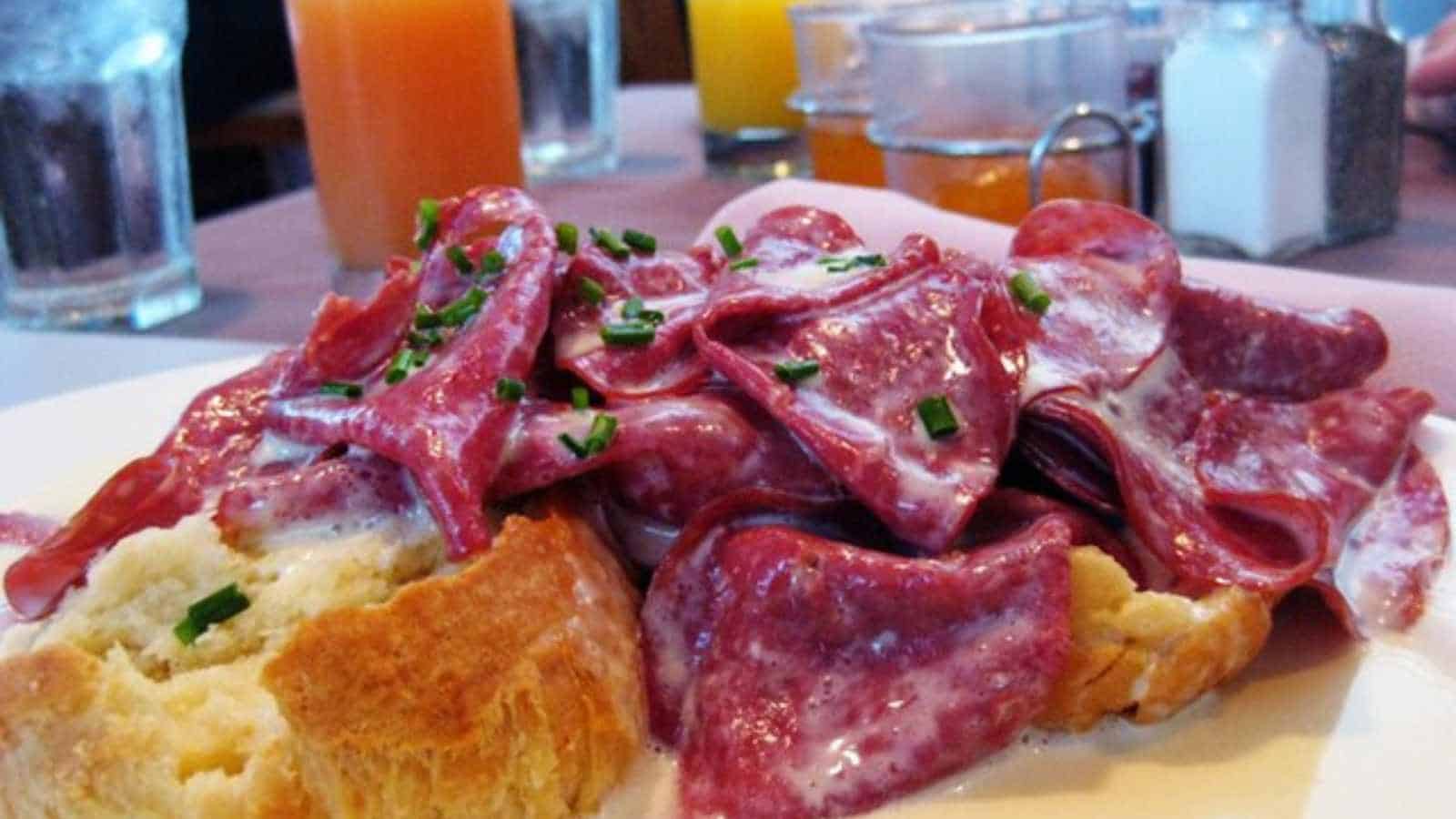
This cafeteria classic arrived steaming and rich. Creamed chipped beef is layered with salted dried beef into a thick white sauce and poured over slices of soft bread. Schools liked it because the ingredients were inexpensive and high in protein.
The challenge today sits squarely with sodium. Cured beef products traditionally contain large salt concentrations to preserve texture and shelf life. Add a flour-and-whole-milk gravy plus refined bread, and the meal quickly becomes nutrition-heavy in all the wrong ways.
The USDA’s current lunch standards encourage lean proteins and whole grains while carefully monitoring sodium. A 1950s tray with chipped beef and gravy delivered comfort and calories but lacked the balance of produce and grains modern menus require.
Cafeteria veterans loved it because it held temperature well on serving lines and remained inexpensive during large-volume meal prep. Creamed chipped beef offers flavor and convenience, but its salt content would make it a hard sell today.
Gelatin salads with canned fruit and whipped topping
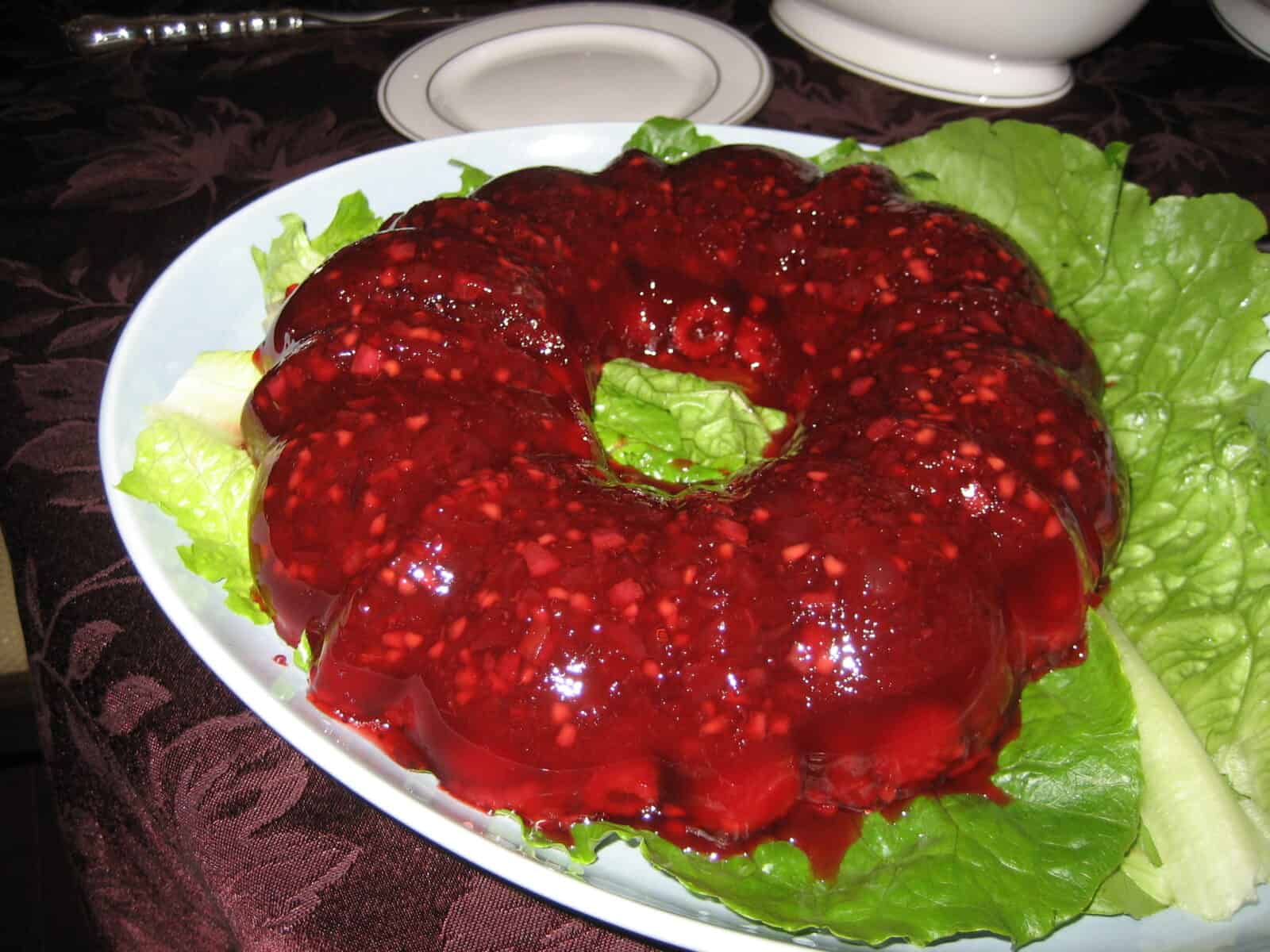
Bright gelatin squares looked cheerful on lunch trays. Cafeterias served lime, cherry, or orange gelatin packed with canned peaches, fruit cocktail, or marshmallows. Some versions included whipped topping or even shredded carrots.
Kids loved the sweetness and color. Nutrition teams today would raise immediate questions about added sugar and the limited availability of fresh produce. A modern cafeteria fruit serving typically emphasizes whole fruit or fruit packed in juice.
Gelatin desserts in the 1950s often relied on sweetened canned fruit syrups, which quickly increased sugar content. The visual appeal was undeniable, and postwar food marketing helped gelatin become a household staple.
Schools followed that trend because trays looked bright and festive while preparation stayed simple. Gelatin salads brought color to the tray but carried more sugar than today’s standards allow.
Whole milk in every carton
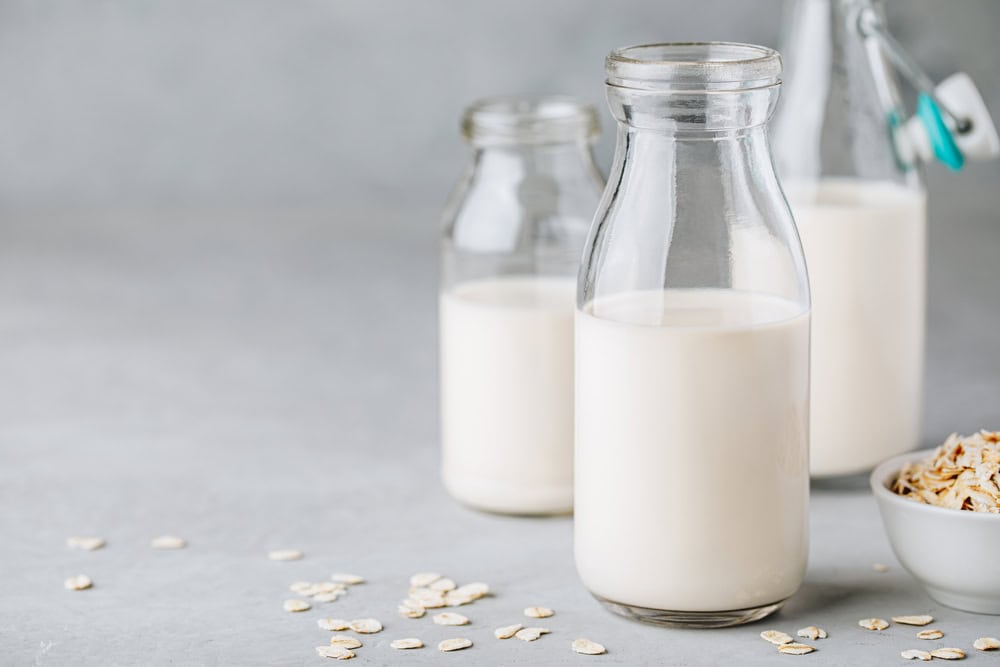
Milk dominated cafeteria menus in the 1950s. A chilled carton of whole milk appeared almost automatically beside lunch. Dairy campaigns strongly promoted milk for growth, and schools embraced the message.
Nutrition science later shifted toward balancing calcium intake while being mindful of saturated fat. Many U.S. schools now serve fat-free or low-fat milk in line with federal nutrition guidance.
Whole milk contains more saturated fat than options commonly offered today. A 1950s lunch tray often paired milk with cheese-heavy casseroles and buttery sides, pushing fat totals higher.
Dietitians point to smarter portioning and broader beverage guidelines as part of modern meal planning. Whole milk once felt standard at school lunch, but nutrition guidelines now lean toward lower-fat options.
Fried bologna sandwiches
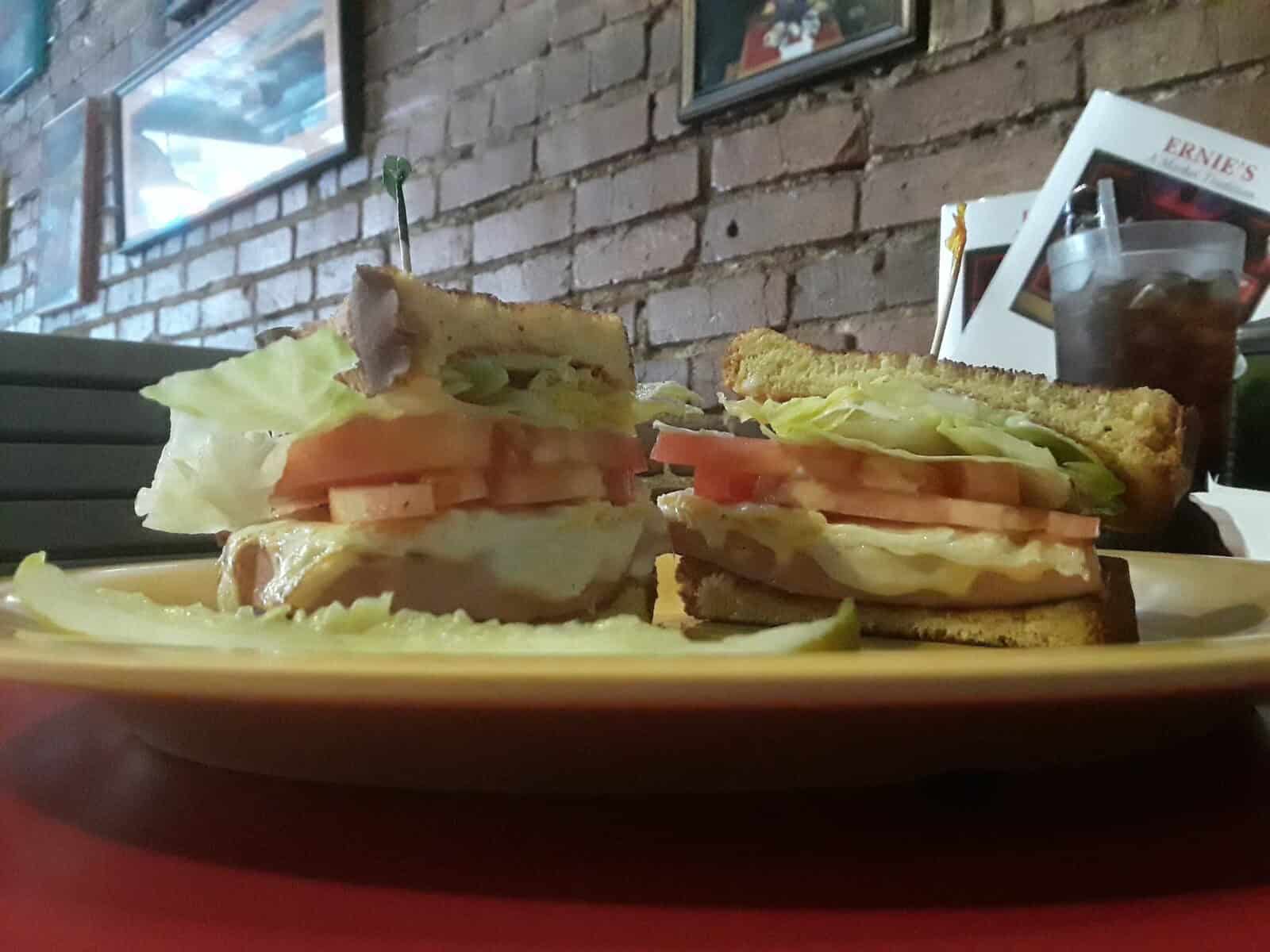
Fried bologna had a big cafeteria moment. A thick slice browned on a griddle, tucked between soft bread, and served warm. Students loved the salty flavor and crisp edges. Processed lunch meats now face much tighter scrutiny.
Bologna typically contains sodium, preservatives, and higher fat content than lean poultry or bean-based proteins favored in many school menus today. Schools in the 1950s appreciated cost and consistency. Every sandwich tasted the same and held up well during busy lunch rushes.
Nutrition standards later shifted toward ingredient quality and reduced intake of processed meat. Fried bologna felt filling and affordable, but the rules on processed meat have tightened dramatically.
Canned peas swimming in butter
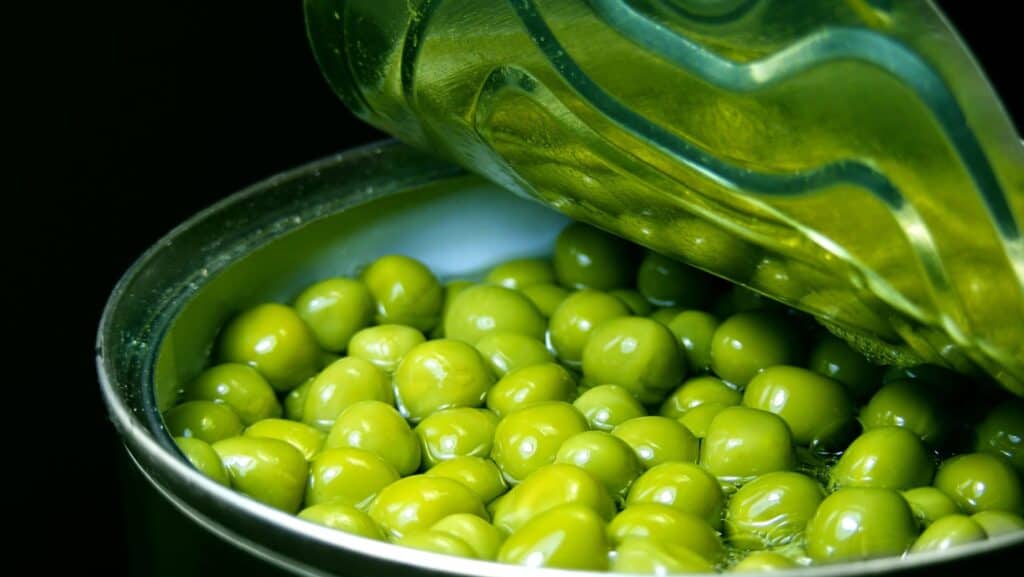
Vegetables showed up on the school lunch menu, but the preparation looked very different. Canned peas heated with butter were regularly placed on trays. They were inexpensive, shelf-stable, and easy to portion.
Modern cafeterias still use some canned produce, but sodium reduction and greater access to fresh produce have changed expectations. Butter-heavy seasoning also adds saturated fat quickly.
Texture matters too. Fresh vegetables hold more bite and visual appeal than overcooked canned versions. Schools today focus on getting students to eat vegetables through flavor and presentation without overloading them.
Buttered canned vegetables were practical then, but they don’t align with current nutrition goals.
Sloppy Joes on white buns

Sloppy Joes remain nostalgic, but the 1950s cafeteria version leaned heavily on sweet sauce and refined buns. Ground beef mixed with ketchup and brown sugar piled onto soft bread made a quick crowd-pleaser.
Modern school versions often cut sodium, trim sugar, and swap leaner meat or whole-grain buns. Earlier recipes focused more on flavor and affordability than on balance. Cafeteria workers could prep giant batches and keep serving quickly. That speed made them a staple.
Sloppy Joes survived the decades, though today’s versions look much lighter.
Macaroni and cheese with extra processed cheese
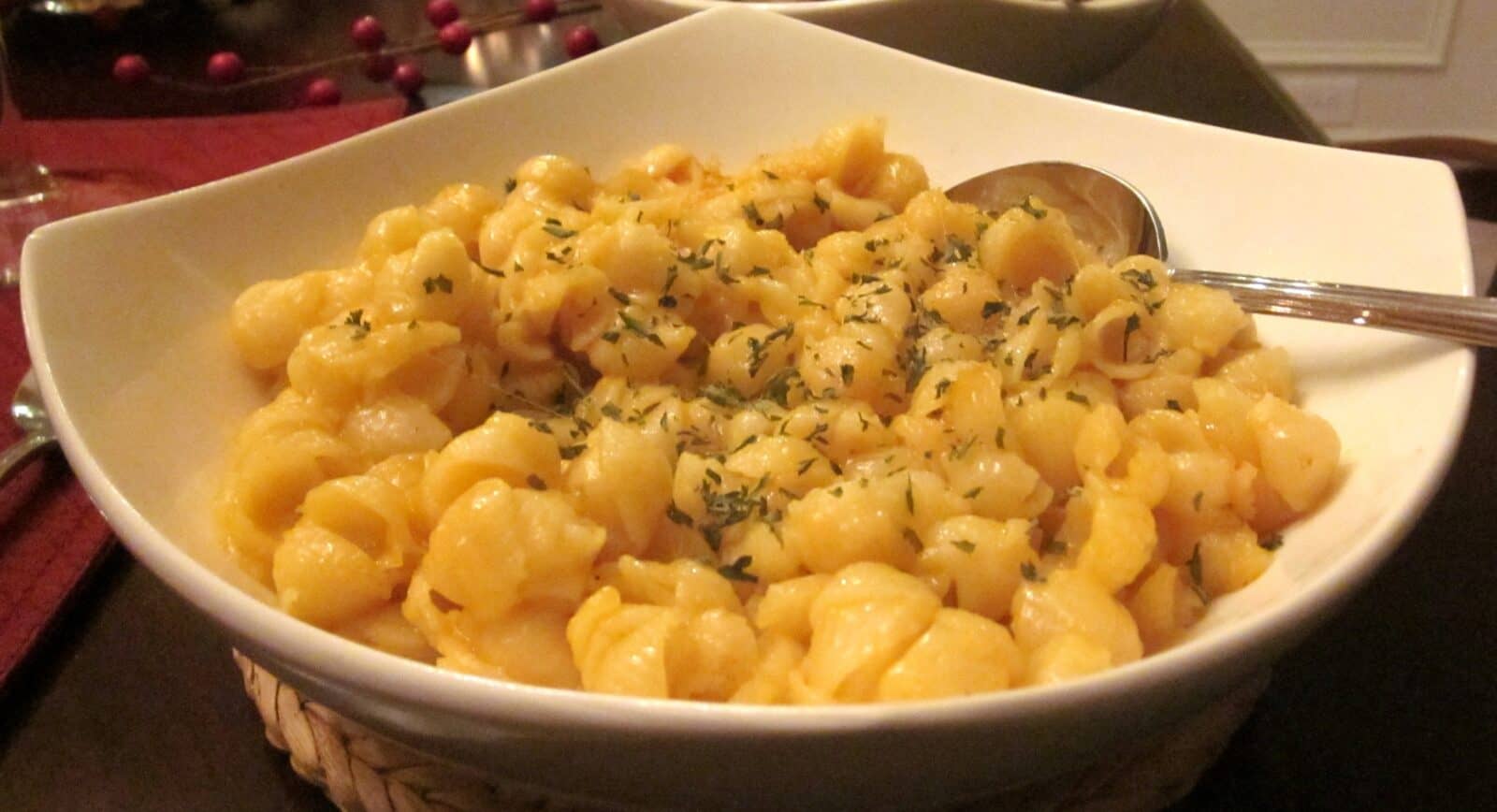
Creamy macaroni became cafeteria comfort food. Many recipes use processed cheese slices or canned cheese products for easy melting and consistent texture. Texture stayed smooth, but sodium and saturated fat climbed quickly.
Schools now often include reduced-fat cheese or pair pasta with vegetables to meet updated nutrition requirements. The original version delivered warmth and comfort but offered little nutritional balance on its own.
Extra-cheesy macaroni stayed popular, though today’s menus build in more balance.
Deep-fried fish sticks with tartar sauce

Fish sticks gained popularity as frozen foods became more common. Cafeterias loved their shelf life and easy prep. A fryer basket and tartar sauce turned seafood into something kids would actually eat.
Modern schools still serve fish, though baking and ingredient quality receive more attention. Deep-frying and creamy sauces can quickly boost calorie and sodium intake. Nutrition standards now favor lighter preparation and portion control.
Fish sticks remain familiar, but frying methods and sauces have changed.
Meatloaf with gravy and buttered rolls
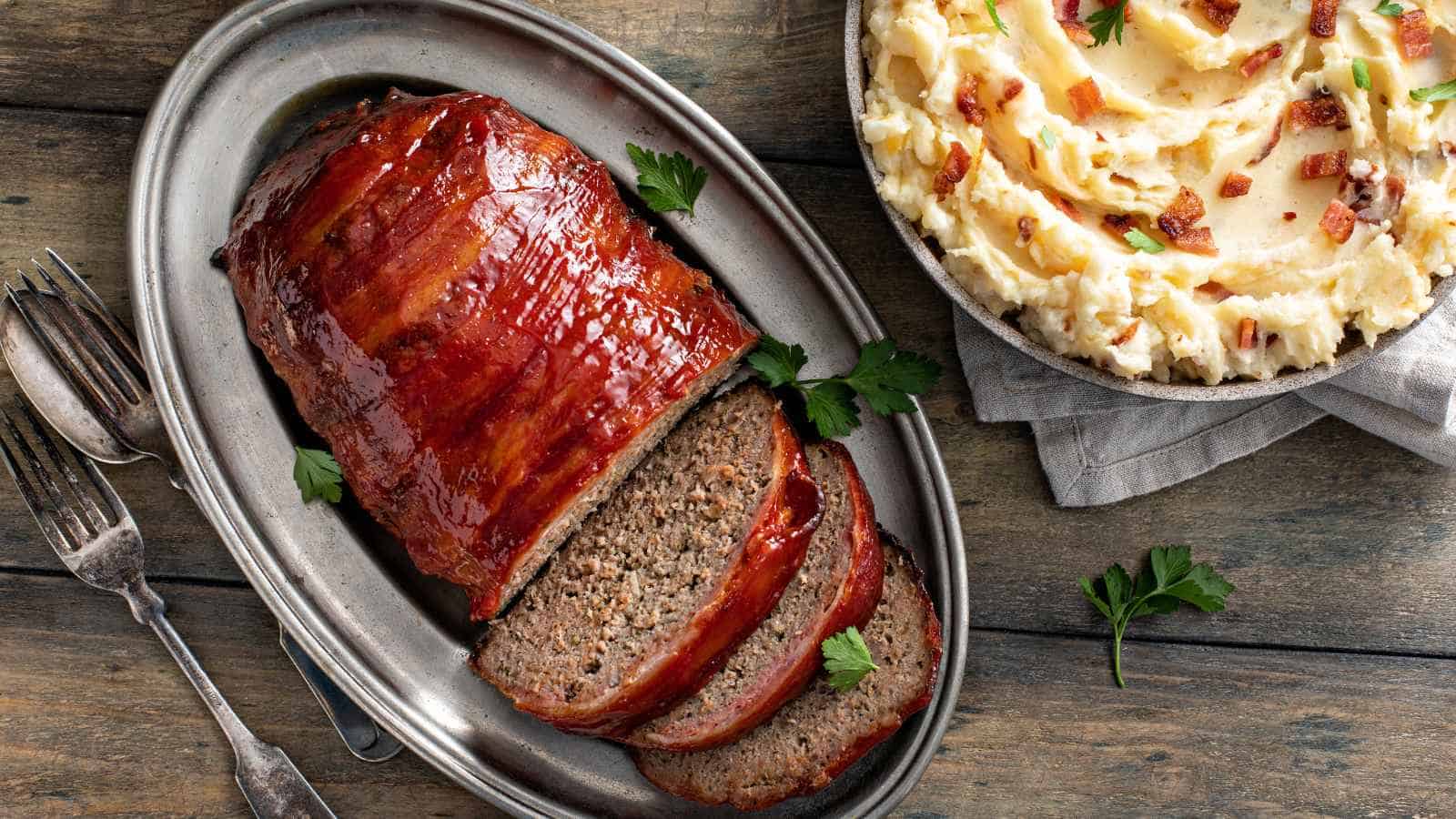
Classic meatloaf made frequent appearances. Add gravy and a buttered roll, and students had a hearty lunch. The meal provided protein and calories, but often exceeded today’s preferred levels of sodium and saturated fat.
Current standards encourage leaner proteins and more vegetables on the tray. The appeal remains obvious: warm, savory, familiar, and easy to scale. Meatloaf stayed dependable, though today’s cafeterias would rebalance the plate.
Sheet cake with frosting served as a lunch dessert
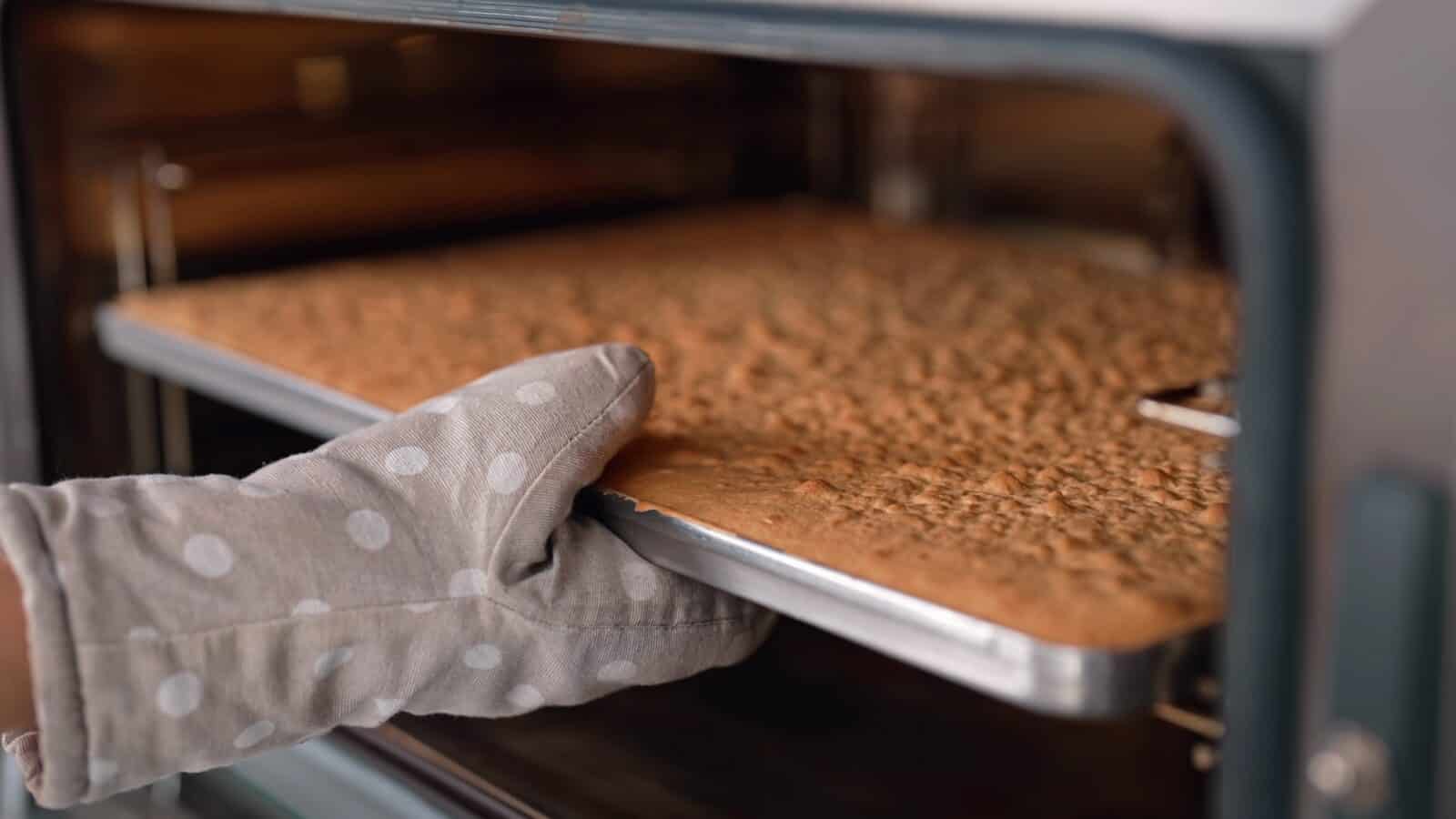
Few 1950s cafeteria desserts matched sheet cake. Vanilla or chocolate cake topped with thick frosting could appear right alongside lunch. Students loved it. Modern guidelines place tighter limits on desserts and encourage healthier options during regular meal service.
Sugar-heavy cake several times a week would quickly challenge today’s nutrition benchmarks. Cafeterias back then saw dessert as morale and calories in one neat square.
Frosted sheet cake may win nostalgia points, but it wouldn’t fit easily into modern school lunch standards.
Key Takeaways

School lunch in the 1950s reflected a very specific American moment: postwar optimism, booming enrollment, industrial food convenience, and a big appetite for hearty meals. Cafeteria teams served what worked for the era, food that stretched budgets, moved fast, and kept students full. Decades of nutrition research changed the formula.
The United States Department of Agriculture continues to refine school meal standards on sodium, produce variety, whole grains, and calorie targets designed for growing kids. That shift reshaped cafeteria culture nationwide.
A tray from 1955 still feels nostalgic and familiar. A tray from today reflects a very different understanding of childhood nutrition. Both tell a story about American priorities, and a fascinating one at that.
Disclaimer: This list is solely the author’s opinion based on research and publicly available information. It is not intended to be professional advice.
Like our content? Be sure to follow us