12 U.S. states losing residents faster than expected in 2026
Population growth in the United States has slowed sharply. According to the latest U.S. Census Bureau estimates, the nation’s population grew by just 0.5% between July 2024 and July 2025, down from 1.0% the previous year.
The slowdown was driven largely by a steep decline in net international migration, which had been a major source of growth for many states in recent years. As a result, several states that had relied on migration to offset aging populations, low birth rates, or domestic outmigration have begun losing residents or seeing growth stall unexpectedly.
California

California continues to lead the nation in net domestic outmigration according to U.S. Census Bureau estimates, with sustained annual population losses driven by housing costs that remain among the highest in the country and persistent affordability gaps between wages and rent.
Economic research from the Public Policy Institute of California highlights that more than half of departing residents cite housing pressure as the primary reason for relocation, with secondary factors including taxes and business costs.
Urban counties such as Los Angeles and San Francisco have experienced particularly strong outflows toward Arizona, Texas, and Nevada. Labor economists describe this pattern as a “cost compression exit,” in which middle-income earners leave because wage growth fails to keep pace with living expenses.
Despite strong international immigration inflows, domestic departures continue to offset gains, resulting in a net flattening of population growth projections.
New York

New York remains a major outmigration hub, with Census Bureau mobility tables showing sustained domestic population loss concentrated in New York City and surrounding suburban counties.
The Empire State’s tax structure, housing scarcity, and the adoption of post-pandemic hybrid work have accelerated exits to Florida, the Carolinas, and Texas. According to the Rockefeller Institute of Government, high earners and young professionals account for a significant share of departures, altering the state’s income composition.
Housing vacancy constraints in New York City amplify pressure, creating competitive rental conditions that push households to seek lower-cost metros. Economists note that the “wage premium” historically associated with New York no longer offsets living costs for many service and knowledge workers, reshaping long-term retention patterns.
Illinois
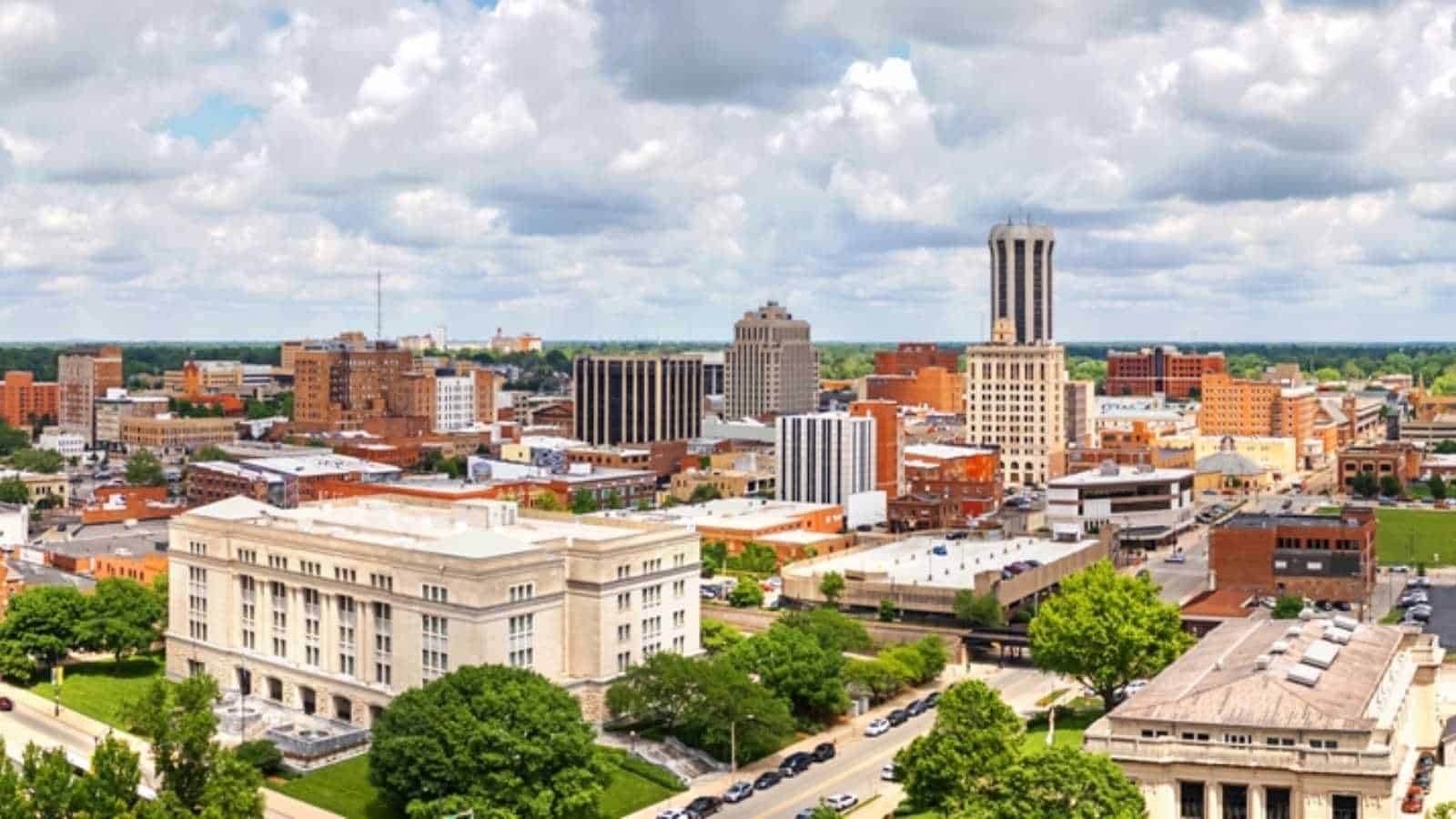
Illinois continues to experience one of the Midwest’s most consistent population declines, with U.S. Census Bureau estimates showing net domestic outflows for over a decade. Chicago’s economic center still anchors the state, but suburban and downstate losses compound overall decline.
The Illinois Policy Institute reports that high property taxes and fiscal uncertainty significantly influence relocation decisions. Corporate relocation trends toward southern states have reduced employment anchors that traditionally retained working-age adults.
Demographers describe Illinois’ trend as a “two-speed economy,” in which Chicago stabilizes modestly while smaller counties experience accelerating out-migration. This uneven distribution creates challenges for infrastructure funding and long-term population sustainability.
New Jersey

New Jersey’s outmigration trend reflects sustained pressure from housing affordability and commuting costs tied to the New York metropolitan area. Census migration data shows more residents leaving than entering, particularly among middle-income families seeking lower property taxes in Pennsylvania, Delaware, and the Carolinas.
Rutgers University economic studies indicate that tax sensitivity plays a stronger role in New Jersey than it does at the national level. Despite strong employment access through proximity to major urban centers, household formation increasingly shifts outward due to housing constraints.
Analysts describe the state as operating under “spillover displacement,” where regional job hubs remain strong but residential affordability weakens retention.
Massachusetts

Massachusetts has recorded steady domestic outflows despite its strong education and biotech sectors. Census Bureau estimates show residents relocating primarily to New Hampshire, Florida, and North Carolina.
The Massachusetts Housing Partnership reports that median home prices and rental costs have outpaced wage growth for service-sector workers, creating pressure points in Greater Boston. University graduates often remain short-term before relocating to lower-cost housing markets.
Labor economists note that while the state maintains a concentration of high-skilled jobs, retention challenges emerge in mid-career stages as housing demand intensifies. This creates a cyclical pattern of talent inflow followed by cost-driven outflow.
Michigan

Michigan’s population movement reflects a long-term industrial transition, with Census data showing continued net domestic losses despite stabilization efforts in urban redevelopment.
Detroit’s economic recovery has improved local indicators, yet statewide retention remains challenged by gaps in job diversification. The Federal Reserve Bank of Chicago has highlighted that manufacturing automation and regional job redistribution have reduced traditional employment anchors.
Younger residents are increasingly moving to Texas and Colorado for technology and service-sector opportunities. Analysts describe Michigan’s trend as “legacy sector lag,” in which historical industrial strength no longer aligns with modern workforce demands.
Ohio

Ohio continues to record a net population decline driven by outmigration in both urban and rural counties. Census Bureau mobility patterns show consistent movement toward Sun Belt states.
The Ohio Department of Development notes that while Columbus has experienced growth in tech and logistics sectors, other regions face aging populations and limited labor inflows. Economic researchers point to wage differentials and shifts in climate preferences as contributing factors.
The state’s manufacturing base still provides stability, but workforce replacement rates remain insufficient to offset departures, producing a gradual but persistent downward trend.
Pennsylvania

Pennsylvania shows uneven population movement, with western and northeastern regions experiencing stronger outflows than growth pockets around Philadelphia’s suburbs. Census estimates indicate that retirees and working families increasingly relocate to lower-tax states.
The Pennsylvania State Data Center highlights that slow housing turnover and aging infrastructure contribute to reduced attractiveness for younger households. While healthcare and education sectors remain stable employers, labor mobility patterns favor states with lower cost structures and warmer climates.
This creates a structural imbalance between inbound and outbound migration flows.
Louisiana

Louisiana continues to experience net domestic outmigration influenced by disaster vulnerability, insurance costs, and economic restructuring. Census Bureau data highlights long-term population decline trends accelerated by hurricane-related displacement and slow recovery cycles in coastal areas.
The Bureau of Economic Analysis notes that volatility in the energy sector also affects employment stability. Residents frequently relocate to Texas and Georgia in search of diversified job markets and lower insurance premiums.
Analysts classify Louisiana’s movement pattern as “climate-economy convergence pressure,” in which environmental and economic factors reinforce one another.
Maryland

Maryland’s population movement reflects proximity to federal employment hubs but rising outbound migration to lower-cost states. Census estimates show that while Washington D.C. metro access sustains employment opportunities, housing affordability in counties such as Montgomery and Prince George’s drives relocation.
The University of Maryland’s economic research center notes that high commuting costs and property taxes contribute to household exits. Many residents relocate to Virginia and the Carolinas while maintaining remote or hybrid federal-adjacent employment structures.
This creates a hybrid migration model shaped by policy jobs and cost-of-living pressures.
Washington

Washington state, despite strong tech-sector growth, has recorded intermittent net domestic outflows in recent Census cycles, particularly during housing price surges in the Seattle metro area.
The Washington Office of Financial Management notes that affordability pressures and the geographic concentration of tech jobs influence the dispersion of migration. Workers in mid-income brackets increasingly relocate to Idaho, Arizona, and Texas while maintaining remote employment with Washington-based firms.
Economists describe this as “remote elasticity migration,” in which job location decouples from residential geography, reducing retention in high-cost tech hubs.
Hawaii

Hawaii continues to experience sustained net population loss driven by extreme housing costs and geographic isolation. Census Bureau estimates show consistent outbound migration of working-age residents to mainland states, particularly California and Nevada.
The University of Hawaii Economic Research Organization reports that median housing costs remain among the highest nationally relative to income, creating long-term affordability barriers.
Transportation costs, limited job diversification, and land scarcity intensify pressure. Migration patterns reflect a structural challenge: island economies have limited capacity for expansion, leading to steady population redistribution toward mainland labor markets.
Key Takeaways

- U.S. Census Bureau migration estimates show a continued shift of residents away from high-cost coastal and industrial states toward lower-cost, high-growth regions, with housing affordability acting as the strongest driver of relocation decisions across most states.
- States such as California, New York, Illinois, and New Jersey continue to experience persistent net domestic outmigration, largely linked to housing costs, tax pressure, and changing work patterns influenced by remote and hybrid employment.
- Midwestern states, including Michigan, Ohio, and Pennsylvania, reflect long-term structural population decline tied to industrial transitions, slower job diversification, and aging populations that outpace new workforce entry.
- Southern migration destinations such as Texas, Florida, and the Carolinas benefit from steady inflows driven by lower housing costs, warmer climates, and expanding job markets in logistics, technology, and services.
- Climate risk and insurance costs are becoming increasingly significant drivers of migration, especially in states like Louisiana and parts of the Gulf region, where environmental disruptions compound economic pressures.
- Tech-heavy states like Washington and education/biotech hubs like Massachusetts still attract talent but experience a partial offset through the outbound movement of mid-income residents seeking affordability.
- Remote and hybrid work models have weakened geographic job constraints, allowing residents to live farther from traditional employment centers and accelerating population redistribution across multiple states.
Disclaimer: This list is solely the author’s opinion based on research and publicly available information. It is not intended to be professional advice.
Like our content? Be sure to follow us