13 reasons Boomers are opting not to pass down their wealth
Data from Northwestern Mutual shows only about 22% of boomers intend to leave inheritances, even though they control roughly half of U.S. household wealth, reshaping expectations for younger generations.
For years, younger generations were told that the great wealth transfer would reshape family finances, ease retirement fears, and turn inheritances into a quiet safety net. That expectation now looks far less simple, because many boomers are rethinking what their money is for and who should benefit from it. Some still plan to leave assets behind, but many are also choosing travel, care, charity, early family help, and personal security over the old idea of preserving every dollar for heirs.
This shift is not always selfish, cold, or meant to punish adult children. It often stems from longer retirements, higher health care costs, complex family structures, and the belief that money should solve problems while the owner is still alive. These reasons explain why some boomers are holding on to their wealth, spending more of it, or passing it along in ways that don’t look like the traditional inheritance younger relatives may be expecting.
Retirement Is Lasting Longer Than They Expected

Many boomers entered adulthood watching older relatives retire for a shorter stretch of life, but their own retirement reality can last twenty, twenty-five, or even thirty years. That changes the emotional math around inheritance, because a nest egg that once looked generous can start feeling fragile when it has to cover housing, food, insurance, travel, home repairs, taxes, and medical needs for decades. Recent wealth transfer projections may sound enormous, with Cerulli estimating $124 trillion moving through 2048, but that does not mean every retired household feels rich enough to promise a large inheritance without first protecting its own future.
This is why many boomers are choosing caution over making early promises to their children and grandchildren. A couple with a paid-off house and retirement accounts may look wealthy from the outside, but much of that money may be locked in assets they need to live on, borrow against, or sell if care costs rise later. When retirement becomes a long financial marathon rather than a short final chapter, passing down wealth can feel less like a duty and more like a risk they cannot afford to take lightly.
Health Care Costs Are Eating the Cushion

Health care is one of the biggest reasons many boomers hesitate to preserve wealth for the next generation. A sudden diagnosis, a fall, a stroke, memory care, or daily help with bathing and meals can turn years of savings into a practical survival fund almost overnight. The national median annual cost for a private nursing home room reached $129,575 in 2025, and even nonmedical in-home care can cost around $80,080 a year at 44 hours a week, which explains why many retirees no longer treat extra money as truly extra.
This fear does not always come from personal illness, because many boomers have already watched their parents spend down savings during long periods of care. That experience can make them less willing to promise money to children before they know what their own final years will require. For them, keeping assets is not a rejection of family but a way to avoid becoming financially dependent on the same adult children who may already be juggling mortgages, student loan debt, child care, and their own retirement worries.
They Want to Enjoy the Money They Earned

A growing number of boomers are rejecting the idea that the highest purpose of wealth is to sit untouched until death. Many worked through recessions, layoffs, mortgage payments, parenting costs, and years of careful budgeting, so they feel entitled to enjoy what they built before illness or age limits their choices. A 2025 Schwab-related report found that 45 percent of wealthy boomers preferred to enjoy their money while still alive, reflecting a broader mood among retirees who want their savings to create memories, comfort, and freedom now.
This often shows up in ordinary but meaningful ways, such as longer vacations, better housing, restaurant meals, hobbies, wellness spending, and helping themselves age with dignity at home. Their children may see those purchases as money leaving the future inheritance pile, but boomers may see them as the reward for decades of restraint. After years of hearing “save for someday,” many are deciding that someday has finally arrived, and they do not want their last healthy years ruled by guilt over spending their own money.
They Are Helping Their Kids Before Death

Some boomers are not refusing to pass down wealth as much as changing the timing. Instead of waiting for a will to transfer money after a funeral, they may help adult children now with rent, down payments, car repairs, child care, tuition, medical bills, or emergency expenses. AARP research found that nearly three-quarters of parents provide some financial support to adult children, meaning many families are already receiving parts of their inheritance in real time rather than as a single large check later.
This kind of giving can be easy to overlook because it rarely feels as dramatic as an estate settlement. A parent who pays for a grandchild’s braces, covers a few months of rent after a layoff, or contributes to a home purchase may quietly reduce what remains in the estate, yet that money may do more good now than it would twenty years later. For many boomers, helping children survive the costs of adulthood feels more useful than leaving a larger sum after they have already spent years struggling.
They Worry Their Children Will Mismanage It

Some boomers hesitate to pass on wealth because they do not trust their heirs to handle money. They may have watched an adult child burn through raises, ignore debt, gamble with risky investments, or treat every financial gift as permission to avoid responsibility. Even when love is strong, a parent may fear that leaving a lump sum will not create stability, but instead fund bad habits, toxic relationships, legal problems, or another round of spending that disappears faster than anyone expects.
This concern can become especially intense when family history includes addiction, repeated borrowing, poor planning, or partners who pressure heirs for money. Boomers in this position may still want to help, but they may prefer trusts, direct payments for education, medical support, or gifts tied to specific needs rather than handing over unrestricted cash. Their decision can look harsh from the outside, but to them it may feel like the only way to protect both the money and the person who might not be ready to manage it.
Charity Feels More Meaningful Than Family Obligation
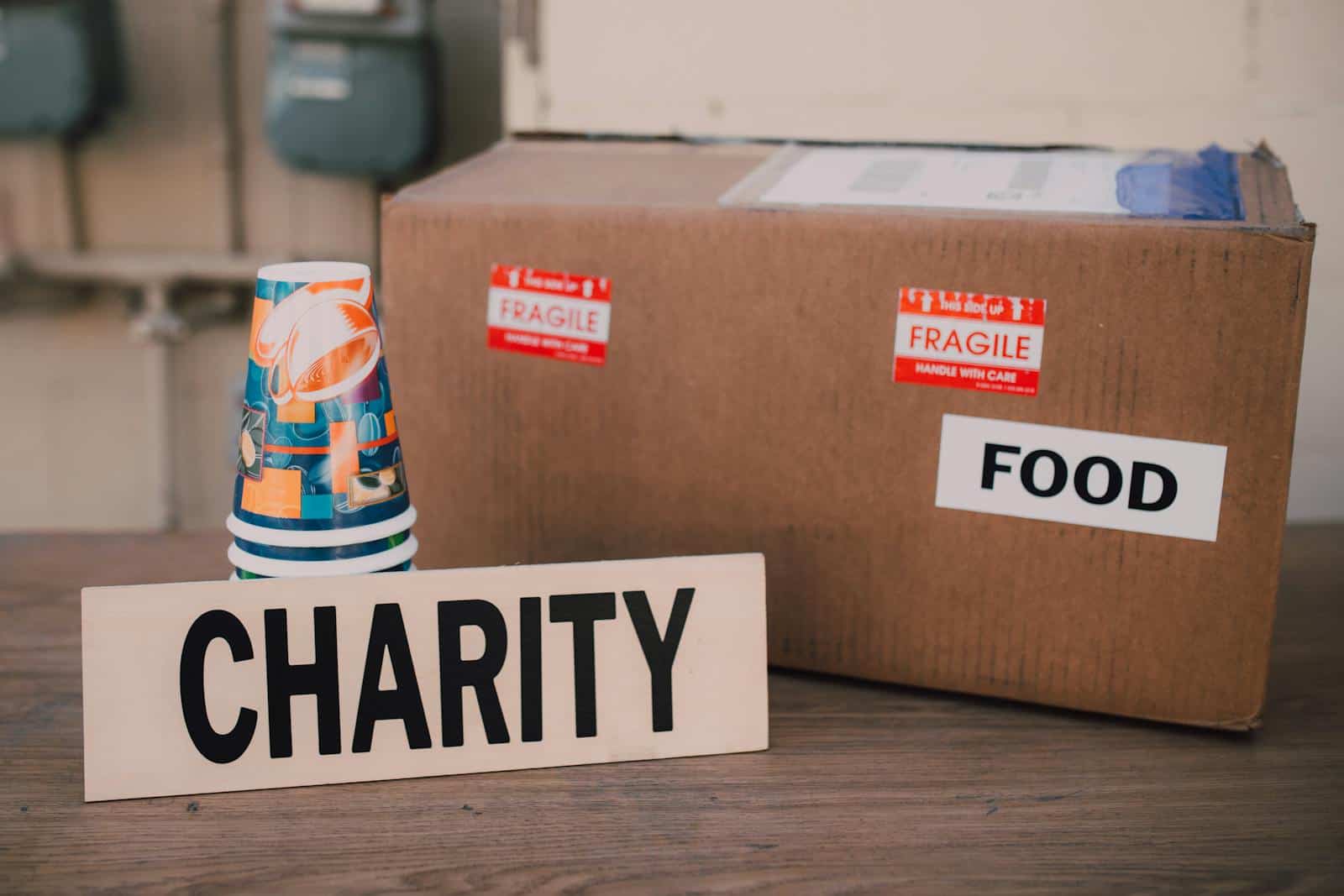
Some boomers are choosing to leave a portion of their wealth to causes that reflect their values instead of passing everything to relatives. They may support scholarships, hospitals, churches, animal shelters, veterans’ groups, environmental work, food banks, or community organizations that helped shape their lives. Cerulli projects that about $18 trillion of the wealth transferred through 2048 will go to charity, showing that philanthropy is not a side note in this generational shift but a major destination for older wealth.
This choice can surprise adult children who assumed the family would automatically come first. For some boomers, though, leaving money to a cause creates a legacy that feels more personal than dividing assets among heirs who may already be financially stable or emotionally distant. It can also give them a sense of control over how their lifetime work continues after they are gone, especially when they believe a charity, school, clinic, or local program will use the money with a clearer purpose than a family member who sees it only as a windfall.
Home Equity Is Not Always Easy to Pass Down

Many boomers look wealthy because they own homes that rose sharply in value, but that wealth is often trapped inside the walls they still live in. A house may be worth hundreds of thousands of dollars, yet it does not pay for groceries, prescriptions, insurance premiums, roof repairs, property taxes, or in-home support unless the owner sells, refinances, or borrows against it. Federal Reserve data show that household wealth is tracked across assets and balance sheets, but real life reminds retirees that net worth and usable cash are not the same thing.
This makes inheritance more complicated than younger relatives may realize. If a boomer needs to sell the family home to fund assisted living, move closer to medical care, or downsize into safer housing, the asset adult children imagined inheriting may be partly or fully consumed by practical needs. Even when the home remains in the estate, heirs may face taxes, repairs, insurance, sibling disputes, and maintenance costs, so some boomers decide that using the property for their own security makes more sense than preserving it as a symbolic family prize.
Blended Families Make Inheritance Complicated

Many boomers are living in second marriages, long-term partnerships, blended families, and family structures that make wealth transfer emotionally tricky. A person may want to care for a current spouse while also protecting children from a first marriage, stepchildren, grandchildren, or relatives who expect a share. In these households, passing down wealth can create tension before anyone dies, because every decision about a house, a retirement account, a life insurance policy, or a sentimental item can feel like a statement about loyalty and love.
Rather than risk conflict, some boomers choose arrangements that prioritize the surviving spouse, fund care needs first, or limit what children receive outright. That decision can feel painful to adult children, especially if they believe a new spouse has changed the family’s financial future, but the boomer may see it as a practical way to avoid leaving someone vulnerable. In blended families, inheritance is rarely just about money because it carries years of divorce, remarriage, caregiving, resentment, gratitude, and unfinished emotional business into a single legal document.
They Fear Family Fighting After They Are Gone

Some boomers have seen inheritances tear families apart, and they do not want their own death to become the opening scene of a long sibling war. They may remember relatives arguing over jewelry, houses, business shares, bank accounts, funeral costs, or who did more caregiving during the final years. That experience can make a parent less excited about leaving a large estate, because the money begins to look less like a blessing and more like a match dropped into dry grass.
This fear often leads boomers to spend more while alive, give selectively before death, simplify their assets, sell property, or impose tighter rules on what remains. They may also choose charities, trusts, or professional management because they do not trust relatives to behave fairly when grief and money collide. To younger generations, this can look like withholding, but to the parent, it may feel like damage control, especially if they know the family already struggles with jealousy, silence, favoritism, or old wounds that money would only magnify.
Inflation Changed Their Sense of Enough

Boomers remember when certain prices felt almost unbelievable by today’s standards, but they are also living through the shock of watching retirement dollars lose purchasing power. A savings balance that once looked strong can feel less comforting when groceries, insurance, utilities, repairs, and medical care keep climbing. The Bureau of Labor Statistics continues to track medical care inflation separately because health spending behaves differently from many household costs, and retirees feel that pressure more sharply than people who are still earning full-time wages.
That is why some boomers are reluctant to treat their current wealth as money to be inherited. They may calculate that a comfortable cushion today could shrink quickly if prices rise faster than their income, investments fall, or a spouse needs expensive care. Even those who want to leave money behind may decide they need a larger reserve than expected, because the old number they once considered “enough” no longer feels like protection in a world where basic living costs keep surprising them.
They Want Heirs to Build Their Own Stability

Some boomers believe inherited wealth can weaken motivation when it arrives too easily or too early. They may remember building careers, buying homes, saving from modest paychecks, or delaying gratification, and they want their children to develop the same discipline instead of waiting for a rescue. This mindset can sound stern, but for many boomers, it comes from a belief that confidence, work habits, and financial judgment are more valuable than a one-time transfer that could vanish without changing a person’s life skills.
Of course, younger generations face different costs for housing, education, health care, and child care, so this view can cause real tension. Adult children may feel that boomers benefited from cheaper homes and stronger pensions, while parents may feel that struggle is part of becoming responsible. When boomers choose not to pass down as much wealth, the decision may reflect a firm belief that love does not always mean removing every obstacle, even when that belief feels frustrating or unfair to those hoping for help.
They Prefer Experiences Over Estate Size
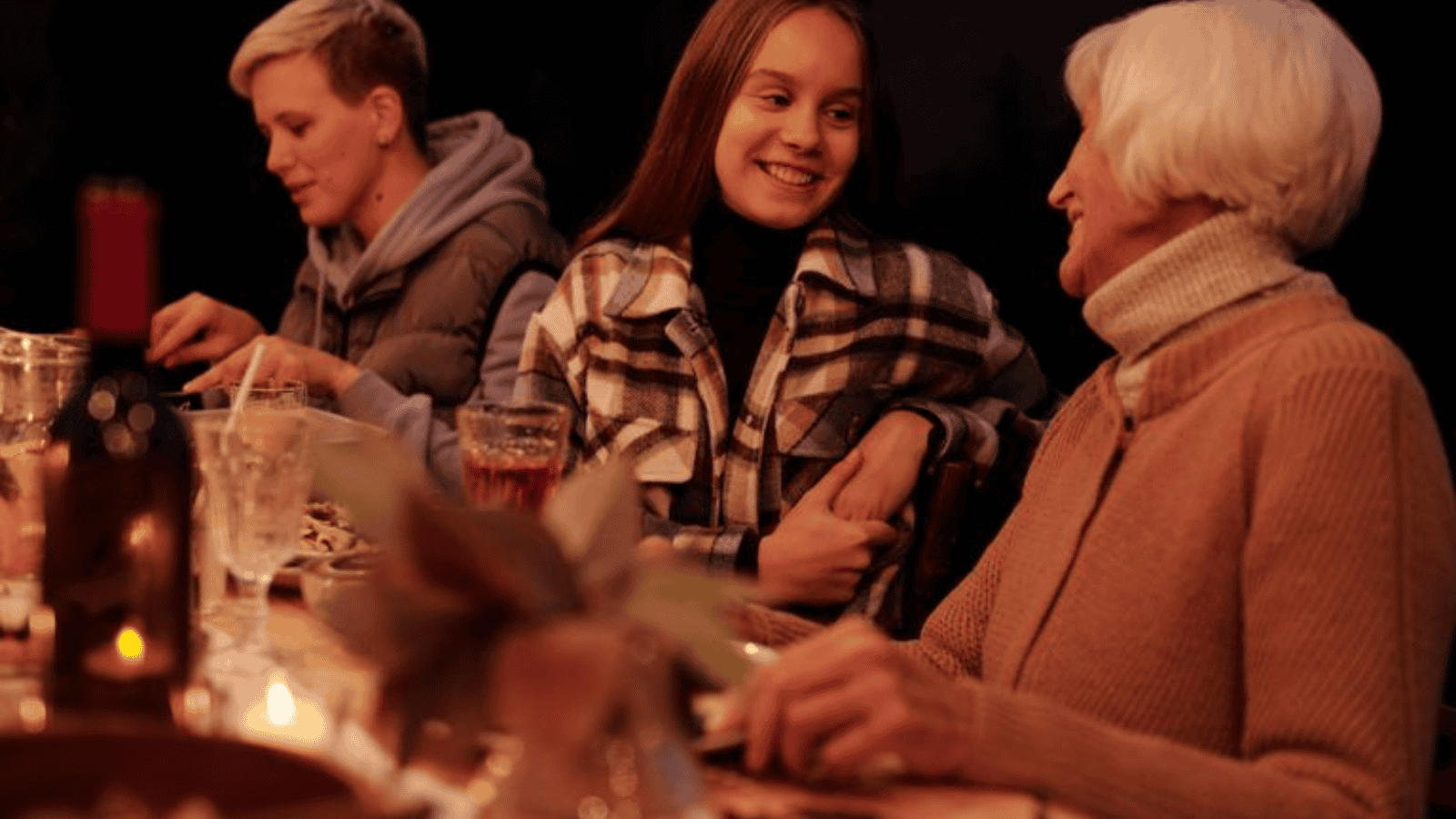
Many boomers are choosing family trips, milestone celebrations, cruises, hobbies, and memory-making over the quiet pride of leaving a larger estate. They may pay for a beach reunion, take the grandchildren to a national park, spend on a dream anniversary trip, or remodel a home so the family can gather more comfortably. In their minds, those experiences are a form of inheritance too, because they create stories and connections while everyone is alive enough to enjoy them together.
This can be a surprising shift for families that measure legacy mostly in cash, property, or investment accounts. A boomer may feel that paying for shared memories is more loving than preserving money for people to divide later in a lawyer’s office. The adult child who expected a larger inheritance may not see it that way immediately, but the parent may believe the best use of money is to turn it into time, laughter, photographs, comfort, and moments that cannot be created after death.
Estate Planning Rules Make Them More Strategic

Some boomers are not completely avoiding inheritance, but they are becoming more strategic about how money moves. They may use trusts, beneficiary designations, charitable gifts, lifetime transfers, insurance planning, or direct payments instead of leaving everything to flow through a simple will. Northwestern Mutual’s 2025 Planning and Progress Study found that 31 percent of U.S. adults anticipated leaving an inheritance, financial gift, or charitable donation, while only 20 percent expected to receive one, which shows a clear gap between legacy intentions and inheritance expectations.
This gap matters because an heir may envision a clean, direct transfer, while the person holding the assets may be considering taxes, care costs, probate, creditor risk, family conflict, and charitable goals. A boomer might leave money in controlled ways that feel less generous at first glance but are designed to prevent chaos or waste. The final result may not look like the old family story of a parent simply leaving everything to the children, because modern estate planning often turns wealth transfer into a careful mix of protection, timing, paperwork, and priorities.
Key Takeaway

Boomers are not all making the same decision about inheritance, and it would be unfair to paint an entire generation as selfish or withholding. Many still plan to pass down assets, but they are balancing that desire against longer retirements, expensive care, inflation, blended families, adult children’s needs, and a stronger urge to enjoy life while they can. The biggest surprise is that wealth transfer is becoming less automatic and more personal, shaped by each family’s fears, values, health, history, and financial reality.
For younger generations, the lesson is clear enough to be uncomfortable: an inheritance should not be treated as a guaranteed retirement plan, a debt solution, or a future down payment. Families that talk honestly about expectations, caregiving, estate plans, and financial boundaries may avoid some of the resentment that appears when people assume money will arrive without ever asking how realistic that promise is. The wealth may still come, but for many families, it will come later, in smaller amounts, in different ways, or be spent on the very real costs of helping boomers live the final chapters of their lives with dignity.
Disclaimer: This list is solely the author’s opinion based on research and publicly available information. It is not intended to be professional advice.
Like our content? Be sure to follow us