11 funeral traditions that are quietly disappearing from American life
Funerals in America no longer look as predictable as they did a generation ago, and honestly, the shift says a lot about how people grieve now.
Cremation now dominates the American funeral landscape, with CANA reporting a 2025 U.S. cremation rate of 62.8% and projecting it to reach 69.1% by 2030. That one trend alone keeps tugging at old customs like full burials, open caskets, long processions, and formal church services.
I’ve noticed this change even in everyday conversations. People now talk about “celebrations of life,” backyard memorials, online guest books, playlist tributes, and ash-scattering trips like they’re planning a deeply emotional family reunion with slightly better catering.
Funeral homes still matter, but families now want more control, more personality, and less pressure to follow a script someone wrote in 1957.
The traditional full-body burial

The classic American burial still carries deep emotional weight, but it no longer holds the same default status it once did. Families now compare costs, space, religious significance, environmental concerns, and convenience before choosing a casket and cemetery plot.
The price difference also pushes many people toward cremation, since the NFDA lists the median funeral with viewing and burial at $8,300, compared with $6,280 for a funeral with cremation. That gap may not sound romantic, but grief already feels expensive enough without a cemetery invoice joining the group chat.
Cremation also gives families more flexibility, which explains why full-body burial keeps losing ground. People can scatter ashes, keep them at home, divide them among relatives, place them in jewelry, or plan a memorial weeks later when everyone can travel.
CANA says the cremation rate continues to grow across most of the country, so this shift does not appear to be a passing trend. The old burial-first assumption still exists, but it now has serious competition from cheaper, simpler, and more personal choices.
The long open-casket viewing
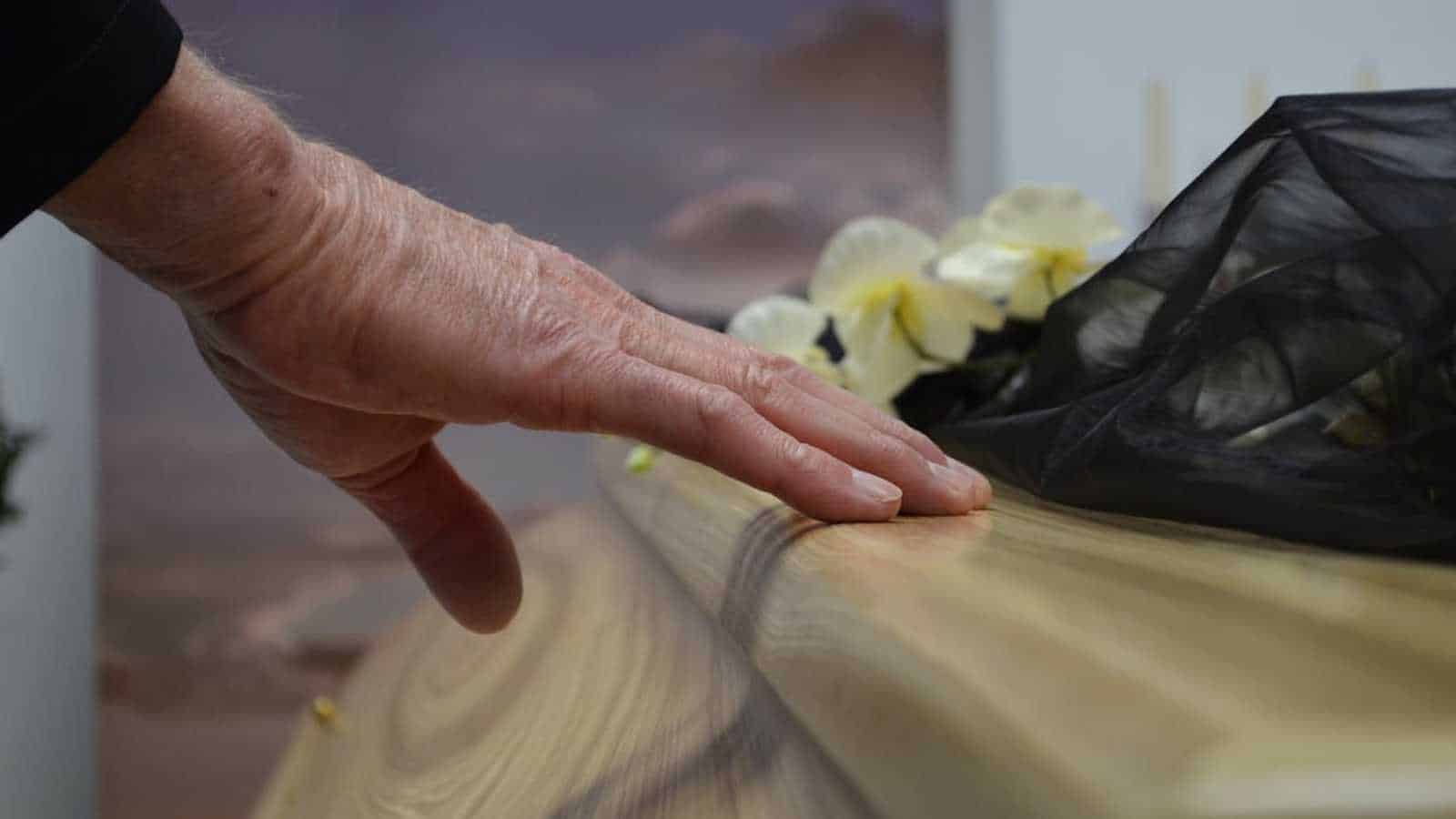
The open-casket viewing once gave families a formal moment to say goodbye, greet visitors, and move through grief with a familiar ritual. Many Americans still find comfort in that moment, especially in families that value physical presence and traditional mourning.
Still, shorter memorials and direct cremations now reduce the need for long viewing hours. Once families skip embalming or choose cremation first, the viewing often shrinks from a full evening event into a brief private goodbye.
The shift also reflects changing comfort levels around death. Younger families often want photos, videos, music, and stories instead of a public viewing that makes everyone whisper as if they’re in a library with better flowers.
NFDA reported that consumers increasingly prefer personalization, green options, and less emphasis on traditional religious elements, which puts long-term viewership under pressure. The tradition has not vanished, but it no longer sits at the center of every farewell.
Embalming as the automatic choice
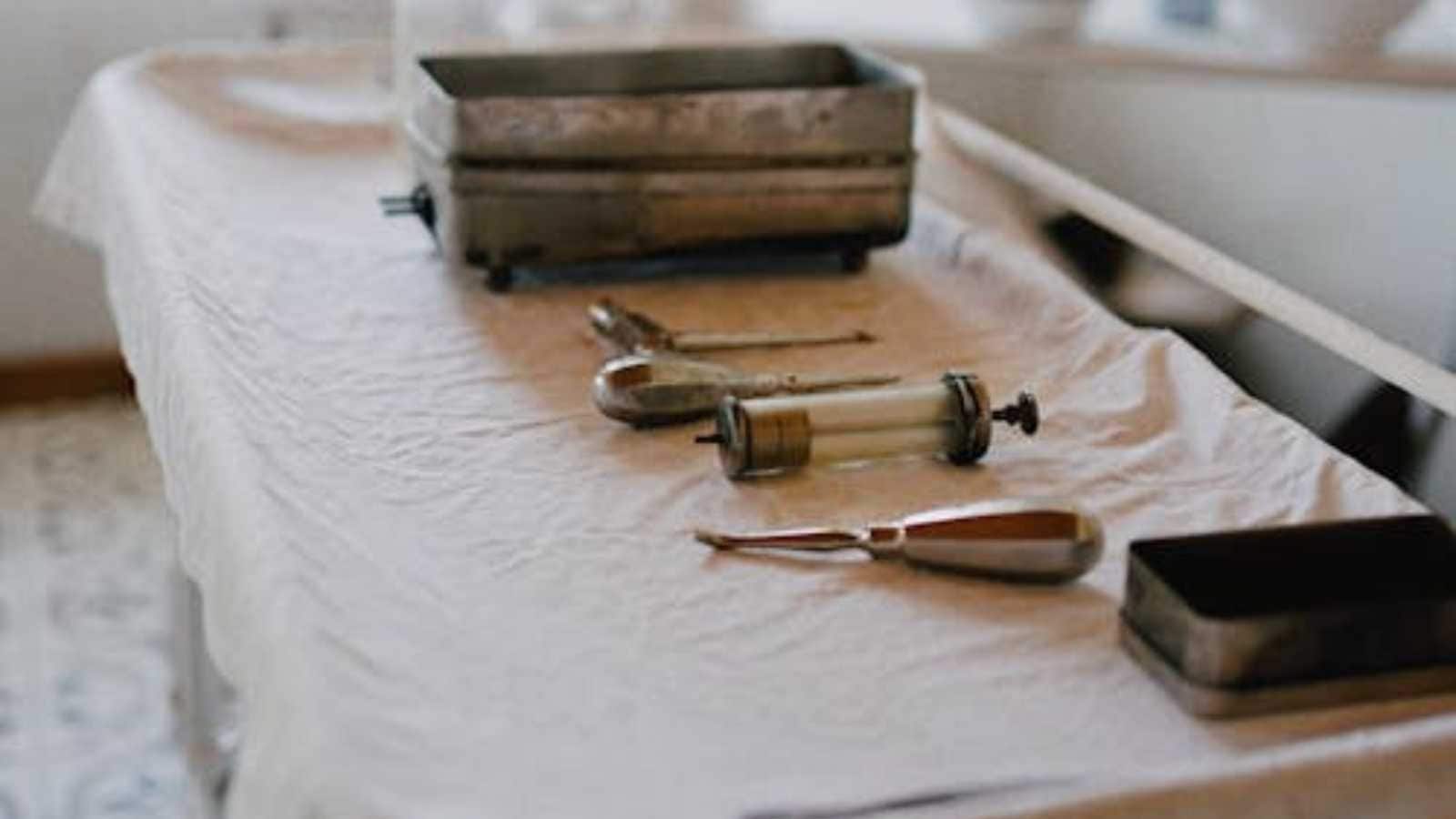
For decades, many families assumed that embalming was included in the funeral package, especially when they planned a viewing. The Federal Trade Commission makes the rules clear, though: funeral providers cannot charge for embalming without consumers’ permission, and they must provide consumers with itemized price information.
That matters because families now question every optional cost, especially when they choose direct cremation or a quick private service. A tradition loses power fast when people realize it never had to be automatic.
This change also relates to interest in green funerals. NFDA’s 2025 data shows 61.4% of consumers want to explore green funeral options, up from 55.7% in 2021. Many green-minded families avoid embalming chemicals, heavy caskets, vaults, and highly processed rituals because they want a simpler goodbye.
The old “prepare the body for a formal viewing” model still serves many families, but more Americans now ask, “Do we actually need this?”
The church-only funeral service
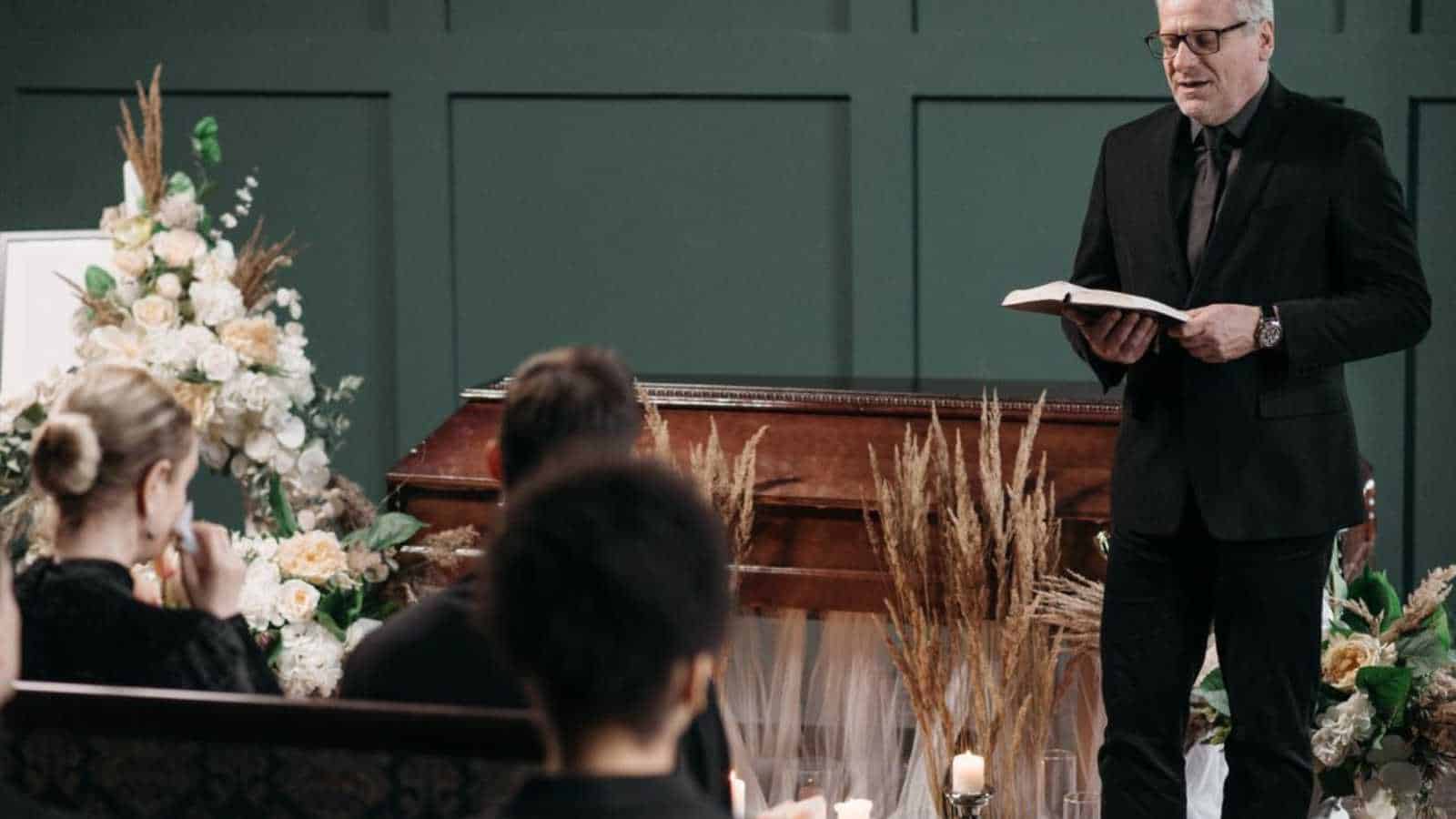
The church funeral still matters deeply in many communities, especially across the South, the Midwest, Catholic parishes, Black churches, and close-knit immigrant families. But the religious funeral no longer carries the same universal hold it once had.
Pew Research Center found that about 29% of U.S. adults now identify as religiously unaffiliated, and Gallup reported that weekly or near-weekly religious attendance has fallen to 30% from 42% two decades earlier. That cultural shift naturally changes how families plan final services.
More families now choose funeral homes, gardens, beaches, restaurants, community halls, and even backyards. The tone often moves from hymns and sermons to playlists, memory tables, photo slideshows, and stories that would probably make the pastor raise one eyebrow.
NFDA found that only 35% of respondents in one consumer study considered religion important in a loved one’s funeral, while interest grew in celebrants and non-clergy-led services. The church service has not disappeared, but it now shares the stage with far more personal formats.
The strict black-clothing rule

Black funeral clothes once sent a clear message: grief had a uniform, and everyone knew it. Today, families often ask guests to wear a loved one’s favorite color, sports jersey, floral print, cowboy boots, or something bright enough to make Aunt Linda whisper, “Well, that’s a choice.”
This change fits the rise of celebration-of-life services, where families honor personality more than etiquette. When the whole event feels less formal, the dress code naturally loosens too.
The trend toward personalized services keeps pushing this tradition aside. Dignity Memorial notes that families increasingly choose simpler, more casual, more uplifting gatherings, including outdoor and virtual memorials.
That does not mean people respect the dead less. It usually means they want the room to feel like the person they lost, not like a corporate board meeting with tissues.
The newspaper obituary

The newspaper obituary once announced a death to the whole town, and people clipped it, saved it, and mailed it to relatives. Now, families often post obituaries on funeral home websites, Legacy-style memorial pages, Facebook, Instagram, and family group chats.
Print newspapers keep shrinking as a daily habit, with Pew reporting that estimated U.S. daily newspaper circulation fell to 20.9 million in 2022, down 8% on weekdays and 10% on Sundays from the year before. When fewer people read the paper, fewer families treat print as the main announcement board.
The online obituary also offers something print never handled well: instant sharing, photos, comments, service updates, donation links, and a place for distant relatives to show up emotionally when they can’t show up physically.
NFDA’s 2019 research found that 55.6% of consumers had visited a funeral home’s website to look for an obituary, write a condolence, or find contact details. That trend has only become more normal as families plan faster and relatives scatter across states. The old newspaper notice still feels dignified, but the internet now moves grief at Wi-Fi speed.
The printed funeral program

Printed funeral programs still look beautiful when families design them well, and some people keep them in drawers for years. But many families now use digital slideshows, QR codes, online memorial pages, livestream links, and photo albums instead.
Funeral homes increasingly meet families online, and NFDA’s research page highlights consumer preference studies that track changing expectations around funeral service. When people can open a tribute page on their phones, the folded-paper program starts to feel less essential.
This does not mean printed programs lack value. They still help guests follow the service, read the obituary, and remember the day. But printing costs, last-minute edits, and digital convenience keep nudging families toward online versions.
And let’s be honest, someone always finds a typo after printing 150 copies, because grief apparently needs copyediting drama too.
The slow funeral procession
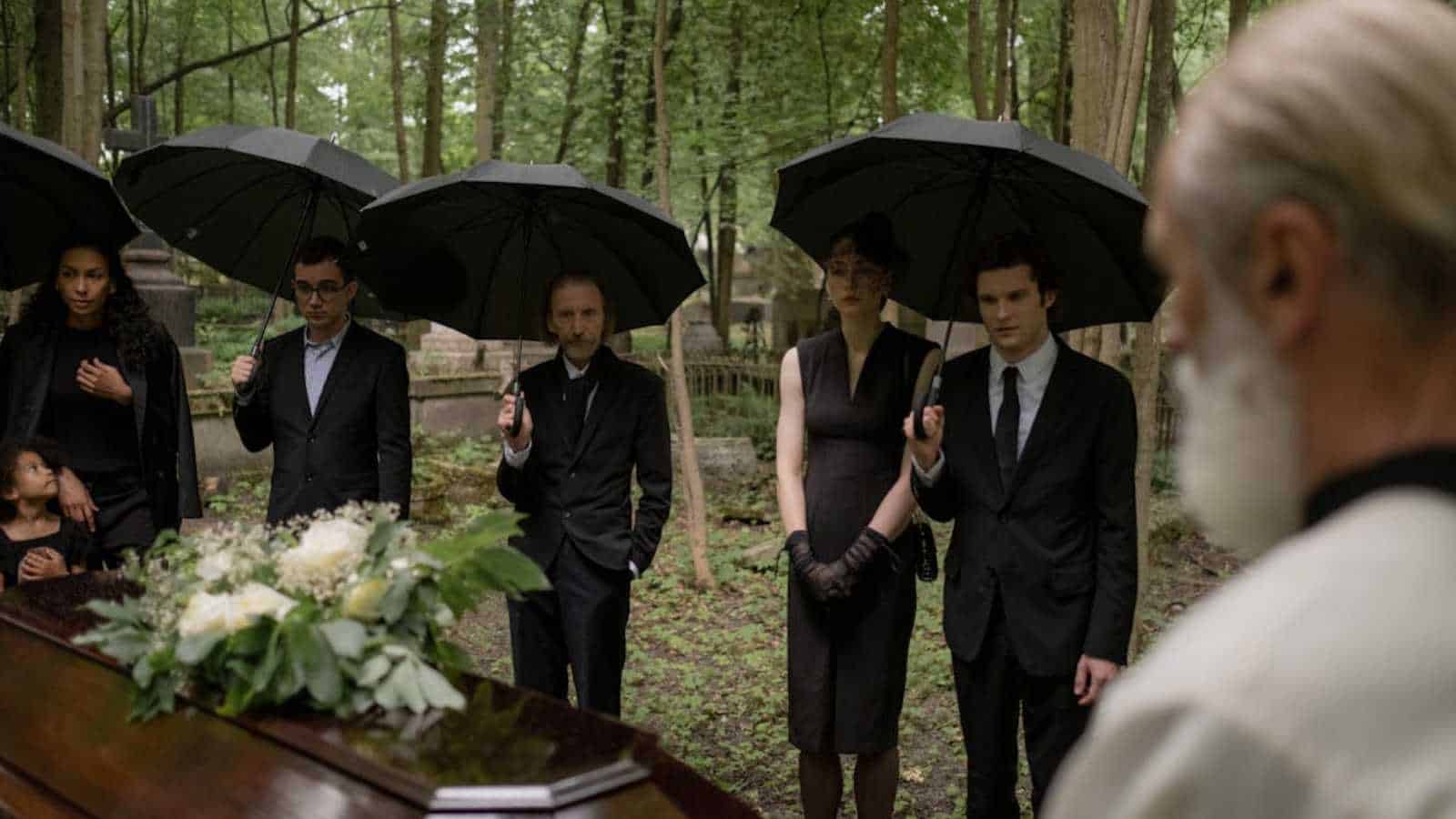
The long line of cars with headlights on once gave a funeral a public presence. Drivers pulled over, strangers paused, and the whole town seemed to acknowledge a life passing by.
Today, traffic, distance, cremation, rideshares, smaller services, and scattered families make that ritual harder to maintain. Many memorials now take place without a cemetery visit at all, especially when families choose cremation and hold a gathering later.
The procession also loses relevance when services move to nontraditional venues. NFDA’s 2025 media data says 58.3% of respondents have attended a funeral at a nontraditional location. If the family gathers at a park, restaurant, beach, or event space, no one needs a formal caravan crawling through town at 18 miles per hour. The gesture still feels powerful, but modern logistics keep making it rarer.
The formal graveside committal
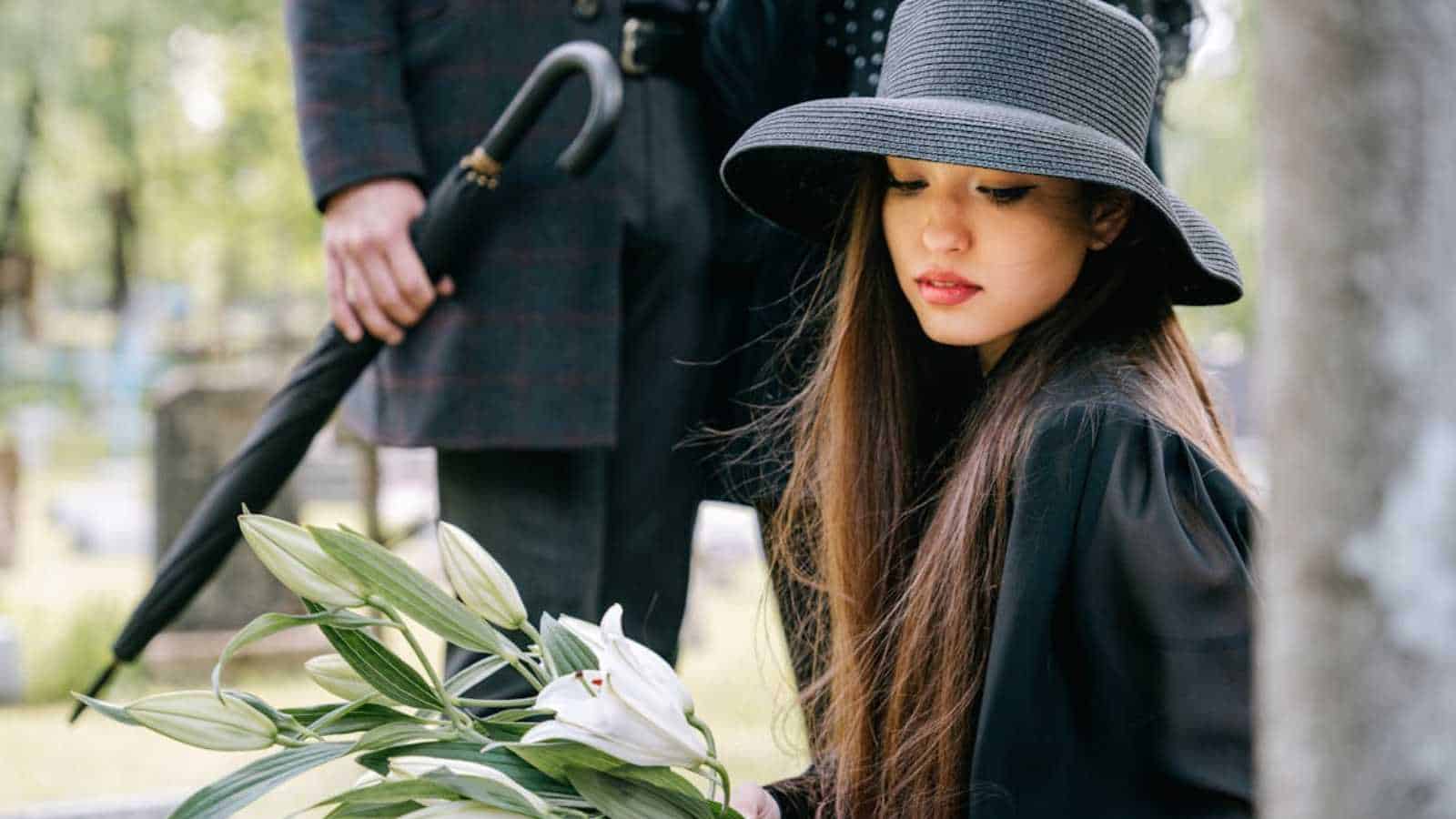
The graveside committal once closed the funeral with prayer, final words, and a physical lowering of the casket. It gave mourners a clear ending, which matters more than people admit. But cremation changes that timeline.
Families may scatter ashes months later, place them in a columbarium, keep them at home, or plan a private burial of remains with only a few relatives present.
CANA’s cremation data shows why this tradition keeps shrinking. When more than six in ten Americans choose cremation, fewer families follow the old pattern of service, procession, cemetery, and committal in one continuous day.
Some families still want that structure, and I understand why, because grief often needs a ritual finish line. But many families now build their own closing moment, from a lake scattering to a backyard toast.
The home wake
The home wake once turned grief into a neighborhood event. Relatives brought food, neighbors filled the kitchen, people told stories, and nobody cared that the coffee tasted like it had survived three presidents.
Today, many families live farther apart, houses feel smaller for gatherings, and professional venues handle the practical load. The tradition still survives in some cultural and religious communities, but it no longer defines mainstream American mourning.
The broader funeral trend now favors flexible gathering places. Dignity Memorial describes more casual, informal memorials, including outdoor and virtual gatherings, as families choose simpler, more personal services.
That shift does not erase the spirit of the wake. It simply moves it from the living room to a rented hall, a restaurant patio, a Zoom room, or a backyard celebration with folding chairs and someone’s surprisingly emotional Spotify playlist.
The paper condolence book

The paper condolence book once sat near the entrance, usually beside a framed photo and a pen that stopped working at the worst possible time. Guests signed their names, wrote short notes, and gave the family a physical record of who came.
Now, online memorial pages, funeral home websites, and social media comments capture condolences from people across the country. That wider reach changes the whole purpose of the guest book.
NFDA’s consumer findings show how digital grief has entered everyday funeral practices, with people using funeral home websites and Facebook pages to find obituaries, condolences, and service information.
Online comments also let friends share longer memories, photos, and stories that a small signature book could never hold. The paper version still feels intimate, and I personally like its old-school charm. But the digital version wins whenever Grandma’s cousin in Arizona wants to leave a message without booking a flight.
The flower-heavy sympathy display
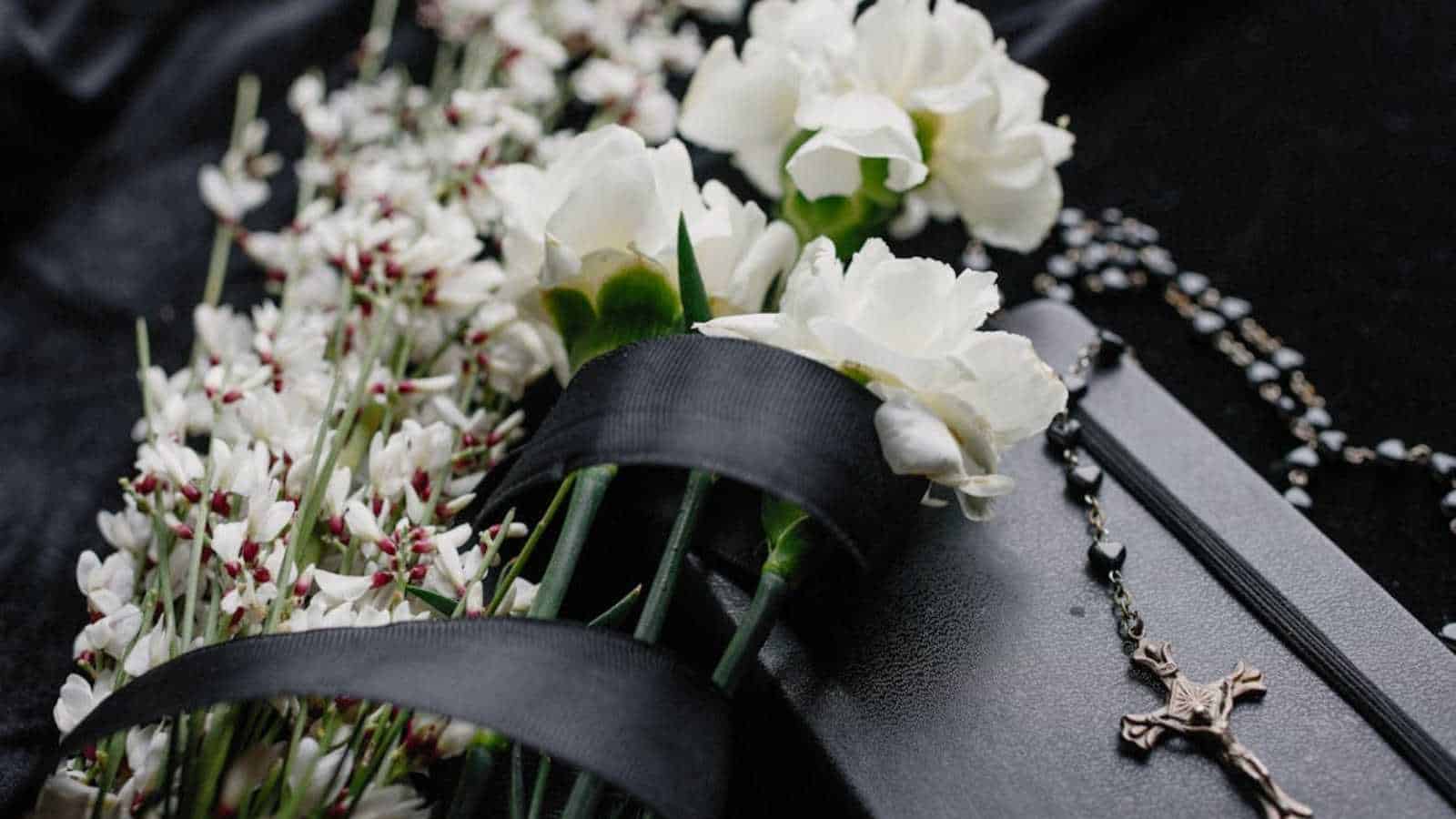
Funeral flowers still comfort many families, and a room full of lilies can make a service feel tender and cared for. Still, more families now request donations, plants, charity gifts, meal trains, or green memorial options instead of massive floral displays.
NFDA’s 2025 data showing 61.4% interest in green funeral options helps explain the shift. People increasingly ask what will last longer than flowers that wilt before the thank-you cards even begin.
This tradition also runs into cost and practicality. Flowers look beautiful, but they can overwhelm a small service, trigger allergies, and leave families wondering what to do with 27 arrangements after everyone goes home.
A donation to a hospice, animal shelter, scholarship fund, or church pantry can feel more personal and useful. The sympathy bouquet has not disappeared, but it now competes with gestures that feel more lasting.
Key takeaway
American funeral traditions are not vanishing because people care less. They are changing because families want farewells that feel more personal, more affordable, more flexible, and more honest. Cremation, digital planning, green burials, secular services, online obituaries, and celebration-of-life gatherings now shape how many Americans say goodbye.
The old customs still carry beauty, and some families will always choose them. But the new pattern feels clear: people want rituals that fit the life they’re honoring, not just the rulebook they inherited. And honestly, if a farewell includes tears, stories, good music, and one relative saying something slightly inappropriate but heartfelt, maybe the tradition still did its job.
Disclaimer: This list is solely the author’s opinion based on research and publicly available information. It is not intended to be professional advice.
Like our content? Be sure to follow us.