12 things to know when a restaurant refuses cash
The strangest part of a cashless restaurant is not the payment screen. It is holding real money in your hand and being told it is useless at the place where you buy lunch.
For some diners, “card only” feels quick, clean, and normal. Tap the phone, grab the receipt, move on. But for others, that small sign can feel like a door quietly closing. The FDIC’s 2023 survey found that 4.2% of U.S. households, about 5.6 million households, were unbanked, while 14.2%, about 19 million households, were underbanked.
Gallup also found that 64% of Americans think the U.S. will likely become cashless in their lifetimes. That puts restaurants right in the middle of a bigger national shift. This is not just about checkout convenience. It is about law, access, speed, privacy, and who gets served when cash no longer feels welcome.
No Federal Law Requires Restaurants to Accept Cash

The first thing to know is that the phrase printed on U.S. money sounds more powerful than it usually is at a restaurant counter.
The Federal Reserve puts it plainly: “There is no federal statute mandating that a private business, a person, or an organization must accept currency or coins as payment for goods or services.” That means a private restaurant can set a card-only policy at the federal level, unless a state or local law says something different.
The same Federal Reserve guidance explains that U.S. coins and currency are legal tender for debts, public charges, taxes, and dues, but this does not automatically require every private business to accept cash for every sale.
So if a café posts “cashless” before you order in a state with no cash-acceptance rule, your frustration may be real, but the federal law is probably not on your side.
Multiple States and Cities Have Banned Cashless Restaurants

The answer changes once you zoom in from federal law to state and local law. New York’s statewide cash-acceptance law took effect on March 21, 2026, making it illegal for covered food stores and retail establishments to refuse cash, with maximum civil penalties of $1,000 for a first violation and $1,500 for later violations.
New Jersey passed a similar law in 2019, with penalties reported as high as $2,500 for a first offense and $5,000 for a second, while Massachusetts has long had a cash-acceptance rule for retail businesses.
Cities such as New York City, Philadelphia, San Francisco, and Washington, D.C., have also pushed back against fully cashless retail or restaurant models. In plain English, geography matters. The same card-only sign that is allowed in one place may be a reportable violation a few miles away.
The “Debt vs. Purchase” Distinction Matters Legally
There is a legal idea people often raise when a dine-in restaurant refuses cash: the distinction between paying before service and settling a bill after service.
Federal legal-tender language refers to debts, and the Federal Reserve notes that U.S. money is a valid offer of payment for debts when tendered to a creditor. Still, that does not create a simple national rule that every restaurant must accept cash after every meal.
The safer way to understand it is this: if a restaurant tells you before you order that it is cashless, the terms are clearer; if it waits until after you have eaten, the situation becomes more awkward and may raise local-law, contract, or consumer-protection questions.
Do not turn the moment into a shouting match. Ask for a manager, point to the lack of notice if there was none, and check the law in that city or state.
Restaurants Must Display Cashless Policies Before You Order
Even where cashless policies are allowed, clear notice is the fair thing to do. Diners should not learn about a card-only rule after their plates are empty and the check arrives. In states or cities with cash-acceptance laws, the issue goes beyond courtesy.
New York law prohibits covered food stores and retail establishments from refusing to accept cash, requiring a cashless payment method, or charging a higher price to someone paying in cash.
New York Attorney General Letitia James said, “New Yorkers have a right to service no matter how they choose to pay,” and urged people to submit complaints if they believe a store is violating the new law.
For restaurants outside these laws, visible signs at the door, on menus, on ordering screens, and near registers still prevent conflict. A payment rule should be clear before hunger, embarrassment, and a busy line turn it into a scene.
Cashless Policies Disproportionately Affect Vulnerable Populations

A card-only restaurant may feel harmless to someone with two credit cards, Apple Pay, and a checking account. It feels very different to someone paid in cash, someone without a bank account, someone avoiding overdraft fees, someone rebuilding credit, or someone without stable housing.
The FDIC found that 4.2% of U.S. households were unbanked in 2023, while 14.2% were underbanked, meaning they had a bank or credit union account but still used nonbank services such as check cashing or money orders.
Square’s reporting on New York City cash use quoted then-Council Member Ritchie Torres saying, “Even if a cashless business model appears to be neutral on paper, it has a real-world exclusionary effect.” That is the heart of the access debate. Cashless can be efficient, but it can also quietly sort customers by their access to banking.
Limited Exceptions Exist Even in Cash-Mandatory States
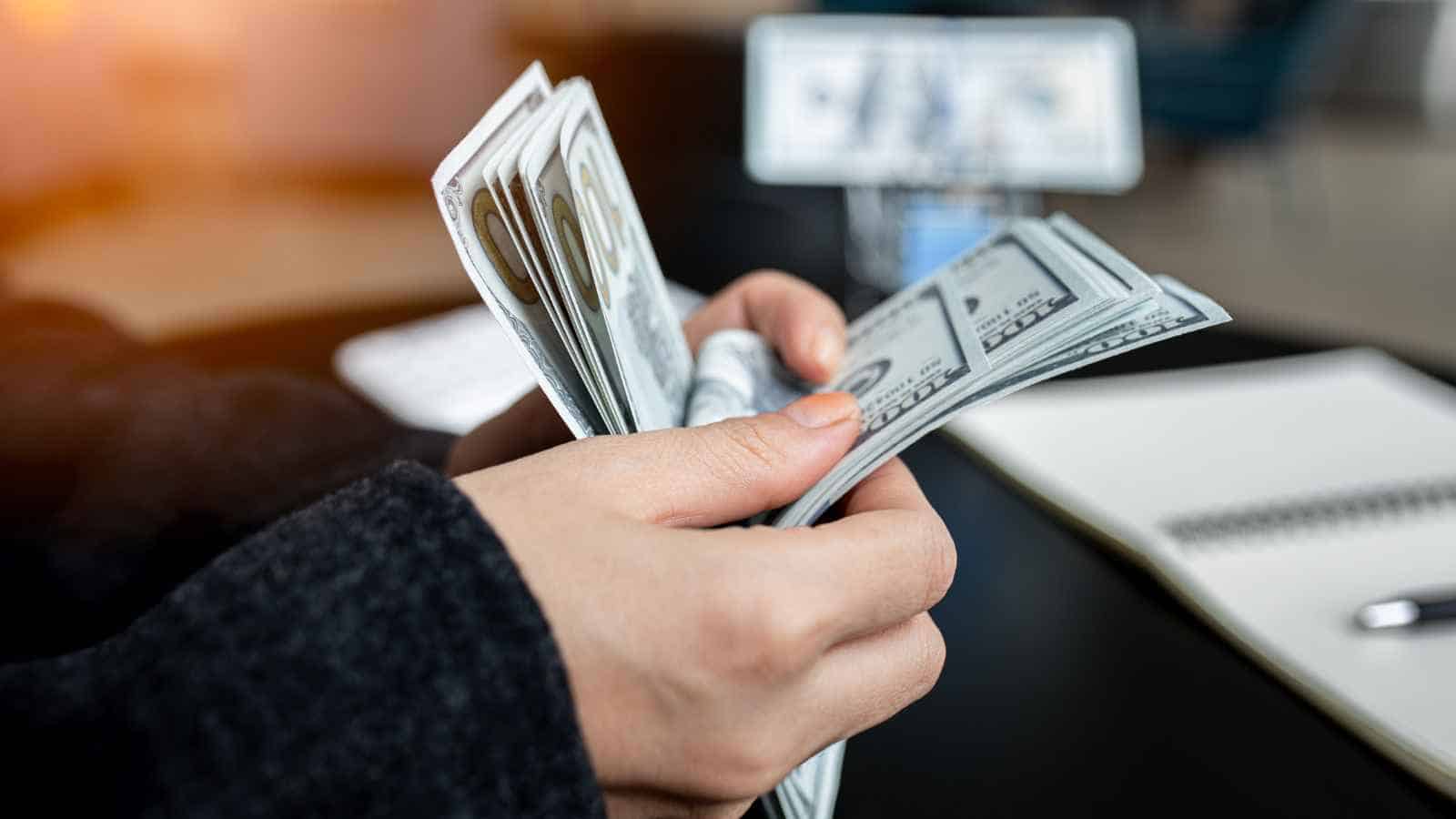
Cash-required does not always mean “every bill, every order, every situation.” New York’s 2026 cash law allows covered businesses to refuse cash bills above $20, and it does not require cash acceptance for telephone, mail, or internet transactions unless the payment happens on the premises.
The law also allows a business to use an on-site device that converts cash into a prepaid card, but the device cannot charge a fee or require a minimum deposit of more than $1. Those details matter to diners who show up with a $100 bill, place an online order, or see a reverse-ATM-style machine near the entrance.
Other cash-acceptance jurisdictions may have different carve-outs. So if a restaurant says it follows the law, ask what exception it is relying on. The answer should be specific, not a vague shrug toward “policy.”
“Legal Tender” Doesn’t Mean What Most People Think
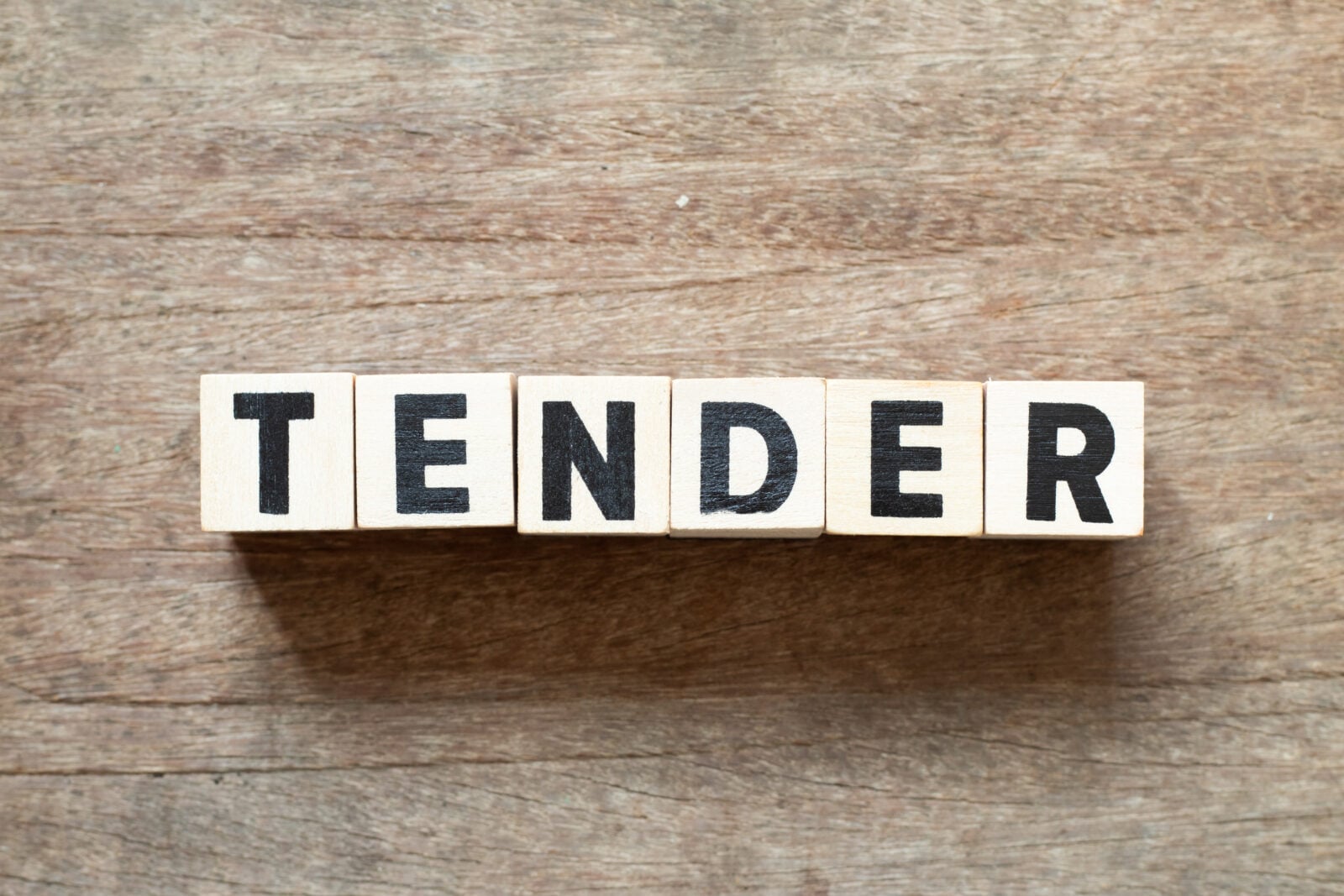
This is the phrase that causes the most confusion. “Legal tender” does not mean a business must accept your cash in everyday transactions. It means U.S. currency is valid for debts, public charges, taxes, and dues, but private businesses can generally set their own payment policies unless a state or local law restricts them.
The Federal Reserve explains both parts at once: U.S. money is legal tender for debts, yet there is no federal statute requiring a private business to accept cash for goods or services. That is why arguing with a cashier about the words on a dollar bill often goes nowhere.
The real questions are simpler: What state or city are you in? Did the restaurant disclose the policy before you ordered? Does a local cash-acceptance law apply? Once you know those answers, you are on firmer ground than a loud legal-tender debate at the register.
Manual Cash Handling Drives Restaurants Toward Cashless Models
Restaurants do not go cashless only because it looks trendy. Cash costs time. Someone has to count it, reconcile it, store it, make change, secure it, take deposits to the bank, investigate shortages, and train staff on theft or errors.
The National Restaurant Association’s 2024 restaurant technology research found that 48% of operators considered POS systems a spending priority, and 42% of limited-service operators planned to invest in contactless or mobile payment technologies.
That helps explain why a quick-service restaurant may prefer taps, swipes, QR codes, and mobile wallets: speed is money, and every minute at the counter matters. Still, the business reason does not erase the access problem.
A balanced restaurant policy should weigh efficiency against the needs and preferences of customers who still need or prefer cash. The best systems make checkout faster without making some diners feel invisible.
You Have Alternative Payment Options Beyond Cards

If you walk into a cashless restaurant without a physical card, you may still have options, though not everyone has equal access to them.
Mobile wallets such as Apple Pay, Google Pay, and Samsung Pay can work if you have already loaded a debit or credit card. Some restaurants accept PayPal, Venmo, Cash App, prepaid cards, or gift cards, and some cash-mandatory jurisdictions allow no-fee machines that turn cash into prepaid cards.
The FDIC’s 2023 survey shows why this is not a perfect fix: 5.6 million U.S. households were unbanked, and many underbanked households rely on nonbank services, so a phone tap may still require access to an account someone does not have.
It is smart to carry a backup payment method, but restaurants should not pretend that digital alternatives solve access for everyone. A workaround helps only if the customer can actually use it.
Digital Payment Adoption Is Accelerating Dramatically

Digital restaurant payments are not a passing trend; they are part of how the industry is rebuilding service.
The National Restaurant Association reported that 70% of limited-service diners were comfortable ordering through a smartphone app, 52% through a QR code, and 68% were willing to pay contactlessly or via mobile in limited-service restaurants.
In full-service restaurants, many diners also said they would pay via contactless or mobile options, such as smartphone apps, digital wallets, QR codes, or tableside tablets. For restaurants, these tools can shorten checkout times, reduce manual errors, ease staffing pressure, and integrate ordering, tipping, reporting, and loyalty programs into a single system.
Diners can feel at ease and clean. The tension is that convenience for the majority can still become exclusion for the minority. A modern payment system should move fast, but it should not leave cash users standing outside the meal.
Restaurants Risk Losing Significant Customer Segments

Cash use is down, but it is not dead. Gallup found that 13% of Americans said they used cash for most purchases in 2022, down from 28% five years earlier, and 64% said the U.S. is likely to become cashless in their lifetime.
Pew Research also found that in 2022, 41% of Americans said none of their purchases in a typical week were paid for with cash, up from 29% in 2018 and 24% in 2015. Those numbers tell two stories at once. Yes, digital payment is growing. Yes, a large share of people still use cash for some purchases, emergencies, budgeting, privacy, tipping, small transactions, or habit.
A restaurant that refuses cash may gain speed, but it may also lose older diners, low-income customers, privacy-minded customers, tourists, teenagers, and anyone caught without a working card. Cashless systems may be efficient, but they are not always welcoming.
You Can Report Violations in States with Cash Payment Laws
If you are in a place with a cash-acceptance law, you do not have to handle the situation by arguing with a cashier who may just be following instructions. Document it. Write down the restaurant name, address, date, time, what you tried to buy, what the staff said, and whether there was a sign. Take a photo of the cashless notice, if posted.
In New York, the attorney general’s office says people can file a complaint if they believe a store is violating the statewide cash law, which allows penalties of up to $1,000 for a first violation and $1,500 for subsequent violations.
Other cities and states have their own complaint channels, usually through consumer protection offices, city agencies, or the attorney general’s office. Keep the interaction polite. The goal is not to punish a worker at the counter. It is to help enforce rules designed to keep basic purchases open to more people.
Not all cashless restaurants are villains, and cash users are not living in the past. Restaurants want speed, safety, cleaner accounting, and shorter lines. Diners want access, privacy, backup options, and a way to pay that works for their lives. The fairest future may not be cash-only or card-only. It may be a choice.
Key Takeaways

- No federal law forces private restaurants to accept cash.
- State and local laws can change the answer.
- New York’s statewide cash law took effect on March 21, 2026.
- FDIC data shows 4.2% of U.S. households were unbanked in 2023.
- “Legal tender” does not mean every restaurant must accept cash for every sale.
- Restaurants go cashless for speed, safety, staffing, and accounting reasons.
- Cashless policies can exclude people who lack cards, accounts, credit, or smartphones.
- In places with cash-acceptance laws, diners can document and report violations.
Disclaimer – This list is solely the author’s opinion based on research and publicly available information. It is not intended to be professional advice.
Like our content? Be sure to follow us