10 ways the numbers expose the reality of violence against women
Violence against women is often discussed as a series of individual tragedies. One assault. One killing. One headline. One survivor trying to rebuild a life that should never have been shattered in the first place.
But this is not a private problem happening in isolated corners of the world. It is a persistent global system of harm, one that follows women into homes, relationships, workplaces, war zones, online spaces, hospitals, police stations, and courtrooms.
UN data show that around the world, a woman or girl is killed by a partner or family member roughly every 10 minutes. The data does not tell every story, because many women never report what happened to them. Still, what we can measure is already devastating enough.
This is what the numbers show, and why they should make every government, workplace, school, platform, family, and community uncomfortable.
The scale is still staggering

The World Health Organization estimates that nearly 1 in 3 women worldwide have experienced physical and or sexual violence by an intimate partner, non-partner sexual violence, or both in their lifetime. Updated WHO and UN figures put that number at about 840 million women. That is not a fringe issue. That is a global public health crisis wearing the face of someone’s daughter, sister, mother, friend, colleague, neighbor, or self.
Numbers this large can become hard to feel, so bring them back to the room. If three women are sitting at a table, statistically, one may carry a story of violence she may never fully tell. That does not mean every woman’s experience is the same, or that men never experience violence.
It means gendered violence is so widespread that it shapes how women move through the world, how they date, how they travel, how they post online, how they leave relationships, and how they learn to scan a room before relaxing inside it.
The numbers have barely moved

One of the most painful truths in the data is not only that violence against women remains common. It is that the global prevalence has barely changed in decades. WHO’s recent updates show that lifetime exposure remains close to 1 in 3, despite laws, campaigns, awareness months, speeches, training sessions, hashtags, and public promises.
That stagnation matters because progress can look impressive in policy language while women’s real lives barely change. A country can pass a law and still fail to fund shelters. A school can hold an assembly and still ignore harassment. A workplace can write a policy and still punish women who report.
The numbers remind us that symbolic progress is not enough. Women do not need better slogans. They need safety that shows up in the data.
Most abuse happens close to home

The old fear story often tells women to watch out for strangers in dark streets. That risk is real, but the data points somewhere more intimate and more disturbing. WHO and UN Women consistently show that much violence against women is committed by current or former intimate partners. For many women, danger does not arrive as a stranger. It sleeps in the same house, shares a bank account, knows the children’s names, and understands exactly how to make leaving feel impossible.
This is why “just leave” is such a shallow answer. Abuse often comes wrapped in love, dependency, housing, immigration status, religion, family pressure, financial control, apology, and fear. A woman may not be choosing danger. She may be managing it day by day with the tools she has. The numbers reveal what survivors have said for generations: home is not automatically safe just because it has a front door.
Femicide makes the hidden pattern visible
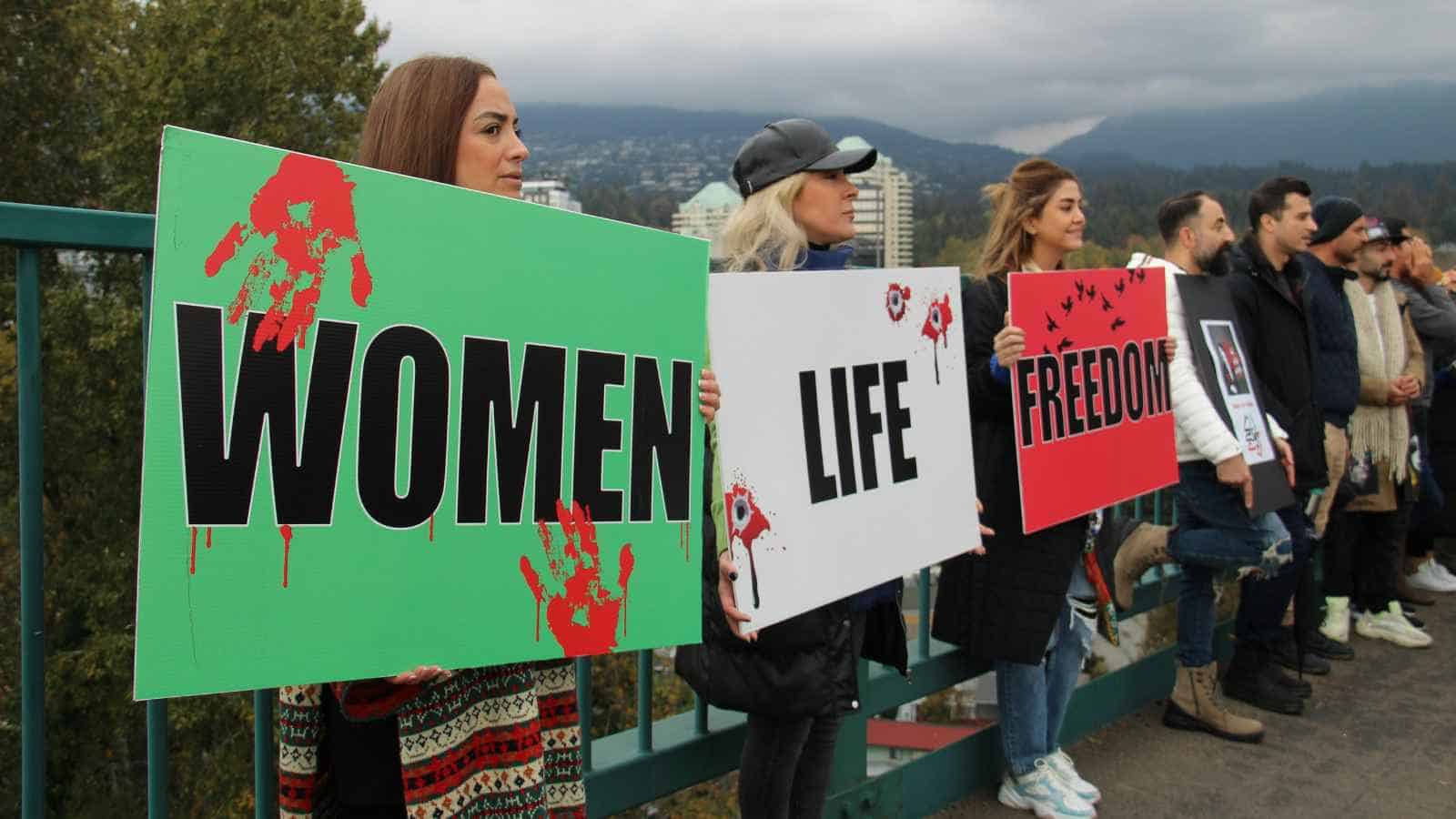
Femicide is the most brutal endpoint of a pattern that often begins much earlier: threats, control, stalking, isolation, coercion, humiliation, physical abuse, sexual violence, and ignored warning signs. UNODC and UN Women estimate that 50,000 women and girls were killed by intimate partners or family members in 2024. That is about 137 women and girls every day.
The contrast with male homicide patterns makes the gendered reality even clearer. Women are far more likely than men to be killed by someone close to them. These deaths are not random flashes of violence. Many are the final act in a longer story of power and control. When a woman says she is afraid of a partner, an ex, a relative, or someone who will not leave her alone, the data says we should listen early, not mourn late.
Many women never seek help

The reporting gap is one of the most important numbers in this story. UN Women has reported that fewer than 40% of women who experience violence seek any kind of help, and fewer than 10% of those who seek help go to the police. That means official reports capture only a fraction of what is happening.
There are many reasons women stay silent. Shame. Fear. Children. Money. Disability. Immigration risk. Distrust of police. Pressure from family. Threats from the abuser. Lack of shelters. Religious stigma. Fear of not being believed. Fear of being believed and still not protected. Underreporting is not proof that violence is rare. It is proof that many systems still feel too unsafe for survivors to enter.
The harm goes far beyond visible injuries

Violence against women does not end when the immediate incident ends. WHO links intimate partner violence and sexual violence to depression, anxiety, post-traumatic stress, unplanned pregnancy, sexually transmitted infections, HIV risk, reproductive harm, physical injury, and long-term health consequences. The body remembers what the world wants to move past.
This matters because survivors are often judged by what others can see. No bruise, no proof. No police report, no problem. No visible wound, no urgency. But trauma can show up in sleep, appetite, memory, parenting, work, intimacy, chronic pain, fear, panic, and the slow shrinking of a life once lived freely. Violence is not only an event. It can become a health burden that follows a woman for years.
The economic cost is enormous

Violence against women also drains economies, workplaces, families, and public systems. The World Bank has said gender-based violence can cost countries up to 3.7% of GDP in lost productivity, and more recent World Bank commentary points to a global annual cost of roughly $1.5 trillion. That is the kind of number governments usually reserve for emergencies. This is one.
But behind the economic loss are women losing wages, missing work, paying for medical care, moving homes, hiring lawyers, replacing phones, losing jobs, and trying to rebuild safety from scratch. Violence makes women poorer. Poverty can also make violence harder to escape. The cycle is not accidental. It is why safety is also an economic justice issue.
Conflict and crisis make the danger worse
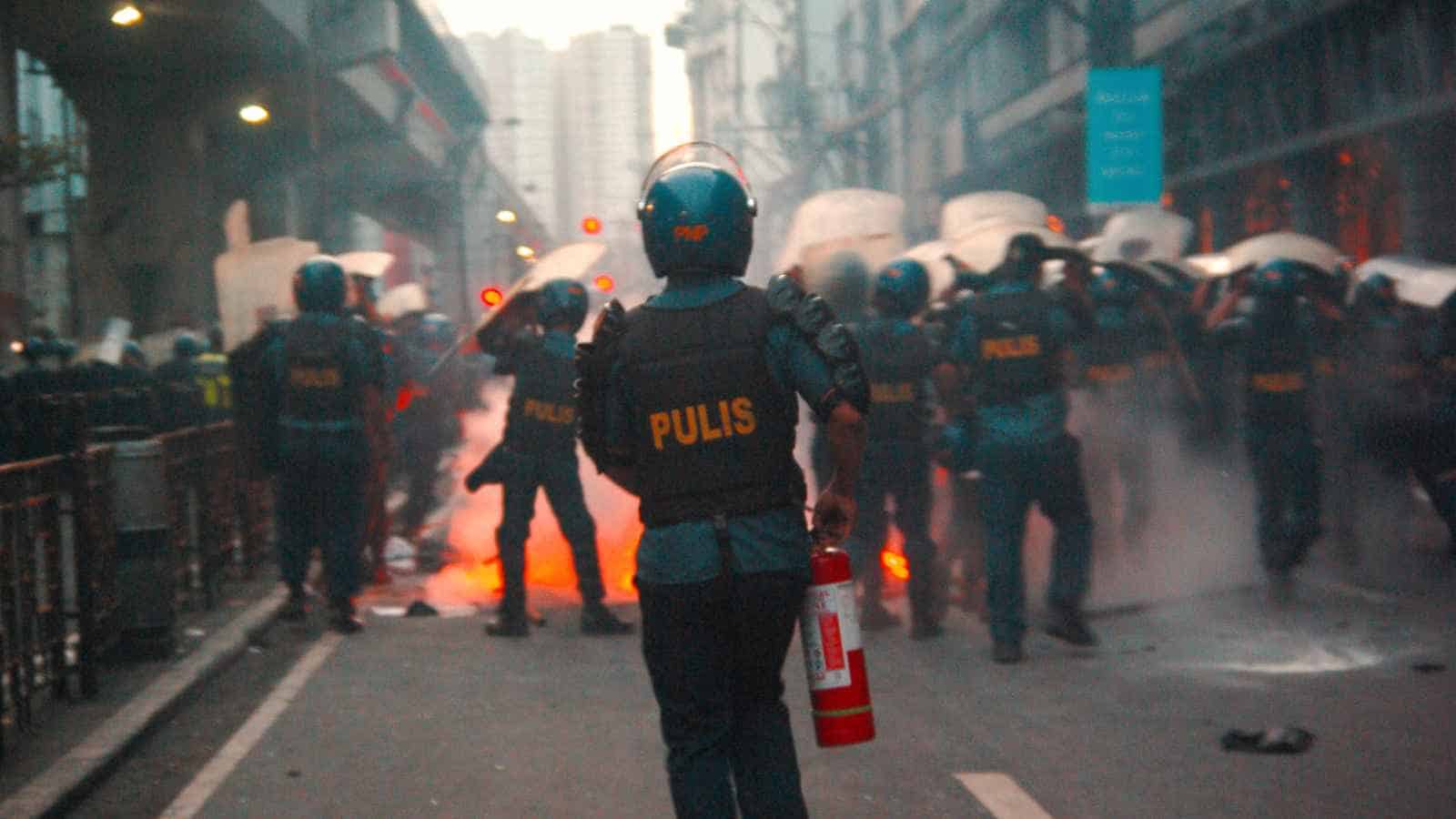
Violence against women rises when the world becomes less stable. War, displacement, climate disasters, economic shocks, and humanitarian crises can all increase risk by weakening protection systems and forcing women into more vulnerable conditions. UN reporting has warned that conflict-related sexual violence increased sharply in 2023, and that hundreds of millions of women and girls are affected by war and insecurity.
Crisis does not create misogyny from nothing. It reveals and intensifies it. When food, shelter, transport, healthcare, documents, and protection become harder to access, women and girls often face higher risks of exploitation, trafficking, forced marriage, assault, and survival sex. In emergencies, safety must be treated as essential, not optional. A disaster response that does not protect women is not a complete response.
Online abuse is now part of the violence map
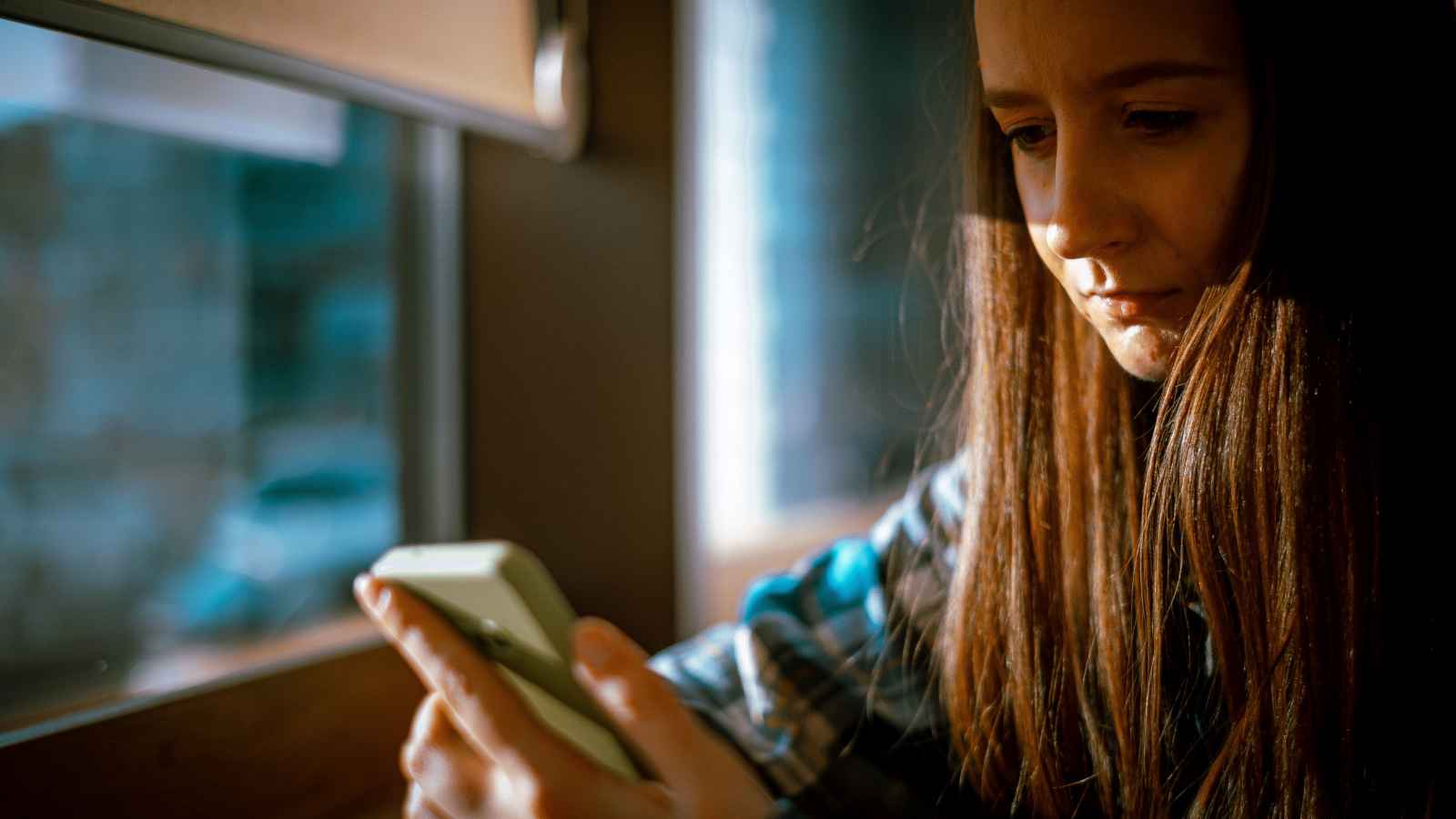
The internet did not replace offline violence. It expanded the territory. Women now face threats, stalking, sexual harassment, doxxing, deepfake abuse, image-based abuse, coordinated hate campaigns, and intimidation through screens that follow them into bedrooms, workplaces, schools, and public life.
UNESCO reported that 75% of women journalists surveyed in 2025 experienced online violence while doing their jobs, up from 73% in 2020. UN Women-linked reporting also found that 42% of women journalists and media workers connected offline harm with online violence they had experienced. That is the point that too many people still miss.
Digital abuse is not “just comments.” It can silence women, endanger them, damage careers, and teach them that being visible comes with a threat attached.
The data gaps are part of the problem

Even these numbers are incomplete. Violence against women is difficult to measure because survivors may not report, police records may be inconsistent, surveys may not reach the most vulnerable groups, and some countries still lack strong systems for collecting and comparing data. The European Institute for Gender Equality continues to work on improving police and justice data collection, while WHO has emphasized the need to strengthen evidence on the size, nature, and consequences of violence.
At the same time, UN Women’s global database shows that countries have passed thousands of legislative measures addressing violence against women and girls. That is important, but it is not enough. Laws without enforcement, shelters without funding, courts without speed, data without action, and police systems without survivor trust cannot carry the weight of this crisis. The numbers expose reality. Now the question is whether institutions will stop treating that reality as background noise.
The takeaway
Violence against women is not inevitable. It is not private. It is not a cultural tradition. It is not bad luck. It is not a misunderstanding between two people. It is a human rights violation, a public health crisis, an economic drain, a safety failure, and a gender equality emergency that continues because too many systems still move slowly around women’s pain.
This story is heavy because it is close. It may touch someone you love. It may touch you. But the purpose of these numbers is not despair. It is clarity. When the data says nearly 1 in 3 women worldwide have experienced physical or sexual violence, the question is no longer whether this is serious. The question is how much longer the world plans to keep knowing and still not doing enough.
Disclaimer – This list is solely the author’s opinion based on research and publicly available information. It is not intended to be professional advice.
Like our content? Be sure to follow us