12 ways 1950s propaganda tricked America into chasing a broken dream
The 1950s are often sold back to America in soft colors: neat lawns, shiny cars, smiling mothers, obedient children, full refrigerators, church clothes, kitchen appliances, and a father coming home to a house where every problem has already been dusted, cooked, and folded away. It is a powerful image because it feels simple. It promises order. It promises safety. It promises a life where everyone knows their role and the future behaves.
But that dream was never as innocent as it looked. It was sold through television, advertising, Cold War fear, suburban policy, gender rules, racial exclusion, and a consumer economy that taught people to confuse buying with belonging. The 1950s dream did not reach everyone, and for many women, Black families, working-class households, and people who refused to conform, it came with a locked door, a warning label, or a script they were expected to perform.
The decade did not just give America a dream. It gave America a template for chasing happiness through consumption, silence, sameness, and debt. Here are 12 ways 1950s propaganda helped sell that broken dream.
Television turned the living room into a sales floor

Television did not just entertain America. It trained America to want. As TV sets spread through homes, advertisers gained a new kind of intimacy. They were no longer waiting on billboards or magazine pages. They were inside the living room, sitting beside the family dinner, showing people what to buy, how to look, and what a “successful” household was supposed to own.
Stanford research on early television access found that retail sales grew faster in counties with TV service during the FCC Freeze era, with especially strong effects in automobiles. That matters because television did not simply reflect consumer culture. It helped build it. The screen turned products into proof: the right car, the right appliance, the right cereal, the right sofa, the right family life. The message was gentle but relentless. If you wanted the American dream, you could start by buying the props.
The nuclear family was sold as timeless, even though it was historically unusual

The 1950s nuclear family was packaged as tradition: father at work, mother at home, children gathered safely inside a tidy suburban house. But historians have argued that this version of family life was less an eternal truth and more a brief, heavily promoted historical moment.
It became the image of “normal,” even though American families had always been more varied, messier, larger, more extended, more economically pressured, and more dependent on women’s labor than the TV version admitted.
That myth placed enormous pressure on women. A wife and mother was supposed to find fulfillment in domestic calm, even when many married women were already working, struggling, or wanting lives beyond the kitchen. The dream did not simply describe a family. It disciplined one. It taught women that dissatisfaction was failure, not evidence that the role was too small.
Cold War fear made conformity look patriotic

The Red Scare turned suspicion into a civic habit. During the early 1950s, McCarthyism encouraged Americans to watch what they said, who they knew, what they believed, and how closely they followed the approved script. Political disagreement could be framed as disloyalty. Difference could become danger. Fear made silence feel safer than honesty.
That fear did cultural work. It made the tidy suburban family, religious belonging, consumer confidence, and patriotic obedience seem like shields against communism. The message was not only “love America.” It was “perform America correctly.”
For women, queer people, artists, workers, racial justice organizers, and anyone who challenged the rules, conformity could become a survival strategy. The dream asked for a smile, but it also carried a threat.
Suburban prosperity was built with racial locks on the door

The postwar suburb is still one of the most powerful images of 1950s success. A lawn. A driveway. A school nearby. A mortgage. A place to raise children and build wealth. But that version of the American dream was not equally available. Federal housing policy, redlining, restrictive covenants, and private discrimination systematically excluded Black families and other families of color from the suburbs that helped many white families build generational wealth.
The FHA’s underwriting guidance helped normalize racial segregation in lending by treating racial “stability” as a risk factor. Levittown became a symbol of mass suburban homeownership, but early versions of that dream excluded nonwhite buyers through discriminatory rules and practices. The result was not just unfair housing. It was stolen wealth, blocked mobility, and a racial gap that followed families for generations.
The GI Bill helped build white wealth while leaving many Black veterans behind
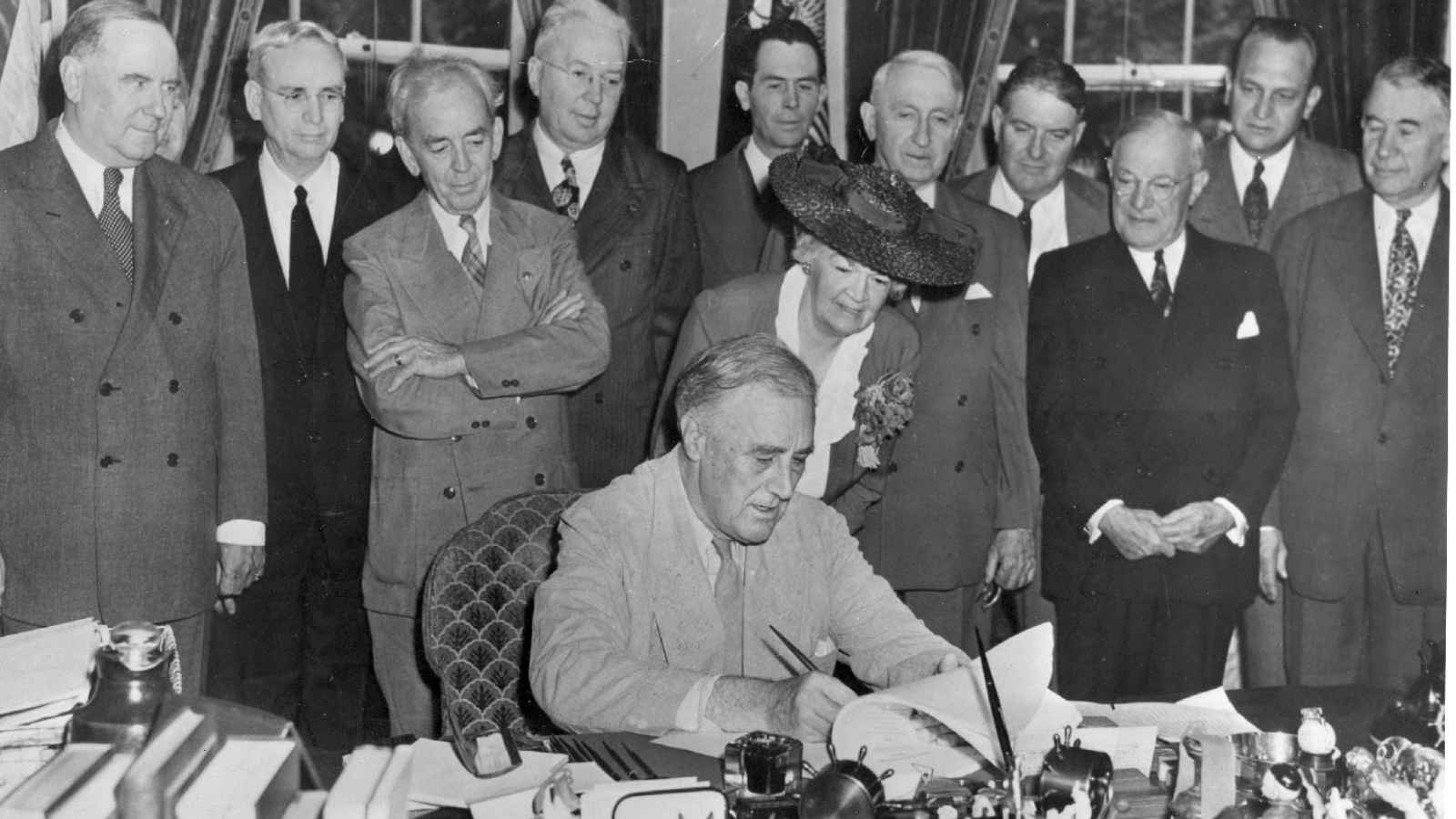
The GI Bill is often remembered as a triumph of opportunity, and for many white veterans, it was. It helped open doors to college, homeownership, business growth, and middle-class stability. But the benefits were administered in ways that allowed local discrimination to shape who could actually use them.
Research from Brandeis University’s Institute for Economic and Racial Equity found that descendants of white World War II veterans held far more wealth than descendants of Black veterans, with one estimate showing white veteran descendants holding about 32 times the wealth of Black veteran descendants.
That is the painful underside of the postwar dream. Black veterans served the country, but many were denied equal access to the very tools that helped white families buy homes, attend college, and pass wealth to their children.
Planned obsolescence made dissatisfaction profitable
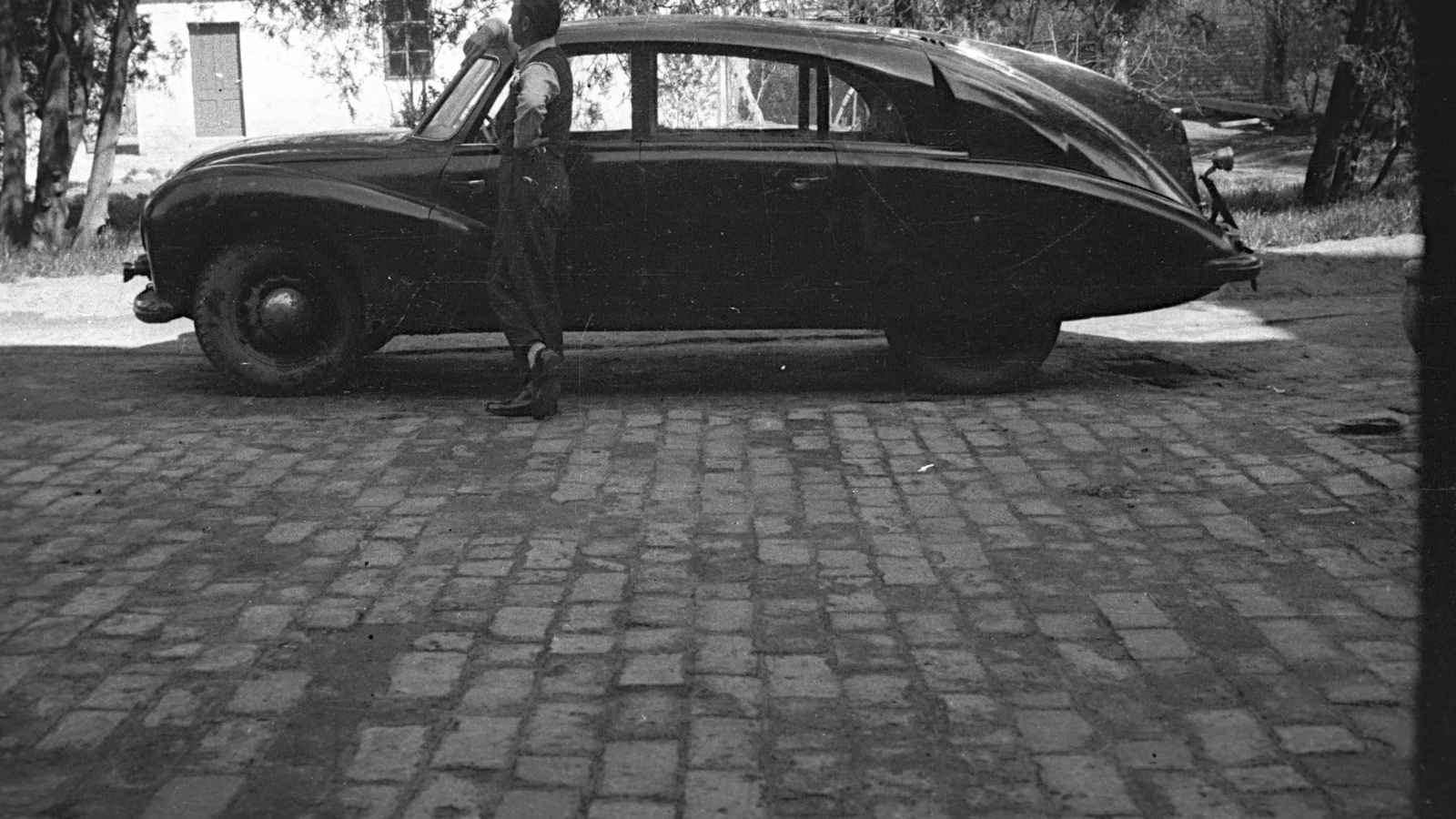
The 1950s did not only sell products. It sold the feeling that last year’s product was already embarrassing. Industrial designer Brooks Stevens popularized the term “planned obsolescence” in the 1950s, defining it as the desire to own something newer, better, and sooner than necessary. That idea fit perfectly into a consumer economy that needed people to keep replacing things that still worked.
Cars became a perfect example. New models, changing shapes, fresh colors, and subtle design updates encouraged families to trade up before they needed to. The dream was no longer just ownership. It was a constant upgrade. That logic still haunts modern life: the phone that feels old too soon, the wardrobe that needs refreshing, the home that never looks current enough. The 1950s helped teach America that wanting more was not a flaw. It was the engine.
Women were pushed back into the home and told it was freedom
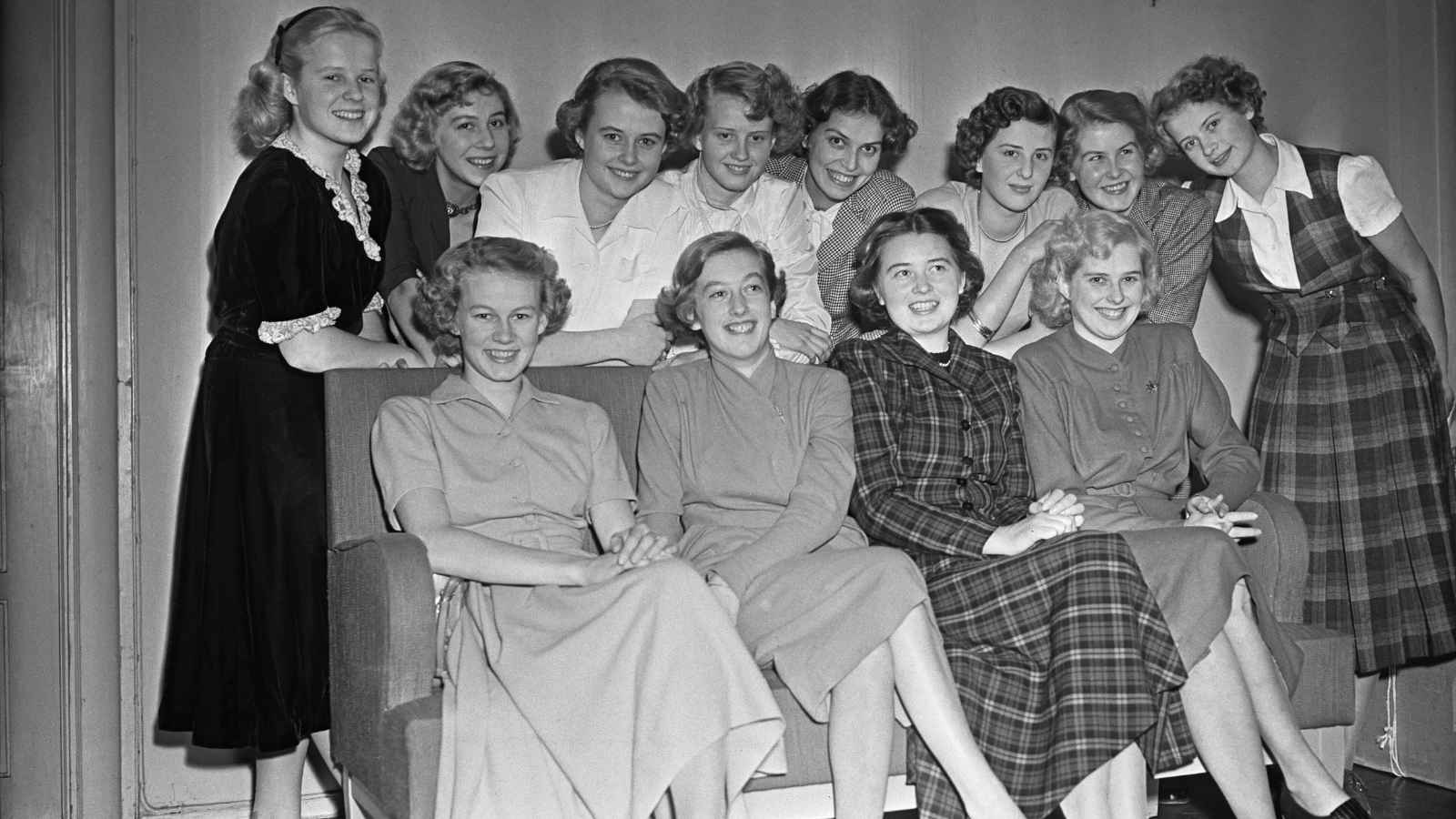
After World War II, many women who had worked in factories, offices, and public life were pushed back toward domesticity. The propaganda was not subtle. Magazines, ads, advice columns, schools, and television all helped sell the idea that a good woman found her highest purpose as wife, mother, homemaker, emotional manager, and smiling keeper of the household.
Popular shows such as Leave It to Beaver and Father Knows Best portrayed domestic womanhood as wholesome, happy, and natural. But this “natural” role needed constant reinforcement because many women wanted more, needed paid work, or already lived outside the fantasy.
Black women, working-class women, single women, and immigrant women were often excluded from the soft-focus homemaker ideal while still expected to serve and support households in other ways. The dream called some women queens of the home while trapping them inside it.
The kitchen became a Cold War weapon
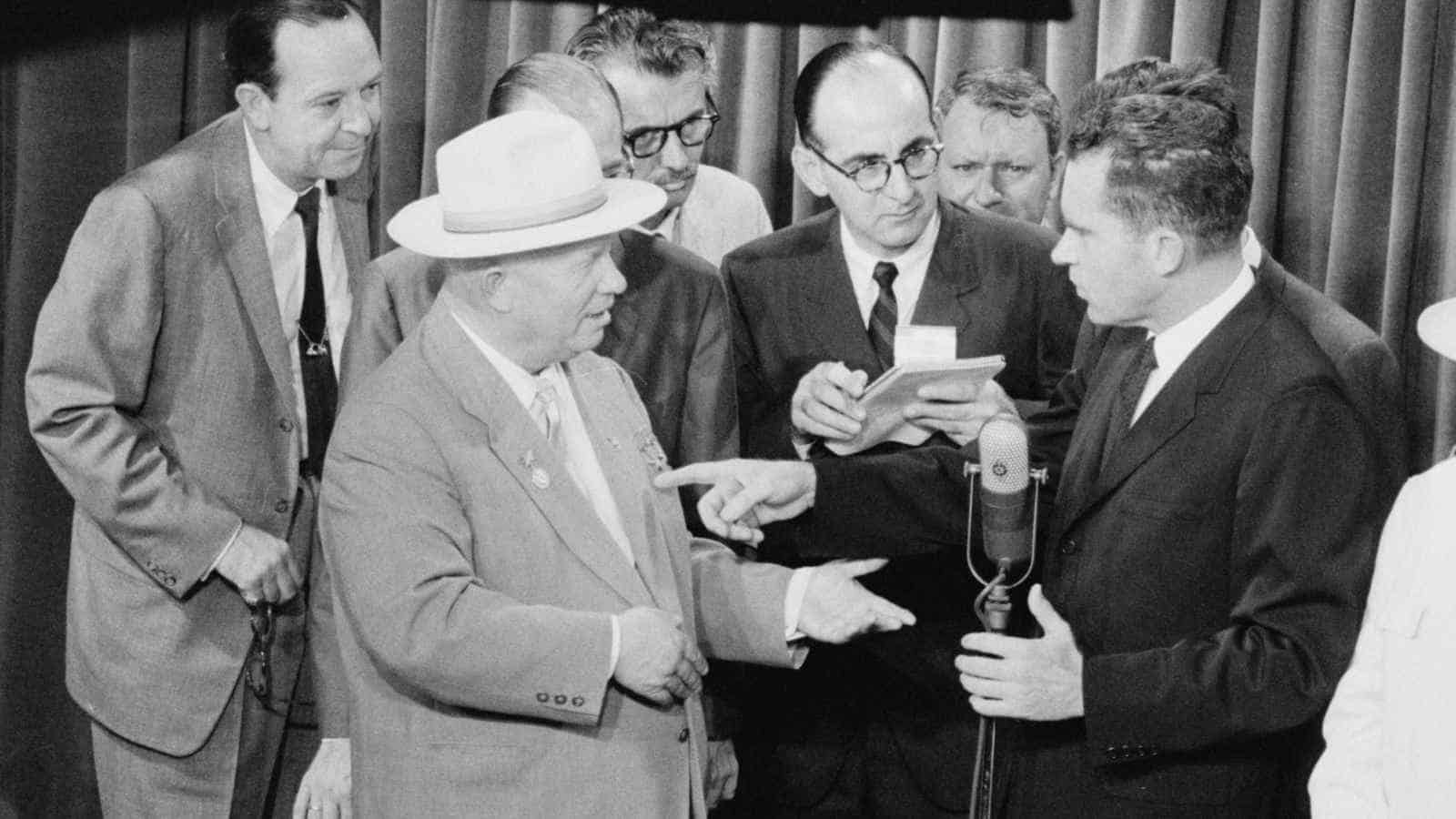
The famous 1959 Kitchen Debate between Richard Nixon and Nikita Khrushchev turned appliances, cabinets, washing machines, and suburban convenience into ideological proof. America was not just saying capitalism produced weapons or wealth. It was saying capitalism produced a better kitchen, a happier housewife, a fuller freezer, and a life of beautiful consumer choice.
That image was clever because it made politics feel personal. Freedom was not presented only as speech or voting. It was presented as the ability to choose from rows of products and live inside a shiny home full of labor-saving devices. But the kitchen was still a kitchen, and women were still expected to stand inside it. The appliances may have looked like liberation, but the gender script remained firmly plugged in.
Suburbs made car dependency feel like progress

The 1950s dream had a driveway for a reason. Suburbs were built around cars, and the Federal-Aid Highway Act of 1956 helped remake American life around highways, commuting, and automobile access. The car became more than transportation. It became freedom, status, privacy, adulthood, masculinity, family mobility, and proof that you had arrived.
But car-centered life carried hidden costs. It separated homes from jobs, shops, schools, and public life. It made families more dependent on fuel, roads, insurance, maintenance, and debt. It also shaped women’s lives in complicated ways, especially suburban mothers who became unpaid chauffeurs for children, errands, groceries, school events, and social obligations.
The dream promised open roads, but it also built neighborhoods where not driving could mean being stranded.
Patriotic imagery hid who was left out
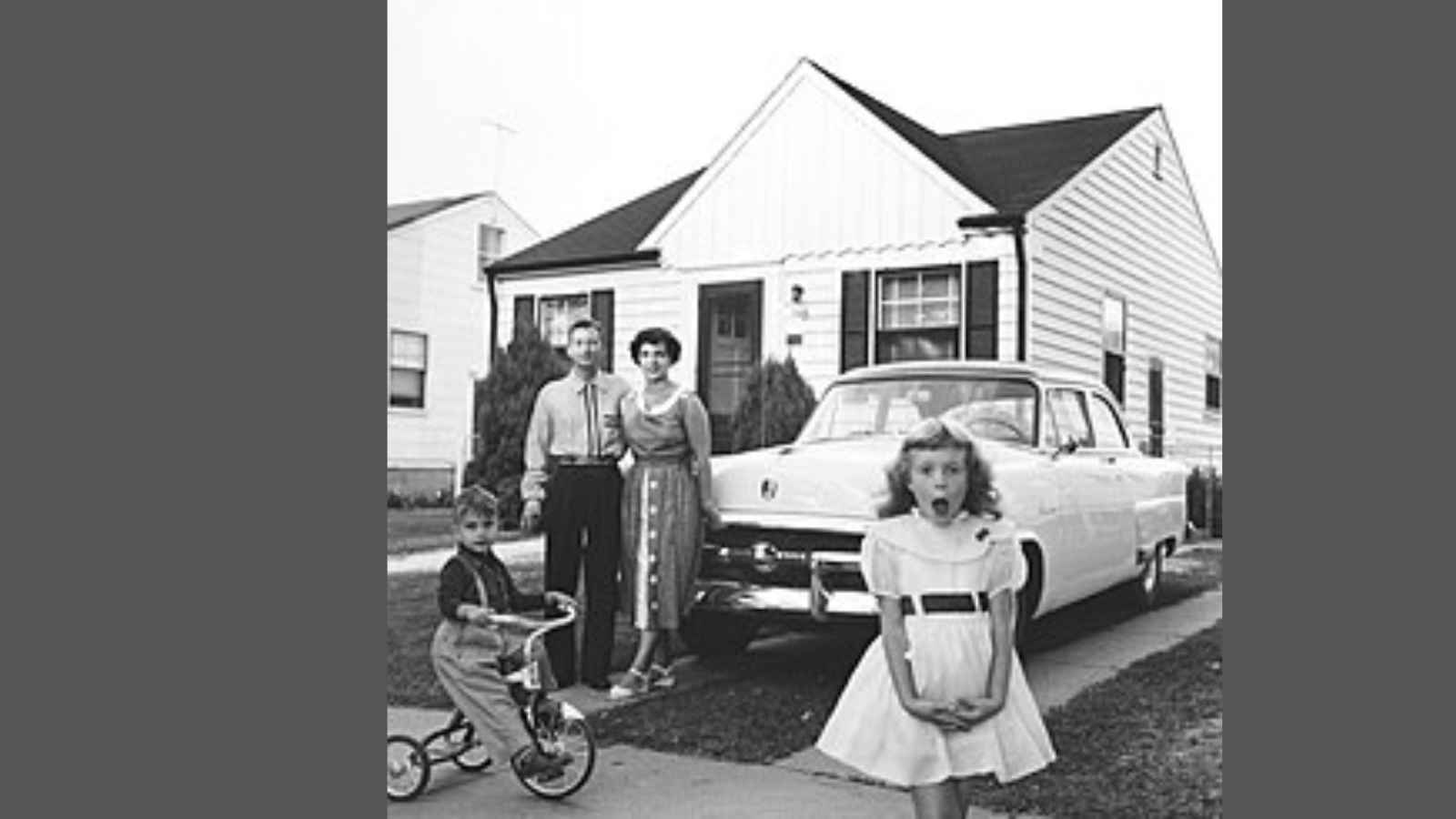
The 1950s American dream often appeared in images of white, middle-class, heterosexual, suburban families. Norman Rockwell-style scenes, sitcom households, ads, and government-friendly messaging gave the country a narrow picture of belonging. The dream looked warm because it cropped out so much.
Black families fighting segregation, Mexican American families facing discrimination, Native communities harmed by federal policy, queer people forced into hiding, poor families struggling outside suburban comfort, and women who did not want domestic confinement rarely appeared as full citizens inside that fantasy. Propaganda works best when it makes exclusion look accidental.
The 1950s dream did not say everyone else was missing. It simply framed one kind of life as America itself.
Buying became a patriotic duty
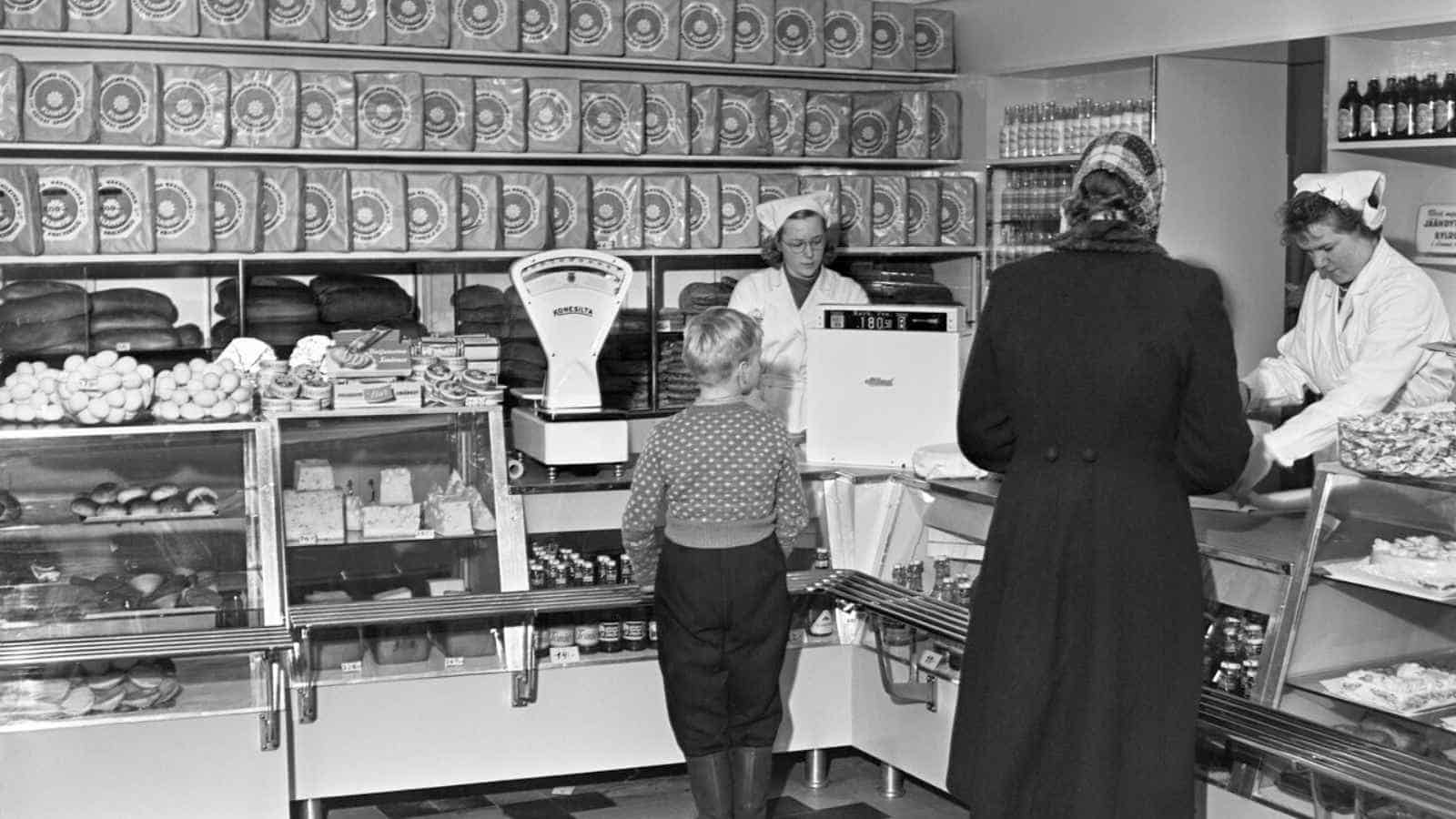
After years of Depression and wartime rationing, the postwar economy turned consumption into citizenship. Buying was no longer only personal. It was framed as a contribution to national strength. The good American purchased, upgraded, filled the home, and kept the economy moving.
Historian Lizabeth Cohen described the rise of the postwar “Consumers’ Republic,” where the devoted purchaser became tied to the idea of good citizenship. That shift changed how people understood success. Saving, repairing, sharing, and going without started to look less modern than buying new.
The dream promised abundance, but it also trained people to chase satisfaction through debt, consumption, and the constant fear of falling behind.
Workplace discrimination kept the dream out of reach for millions
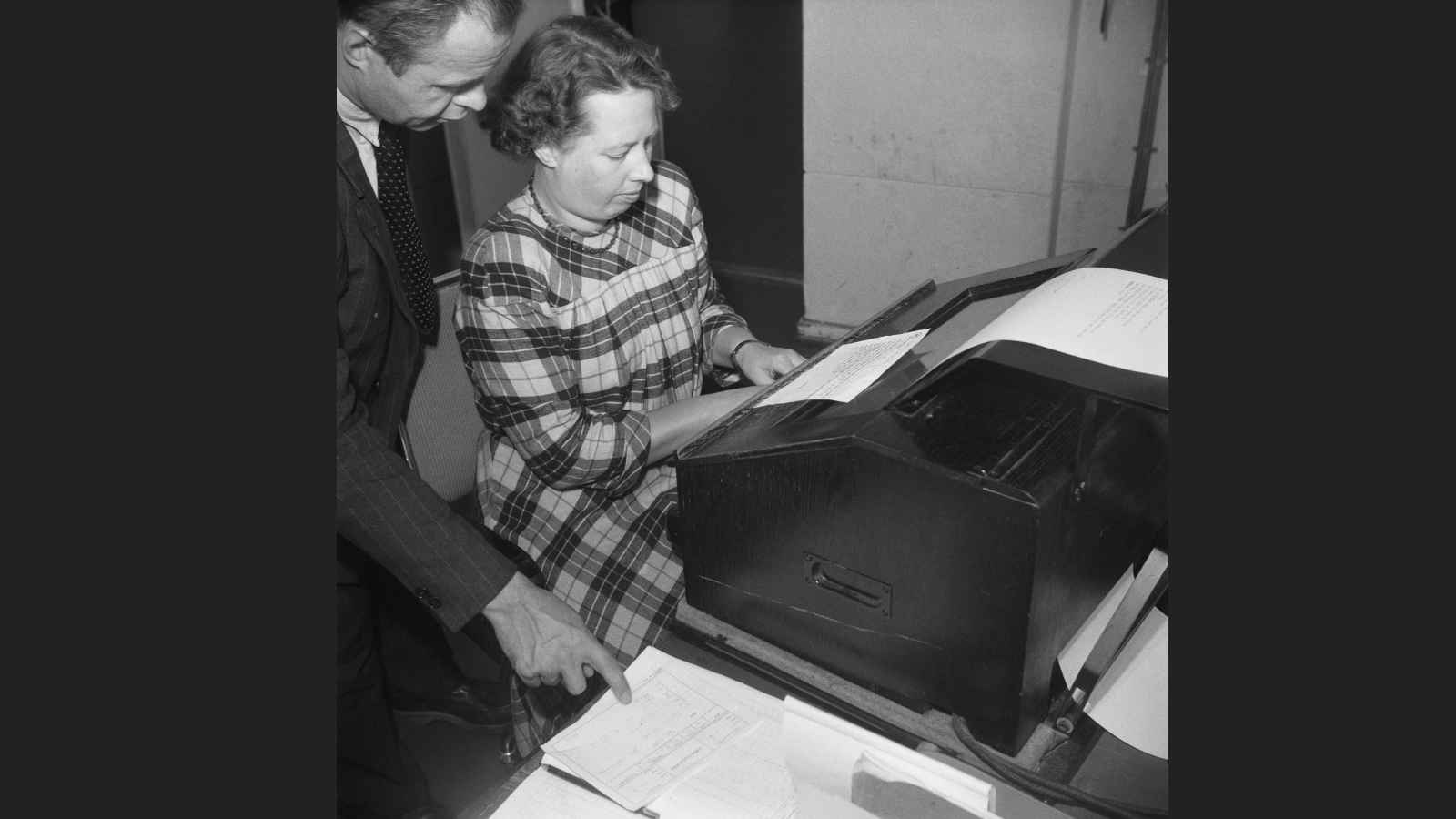
The 1950s economy is often remembered as a golden age of stable jobs and rising prosperity. But that prosperity was not evenly shared. Women faced formal and informal discrimination in hiring, pay, promotion, and workplace expectations. Black women faced even harsher barriers, often being pushed into domestic work and lower-paid jobs while being excluded from the best ladders of postwar mobility.
By the 1960s, federal action became necessary to confront discrimination by government contractors and private employers, and Title VII of the Civil Rights Act of 1964 prohibited employment discrimination based on race, color, religion, sex, and national origin. That legal shift tells us something important about the 1950s. The dream was not broken later. It was already broken for the people it refused to protect.
The takeaway

The 1950s dream was powerful because it gave America a picture of safety after years of depression, war, and fear. But pictures can lie by omission. Behind the shining appliances and smiling families were racial exclusions, gender cages, Cold War paranoia, consumer debt, car dependency, workplace discrimination, and a narrow definition of who got to belong.
The lesson is not that every part of the past was false or that every family that loved that life was foolish. The lesson is sharper than that. A dream can feel beautiful and still be built on someone else’s silence. The 1950s sold America a version of happiness that demanded sameness, spending, obedience, and exclusion. We are still living with the bill.
Disclaimer – This list is solely the author’s opinion based on research and publicly available information. It is not intended to be professional advice.
Like our content? Be sure to follow us