12 things nobody is saying about America’s poorest county
McDowell County, West Virginia, often appears on maps as simply “poor,” but a closer look reveals decades of structural disadvantage, health crises, and resilience strategies that rarely make headlines. Beneath the statistics lie communities grappling with the collapse of coal, extreme poverty, and generational disinvestment.
According to the U.S. Census Bureau, about 36.2% of residents live in poverty (over twice the national rate), and roughly 38% of children grow up in families under 100% of the poverty threshold.
Yet amid these challenges, community innovation and resilience quietly persist, creating a complex story of struggle and survival.
Poverty isn’t just high—it’s structurally extreme
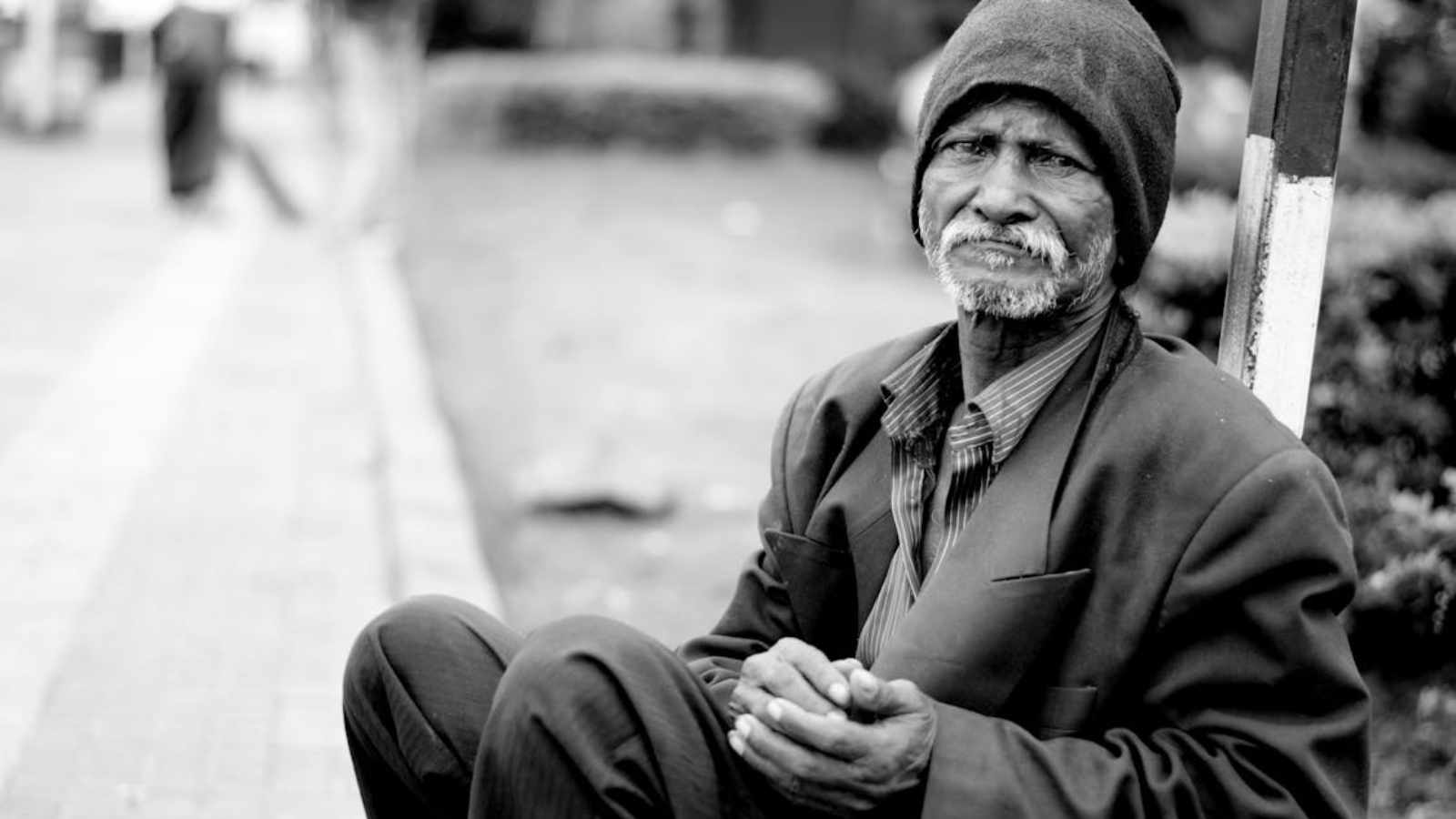
Around 36% of McDowell residents live below the federal poverty line, more than twice the national average and well above the West Virginia state rate. This isn’t a short-term downturn: FRED data show chronic poverty above 30% for decades.
Nearly 4 in 10 children grow up in households without basic financial security, perpetuating cycles of limited access to health care, education, and transportation. Analysts note that this entrenched deprivation functions as a feedback loop, reinforcing disadvantage across generations and leaving little room for economic mobility.
Child poverty is among the worst in the nation
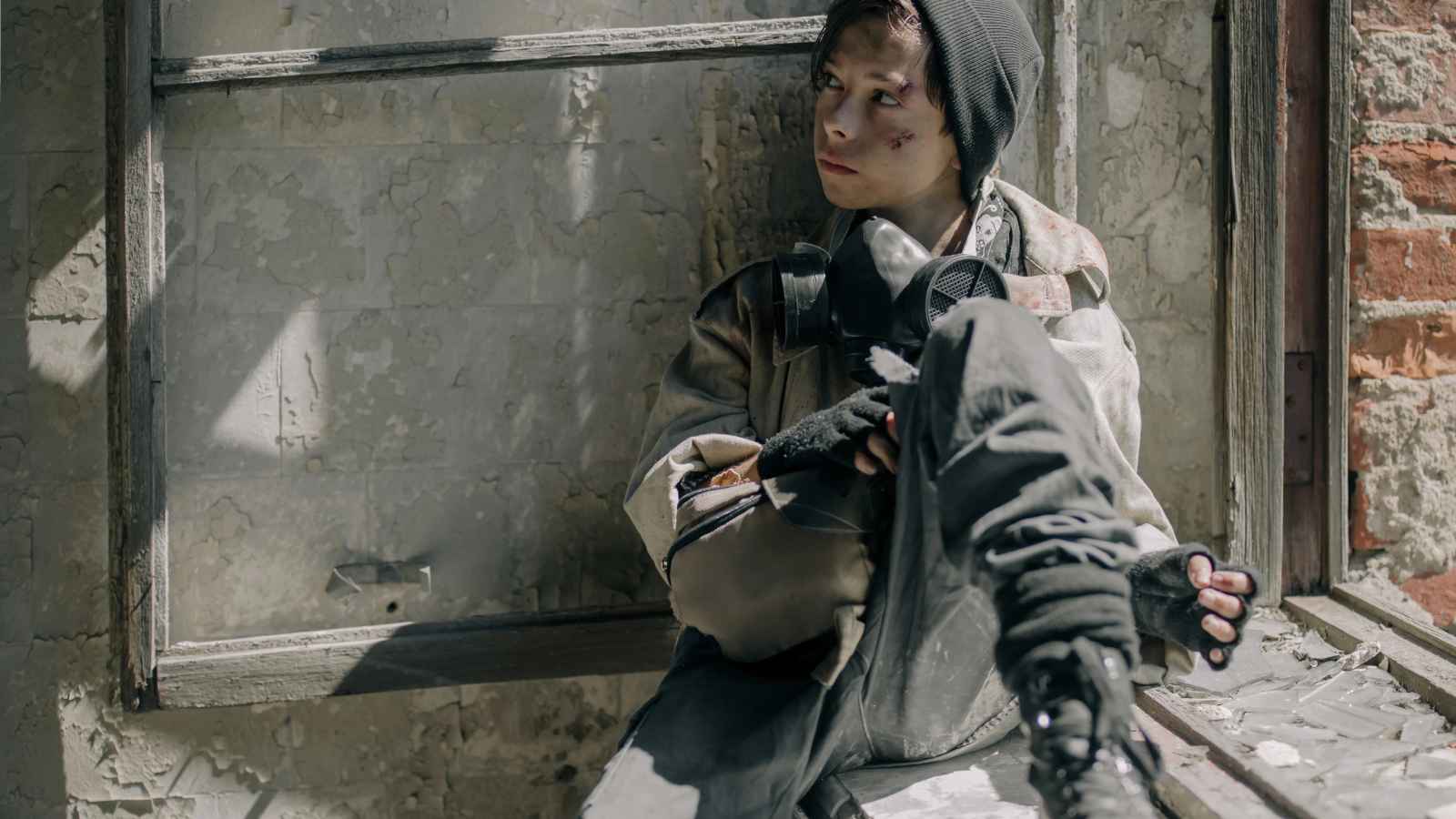
McDowell ranks near the top nationally for child poverty, with Kids Count reporting about 38% of kids living below the federal poverty line. These children often experience food insecurity, lack of consistent health coverage, and heightened risk of developmental delays.
Educators warn that chronic exposure to economic stress correlates with absenteeism, learning gaps, and long-term educational deficits that can be difficult to reverse. In a community where so many kids grow up with these challenges, poverty becomes not just a statistic, but a formative reality shaping daily life.
The collapse of coal erased more than jobs

Coal once defined McDowell’s economy, driving bustling downtowns and full employment. Mechanization and declining demand decimated the industry, leaving towns hollowed out and the local economy without a clear successor.
Population dropped from tens of thousands in the mid-20th century to roughly 16,000 today, creating schools, roads, and public systems sized for a vanished population. Local leaders describe the strain as “systems-sized for a vanished population,” with infrastructure costs far exceeding what the tiny tax base can sustain, compounding economic and social stress.
Unemployment remains chronically high
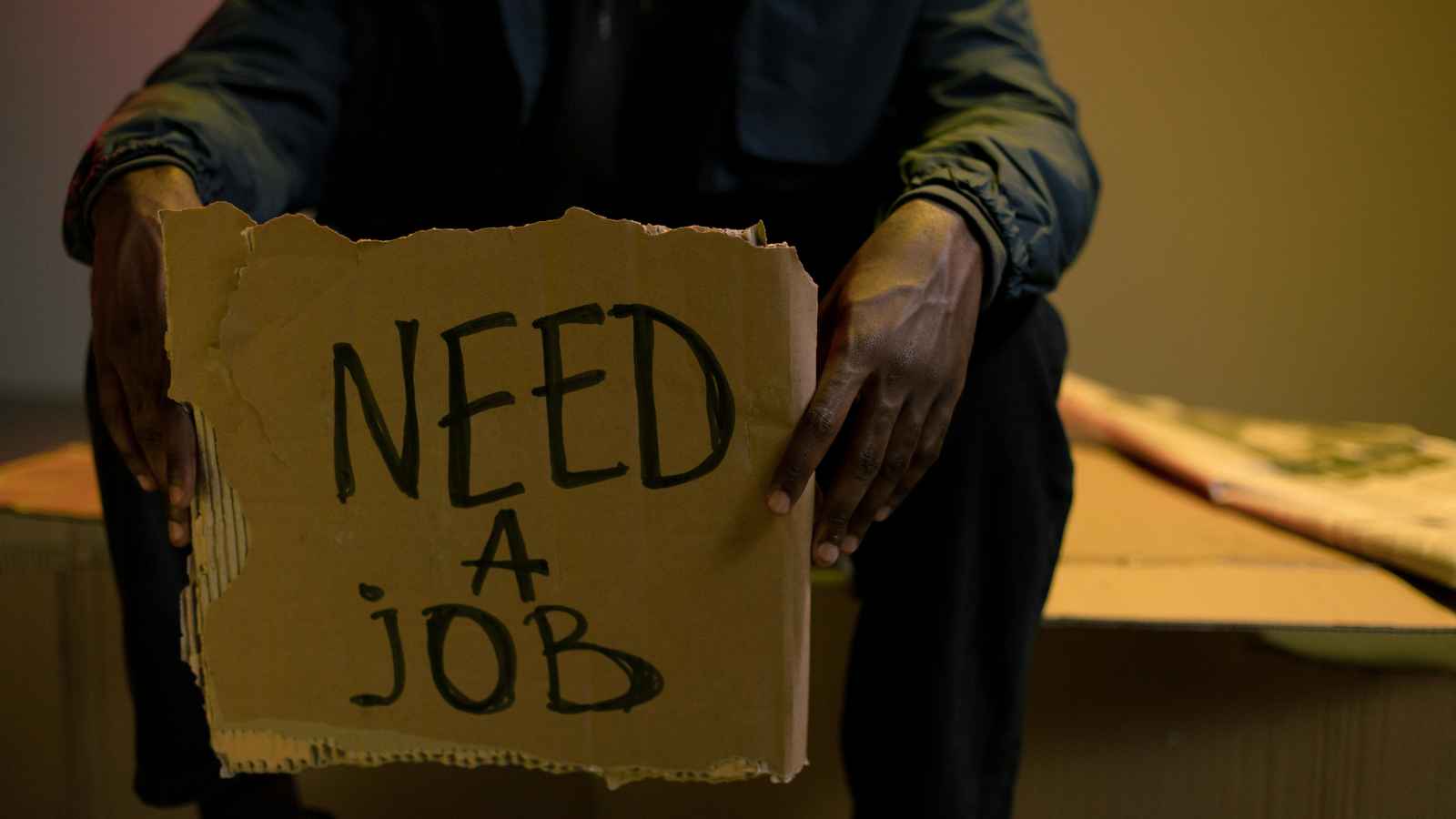
McDowell’s jobless rate has stayed well above state and national averages, even as other regions recovered. BLS data show December 2023 unemployment around 6.2%, while BestPlaces analysis indicates longer-term joblessness near 9.7%.
The county’s job market shrank by 3.6% in a single year, with projected growth under 16% over the next decade (less than half of national expectations). This persistent scarcity of opportunities leaves residents reliant on unstable or seasonal work, making long-term planning difficult and reinforcing cycles of poverty and social strain.
Incomes resemble Global South levels

Median household income in McDowell hovers around $30,000, less than half the U.S. median, and per capita income is roughly $15,400. Even employed residents often earn wages far below national benchmarks, situating the county closer economically to lower-middle-income countries than most U.S. counties.
Historical analyses confirm this low baseline, showing only modest recent gains. These stark income disparities help explain why McDowell repeatedly appears on lists of America’s poorest counties, revealing a structural economic gap that impacts every aspect of daily life.
Health outcomes are some of the worst in the country

McDowell ranks last in West Virginia for overall health outcomes, with premature death rates more than three times the national benchmark. Roughly 35% of residents report fair or poor health, while local surveillance shows 58% of fifth-graders are overweight or obese and 31% have hypertension.
Chronic conditions, compounded by limited access to care, amplify long-term risks. These indicators signal deep health inequities that intertwine with economic hardship, leaving families vulnerable to preventable disease and early mortality in a county already stretched thin by social and financial stressors.
Suicide, violence, and addiction create a stacked crisis

The county’s suicide rate tops the state at about 22 deaths per 100,000, while liver disease mortality and homicide rates are among the highest nationally. Experts link these crises to job loss, the collapse of coal-based economic identity, and untreated mental health issues.
Opioid addiction and overdose deaths amplify family disruption, child custody loss, and community trauma. McDowell’s overlapping crises reveal how poverty, isolation, and limited services combine, leaving residents to navigate a fragile social and emotional ecosystem that is chronically at risk of collapse.
Schools strained by poverty, trauma, and depopulation
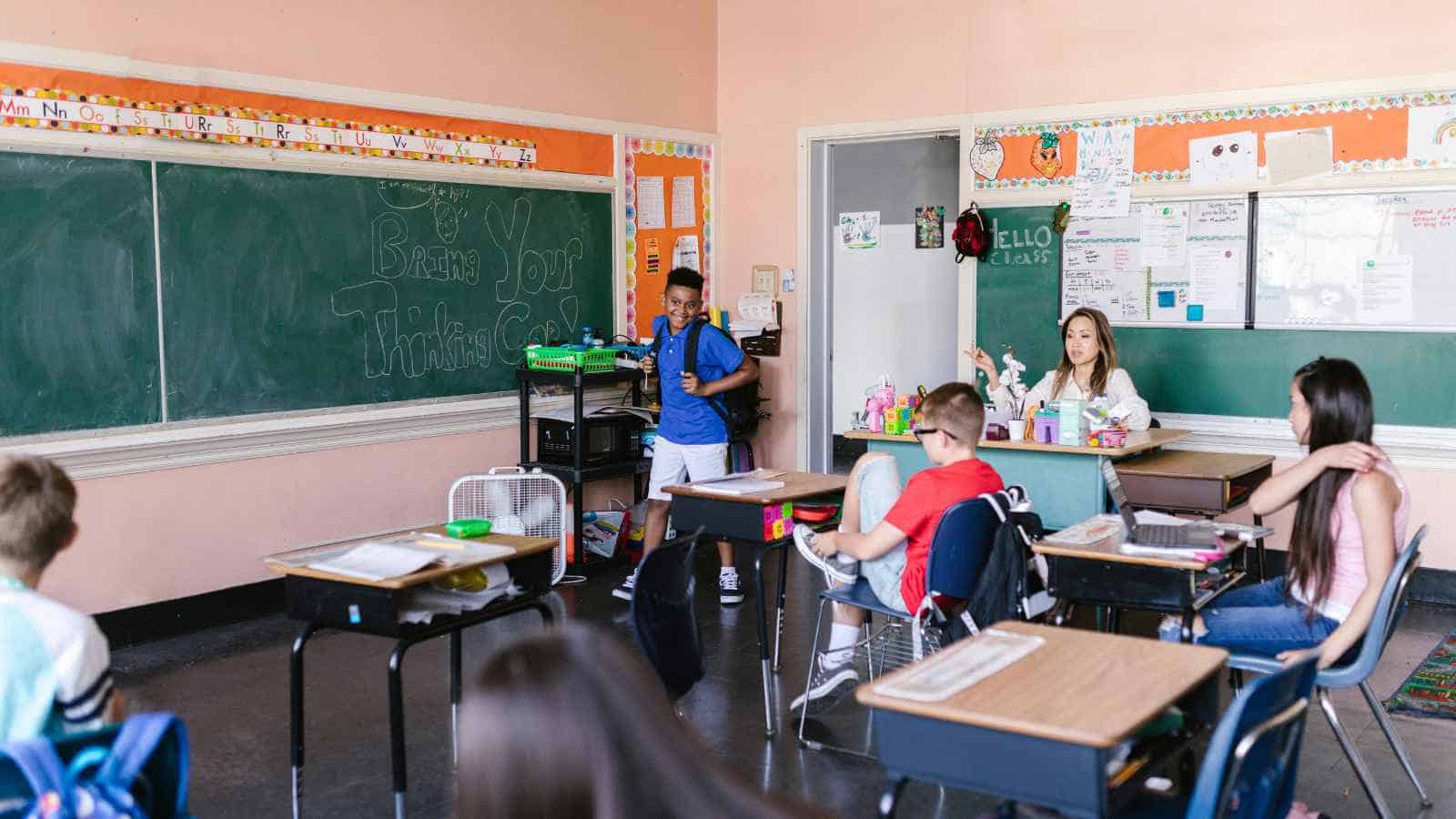
About 90% of McDowell students qualify for free or reduced-price lunch, while 47% do not live with both parents. Around 77% of households have no employed adult, normalizing unemployment as a generational expectation. Educational attainment is low: roughly 65% of adults have finished high school, and only 6% hold a bachelor’s degree.
This environment challenges schools to deliver quality education amid concentrated trauma, economic hardship, and shrinking populations, producing lasting effects on opportunity and resilience for children growing up in these high-need conditions.
Isolation amplifies the crisis
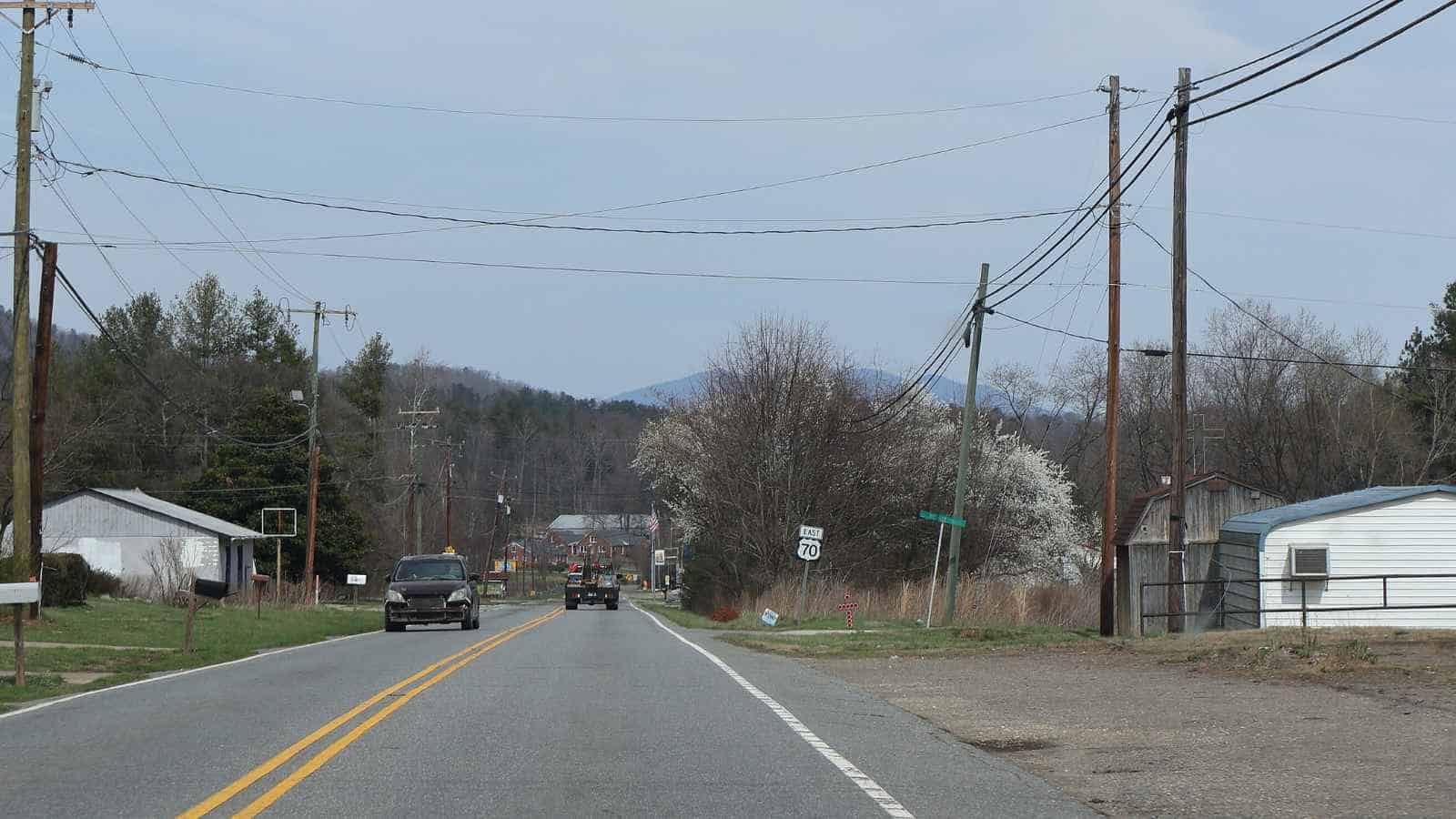
Steep mountains and winding roads limit access to hospitals, services, and economic opportunities, while schools, utilities, and roads are built for a much larger population than currently exists. Transportation barriers and sparse regional investment hinder economic mobility and emergency response.
Residents often travel long distances for essential services, a burden compounded by low incomes and unreliable transportation. Federal and state programs frequently focus on short-term fixes rather than long-term infrastructure solutions, reinforcing McDowell’s isolation and the fragility of its social and economic systems.
Homeownership is high—but wealth is minimal

Around 77% of residents own homes, yet median property values hover near $50,000 (less than a third of the national median). Many homes are aging, hard to sell, and located in communities with few jobs or services.
Vacancies and abandoned properties depress the local tax base, limiting revenue for public services. Economists describe residents as “asset-rich and cash-poor”: they may own property, but it does not translate into economic mobility, leaving homeowners with shelter but little leverage to escape poverty or invest in future security.
The safety net is vital—and under threat

Residents rely heavily on Medicaid, CHIP, and local health centers for basic care. Proposed federal budget cuts could devastate McDowell, where private support networks are sparse. Programs like SNAP are critical for preventing hunger, particularly among children facing chronic food insecurity.
Analysts warn that the county functions as a case study in what happens when multiple safety net pillars face simultaneous reductions. Without these supports, families confront impossible choices between food, medicine, and housing, revealing just how tenuous the social infrastructure has become.
Despite hardship, resilience persists

Community organizations, nonprofits, and public-private partnerships are innovating amid scarcity. McDowell County CHOICES addresses chronic disease and child health, while initiatives like Reconnecting McDowell invest in teacher housing, school improvements, and wraparound services. Faith-based and local nonprofits coordinate food pantries and workforce programs.
Residents and leaders describe the county as a “laboratory” for recovery, experimenting with strategies that, if successful, could guide other high-poverty communities. In McDowell, creativity and perseverance coexist with structural fragility, offering a glimpse of hope amid pervasive challenge.
Disclaimer – This list is solely the author’s opinion based on research and publicly available information. It is not intended to be professional advice.
Like our content? Be sure to follow us