Trump’s gas price gouging probe hits a nerve because drivers can see the math at the pump
Gas prices do not need a political speech to feel personal. They announce themselves in glowing numbers above every highway exit, grocery-store parking lot, school commute, and summer road trip. That is why President Donald Trump’s push for a Justice Department probe into alleged gas price gouging landed so quickly with American drivers: the country has just watched gasoline become one of the most visible symbols of inflation again.
The timing matters. According to the Bureau of Labor Statistics’ May 2026 Consumer Price Index report, gasoline prices rose 7% in May alone and were up 40.5% from a year earlier. Energy prices overall climbed 23.5% over 12 months. For households already juggling food, rent, insurance, childcare, and car payments, the pump has become less of a routine stop and more of a weekly reminder that the cost-of-living squeeze is not over.
That is the backdrop behind Trump’s demand for an investigation. His argument is simple: crude oil prices have dropped sharply, but gasoline prices have not fallen fast enough. To many drivers, that sounds familiar. Prices seem to shoot up the moment there is a global shock, then drift down slowly once the crisis eases.
The harder question is whether that gap is evidence of wrongdoing, a normal delay in the fuel supply chain, or a mix of both.
What Happened
On June 24, 2026, Reuters reported that Trump said Exxon Mobil and Chevron were among the companies under review as part of a probe into the surge in gasoline prices. The allegation centers on whether major oil companies failed to lower pump prices in line with falling crude costs.
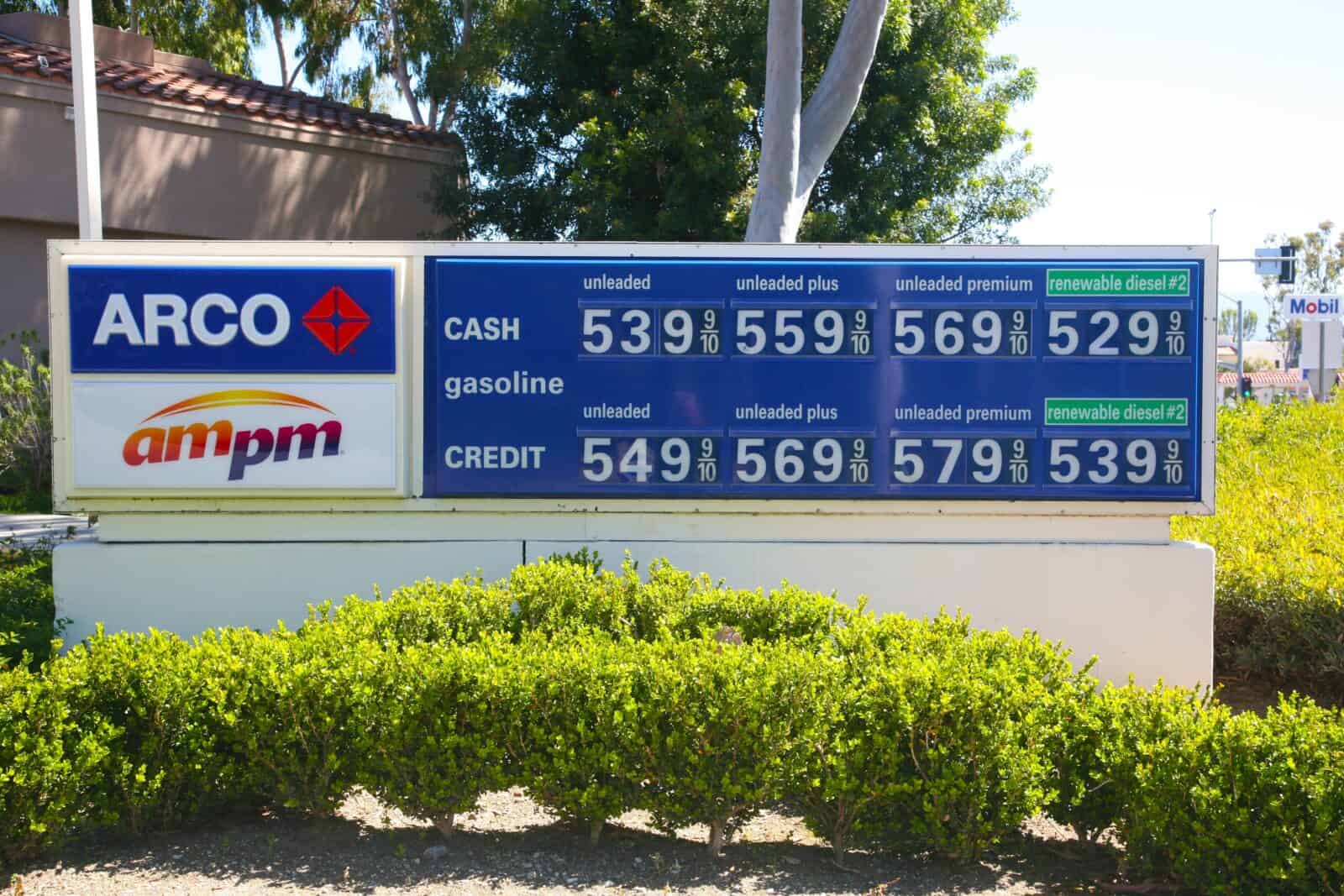
The numbers explain why the issue is politically explosive. Reuters reported separately that Trump had instructed the Justice Department to begin investigating alleged gasoline price “gouging,” while noting that pump prices remained significantly higher than the $ 2.764-per-gallon average recorded in January. That contrast helps explain why the issue moved quickly from an energy-market story to a household-affordability story.
AAA data told a similar story. In its June 2026 fuel update, AAA reported that the national average had dropped from $4.56 on May 21 to $4.12 by June 11, offering real relief but not enough to erase the shock of the spring surge. The same AAA update said pump prices remained at four-year highs.
The Energy Information Administration’s June 23 update showed another piece of the picture. EIA data showed U.S. regular gasoline averaging $3.914 per gallon for the week of June 22, down 13.8 cents from the previous week but still 70.1 cents higher than a year earlier.
So the public sees two things at once: prices are falling, and prices still feel too high. That tension is exactly where allegations of gouging tend to grow.
Why People Are Reacting
Gasoline is not just another household expense. It is one of the few prices Americans see constantly, in giant numbers, whether they are buying or not. That visibility gives gas prices an emotional power that many other expenses lack.
A rent increase may come once a year. A medical bill may arrive in the mail. But gas prices sit on street corners every day, telling drivers whether their commute just became cheaper or more expensive. That is why a 40.5% annual jump in gasoline, as reported by the BLS May 2026 CPI release, feels bigger than a line item in an inflation report.
There is also a fairness question. When crude oil spikes, drivers often see pump prices climb quickly. When crude oil falls, they often wait days or weeks for the savings to show up. Economists sometimes call this the “rockets and feathers” problem: prices rise like rockets and fall like feathers.
Stanford’s Institute for Economic Policy Research discussed that dynamic in March 2026 while examining the impact of the Iran-related oil shock. Stanford/SIEPR researchers projected that the disruption could push gas prices above $4.25 per gallon in May and cost the average household $857 more for gasoline over the rest of the year.
That kind of estimate helps explain why the price-gouging debate is not only about oil companies. It is about trust. When families are told the market is working, but their receipts say life is getting harder, they want someone to explain the gap.
The Bigger Picture
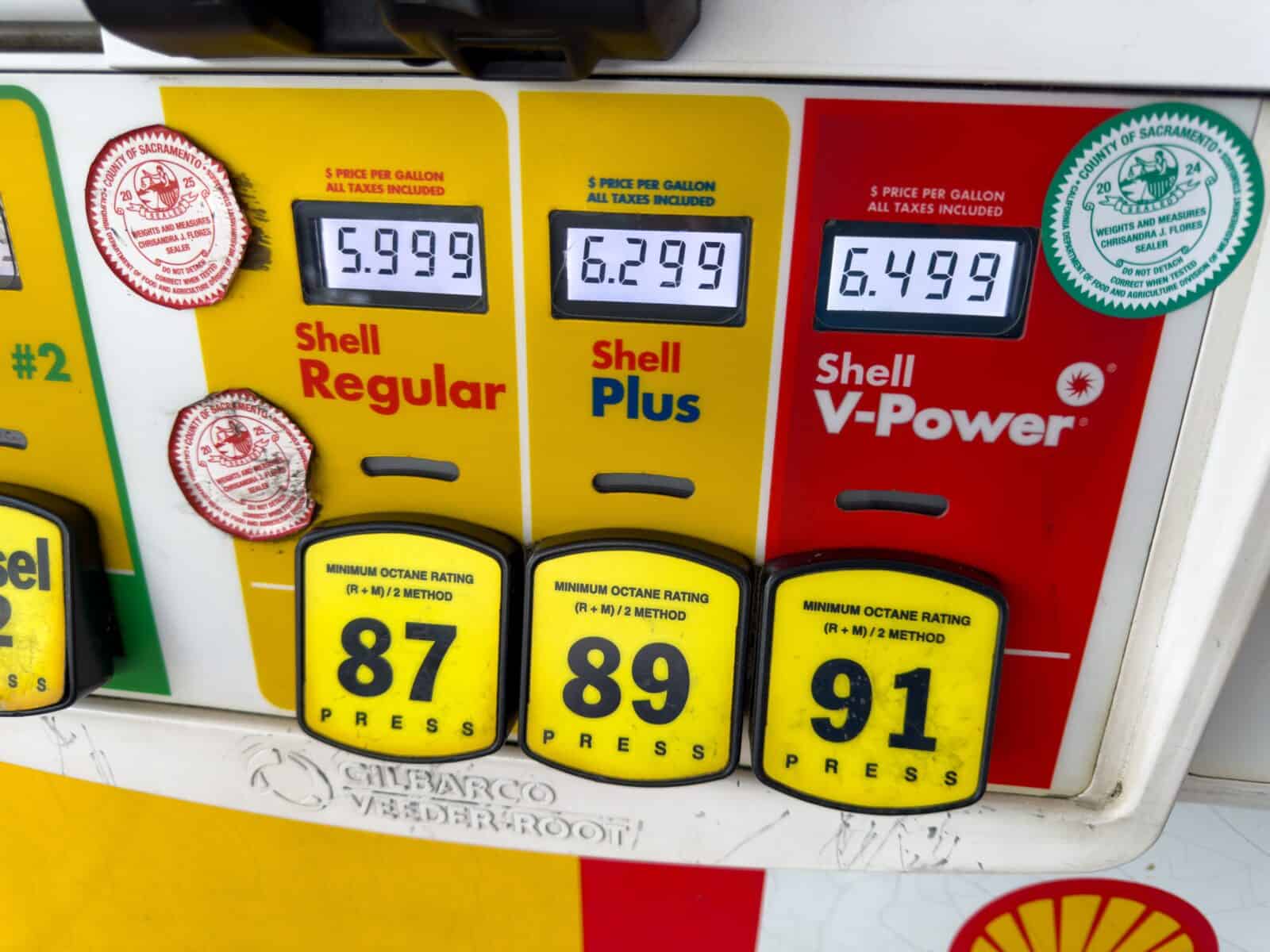
The gasoline fight reveals a broader American frustration: people no longer judge the economy only by job numbers or stock indexes. They judge it by weekly expenses. Gas prices sit at the center of that feeling because they directly affect work, school, groceries, deliveries, airline tickets, and small-business costs.
The Energy Information Administration’s 2026 outlook shows how much the oil shock changed expectations. In its Short-Term Energy Outlook, EIA forecast an average wholesale gasoline price of $2.98 per gallon in 2026, nearly $1 higher than its February forecast. The agency tied the increase mainly to higher crude oil prices, following a sharp rise in Brent crude in March and April.
That matters because crude oil remains the largest piece of the gasoline price puzzle. EIA’s March 2026 breakdown estimated that crude oil accounted for 57% of the price of a gallon of regular gasoline, with refining, distribution, and marketing, and taxes making up the rest.
In plain English, crude oil matters a lot. But it is not the whole story.
Retail gas prices can lag behind crude prices for several reasons. Stations may still be selling fuel bought at higher wholesale prices. Refineries may be dealing with maintenance, bottlenecks, or regional supply issues. Summer-grade gasoline can cost more to produce. State taxes and local regulations can make prices vary wildly from one region to another.
That does not automatically disprove gouging. It does mean the investigation will need to separate suspicious conduct from the normal messiness of the fuel market.
The Debate Is Bigger Than Trump
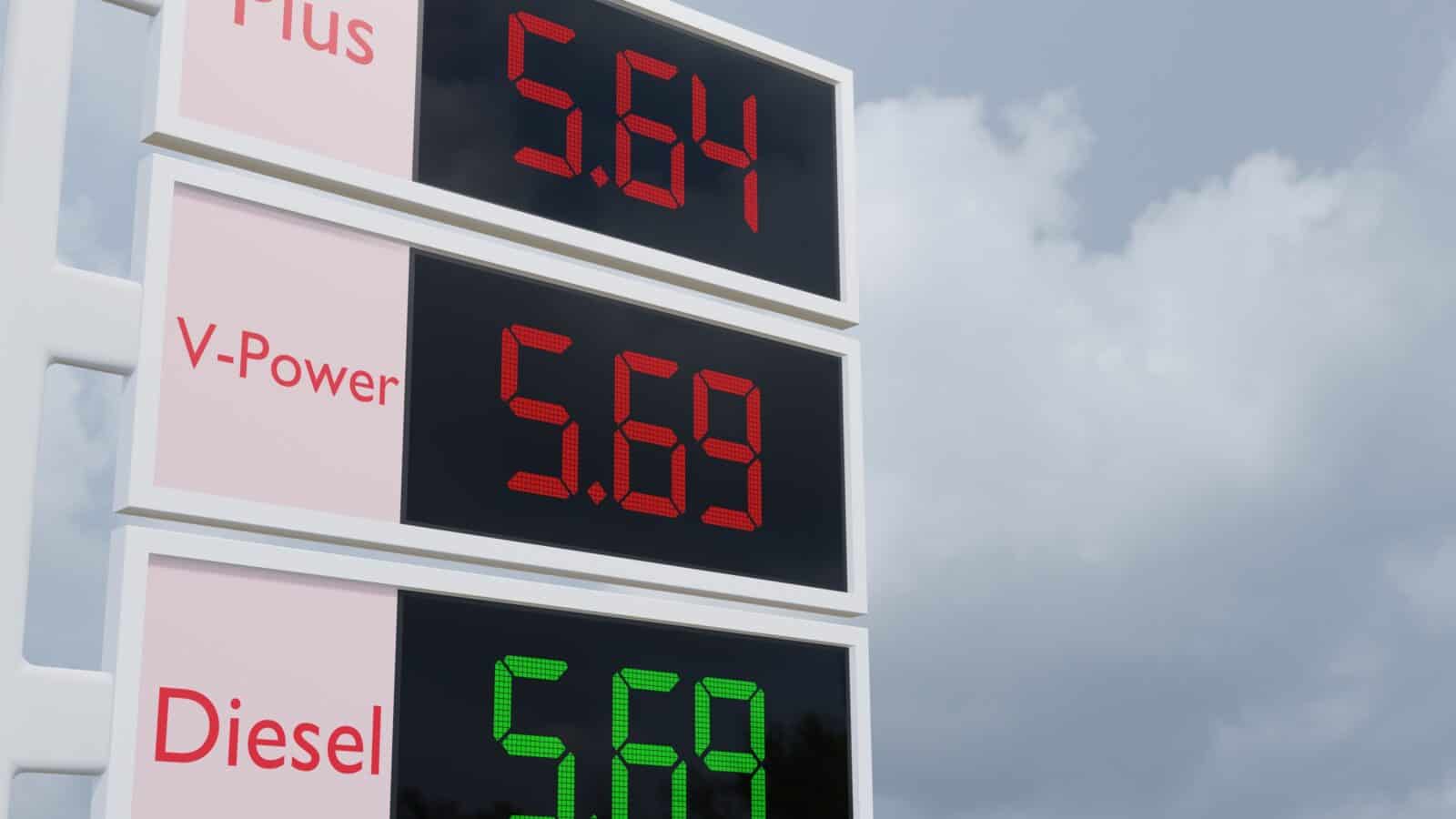
Price-gouging accusations are not new, nor are they the exclusive domain of any political party. In March 2026, Democratic lawmakers urged the Federal Trade Commission to examine war-related price gouging risks tied to the Iran conflict. Rep. Chris Deluzio’s office said lawmakers had warned that corporations could exploit supply-chain disruptions and uncertainty to raise prices beyond what actual cost increases justified.
In May 2026, Sen. Ed Markey also called for an immediate investigation. His office said the request came as gas prices had surged more than 50% since the start of the Iran conflict.
That matters because the current controversy is not only about whether one president is angry at oil companies. It is about whether federal law has the right tools to define and punish price gouging in a national fuel shock.
Still, proving unlawful behavior is much harder than proving that prices feel unfair. Axios noted that previous investigations during periods of high fuel prices have often failed to uncover broad anticompetitive conduct. However, they have sometimes identified local problems. Investigators would need evidence of manipulation, collusion, deception, or anticompetitive conduct, not simply a frustrating delay between falling crude prices and falling pump prices.
That distinction may disappoint drivers who want fast relief. Still, it is important. High prices can be painful without being illegal. At the same time, complex markets can create openings for companies to protect margins in ways that deserve scrutiny.
Different Sides See Different Culprits
The White House argument is built around urgency. If oil prices have dropped dramatically, drivers should see relief quickly. From that view, the investigation is a consumer-protection move aimed at forcing transparency in a market where ordinary people have little power.
Consumer advocates and some lawmakers see the same issue through a fairness lens. They argue that wartime shocks, supply disruptions, and inflationary pressures can create moments when companies raise prices beyond what costs justify. They want federal agencies to examine whether profits, margins, or pricing patterns show abuse.
The oil industry sees it differently. Reuters coverage of the dispute noted industry pushback against the idea that gasoline prices should move in perfect lockstep with crude oil prices. That argument is not hard to understand. Gasoline does not move from the oil field to the pump instantly. It passes through traders, refiners, pipelines, terminals, wholesalers, retailers, taxes, and local competition.
There is also a regional reality. The EIA’s June 23 update showed how fuel prices can vary by location. EIA data put the U.S. regular gasoline average at $3.914 per gallon for the week of June 22, while West Coast prices were far higher at $5.621 per gallon. That gap cannot be explained only by crude oil. Taxes, fuel standards, refinery access, and regional supply all play a role.
For readers, that is the most useful way to understand the fight: the same national oil shock can produce very different local pain.
What Readers Can Take Away

The gas price gouging probe matters because it sits at the intersection of economics, politics, and everyday life. It is not just about Exxon, Chevron, or one presidential statement. It is about whether Americans believe powerful companies share relief when costs fall or keep too much of it for themselves.
The investigation may find misconduct. It may find market delays. It may find a complicated mix of both. But the public reaction already tells us something important: after years of inflation anxiety, Americans have become more skeptical of explanations that sound technically correct but financially hollow.
Drivers do not experience gasoline as a global commodity. They experience it as the difference between filling the tank now or waiting until payday. They experience it as the extra cost of visiting family, commuting to work, or running a small delivery business.
That is why this story has momentum. The country is not only asking why gas is expensive. It is asking why relief takes so long to arrive.
Disclaimer – This list is solely the author’s opinion based on research and publicly available information. It is not intended to be professional advice.
Like our content? Be sure to follow us