12 ways society has changed that many older adults struggle with
Growing up in a simpler era meant dealing with real people, tangible objects, and predictable routines. Today, the rapid shift in how our daily world operates leaves many older Americans feeling like strangers in their own neighborhoods. Simple activities that once required a friendly conversation have transformed into sterile digital transactions.
Adjusting to these systemic shifts requires an incredible amount of patience and constant retraining. A recent Pew Charitable Trusts report on older Philadelphians found that the number of residents aged 60 and older grew by 24% between 2010 and 2020, highlighting how many people are aging into a more digital world that was not built with them in mind.
Automated Grocery Checkout

Running to the neighborhood store used to end with a pleasant interaction with a cashier. Now, long rows of automated self‑checkout machines are replacing the friendly workers who once bagged your food. Shoppers must scan their own bar codes and battle loud computerized voices that scream about unexpected items in the bagging area.
This automated shift strips away an essential point of daily human contact for isolated individuals. Studies on social isolation in older adults show that losing small daily interactions can contribute to loneliness and poorer wellbeing, especially for people who live alone and may only see others on routine errands.
The Cashless Society

Walking into a local store with a crisp paper bill used to guarantee you a smooth transaction. Today, a growing number of businesses refuse to accept physical currency, demanding plastic or mobile wallets instead. This sudden transition catches many traditional shoppers off guard, turning a simple errand into an embarrassing ordeal.
Giving up cash makes tracking a personal budget feel incredibly abstract and difficult to manage. The Federal Reserve’s 2024 Diary of Consumer Payment Choice reports that cash accounted for just 16% of consumer payments in 2023, while more than 60% were made by credit or debit card.
Smartphone Only Support

Dialing a customer service phone number used to connect you directly with a helpful corporate representative. Now, dialing a support line usually drops you into an endless loop of automated voice prompts. This cold system expects you to troubleshoot your own issues using a web link sent directly to your mobile device.
Getting simple help becomes a test of endurance when you cannot find a human voice to assist you. Pew Research Center’s Mobile Fact Sheet shows that 15% of U.S. adults are “smartphone‑only” internet users without home broadband. This means many people are forced to solve complex account problems on a small screen rather than on a stable computer.
Automated Medical Portals

Managing your personal health should be as simple as talking directly to your trusted family doctor. Instead, modern clinics expect patients to view test results and schedule appointments through complex online portals. This shift replaces a comforting phone call from a nurse with an automated email alert that requires a password reset.
Worrying about sensitive medical data creates a lot of unnecessary anxiety for aging individuals. A KFF survey found that about 71% of adults say they have used an online patient portal to check test results, message providers, or manage appointments, underscoring how common these tools have become even for people who prefer face‑to‑face conversations.
QR Code Menus

Sitting down at a neighborhood restaurant used to begin with a friendly waiter handing you a physical menu. Now, you are often greeted by a sterile black‑and‑white square sticker pasted to the middle of the table. Diners must pull out a phone, open a camera app, and scroll through a tiny web page just to find lunch.
This digital hurdle turns a relaxing meal into a frustrating technical chore for people who want to unwind. Industry surveys collected by hospitality researchers show that many guests, especially older adults, still prefer printed menus, and that sudden switches to QR‑only menus can reduce satisfaction for diners who are less comfortable with smartphones at the table.
Isolated Family Dynamics

Maintaining close relationships with grandchildren used to involve handwritten letters and long kitchen table chats. Today, younger generations communicate almost exclusively through rapid text messages, disappearing photos, and short video clips. This fast‑paced style can leave older relatives feeling disconnected from the daily lives of the people they love most.
Physical isolation carries a very heavy burden for older family members who get left behind by these digital habits. In his advisory on the nation’s loneliness crisis, the U.S. Surgeon General noted that social disconnection is linked to higher risks of depression, anxiety and dementia in older adults. This underscores how much these broken family patterns can affect long‑term mental health.
Vanishing In-Person Banking

Visiting a local bank branch once meant greeting a familiar teller who knew your name and family history. Corporate consolidation has caused these neighborhood brick‑and‑mortar offices to close their doors at an alarming rate. Depositing a check now requires snapping a steady photo with a smartphone rather than handing it to a real person.
This structural change impacts cities deeply as traditional financial centers disappear from local streets. The same Pew report on older Philadelphians found that many older residents are worried about their finances and access to basic services, concerns that grow when familiar bank branches disappear and are replaced with online‑only options.
Fast-Paced Artificial Intelligence

The sudden rise of computerized tools that write, think, and generate lifelike images is blurring the line between fact and fiction. Many older adults find it exhausting to separate genuine news stories from clever machine‑made deepfakes online. This rapid shift makes internet browsing feel risky, eroding the baseline trust people once had in public information.
Public anxiety regarding these automated breakthroughs is growing rapidly across every single generation. A 2026 Pew Research Center study on AI reports that about 6 in 10 U.S. adults believe artificial intelligence is developing too quickly, reflecting broad unease about the pace of change.
Digital Social Spaces

Gathering with neighbors at local community centers or church halls used to form the backbone of civic life. Today, much of that social interaction has migrated to confusing online forums and private internet groups. This digital migration leaves less tech‑savvy seniors on the outside looking in, cut off from vital neighborhood updates.
Losing these real‑world connections can have devastating consequences for the physical well‑being of older citizens. Research highlighted by American University, in a discussion of the Surgeon General’s advisory, notes that social isolation raises the risk of developing dementia by about 50% for older adults, which makes rebuilding in‑person community spaces critical for their health.
Shifting Public Etiquette

Walking down a busy public sidewalk used to involve making friendly eye contact and exchanging polite greetings. Now, most pedestrians walk with their heads down, completely glued to their glowing smartphone screens. This collective distraction makes public spaces feel cold and unfriendly to older folks who grew up practicing traditional manners.
This profound lack of social connection can slowly take a quiet toll on long‑term physical well‑being. Experts at the Harvard T.H. Chan School of Public Health report that persistent loneliness is associated with a 32% higher risk of stroke in adults, turning everyday disconnection into a serious health concern for aging pedestrians.
Complex Streamed Entertainment

Watching your favorite television program used to require nothing more than turning a dial or pressing a single power button. Today, catching a baseball game requires navigating three different subscription streaming apps on a smart television. This fragmented system turns a relaxing evening into an expensive and frustrating puzzle of passwords and updates.
The financial burden of these endless digital subscriptions adds up quickly for households living on fixed incomes. Finding out that a classic show has moved to a new online platform leaves many older viewers feeling pushed out of modern pop culture. Simplicity has been traded for endless options, leaving viewers nostalgic for the days of standard cable boxes.
Online Ride Sharing
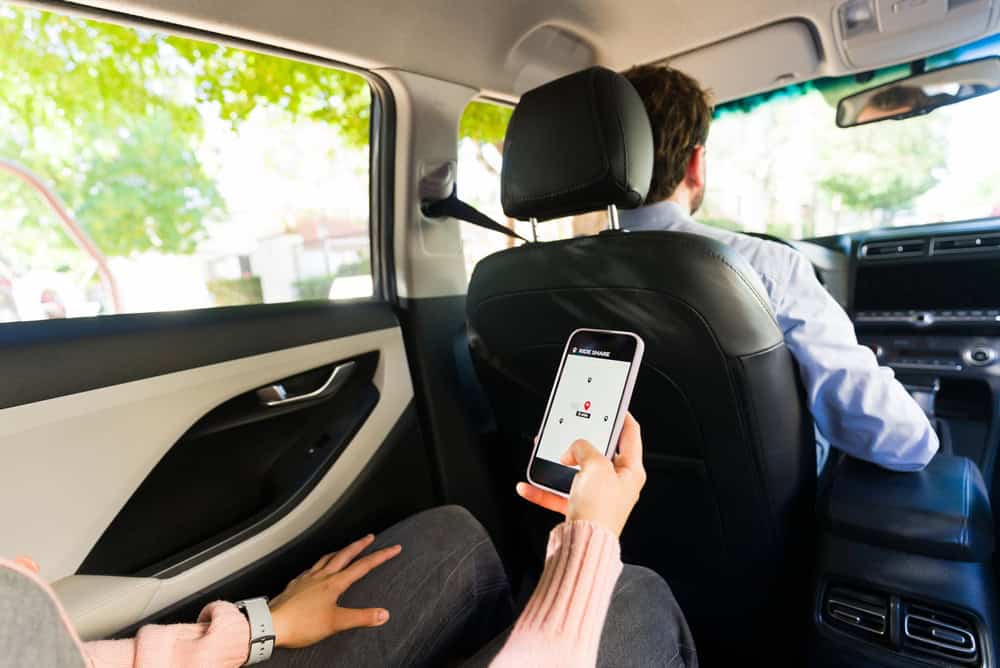
Stepping out to catch a flight or visit friends used to mean dialing a local taxi service or checking a bus schedule. Now, traditional transportation options have dwindled, replaced by private drivers hired exclusively through smartphone software. This means a traveler cannot simply hail a ride without an active internet connection and a linked credit card.
This modern system creates an artificial barrier for older individuals seeking to enjoy independent travel. Finding yourself stranded because a phone battery died or an app glitched makes stepping out feel stressful. Restoring simple, accessible transit choices helps seniors stay fully connected to the active world around them without technical headaches.
Key Takeaway

Adapting to a rapidly changing world does not mean older adults must abandon their cherished values or hard-earned wisdom. Society thrives when we balance modern digital efficiency with the patient human connection that older generations bring to the table every day.
Disclaimer – This list is solely the author’s opinion based on research and publicly available information. It is not intended to be professional advice.
Like our content? Be sure to follow us