11 reasons why the stonefish is the deadliest fish on earth
It looks like an ordinary rock, but one wrong step can unleash one of the most agonizing and dangerous stings in the ocean.
The ocean hides plenty of nightmare fuel, from great white sharks to stinging jellyfish. Yet the crown for the most dangerous creature in the sea belongs to an animal that looks exactly like a lump of mud. The stonefish is the absolute most venomous fish on the planet, waiting quietly on the sea floor for an unsuspecting victim.
A simple step on this camouflaged creature can trigger an agonizing medical crisis within seconds. A clinical series of stonefish stings found that pain was reported in 95% of cases, underscoring how brutally fast this fish can turn a casual swim into an emergency department visit.
The Excruciating Verrucotoxin Mixture
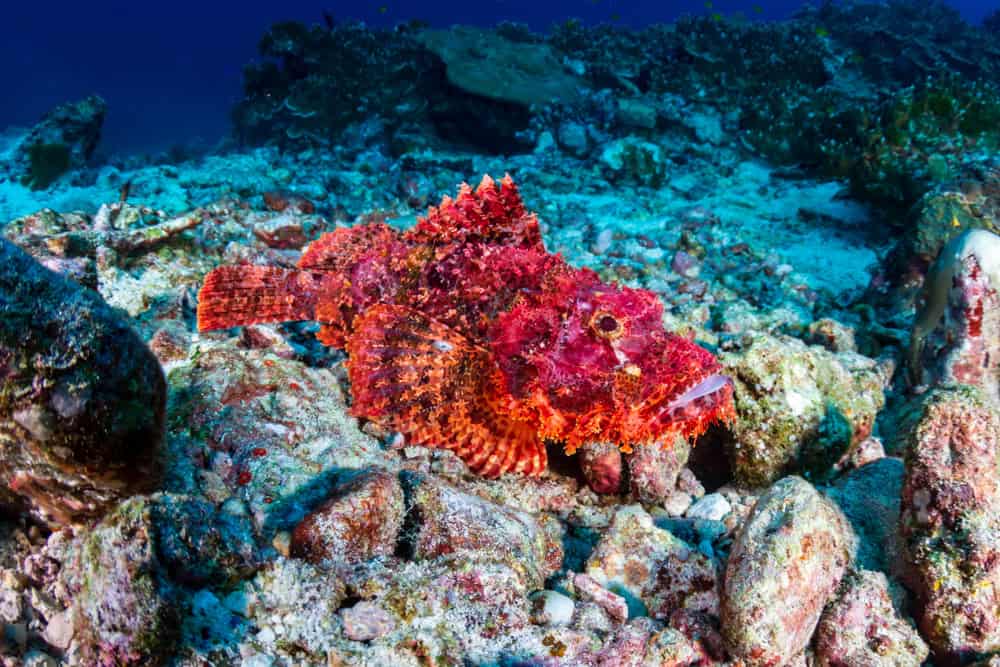
The fluid inside this marine creature contains a highly complex protein mixture called verrucotoxin. This substance targets the human cardiovascular and muscular systems simultaneously, causing immediate pain. Victims frequently describe the resulting sensation as feeling like their veins are being pumped with boiling oil.
Toxicology reviews show that stonefish venom contains powerful proteins such as verrucotoxin and stonustoxin, which can cause severe pain, shock, tissue death, and potentially fatal cardiac effects in humans. These documented reactions explain why doctors treat every suspected stonefish sting as a serious medical event.
Flawless Natural Camouflage
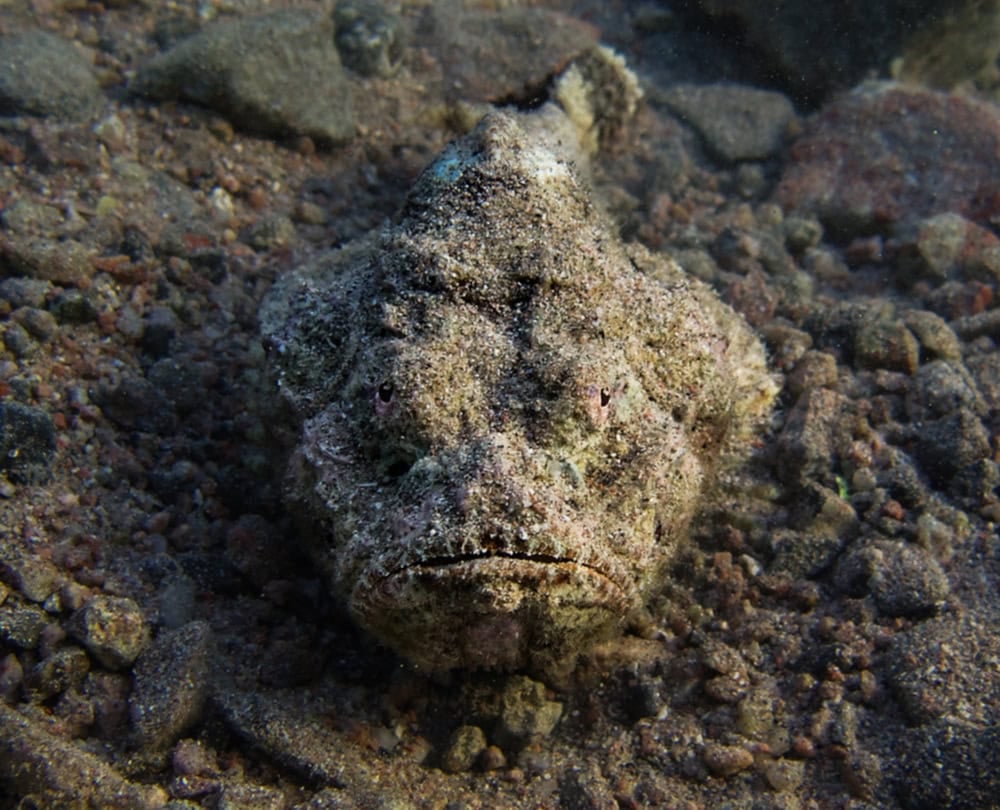
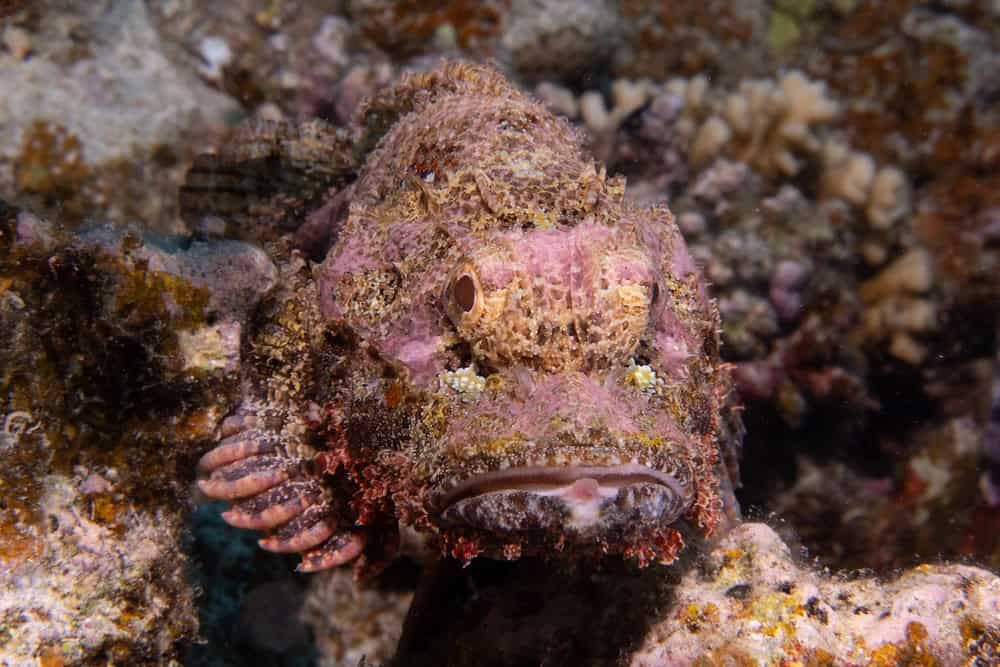
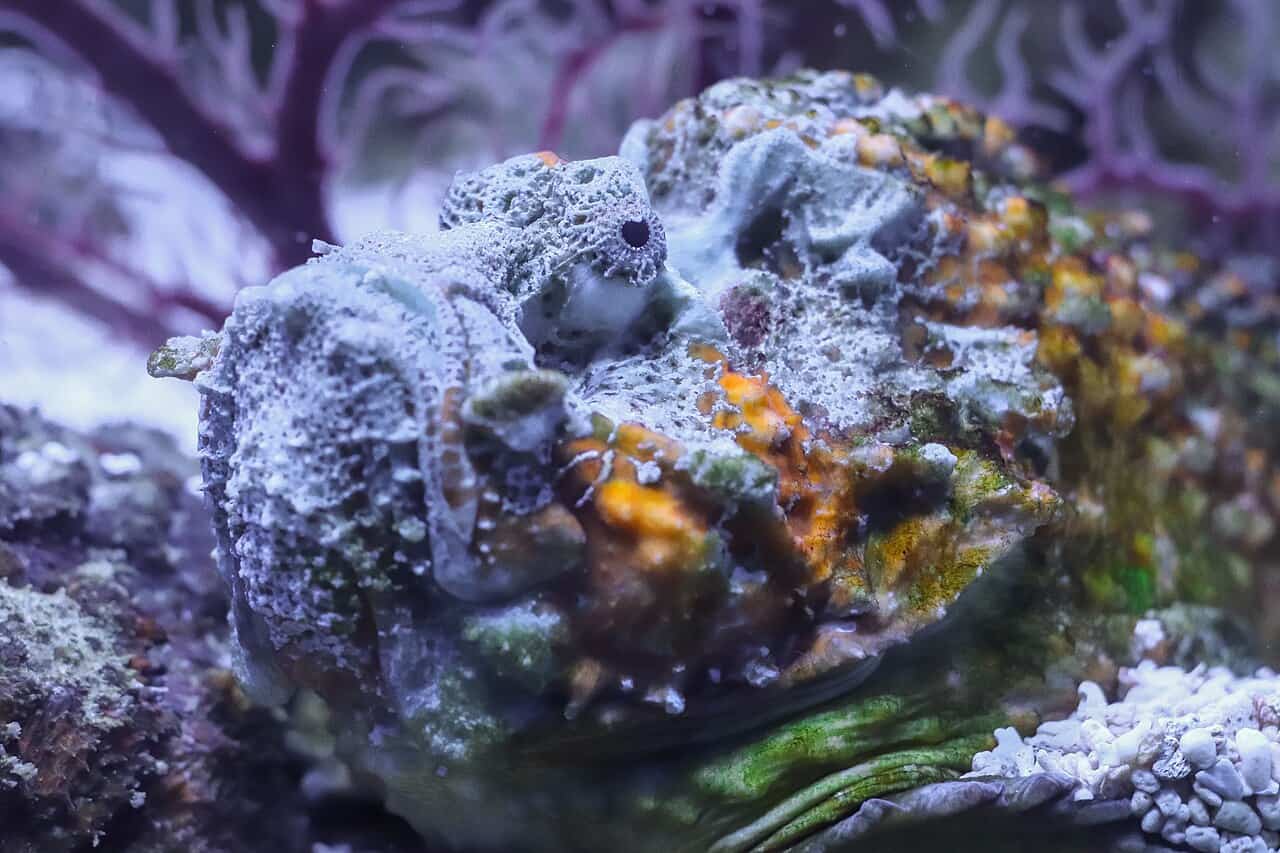
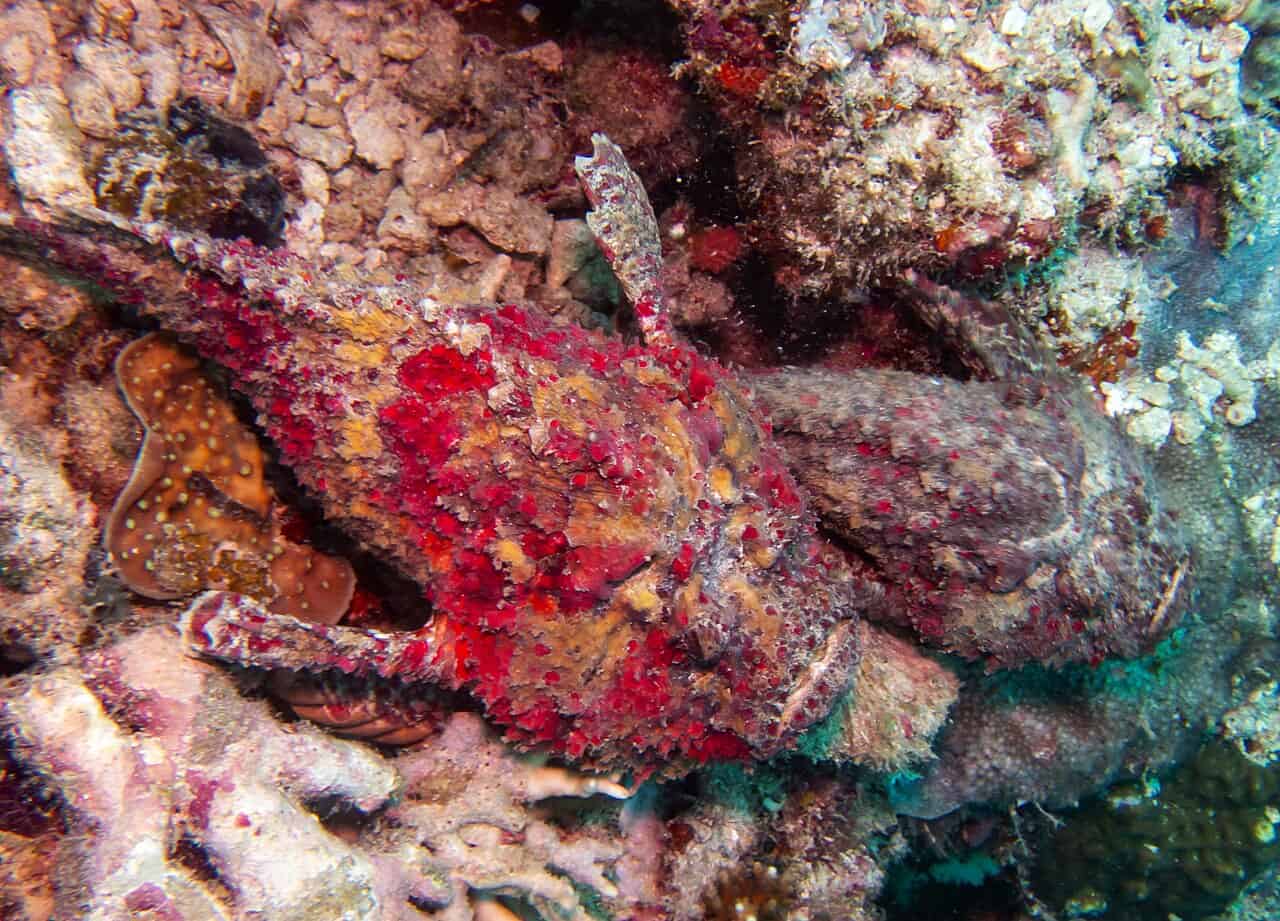
The chief asset of this predator is its uncanny ability to blend into its surroundings. Its bumpy, brownish-gray skin perfectly mimics rough coral reefs, muddy river mouths, and standard ocean debris. This natural disguise makes it practically invisible to careless swimmers and busy marine life alike.
Because it resembles a harmless rock, beachgoers frequently step directly on it without noticing. Ocean safety guides note that stonefish are considered the most venomous fish in the sea, and their rock‑like appearance means they are often only discovered after someone has already been stung.
Thirteen Hypodermic Spines
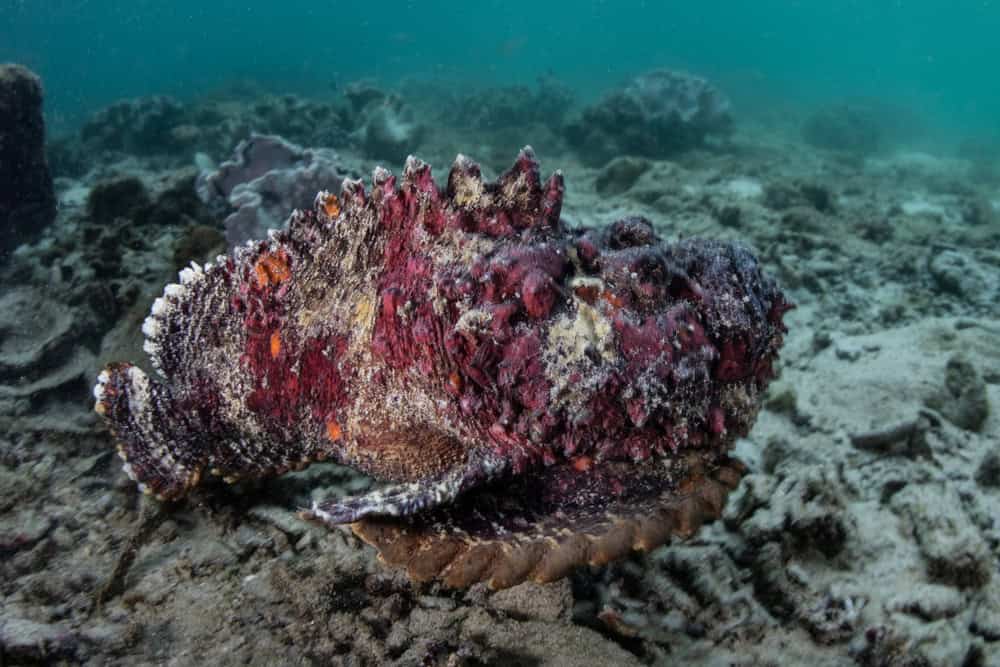
Running directly along the back of this creature is a row of needle‑sharp defenses. The spines are rigid enough to pierce thick rubber shoe soles, turning casual footwear into little more than decoration. These stiff structures act like hypodermic needles, ready to inject toxins deep into soft tissue.
Scientific descriptions from major museums confirm that the reef stonefish has thirteen stout dorsal fin spines capable of delivering highly toxic venom. Knowing this precise number of spines helps explain why a single misstep can result in multiple puncture wounds at once.
Dual Pressure Sensitive Sacs
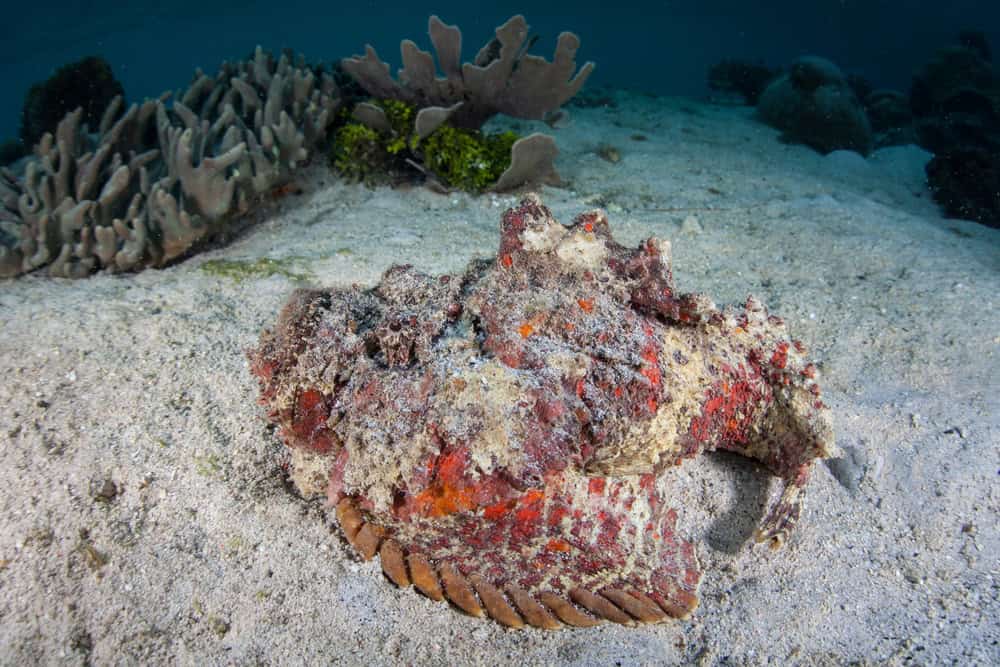
At the absolute base of every single spine lie two separate glands filled with fluid. These specialized sacs do not fire voluntarily; instead, they require mechanical pressure to release their contents. The harder an unlucky swimmer steps down, the more fluid gets pumped directly into the puncture wound.
This setup means a heavy stomp results in a massive dose of toxins. Detailed species accounts explain that each spine has two venom sacs at its base, so multiple spines can inject venom simultaneously if someone lands squarely on the fish.
Rapid Cardiovascular Collapse
Once the toxin enters the bloodstream, it begins attacking the human heart with terrifying speed. The proteins can disrupt normal cardiac rhythms, leading to erratic heartbeats and a dangerous drop in blood pressure. Without rapid medical intervention, this systemic shock can trigger complete heart failure.
Researchers describe stonefish venom as having both cardiovascular and neuromuscular toxicity, noting its ability to cause arrhythmias and hypotension in severe cases. This scientific evidence backs up reports from sting victims who experience dizziness, palpitations, or collapse shortly after contact.
Severe Tissue Necrosis
The venom does not stop at the heart; it also destroys the surrounding flesh at the puncture site. The active enzymes trigger rapid necrosis, the literal death of living tissue. If left untreated, this localized destruction can permanently destroy muscles and nerve pathways in the foot.
In the same clinical series where pain affected 95% of patients, local necrosis was documented in about 19% of stings, and nearly half of the patients required hospital admission for intensive care. This lingering destructive property leaves survivors with physical reminders that can last for the rest of their lives.
Perfect Ambush Hunting
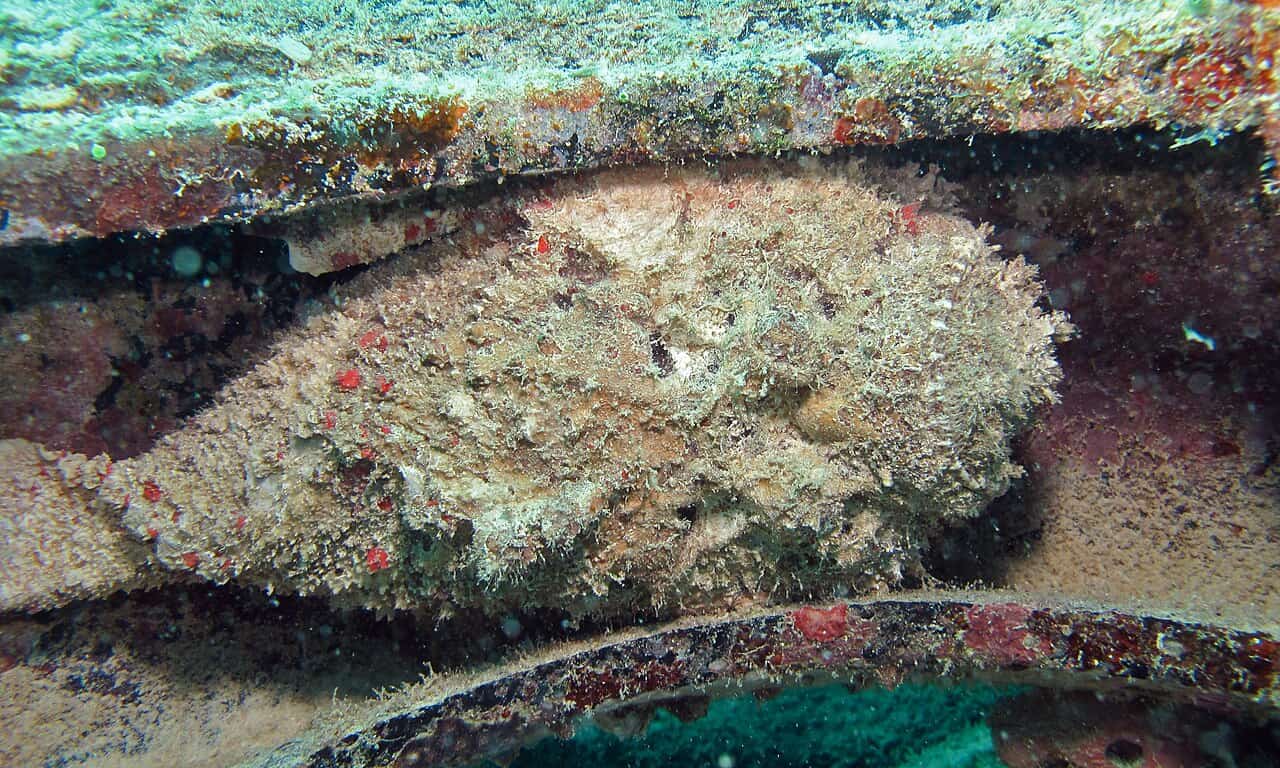
This creature does not waste energy swimming after its dinner across the open ocean. Instead, it relies on its camouflage to act as a quiet, sedentary marine landmine. It sits perfectly still for hours at a time, waiting for small meals to wander a bit too close.
When a small fish swims near, the predator opens its mouth with explosive, sudden speed. This action creates a powerful vacuum that sucks the prey whole in less than a fraction of a second. This lightning‑fast attack style makes it a highly efficient killer in its natural habitat.
Survival Outside the Water
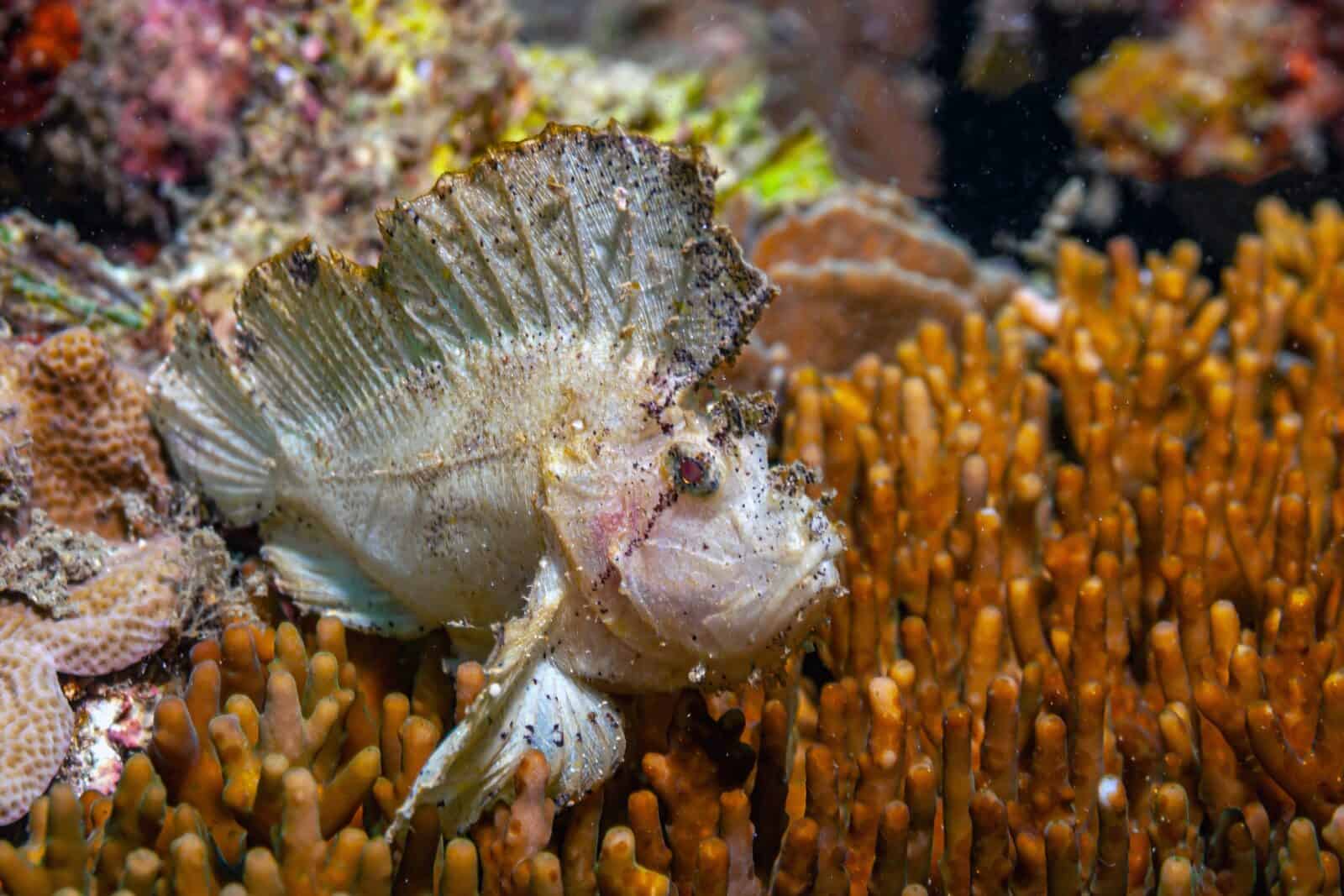
Most aquatic animals perish quickly when removed from their natural underwater environments. Remarkably, this resilient creature can survive out of the water for many hours by absorbing oxygen through its skin. This durability means it remains a hazard even when stranded on rocks during low tide.
Marine fact sheets report that stonefish can survive out of water for up to 24 hours as long as their surroundings stay moist. That extended survival time is why tourists must watch their step even on damp, exposed reef flats between tides.
Widespread Global Distribution
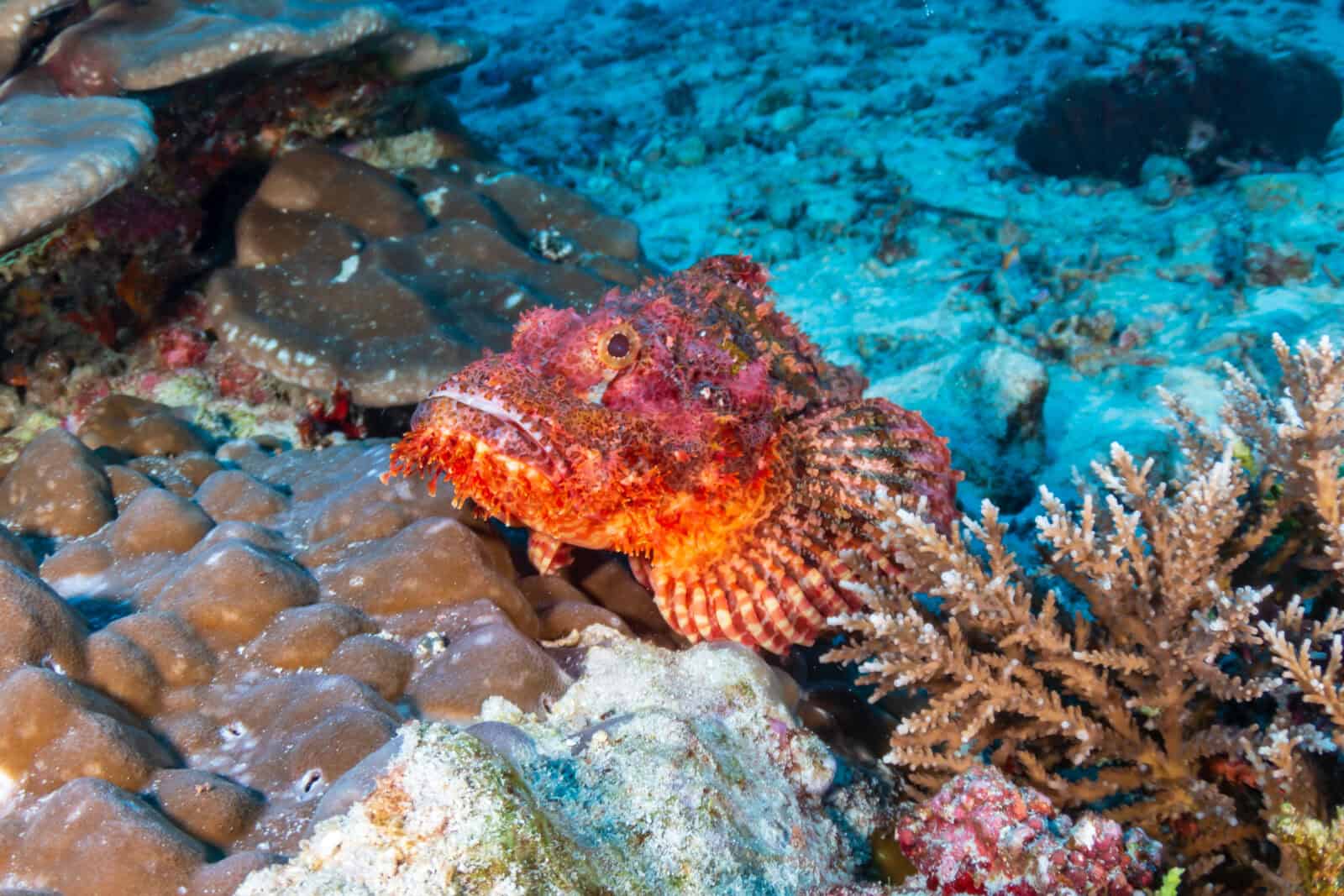
This coastal threat is not confined to a single isolated corner of the globe. It thrives across the entire Indo‑Pacific region, inhabiting popular tropical holiday destinations from Africa to Australia. Its presence in shallow coastal areas puts it in direct contact with millions of swimmers every year.
Because it favors shallow waters, it shares space with coral reef explorers and coastal divers. Species profiles note that reef stonefish occur throughout the Indo‑Pacific, including heavily visited beaches and reef systems, which turns this hidden predator into a broad public safety concern instead of a rare curiosity.
Resistance to Regular Footwear
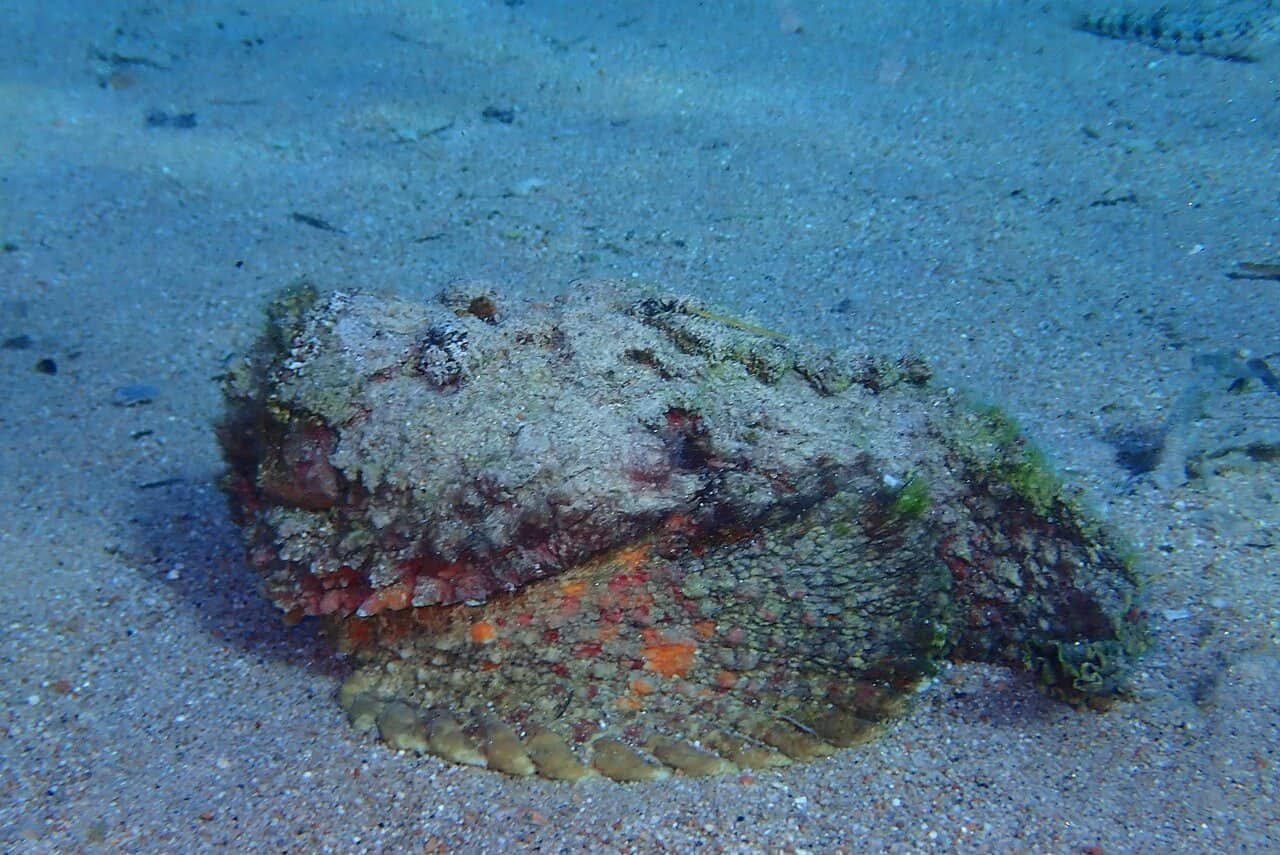
Many beachgoers believe that wearing basic plastic sandals will protect them from hidden ocean hazards. However, the stiff dorsal spikes of this animal are built to penetrate tough barriers easily. Standard thin flip‑flops offer virtually no protection against a heavy, vertical step on the reef.
Museum and encyclopedia entries point out that stonefish spines have been known to pierce boot soles, not just soft sandals, meaning even moderate footwear may not be enough. To stay safe, divers and reef walkers rely on thick, puncture‑resistant boots rather than casual beach shoes.
The Need for Specialized Antivenom
Neutralizing this specific oceanic poison requires a specialized pharmaceutical antidote created from equine antibodies. This vital serum has been saving lives globally since its initial development back in the 1950s. However, the product must be administered quickly in a hospital setting to prevent long‑term systemic damage.
If a hospital lacks the serum, doctors must rely on hot water therapy to slowly break down the proteins. A case report from Malaysia showed that hot-water immersion at around 45°C significantly reduced pain in a tourist who had stepped on a stonefish, with no further treatment required after the soak.
Key Takeaway

The stonefish earns its deadly reputation through a terrifying combination of invisible camouflage, a mechanical spine, and the destructive verrucotoxin. Surviving an encounter requires wearing heavy protective footwear and shuffling your feet whenever you walk along tropical shores. Respecting the hidden hazards of the sea allows adventurers to enjoy the beauty of nature without becoming a statistic.
More articles you might like:
- 10 Bloodthirsty Animals That Specifically Hunt Humans To Survive
- 10 Exotic Animals You Can Legally Own As Pets
- 10 Ways To Keep Your Dog Calm During Fireworks