Kash Patel faces criticism after posting FBI case details; critics say it boosted his image
A terror case is supposed to move like a locked door opening one careful inch at a time. First, the agents. Then the prosecutors. Then the court papers. Then, only when the case can bear the light, can the public statement be made.
Kash Patel’s critics say the FBI director skipped the hush and reached for the spotlight. On June 16, the Justice Department announced charges against five men accused of plotting to kill government officials and others at UFC Freedom 250 at the White House, a case involving arrests in Ohio, Missouri, Nebraska, and California.
But The Guardian reported that Patel had already posted about the arrests on social media while the matter was sealed and still active. That is why this story has become larger than one post. It is now a test of Patel’s judgment.
What happened
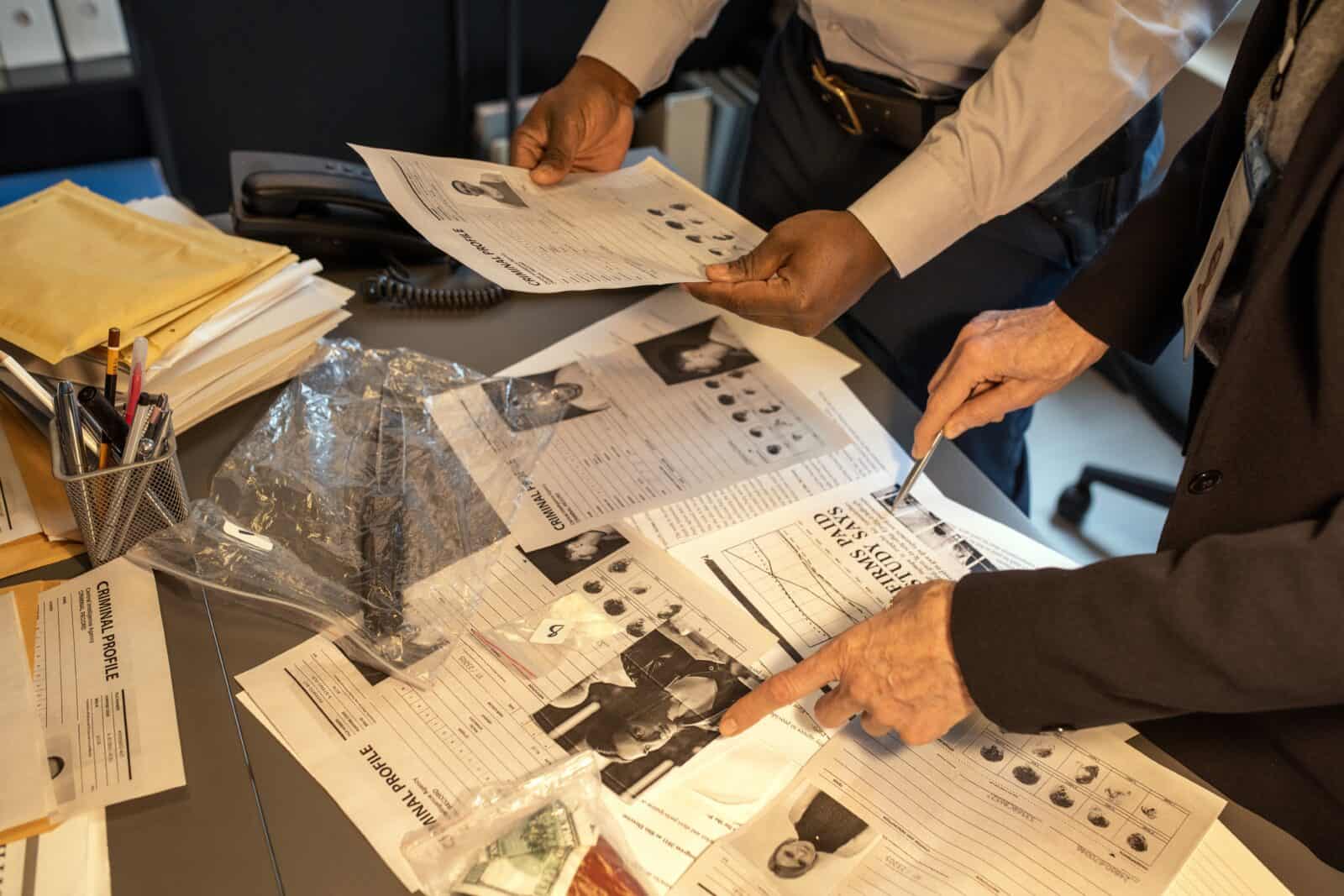
According to the Justice Department, the FBI began investigating the alleged plot after learning of a possible threat on June 10.
Prosecutors said the defendants were accused of planning a mass-casualty attack at UFC Freedom 250, using drones with explosives to force an evacuation before snipers fired at “high-value targets” in the crowd.
One defendant, prosecutors alleged, had amassed thousands of rounds of ammunition, firearms, and tactical gear in Ohio. All five men are presumed innocent unless proven guilty. Patel, in DOJ’s official announcement, said the alleged attacks were “stopped cold” and thanked agents and partner agencies, while adding that the work remained ongoing and updates would come “as permitted.”
The problem, critics say, is that Patel seemed eager to narrate the win before the legal system had finished setting the table. The Guardian reported that he posted about five arrests before DOJ’s formal announcement, and that law enforcement officials involved in the case said agents were still looking for more suspects at the time.
The case had been sealed by court order, according to the report, which made the timing more explosive. In an ordinary newsroom, a premature post is embarrassing. In federal law enforcement, it can affect witnesses, prosecutors, partner agencies, and future arrests.
Why is the backlash so sharp?

Patel’s defenders can argue that the public had a right to know that law enforcement stopped a serious threat. That is a fair point. DOJ itself released a detailed statement describing drones, snipers, encrypted chats, alleged weapons, and named defendants.
Public safety sometimes demands public information. But the old FBI standard is not just “say true things.” It is saying the right things, at the right time, through the right channel, with the case still protected. That is the part Patel’s critics say he keeps treating like a minor detail.
Lauren Anderson, a former FBI official with 29 years at the bureau, told The Guardian that if she had released sealed-case information in any form, even to a law enforcement official not directly tied to the case, she could have faced anything from a reprimand to a full investigation, suspension or firing.
She also said Patel’s actions could raise concerns with the court because of the seal. That quote lands hard because it frames the issue as a two-tier discipline problem: one rule for agents doing the work, another for the director posting the glory.
The Secret Service warning
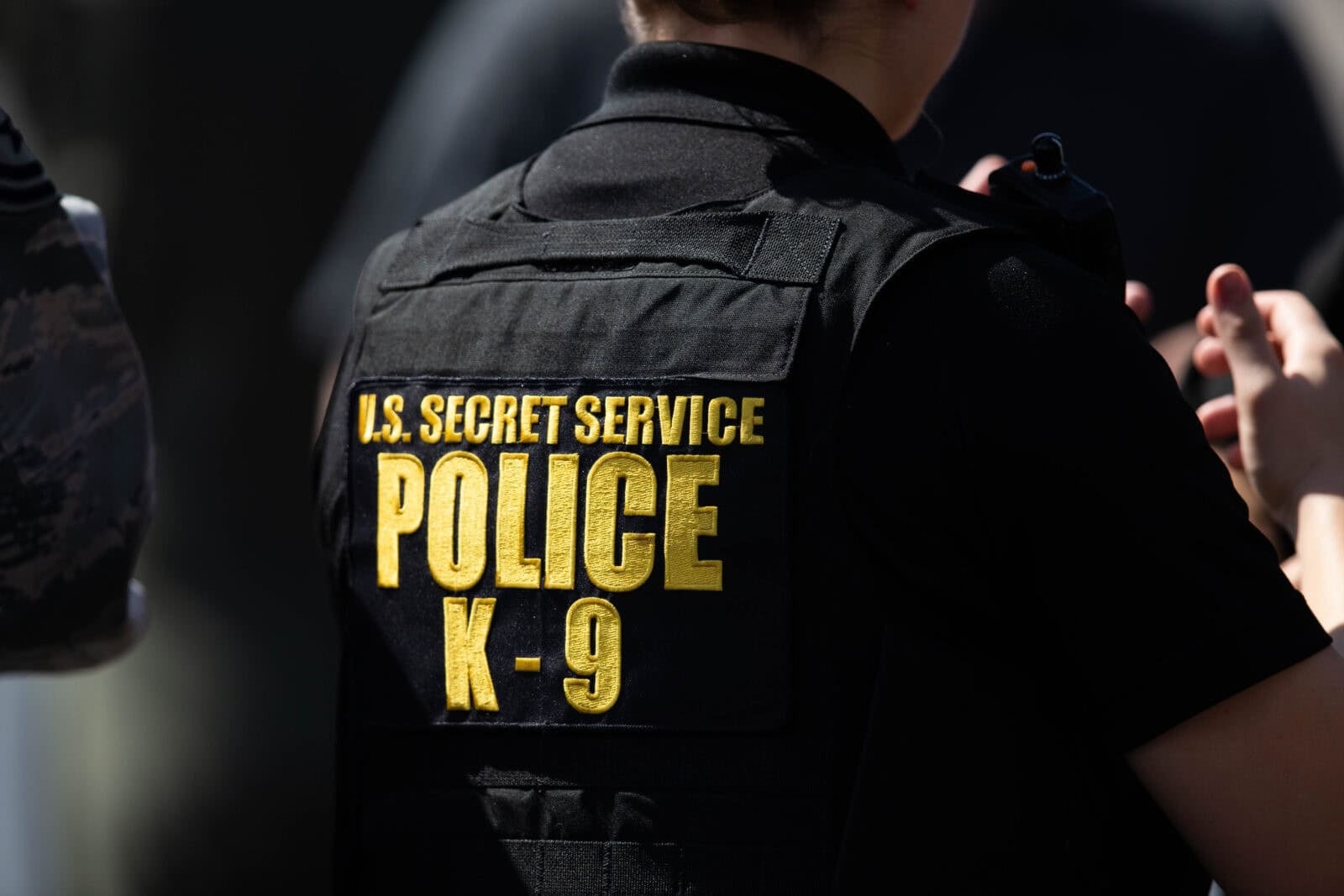
The most pointed rebuke came from Matt Quinn, deputy director of the Secret Service. Without naming Patel, Quinn told reporters, “Don’t choke on your own smoke.” He said the Secret Service led the investigation from the start and chose not to leak it because the case was ongoing and the security plan needed to be protected. That was not a throwaway line.
In law enforcement language, it read like a partner agency warning the FBI director that publicity can poison the work it claims to celebrate. That matters because these cases depend on trust between agencies.
The FBI, Secret Service, local police, prosecutors, and courts all move pieces of the same machine. A director who turns a shared operation into a personal announcement risks looking less like a steward and more like a narrator desperate to be in the frame. Patel has argued that his leadership has brought unusual transparency to the bureau. But transparency with no discipline can become noise. And noise, in a live case, can become dangerous.
The bigger issue is Patel’s leadership style
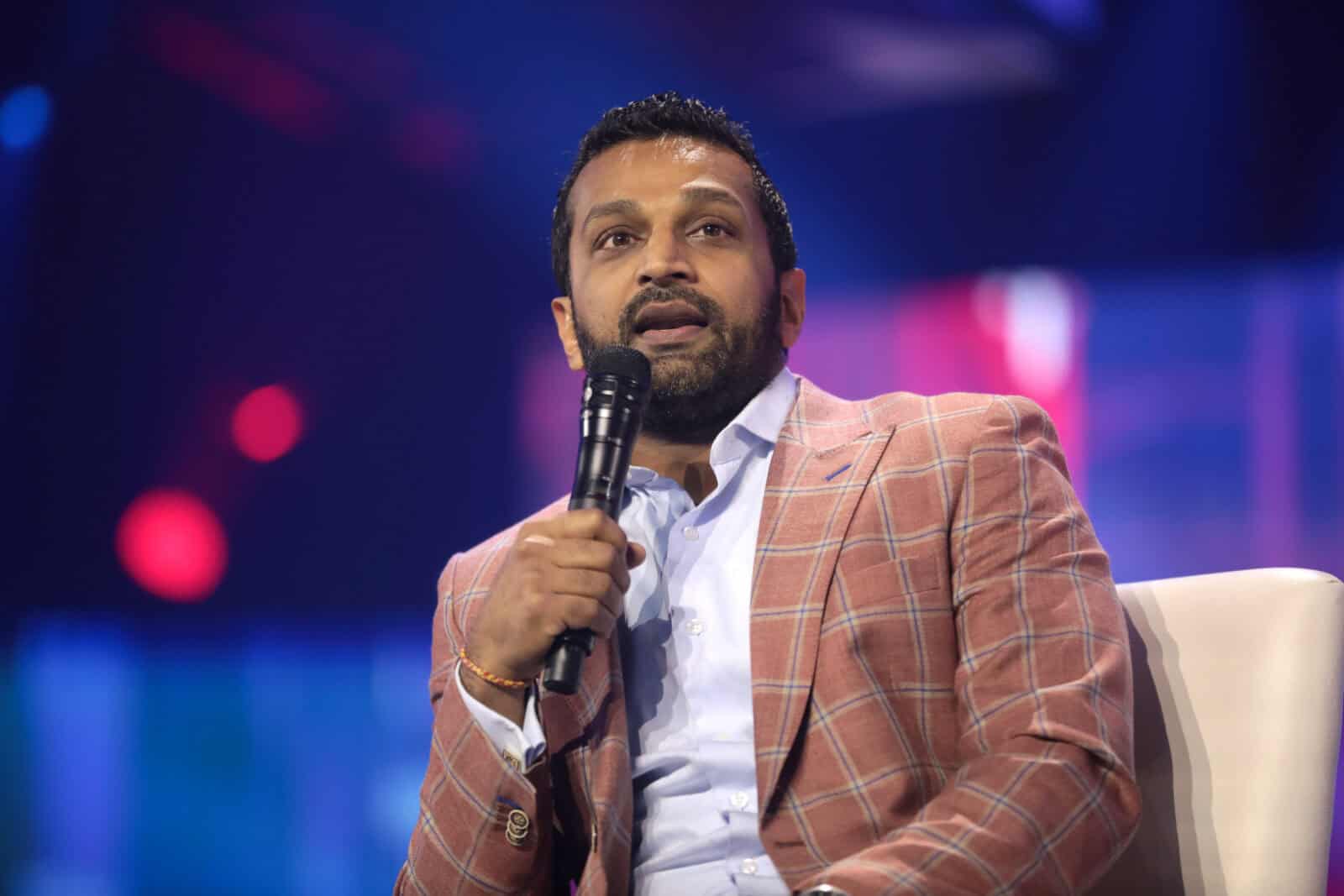
Patel became the ninth FBI director on February 20, 2025, after a career that included work as a public defender, a DOJ national security prosecutor, a congressional intelligence aide and a senior Trump administration official.
That résumé gives him real national-security experience. It does not erase the deeper criticism now following him: that he appears too comfortable turning sensitive FBI work into a public-facing brand. The Guardian reported that Patel had faced earlier criticism for issuing rapid social media announcements in other high-profile cases, including those in which people initially detained were later released without charge.
Philip Field, a former FBI counterintelligence analyst, told The Guardian that premature announcements can create a false sense of security for the public and for law enforcement. His criticism cut to the heart of the matter: the people doing the investigative work often never get credit because secrecy is part of the job.
Patel’s style flips that culture on its head. It makes speed and visibility look like proof of leadership, even when patience may be the stronger choice.
The Comey shadow
There is history here, and it is not kind to FBI directors who decide normal rules are too slow for the moment. In 2018, the Justice Department inspector general criticized former FBI Director James Comey’s unilateral public statement about the Hillary Clinton email investigation, saying it was inconsistent with department policy and violated long-standing practice and protocol.
Comey believed unusual transparency was needed. The watchdog saw something else: a director stepping outside the lane. The Patel case is different in facts, stakes, and politics. But the warning is similar.
The FBI director’s microphone is never just a microphone. It can shape public trust, trial strategy, political narratives, and the morale of agents watching from inside the building. Comey’s case showed that a director can claim transparency and still damage the institution. Patel now faces a related question: is he informing the public, or performing for it?
What can readers take away?
The FBI is powerful because Americans give it power: the power to investigate, surveil, arrest, question, and build cases that can change lives. That power depends on restraint.
DOJ’s own media policy warns that releasing sensitive non-public information can endanger witnesses or officers, jeopardize an investigation, prejudice a defendant’s rights or unfairly damage a person’s reputation. It also says DOJ personnel should presume that sensitive non-public information is protected unless disclosure falls within official duties and legal limits.
That is why Patel’s post has stirred such anger. It is not just that critics dislike his tone. It is that tone that reveals leadership habits. A careful FBI director makes the case bigger than himself. A careless one risks making himself bigger than the case.
In a moment when trust in federal law enforcement is already brittle, Patel’s social media style does not look like fresh transparency. It looks like a gamble with an institution that cannot afford many more self-inflicted wounds.
Disclaimer – This list is solely the author’s opinion based on research and publicly available information. It is not intended to be professional advice.
Like our content? Be sure to follow us