12 teen jobs from the 1980s that parents would question today
At 5 a.m., a teenager pedals through quiet streets delivering newspapers. By dusk, another wipes grease from a diner counter after a long shift. For many American families, that was simply part of growing up.
According to the U.S. Bureau of Labor Statistics, 57.9% of Americans ages 16 to 19 participated in the labor force in 1979, the highest rate on record. By late 2023, that figure had fallen to 37.5%. While many people look back fondly on their first jobs, those experiences often came with significant challenges.
The risks were real. The U.S. Government Accountability Office reported that in 1988, 26 states recorded more than 31,500 work-related injuries and illnesses involving minors. Workplace safety remains an issue today.
Data from the U.S. Department of Labor shows that investigators found 5,272 children employed in violation of federal child labor laws during fiscal year 2024, leading to more than $15 million in civil money penalties. A first job can build responsibility and confidence, but it should never come at the expense of a child’s safety.
Late-Night Fast-Food and Diner Shifts
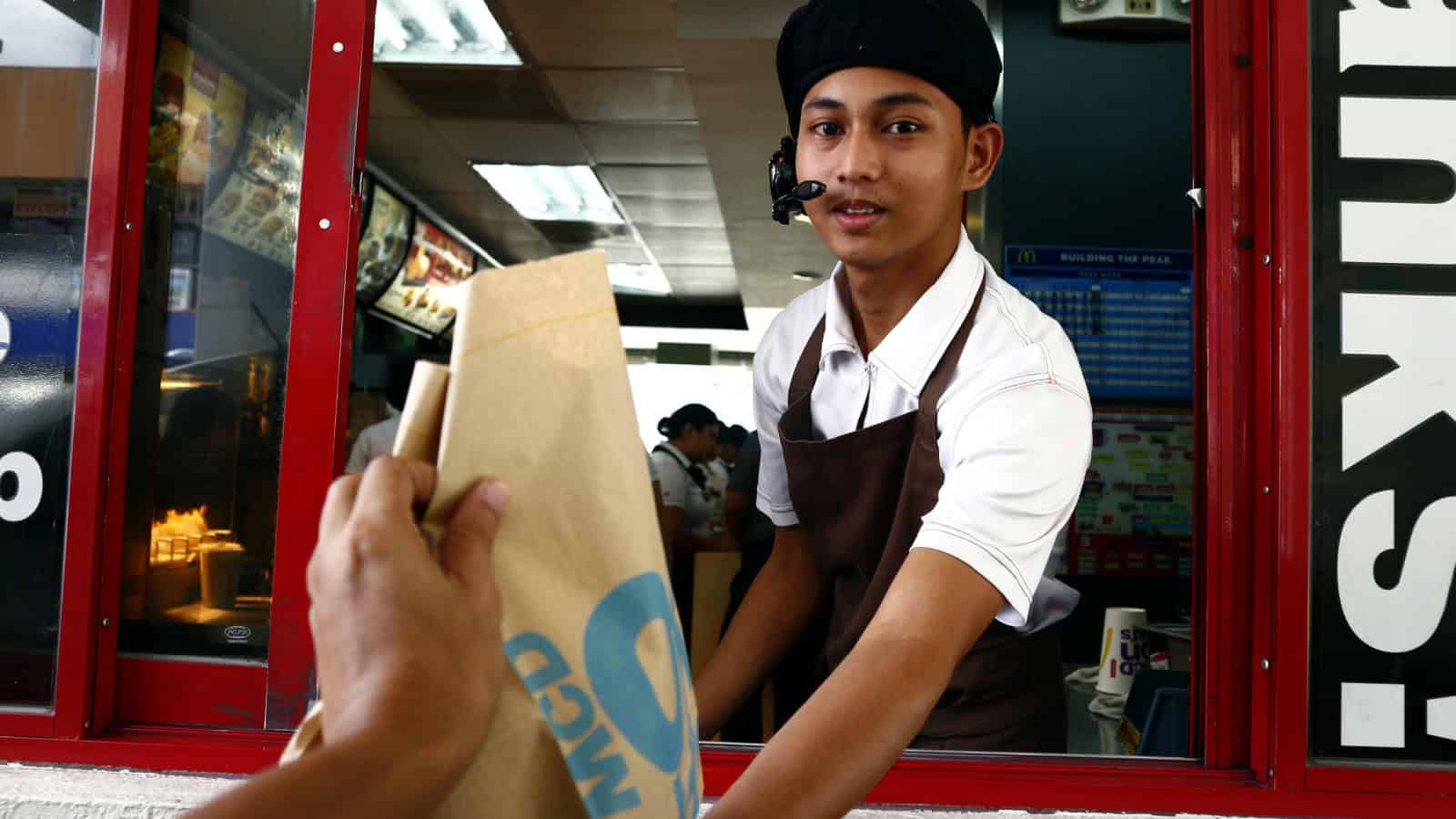
The bell kept ringing, the fries kept hissing, and homework waited at home late at night. GAO data show that restaurants accounted for 42% of detected federal child-labor violations from fiscal 1983 through 1989.
Some teens worked unlawful hours or handled full-size kitchen gear. Federal law permits 14- and 15-year-olds to work no more than three hours on a school day or 18 hours in a school week. They also can’t work past 7 p.m. through most of the school year.
Sixteen- and seventeen-year-olds face no federal hour cap, though state rules may be tighter. Counter work can still be a fine first job. Open-flame cooking, deep fryers, meat slicers, and drained closing crews call for a firm safety check.
Grocery Stockrooms and Heavy Shelves

Out front, a teen bagged cereal and milk. Behind the doors stood tall pallets, loading bays, meat slicers, and a trash compactor. Grocery stores made up 26% of detected child-labor violations from fiscal 1983 through 1989, the GAO found.
U.S. law lets teens bag food, price goods, and stock safe areas. Workers under 18 can’t run forklifts or power-driven meat slicers, and most can’t run balers or compactors.
Boise State professor and job-safety researcher Kimberly Rauscher has studied why teens may stay quiet. She told The Wall Street Journal that they often “don’t know they have a right to say, ‘This isn’t OK.’” That shifts a parent’s role. Asking about the stockroom may matter as much as asking about the pay.
Gas Station Attendants Working Alone

Cold pavement, a cash drawer, and lights from a dark road gave this job a lonely edge. Labor Department rules permit fourteen- and fifteen-year-olds to pump gas, add oil, clean windshields, and wash cars by hand.
They still can’t stay past 7 p.m. through most of the school year. Nor can they repair cars, operate garage lifts, or enter service pits. The work may be less troubling than the site: a teen alone with cash and strangers, with no adult near.
No sound U.S. count shows how many 1980s teens worked solo at gas stations after sundown, so a fond memory can’t stand in for fact. Still, parents can ask about cameras, an adult on-site, a safe ride home, and the plan in case a customer becomes mean or violent.
Warehouse, Factory, and Assembly-Line Work

The belt didn’t care that the hands beside it still had math homework. GAO records from fiscal 1983 through 1990 show that more than 85% of detected violations tied to grave injuries involved violations of hazardous-work rules.
Those rules made up 32% of all detected child-labor violations. U.S. law bars those aged 14 and 15 from factory work. It also keeps workers under 18 off forklifts, many cutting tools, compactors, and unsafe meat gear. The risk is still real.
In an October 2024 Labor Department release, then Wage and Hour Administrator Jessica Looman said, “Our priority is protecting the most vulnerable workers in our country, our children.” A school shop can teach a trade. A rushed factory floor with sharp tools is a far less fond tale.
Construction Helpers and Landscaping Crews

Summer work smelled like cut grass, hot tar, and sawdust stuck to a T-shirt. Some of it was sound outdoor work. Some crossed a legal line. The Labor Department lists 17 unsafe nonfarm job groups for workers under 18. They cover most roof work, demolition, many power saws, and trenches more than four feet deep.
GAO data from fiscal 1983 through 1990 show that building and factory work accounted for about 27% of injuries tied to detected child-labor violations. Raking leaves is not the same as feeding wood into a chipper.
Parents can judge the job with calm, clear facts. Ask which tools the teen will touch, how heat breaks work, who gives out safety gear, and which trained adult stays on site each day.
Babysitting Deep Into the Night

The house grows still past midnight, and the young sitter hears each creak. Federal law treats casual babysitting in a private home as one of the rare jobs open to children younger than 14. That trust can build pride, but a 1 a.m. end on a school night has a cost.
The CDC says teens ages 13 to 18 need eight to 10 hours of sleep each day. In 2021, the share of high school students who got too little sleep ran from 71% in South Dakota to 84% in Pennsylvania.
No U.S. rule calls for a class for each casual sitter, so families shape much of the safety net. A fridge note with two phone numbers, a set return time, a nearby adult, and a safe ride home each night can keep the trust while easing the load.
Newspaper Delivery Before Sunrise

Few first jobs hold more poetry than a paper route: porch lights, bike wheels, and folded news on the step. Federal law still permits children younger than 14 to deliver newspapers straight to consumers today. The job once sat in a much larger trade.
Pew Research Center data show that weekday U.S. newspaper circulation reached about 62.8 million in 1985. By 2022, the print and digital estimate had sunk to 20.9 million. That helps explain why teen carriers faded with the thump of the morning paper.
It does not mean each old route was unsafe. Still, dark roads, cars, rain, ice, and lost sleep can worry a parent. A short route in daylight, with an adult near, feels far from miles of solo riding before dawn.
Mall Retail During the Holiday Rush

The mall shone like a small city, and a store badge felt like a pass to adult life. The rush also meant late closings, packed lots, and schoolwork wedged between shifts.
The GAO put more than three-quarters of detected child-labor violations from fiscal 1983 through 1989 in the broad retail trade group. That group also owned restaurants and grocery stores, not just mall shops.
NIOSH says that retail still employed 22% of working 15- to 17-year-olds in 2020. For ages 14 and 15, U.S. limits stay at three hours on a school day and 18 hours in a school week. Retail can teach poise and sales skills. Parents may still balk at late stock counts, lone walks to a car at night, and a boss who scorns school needs.
Car Wash and Auto-Detailing Jobs
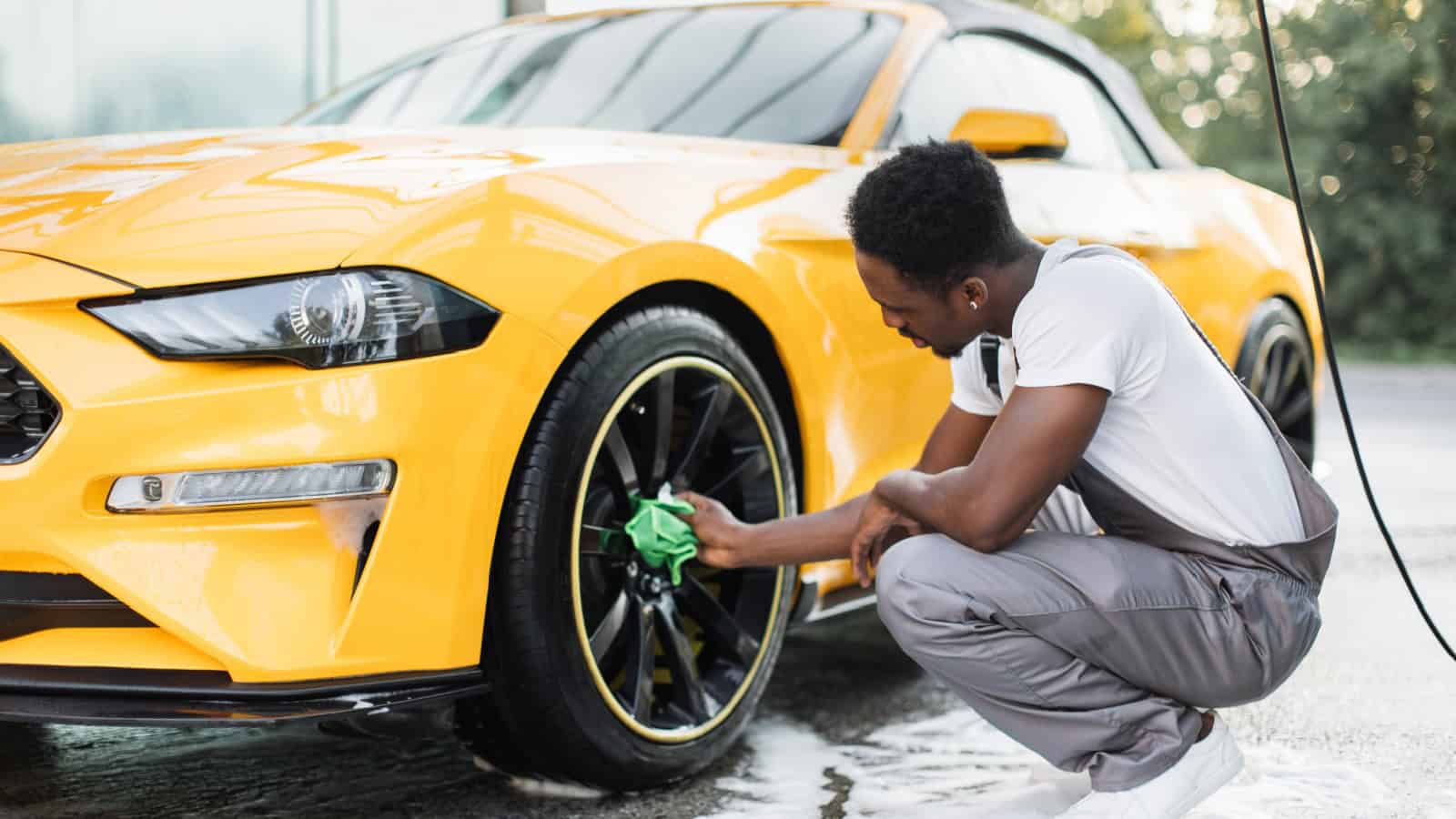
Wet shoes, cold spray, and sharp soap made car-wash cash feel well-earned. U.S. law allows 14- and 15-year-olds to wash and wax cars by hand. It bars them from repair work, lifts, and garage pits. The wider risk still matters.
NIOSH says workers ages 15 to 17 had about 26,900 job injuries treated in emergency rooms in 2022 across all fields. That is not a car-wash count, but it helps explain why parents look past the bright help-wanted sign.
A safe shop marks each cleaner, guards moving parts, steers cars with care, keeps floors clear, and has an adult who can stop the line at once. The job can bring sound summer cash. A teen should not have to guess which soap burns skin or which belt can grab a sleeve.
Agricultural Field and Harvest Work

Dawn on a field can glow, but heat, sprays, heavy loads, and farm gear can change the day by noon. U.S. rules allow ages 12 and 13 to do safe farm work outside school with a parent’s written consent or alongside a parent.
At 16, a youth may do any farm job under federal law, even one classed as unsafe. NIOSH reports that farming, forestry, fishing, and hunting had 18.6 work-related deaths per 100,000 full-time workers in 2022.
That was five times the 3.7 rate for all fields. Child Labor Coalition advocate Reid Maki told The Guardian, “We need to look for ways to make work safer for kids and not expose them to unnecessary hazards.”
Farm work can pass down pride. Shade, clean water, sound training, and firm machine limits help.
Telemarketing and Door-to-Door Sales

One teen sat under bright lights with a phone script in hand. Another took sales forms down the streets far from home. The jobs share a past, but not the same risks.
Since July 19, 2010, Labor Department rules have set 16 as the minimum age for youth peddling or door-to-door sales. The ban covers sales at homes and public sites, as well as tasks such as loading vans and handing cash to the boss. Phone sales don’t face that same broad age rule.
No sound U.S. data shows how common either job was for teens in the 1980s, so fond tales can’t turn into false facts. Parents can still spot red flags: pay based solely on sales, a vague firm name, group trips, no fixed return time, and a boss who won’t say where a teen will be each day.
Cash Jobs With No Paper Trail

A folded bill from the till could feel clean and simple. It could also hide lost hours, low pay, unsafe tasks, and a lack of proof after an injury. Cash pay is not a crime by itself. The boss must still meet wage, record, hour, and safety rules.
A GAO national enforcement series shows detected child-labor violations rose from 9,679 in fiscal 1983 to 42,696 in fiscal 1990, more than fourfold. That firm count replaces loose claims about the decade. Small diners and shops were not all bad, and many owners taught teens with care.
Still, parents have good cause to question a job with no pay stub, no set shift, and no clear boss. A teen’s first pay should come with the same base rights as any worker’s pay.
What a First Paycheck Should Leave Behind

NIOSH counted 19 job deaths among people under 18 in 2022, including six children younger than 16. Old jobs gave teens pride and tales that shine.
Safer rules don’t erase those days. They help the next first pay leave skill and cash, not harm a young worker, feared to name.
Key Takeaways

Of 976 child-labor cases closed in fiscal 2025, the Labor Department found 250 with unsafe-job violations involving 773 minors. Teen work is not the foe.
Parents need plain facts about hours, tools, adult care, school needs, and how a teen can speak up. The best first jobs still give what the 1980s knew: pride in earning your own way.
Disclaimer – This list is solely the author’s opinion based on research and publicly available information. It is not intended to be professional advice.
Like our content? Be sure to follow us