Grocery store traps: 11 products you’re paying too much for
If your grocery bill still feels painfully high, you’re not imagining things. According to the U.S. Department of Agriculture, food-at-home prices rose 2.3% in 2025, while Americans spent more than $1.1 trillion on groceries during the year.
Although inflation has cooled from its post-pandemic peak, many everyday items remain significantly more expensive than they were just a few years ago. Some categories, including eggs and beef, saw especially sharp price increases, while others continue to carry hefty markups that shoppers often overlook.
The good news? Not every expensive grocery item is worth the premium. In many cases, you’re paying more for convenience, branding, packaging, or clever store placement rather than better quality. Here are 11 grocery store traps that can quietly inflate your bill.
Pre-Cut Fruits And Vegetables

Pre-sliced melon, chopped onions, and ready-to-roast veggies feel like a gift on a busy night. The packaging is pretty, the work is done, and you just toss it into a pan. The catch is that you are often paying chef-level prices for entry-level knife work.
Consumer writers who track grocery prices note that pre-cut produce often costs roughly double or triple the per-pound price of the same item sold whole, when comparing unit prices on the label. If you are comfortable with a cutting board, those clear plastic tubs are one of the fastest things to swap out.
Brand-Name Spices
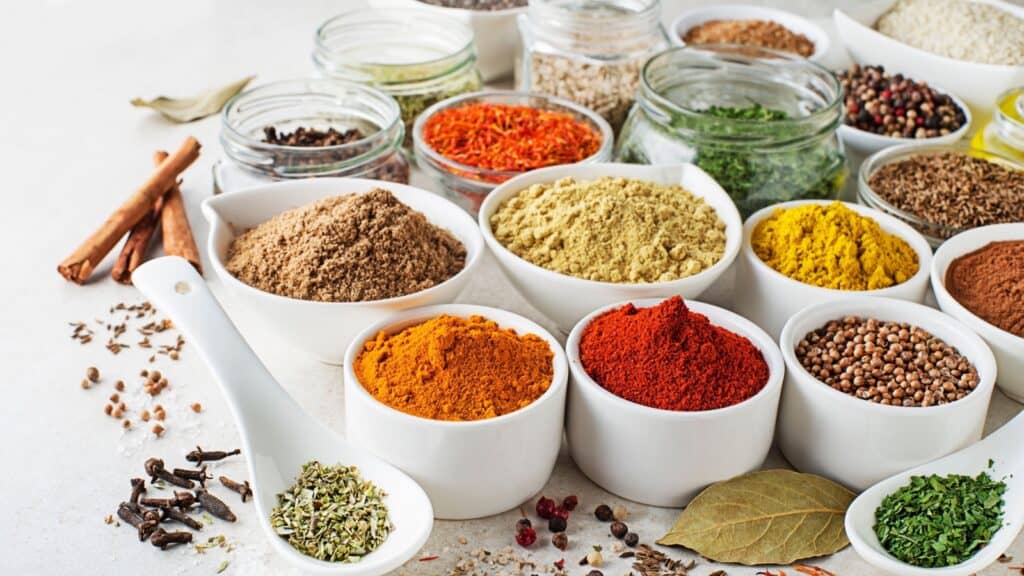
That matching row of brand-name spice jars looks nice, but most of what you are paying for is the label and the glass. Many store brands or bulk spice bins sell the same basics for a fraction of the price. Once the seasoning is in the pan, no one at the table can see the logo.
Money experts interviewed by AARP point out that name-brand spices can cost several times as much per ounce as generics, and that buying in bulk at warehouse clubs usually slashes the spice bill without sacrificing flavor. If you cook a lot, trading brand labels for bulk jars is one of the easiest quiet wins.
Bagged Salad Kits
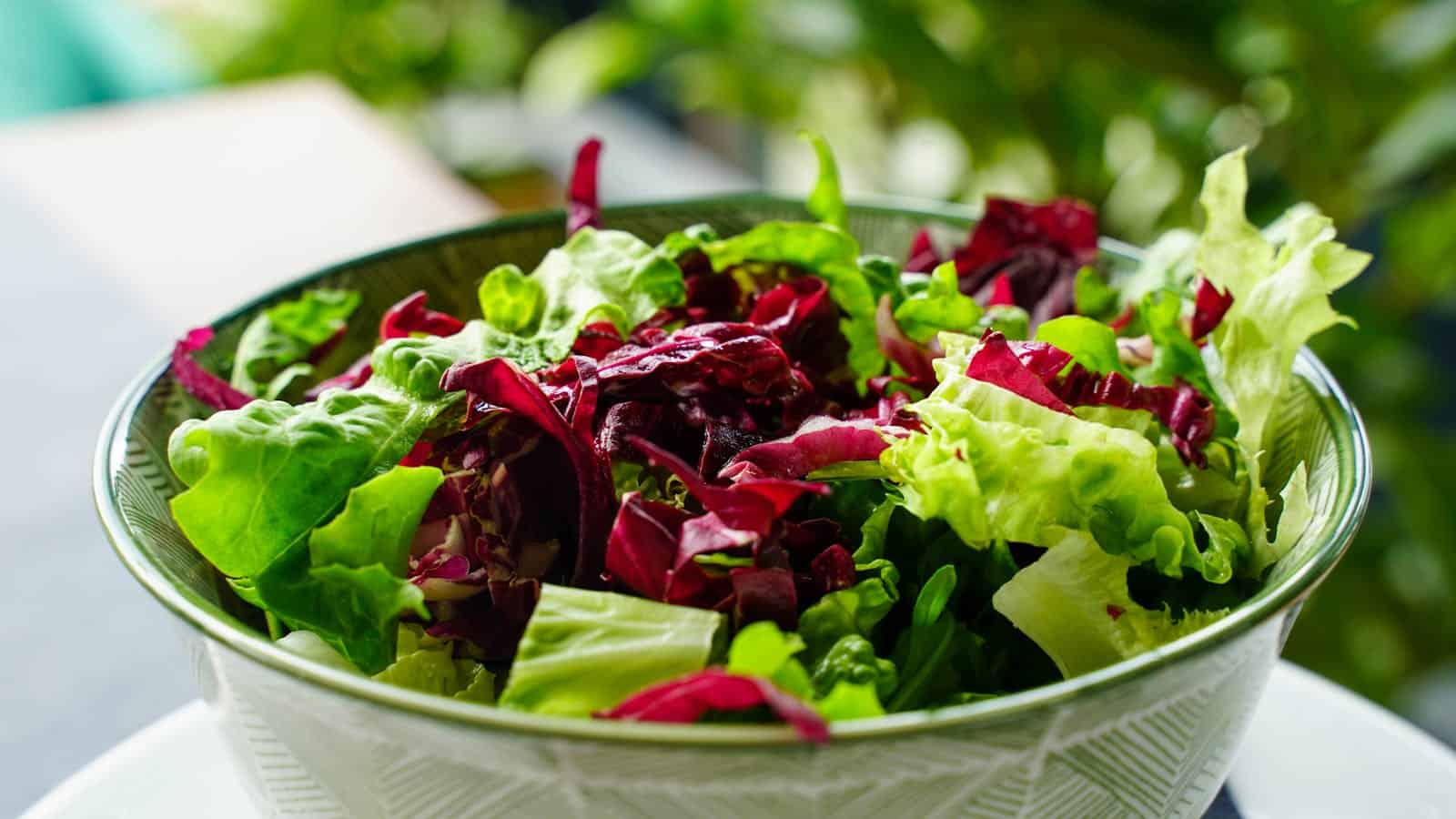
Bagged salads promise a full side dish in seconds, with a dressing packet and crunchy toppings included. They are handy when you are tired, but the price per ounce of actual greens is steep. You are paying a premium for shredded lettuce, a handful of croutons, and a tiny pouch of dressing.
Real Simple’s grocery breakdown notes that assembling your own salad from whole lettuce, a big box of greens, and simple toppings often cuts the cost per serving noticeably compared with premium salad kits in the refrigerated case. If you can spare five minutes to chop, you keep the salad and lose the markup.
Bottled Water

If your cart always has a 24-pack of bottled water, your grocery bill is quietly taking a hit. In many U.S. cities, tap water is heavily regulated and safe, and a basic filter can address taste issues. At that point, you are essentially paying for plastic and branding.
A cost comparison in National University’s literacy and life skills report notes that households that switch from single-use bottled water to filtered tap water can save hundreds of dollars a year, especially if they are used to buying multiple cases a month. You still get clean water, just without dedicating half your budget to it.
Single-Serve Snack Packs

Those mini bags of cookies, crackers, or trail mix are appealing, especially for kids’ lunches. They feel tidy and portion-controlled, which plays straight into our “I am being good” mindset. The problem is that you are often paying double or triple the unit price for someone to scoop the same snack into smaller bags.
Consumer groups that study grocery markups report that individually wrapped snacks can cost two to three times as much per ounce as the large-bag version, even when both carry the same brand name. You can keep the grab-and-go convenience by doing the portioning at home and keeping the extra cash.
Shredded Cheese

Bagged shredded cheese feels like a small luxury, but there is real markup hiding in those bags. You pay more per ounce, and you also get added anti-caking ingredients that keep the shreds from clumping. If you cook often, grating a block yourself is one of those tiny habits that saves money without changing what is on the plate.
Buying blocks instead lets you choose the exact cheese you want and control the texture. You can shred a big batch at once and stash it in the fridge or freezer, so it is just as handy on busy nights. Your tacos and casseroles will not know the difference, but your receipt will.
Frozen Entrées And TV Dinners
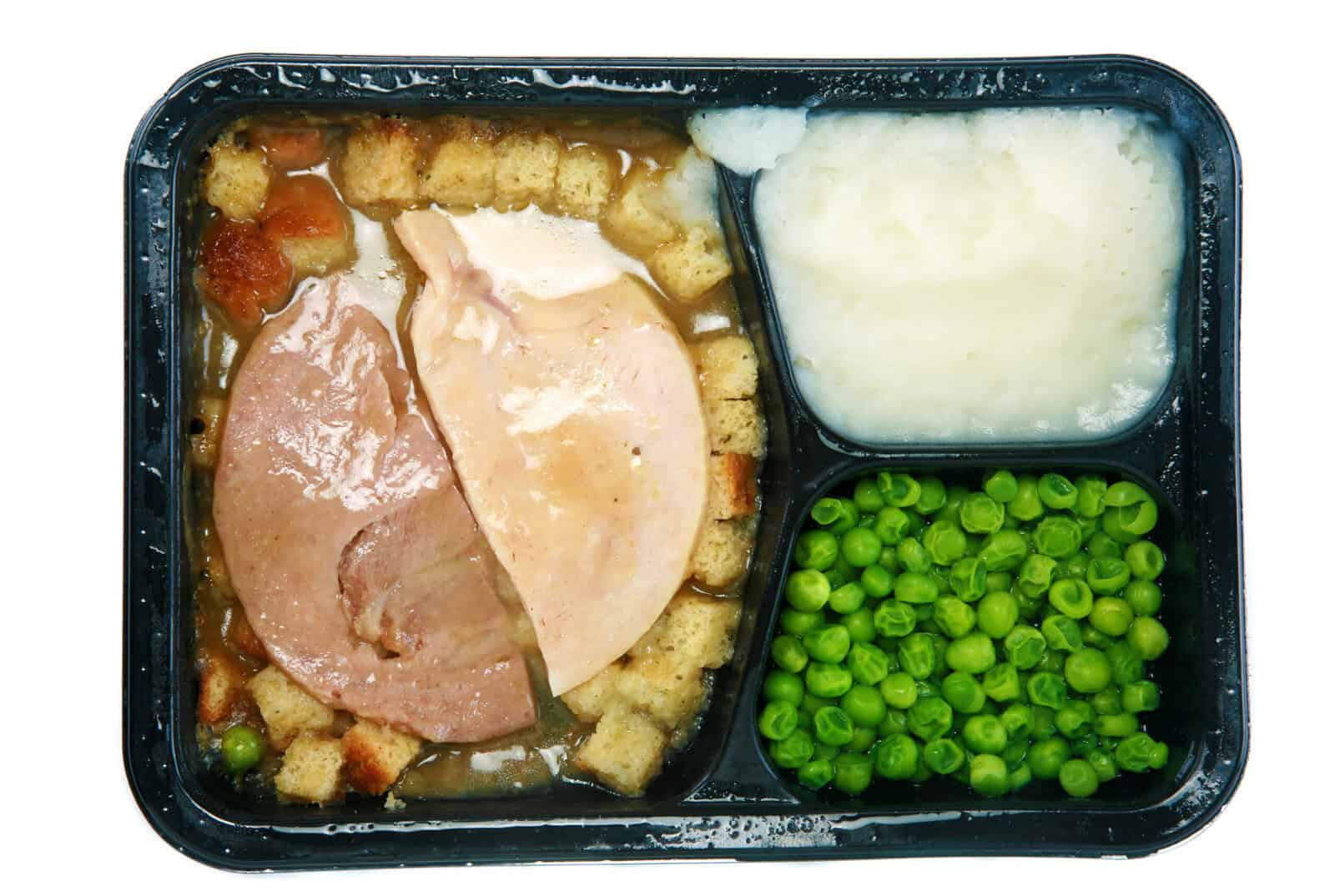
Frozen single-serve meals promise an easy night off from cooking, but that convenience comes with a price. When you compare the ingredients to what you could cook in bulk at home, you are often paying restaurant-level prices for fairly basic dishes. Salt and sauce do a lot of heavy lifting.
Grocery spending guides from nonprofit credit counselors show that home-cooked batch meals, frozen in portions, often cut the per-serving cost of dinners by half or more compared with branded frozen entrées, while giving you more control over sodium and portion sizes. You still get a quick microwave night, just without the stealth restaurant tab hiding in your freezer.
Brand-Name Pantry Staples

Flour, sugar, rice, and basic canned beans are among the least glamorous items in the cart, yet big brands still charge extra for them. In taste tests and recipes, though, these staples usually perform the same as their plain label cousins. Once they are in a pot or mixing bowl, the logo disappears.
Wise Bread’s comparison of brand-name versus store-brand pantry items found that store-brand basics often cost 20% to 40% less than name brands and perform nearly identically in everyday cooking and baking. Swapping the most boring items in your pantry to store brands can quietly shave real dollars off your monthly bill.
Brand-Name Cleaning Products
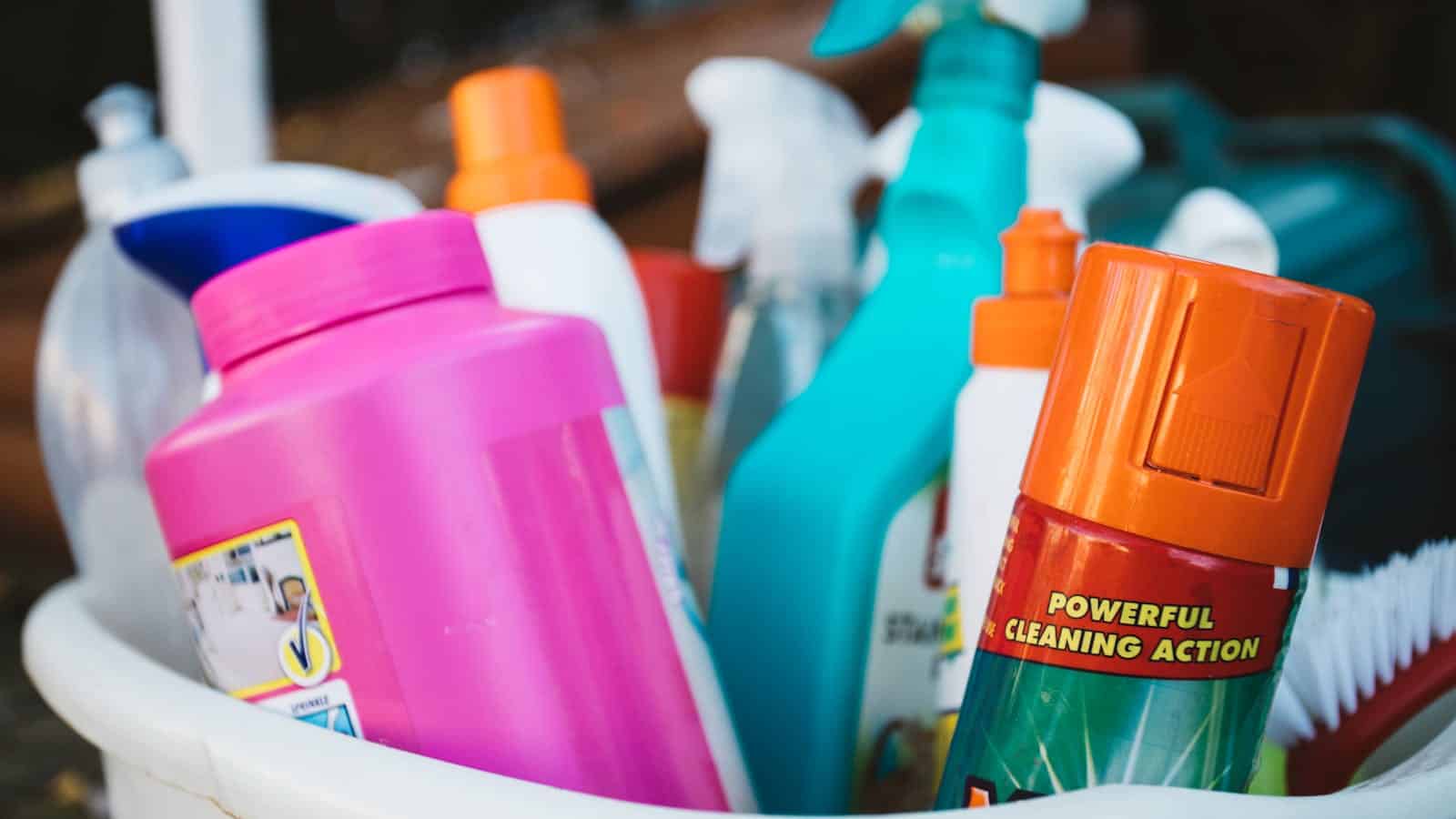
The cleaning aisle is full of colorful bottles and big promises. Many people stick with the brands they grew up with, assuming they must be better. In reality, generic cleaners with the same active ingredients often work just as well on counters, glass, and floors.
Store brands usually share similar ingredients and instructions, just without the heavy advertising budget. If you try a cheaper version on one or two surfaces first, you can see how it performs before switching fully. Your sink cares about surfactants, not logos, and your wallet does too.
Single-Serve Coffee Pods

Pods are incredibly convenient, especially in small households, but the price per cup can be eye-watering. When you add up what you are paying for those tiny plastic capsules, you often cross into coffee shop territory without the latte art. Traditional ground coffee and a drip machine or French press cost far less per mug.
A simple switch to ground coffee lets you buy larger bags, experiment with different roasts, and still brew just enough for one or two people. Reusable pods or small pour-over cones keep the convenience without the premium packaging cost. If caffeine is a daily habit, that switch alone can free up serious money over a year.
Fresh Bakery Treats At The Entrance
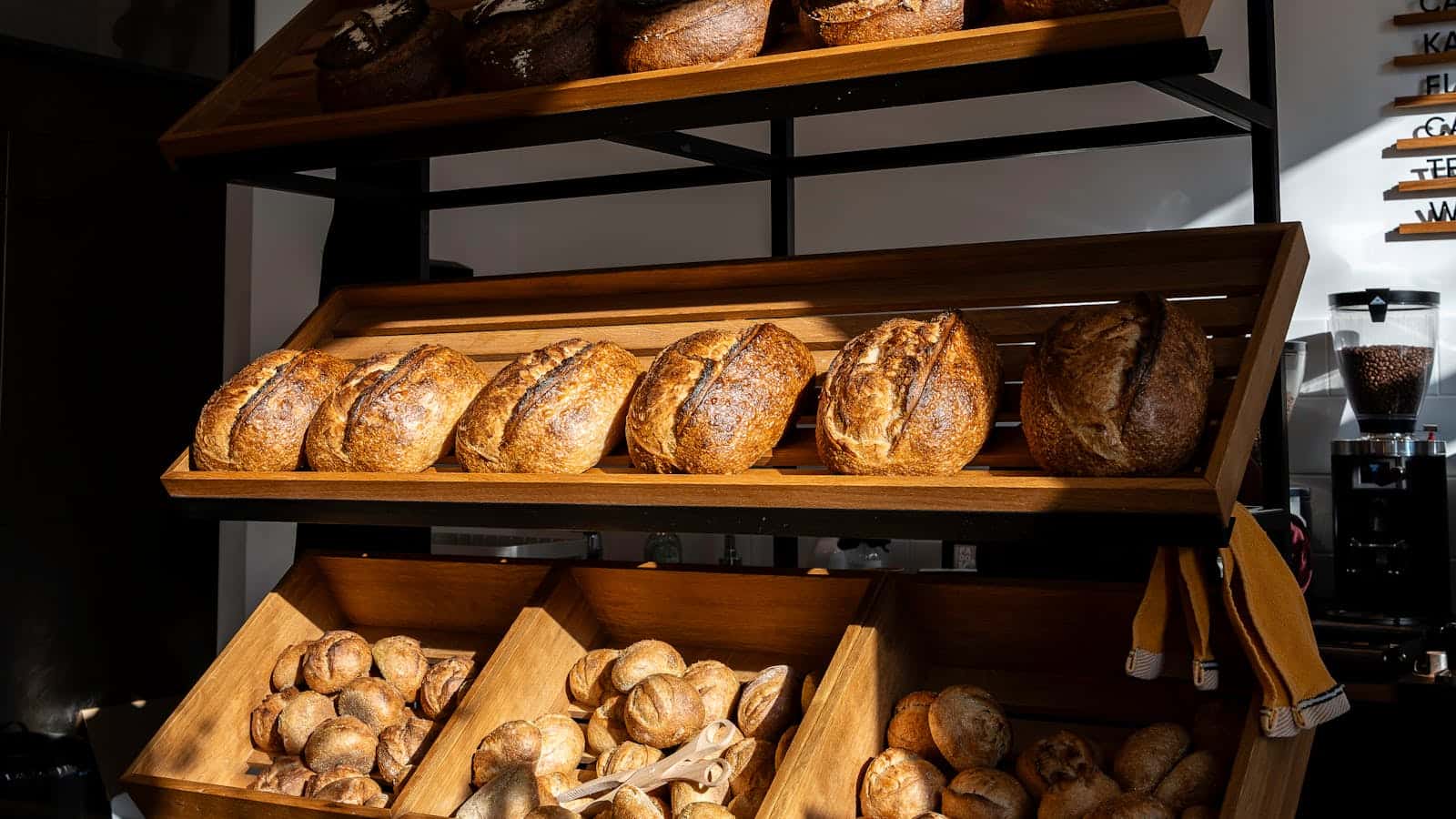
The smell of warm bread and cookies the second you walk in is not an accident. In-store bakeries are usually placed near the entrance to trigger hunger and impulse buys. That crusty loaf or fancy cupcake tray you did not plan on has some of the highest profit margins in the building.
Walking in with a list and a rough snack plan makes it easier to resist those first few display tables. You can still pick up a treat now and then, but it becomes a choice instead of a reflex. If you can walk past the bakery without tossing something in “for later,” you are already winning.
Key Takeaway

Most grocery “traps” are not scams as much as they are carefully staged temptations that count on you being tired, rushed, or hungry. Prepped produce, snack packs, kits, pods, and brand-name basics all do the same thing: charge you extra for tiny bits of convenience. Once you know which products push your bill up the fastest, you can still enjoy an easy dinner without feeling like the store just raided your wallet.
Disclaimer: This list is solely the author’s opinion based on research and publicly available information. It is not intended to be professional advice.
Like our content? Be sure to follow us.