I’m young, I don’t tan much… how is melanoma even possible?
If you’re young, careful with sunscreen, and don’t use tanning beds, it can feel shocking or unfair to even hear the word “melanoma.” You might wonder if something was missed or if your body is somehow “betraying” you.
Doctors agree that ultraviolet (UV) light from the sun and tanning beds is the main cause of melanoma, especially the common type that starts on exposed skin like the back, legs, arms, and face.
But “main cause” does not mean “only cause.” Some melanomas happen in people who are young, who try to protect their skin, or who rarely burn. That’s because other forces are at work too: your genes, your immune system, your natural skin type, and sometimes just bad luck when cells copy their DNA.
The big picture: What actually causes melanoma?
Melanoma starts in melanocytes, the cells that give skin its color. When the DNA in those cells is damaged in certain ways, they can start growing out of control and form cancer.
Scientists know a few major drivers:
- UV radiation from the sun and tanning beds. UV light damages DNA in skin cells, including melanocytes, and this damage can trigger cancer over time.
- Inherited gene changes (family risk). Some people are born with gene mutations, such as changes in the CDKN2A or CDK4 genes, that make melanoma more likely, even with modest sun exposure.
- Random DNA errors. Every time cells divide, they have to copy their DNA, and sometimes errors happen by chance; if those errors hit the wrong genes, they can lead to cancer even without a clear outside trigger.
- Less common factors. Research is exploring roles for things like chronic inflammation, certain viruses, or physical trauma in rarer melanoma subtypes, though this is still an evolving area.
So even if you try to do everything “right,” some risk can remain because you can’t control your inherited genes or every random mutation.
Why young people can still get melanoma

We usually think of melanoma as a disease of older adults, but it can and does show up in younger people. A few reasons why:
- Family history and inherited mutations. A small but important percentage of melanomas are “familial,” meaning they run in families due to inherited gene changes. If close relatives have had melanoma, your own risk can be higher, even at a younger age.
- Skin type and moles. Having very fair skin, lots of freckles, red or blond hair, or many moles (especially “atypical” or unusual-looking moles) makes melanoma more likely, regardless of age.
- Early intense sunburns. Studies suggest that bad sunburns, especially in childhood and teen years, are strongly linked to melanoma later on, even if overall lifetime sun exposure doesn’t seem “extreme.”
- Immune system issues. People whose immune systems are weakened (for example, after organ transplants or certain treatments) have a higher risk of skin cancers, including melanoma, even when they avoid the sun.
If you’re young and dealing with a suspicious spot, none of this means you “did something wrong.” It means the disease is complex, and sometimes it’s about vulnerability more than behavior.
How can melanoma show up in places that never see the sun?
Here’s one key fact that surprises many people: melanocytes are not just on sun‑exposed skin. They’re spread across almost all of your skin and even some internal surfaces.
That’s why melanoma can appear in places like:
- The soles of your feet and palms of your hands
- Under or around a fingernail or toenail
- The scalp, especially under hair
- The genital or anal area, inside the mouth, or in other internal “mucosal” surfaces
Major cancer organizations specifically point out that melanomas can develop in these “hidden” areas with little or no sun exposure.
Two important subtypes help explain this:
- Acral lentiginous melanoma: Occurs on palms, soles, or under nails. These areas get little sun, and this type is not believed to be driven mainly by UV.
- Mucosal melanoma: Occurs on internal surfaces like the mouth, nasal passages, or genital/anal areas, which are not exposed to sunlight.
Genetic studies show that acral and mucosal melanomas have different DNA damage patterns than typical sun‑related melanomas and are not clearly linked to UV radiation. This tells researchers that other, still‑not‑fully‑understood causes are involved in those areas.
For people with darker skin, this is especially important: melanoma is less common overall, but when it does happen, it more often shows up on the palms, soles, or under the nails. That makes regular checks of those areas crucial, even if you never burn.
“If most cases are from UV, why emphasize the other causes?”
You might think, “If 80–90% of melanomas are linked to UV, isn’t that the whole story?” UV is the dominant, preventable risk factor: large studies estimate that the majority of cutaneous (skin) melanomas are related to UV exposure.
But emphasizing the non‑UV piece matters for a few reasons:
- It helps explain why someone who is careful with sun can still get melanoma and reduces misplaced guilt or blame.
- It reminds doctors and patients to check all of the skin, including palms, soles, nails, scalp, and genital area—not only obvious “sun spots.”
- It motivates research into rare subtypes like acral and mucosal melanoma, which behave differently and often have worse outcomes.
In other words, sun safety is still essential, but it’s not the only part of the story.
What to watch for on any part of your body
No matter your age, skin color, or sun habits, it helps to know what warning signs to look for. Experts often use the “ABCDE” guide for suspicious spots:
- A – Asymmetry: One half doesn’t match the other.
- B – Border: Edges are irregular, ragged, or blurred.
- C – Color: Uneven color, with shades of brown, black, tan, or even red, white, or blue.
- D – Diameter: Larger than about 6 mm (the size of a pencil eraser), though melanomas can be smaller.
- E – Evolving: Changing in size, shape, or color, or a new spot that looks different from your other moles.
The same rules apply to spots on “hidden” areas like the soles, palms, or under nails. Also watch for:
- A dark streak under a nail that isn’t from an injury
- A sore that doesn’t heal
- A spot that bleeds, itches, or feels painful
If something worries you—even if it doesn’t perfectly match the ABCDE list—it’s worth getting it checked.
When to see a doctor and what to expect
If you notice a new or changing spot, or a mark that just feels “off,” especially on a non–sun‑exposed area, it’s reasonable to see a dermatologist or primary care doctor. Guidelines from major cancer organizations emphasize that melanoma is often very treatable when caught early.
A typical visit may include:
- A full‑body skin exam, including scalp, nails, and hidden areas.
- A close look (sometimes with a special tool called a dermatoscope) at any spots that stand out.
- A small biopsy (removing a piece or all of the spot) if something looks suspicious; this is the only way to know for sure if a spot is melanoma.
If the word “biopsy” scares you, you’re not alone—but many biopsied spots turn out not to be melanoma. And if it is melanoma, finding it earlier usually means much simpler treatment and a better outcome.
How to lower your risk (even if you’re already careful)
You cannot change your genes, but you can still meaningfully lower your risk and catch problems earlier:
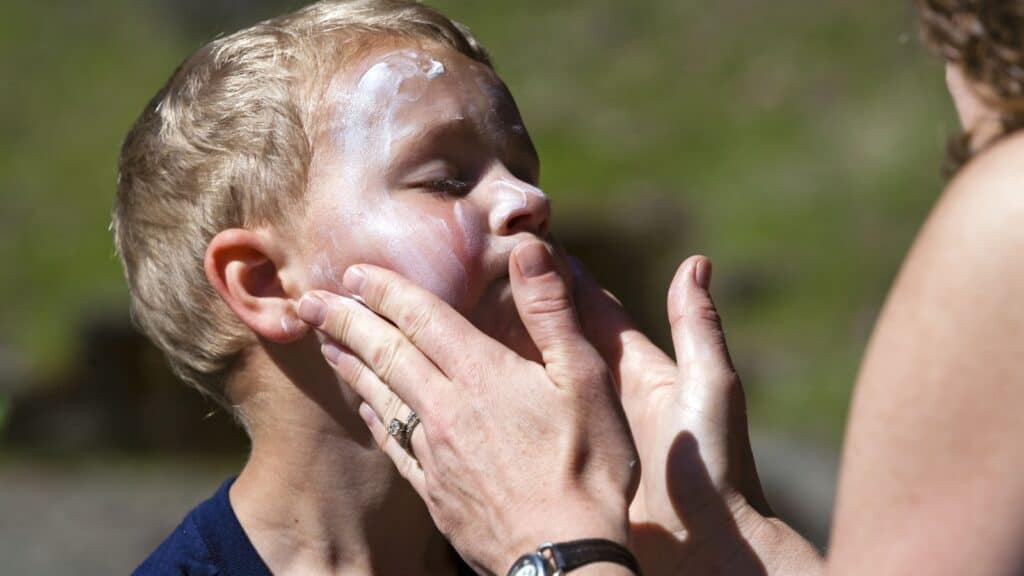
- Protect your skin from UV: Use broad‑spectrum sunscreen, seek shade, wear hats and protective clothing, and avoid indoor tanning.
- Know your own skin: Once a month, do a simple self‑check in good light, including your feet, between your toes, under your nails, your scalp (with a mirror or help), and your genital/buttock area.
- Ask about your family history: If several relatives have had melanoma or unusual numbers of moles, bring it up; some people qualify for closer dermatology follow‑up or genetic counseling.
- Keep regular checkups if you’re high‑risk: People with many atypical moles, past melanoma, or inherited risk often need regular skin exams with a dermatologist.
If you’re personally worried about a spot or your own risk, you’re not being “paranoid”—you’re paying attention. A short visit with a dermatologist can give you much more certainty than endless Googling, and when it comes to melanoma, that early look can make a real difference.
You may also be interested in reading:
- 10 Surprising Places Melanoma Can Hide: Skin Cancer’s Unexpected Locations
- The Freckle That Turned Out to Be Vulvar Cancer: Would you know the signs?
- How to Spot Throat Cancer Before It’s Too Late: 10 Key Symptoms to Watch
Like our content? Be sure to follow us on MSN and Newsbreak