11 ways the manosphere and sneako are reshaping online culture for women
The internet has always had loud men. What feels different now is the machinery around them: clips, podcasts, livestreams, algorithms, fan edits, reaction videos, monetized outrage, and boys watching all of it before they have the life experience to separate confidence from control.
The manosphere is not one tidy movement. It stretches across dating advice, “alpha male” coaching, anti-feminist commentary, incel forums, self-improvement content, conspiracy spaces, and creators who sell humiliation as truth-telling. Figures such as Andrew Tate, Sneako, Fresh & Fit, and other masculinity influencers do not all operate in the exact same lane, but they often thrive in the same attention economy: one where women become the warning, the prize, the enemy, the test, or the punchline.
For women, the effects do not stay inside the screen. They show up in comment sections, classrooms, DMs, dating expectations, workplace banter, sexual pressure, political hostility, and the quiet decision many women make to post less, soften their opinions, or disappear from online spaces altogether.
It makes physical violence sound easier to excuse

One of the most chilling effects of misogynistic influencer culture is how it can soften the meaning of harm. Women’s Aid research found that children and young people exposed to misogynistic social media content were almost five times more likely to view hurting someone physically as acceptable if the person apologizes afterward. That is not a harmless internet attitude. That is a crack in how young people understand safety, accountability, and relationships.
This is where online culture stops being “just content.” If a boy hears over and over that women are manipulative, disobedient, dramatic, or in need of control, then violence can start to look less like a line never to cross and more like a bad moment someone can explain away. For women and girls, that shift matters deeply. The apology after the harm does not erase the bruise, the fear, the flinch, or the lesson that love can arrive with punishment tucked behind it.
It blurs the meaning of consent
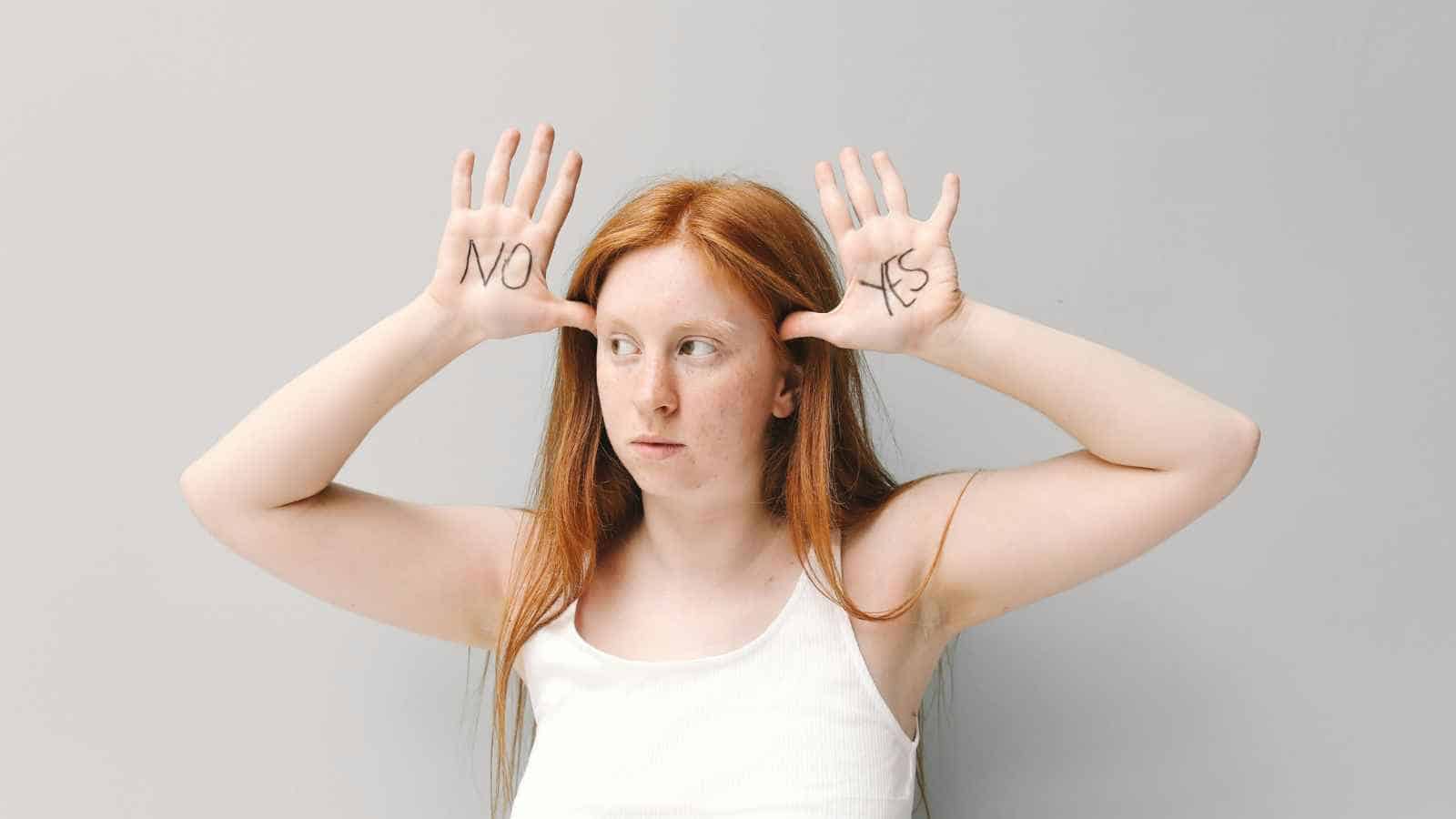
Consent should not be a complicated concept. It means a person gets to decide what happens to their body, every time, without pressure, fear, manipulation, or assumed access. Yet some manosphere content keeps pushing the idea that relationships come with automatic entitlement, especially sexual entitlement.
A 2025 academic editorial on the manosphere and young people’s mental health highlighted troubling gaps in young adults’ understanding of consent. 23% of 18- to 25-year-olds disagreed or strongly disagreed that someone should always have consent from a partner to have sex when in a relationship. That number should stop the room.
A relationship does not cancel consent. A girlfriend is not a subscription. A wife is not a permanent yes. When online culture treats women’s boundaries as obstacles instead of rights, it creates danger that can follow women offline.
It sells dominance as romance
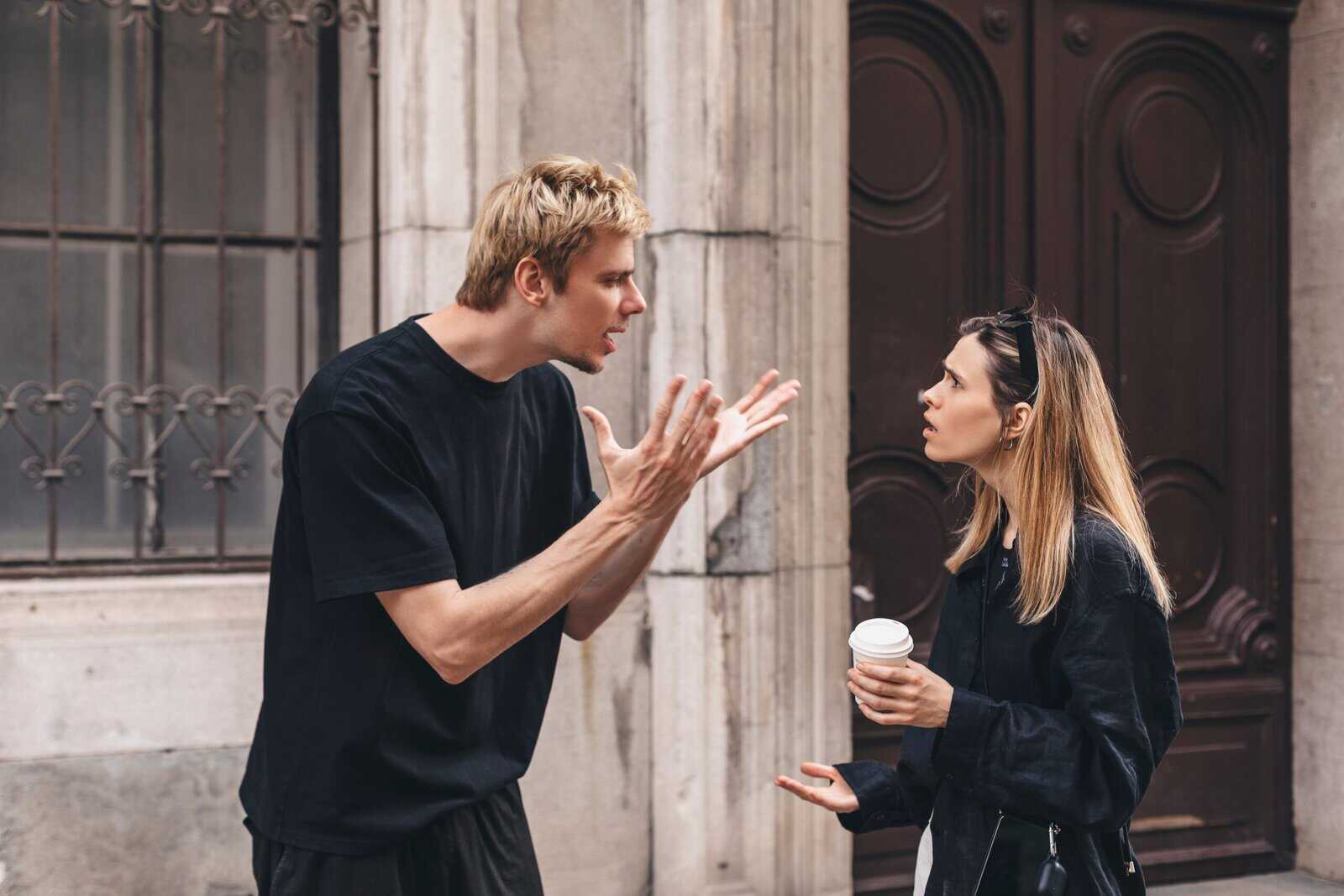
The manosphere often dresses control in the language of “natural order.” One person leads. One person submits. One person decides. One person obeys. The message is old, but the packaging is new: short clips, expensive microphones, luxury backdrops, street interviews, and creators speaking like they are revealing forbidden truths.
Women’s Aid found that young people exposed to misogynistic content were more than twice as likely to believe there should be one dominant person in a relationship, compared with those not exposed. That matters because healthy relationships do not need a ruler.
They need respect, communication, safety, honesty, and room for both people to remain fully human. When dominance gets sold as masculinity, women are pushed back into a role generations have fought to escape: smaller, quieter, managed, and grateful for being chosen.
It makes controlling behavior look romantic

Some control arrives wearing a suit and carrying flowers. That is what makes it so confusing. A partner who constantly shows up, showers someone with gifts, demands attention, tracks their movements, or rushes intimacy can seem passionate at first. But experts in domestic abuse often warn that these behaviors can become part of coercive control, especially when affection turns into surveillance.
Women’s Aid found that young people exposed to misogynistic content were nearly three times more likely to view certain love-bombing behaviors as romantic. That is the danger of the manosphere’s relationship script. It teaches intensity without teaching respect. It praises possession without explaining pressure. It can make a woman feel guilty for being uncomfortable because everyone else is calling the red flag “romance.”
It reaches young men before healthier voices do

The manosphere is not waiting until boys are fully grown, emotionally grounded, and ready for nuance. It meets them early, often when they are lonely, insecure, curious about sex, angry about rejection, confused by changing gender norms, or hungry for someone to explain why life feels hard.
Movember research found that nearly two-thirds of young men surveyed regularly engaged with men and masculinity influencers. A YouGov poll also found that a notable share of young men held favorable views of Andrew Tate or agreed with some of his views. This reach matters because attention becomes education when it repeats enough.
If the loudest voices in a boy’s feed tell him women are the problem, feminism is a scam, vulnerability is weakness, and dominance is power, that feed is not just entertaining him. It is helping script his idea of manhood.
Algorithms keep rewarding outrage
The manosphere does not spread only because people search for it. It spreads because platforms are built to reward content that provokes, polarizes, and keeps users watching. A calm conversation about healthy masculinity rarely travels as fast as a clip that insults women, mocks feminism, or makes teenage boys feel like they have been invited into a secret club.
UN reporting and digital-safety researchers have warned that online systems can amplify extreme masculinity content and reshape boys’ digital environments. This does not mean every boy who sees a clip becomes radicalized. It means the algorithm can keep placing the same emotional bait in front of him until the ideas start to feel normal.
For women, that normalization appears later as harassment, mockery, hostile comments, dating entitlement, and the exhausting sense that the internet keeps handing men a microphone to debate women’s humanity.
It pushes women into silence

The harm of misogynistic online culture is not only what men say. It is also what women stop saying. Many women learn to edit themselves before they post. They avoid certain topics. They turn off comments. They stop sharing opinions. They make accounts private. They leave platforms where they once built community, business, art, activism, or friendship.
Women and girls often experience digital spaces as hostile, especially when harassment becomes sexualized, gendered, racist, homophobic, or threatening. Online visibility is not vanity. It can be work, expression, safety, income, organizing, education, and belonging. When women are pushed out of public digital life, the culture loses their voices, and the loudest men mistake that silence for victory.
It turns harassment into background noise

Online harassment has become so common that people sometimes talk about it like bad weather. Annoying, ugly, inevitable. But there is nothing normal about women being stalked, sexually harassed, threatened, doxxed, mocked, or flooded with abuse because they spoke online.
Pew Research Center found that 41% of U.S. adults have experienced some form of online harassment, and young women are especially vulnerable to sexual harassment and stalking online. Global research on technology-facilitated abuse also shows that many women have either experienced online violence or witnessed it.
The manosphere did not invent online harassment, but it feeds the atmosphere that makes it easier to justify. When women are constantly framed as liars, gold diggers, attention seekers, or enemies of men, abuse starts sounding to some followers like correction instead of cruelty.
It keeps old gender stereotypes alive in new packaging
The manosphere often pretends it is modern because it uses livestreams, podcasts, viral edits, and slang. But many of its gender ideas are antique furniture with LED lights attached. Women are naturally nurturing. Men are naturally dominant. Feminism ruined dating. Women are too emotional to lead. Men should provide, control, judge, and choose. Women should compete for approval.
Women’s Aid research found that young people exposed to misogynistic content were more likely to endorse gender stereotypes, including the idea that women are naturally more nurturing in relationships. That may sound softer than open hatred, but stereotypes still shrink people. They turn women into functions: caregiver, girlfriend, wife, mother, temptation, trophy, problem.
A woman can be nurturing, ambitious, angry, soft, sexual, spiritual, practical, funny, guarded, tender, brilliant, tired, and complicated. The manosphere keeps trying to make her one thing because one thing is easier to control.
It can turn online misogyny into offline risk

The manosphere is digital, but its consequences are not trapped there. Researchers and gender-justice advocates have connected misogynistic online spaces to real-world harassment, radicalization concerns, extremist overlap, and violence against women. That does not mean every viewer becomes dangerous. It means the ideas can travel.
UN Women has warned that the manosphere is becoming a serious threat to gender equality because toxic digital spaces are increasingly influencing attitudes, behavior, and policy. That warning matters in a world where women already navigate risk in dating, public spaces, workplaces, politics, journalism, activism, and domestic life.
A culture that teaches men to resent women does not stay neatly inside a comment section. It can walk into homes, classrooms, voting booths, courtrooms, and relationships.
It weaponizes AI against women’s bodies

The newest frontier of misogyny does not even require a woman to post a revealing photo. With generative AI, abusers can create fake sexual images, spread deepfakes, and use technology to humiliate, threaten, or silence women. This is not a niche problem. It is one of the clearest examples of how old misogyny adapts to new tools.
UN Women and technology-facilitated violence researchers have warned that women and girls are disproportionately targeted by AI-powered abuse, including non-consensual sexualized images and deepfakes. Deepfake abuse turns a woman’s face into a weapon used against her. It tells her that even her image is not fully safe online.
In a manosphere culture already comfortable with reducing women to sexual value, AI gives that reduction frightening new speed, scale, and cruelty.
The takeaway
The manosphere’s danger is not only that some men say hateful things about women. It is that those ideas now travel through entertainment, comedy, advice, self-improvement, livestream drama, influencer culture, and algorithmic recommendation systems. The package can look funny, aspirational, rebellious, spiritual, edgy, or masculine. The message underneath often remains the same: women should be controlled, doubted, ranked, mocked, or put back in their place.
Women are not background characters in some boy’s identity crisis. Women are not props in a masculinity performance. Women are not public property because they post, date, speak, work, lead, flirt, disagree, create, or refuse. The answer is not to shame every lonely boy who gets pulled toward these spaces. The answer is to challenge the machine that profits from his loneliness by teaching him to aim it at women.
A healthier culture does not need men to hate themselves. It needs them to stop learning power from men who confuse domination with strength.
Disclaimer – This list is solely the author’s opinion based on research and publicly available information. It is not intended to be professional advice.
Like our content? Be sure to follow us