12 backyard camping rules homeowners should understand
A backyard campout sounds harmless until the fire pit, the neighbor’s fence, the HOA rules, and the trampoline all enter the story.
On the surface, it feels like childhood bottled under a porch light. The tent glows, the kids whisper too loudly, the marshmallows turn heroic and black, and the house sits close enough for forgotten socks, bathroom runs, and one more blanket.
But your backyard is still private property with rules attached. It is insured, regulated, fire-prone, and close enough to neighbors for one noisy night to become tomorrow’s complaint.
KOA’s 2026 Camping & Outdoor Hospitality Report says more than 52 million North American households camped in 2025, creating a $66 billion economic footprint, while a 2025 camp-injury study found 575 injuries per 100,000 camp-days. The magic is real. So are the risks hiding in the grass.
Check Your HOA Rules Before Pitching a Tent

Before the sleeping bags hit the lawn, check the rules that already govern your property. A backyard tent may look temporary, but some homeowner’s associations regulate visible structures, outdoor setups, guest activity, noise, parking, fire pits, and use of shared spaces.
Bankrate explains that an HOA is an organization that governs and maintains a community and sets rules for residents, and many communities use CC&Rs to spell out what owners can and cannot do. That matters because a weekend campout that looks sweet to your family may look like a rule violation to a neighbor or board member, especially if the tent is visible from the street, lights stay on late, or extra cars crowd the curb.
You do not need to make the evening feel like a legal seminar, but you should read the CC&Rs, check community websites, and ask before adding fire pits, tents, outdoor screens, or overnight guests. Backyard camping should begin with flashlights and snacks, not a fine notice taped to the door.
Verify Local Fire Pit and Open Burning Ordinances
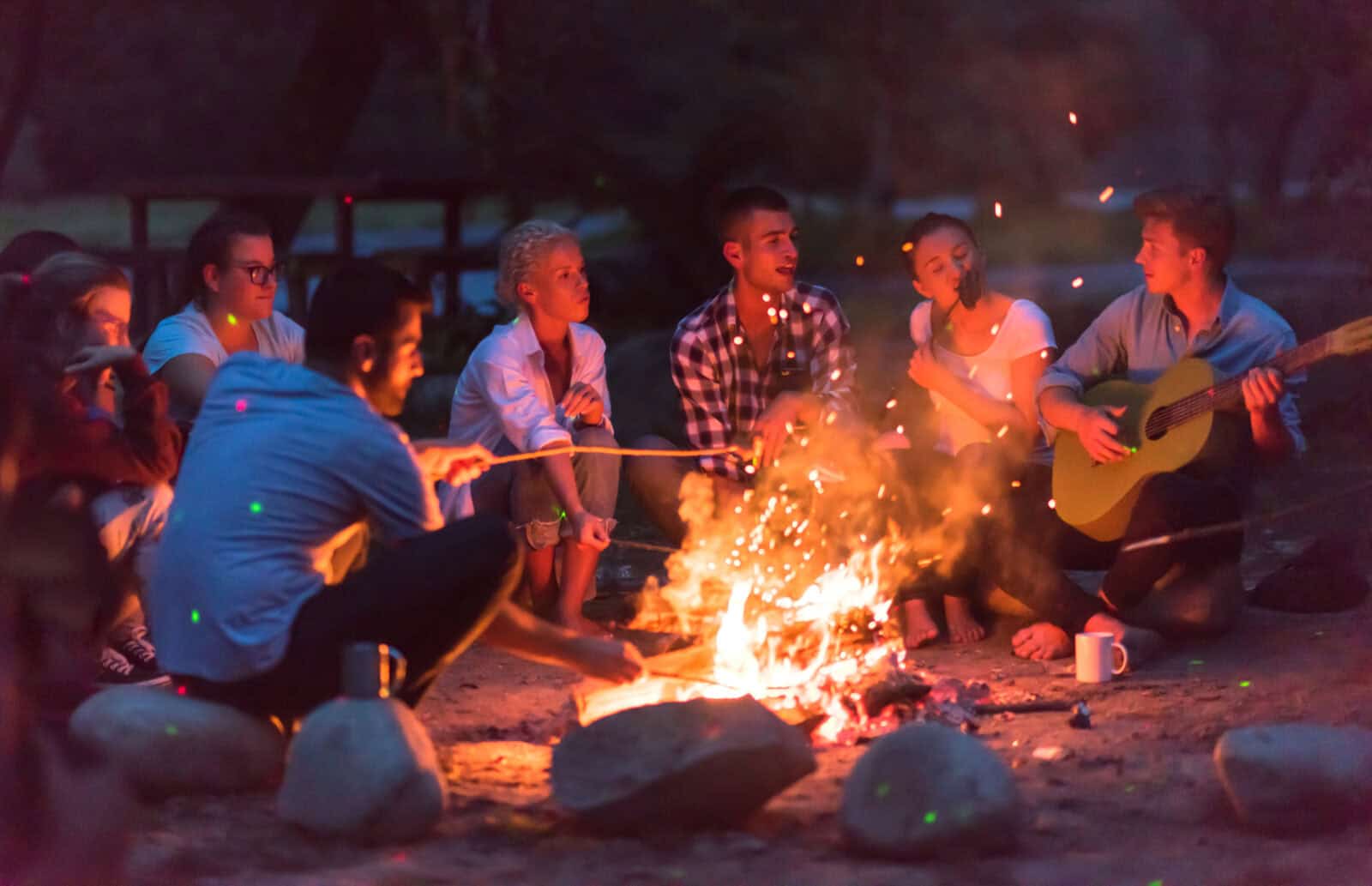
A campfire can turn a backyard into a storybook scene, but fire rules change by city, county, season, wind, drought, and burn-ban status. The U.S. Fire Administration says campfires should be built at least 25 feet from tents, shrubs, and anything that can burn, and that homeowners should use outdoor fireplaces and fire pits at least 10 feet from the home or other combustible materials.
That is national safety guidance, but permission still comes from your local fire code, fire marshal, HOA, or county office. Some communities allow small recreational fires; others restrict open burning or ban it during dry weather. A propane grill may be fine on a patio, while a wood fire pit is not.
That difference can matter if sparks drift into dry grass or smoke blows toward a neighbor’s window. Before lighting the first log, check local rules for the same day, as burn bans can be issued quickly. The sweetest s’more is not worth a citation, a 911 call, or a fence line glowing orange.
Position Fire Pits at Least 15 Feet from Structures
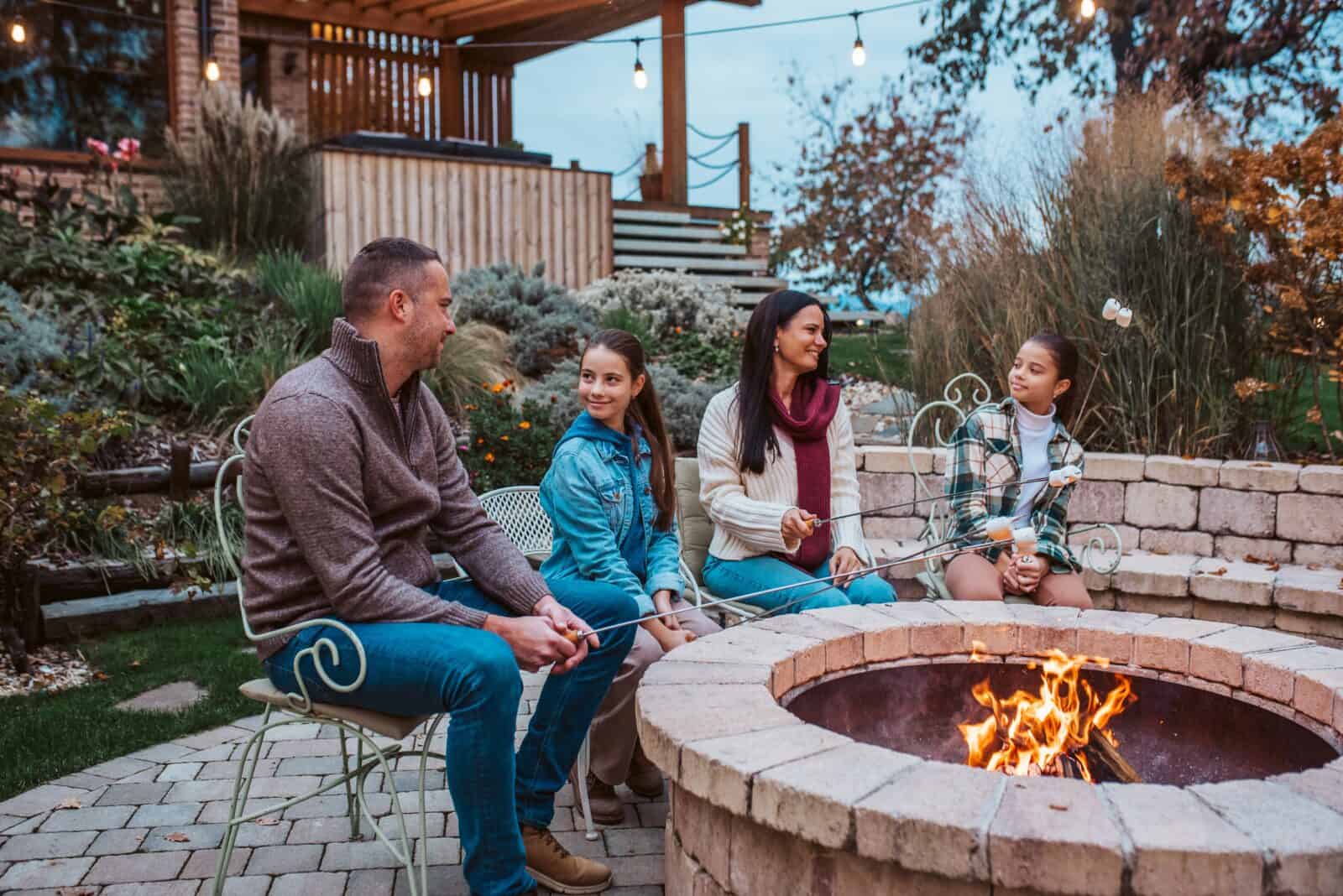
If your town allows a fire, give it more space than you think it needs. The user-friendly rule many people hear is “keep the fire at least 15 feet away,” but the U.S. Fire Administration is even more cautious about campfires, advising that they be kept 25 feet away from tents, shrubs, and anything that can burn.
For fire pits, USFA recommends keeping them at least 10 feet from your home or any combustible materials, and NFPA fire-safety guidance also stresses outdoor use and keeping them at least 10 feet from anything that can catch fire.
In a backyard, that means moving the fire away from tents, fences, decks, sheds, dry leaves, overhanging branches, patio furniture, mulch beds, playsets, and the side of the house. Clear the ground around it, keep water close, and use a metal screen if the pit burns wood. Fire is beautiful because it moves. That is also why it needs a boundary before the night begins.
Review Your Homeowners Insurance Liability Coverage

Backyard camping feels private, but a guest injury can make it an insurance issue in a hurry. The National Association of Insurance Commissioners warns that backyard features such as swimming pools, fire pits, hot tubs, trampolines, playsets, and treehouses can increase homeowners’ risk, and notes that more than 200 young children drown in backyard pools each year.
That kind of warning matters if your campout includes cousins, neighborhood kids, paying guests, a rented bounce house, a trampoline, a pool, or a fire pit. Standard homeowners insurance often includes personal liability coverage, but limits and exclusions vary, and commercial use is a different conversation.
If you rent the yard, charge for camping, or host a large group, your regular policy may not respond as you expect. Call your agent before the big backyard weekend, not after someone falls, burns a hand, twists an ankle, or gets hurt near the pool. A five-minute insurance question can save a family from a very expensive lesson.
Never Leave Children Unsupervised Near Fire or Water
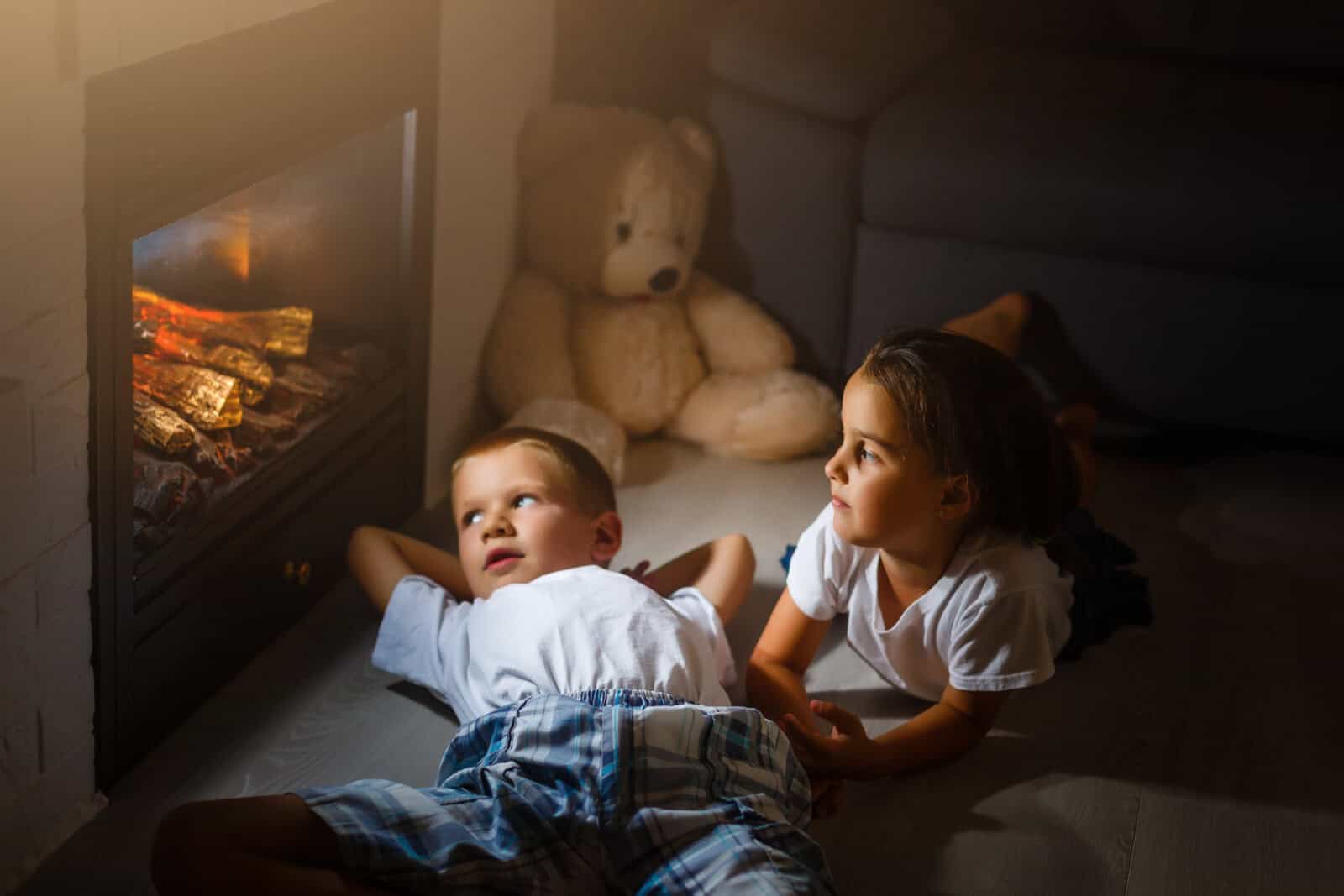
Backyard camping can trick adults into relaxing too much because the house is right there. But fire and water do not become safer just because they are familiar. Dr. Terry from Seattle Children’s gives the rule plainly: “Children should always be watched closely around fire, and adults should make sure it is extinguished before everyone turns in for the night.”
The CDC adds the harder truth: drowning is the leading cause of death for children ages 1 to 4, and most drownings in that age group happen in swimming pools, often after children gain unsupervised access. If there is a pool, pond, hot tub, fire pit, grill, or even a bucket of water nearby, assign a sober adult watcher instead of assuming “everyone is watching.”
Move play areas away from cooking and flames, lock pool gates, keep roasting sticks under control, and put the fire completely out before bedtime. The backyard can be soft and magical, but children move faster than warnings.
Weight and Stake Tents Properly to Prevent Wind Accidents
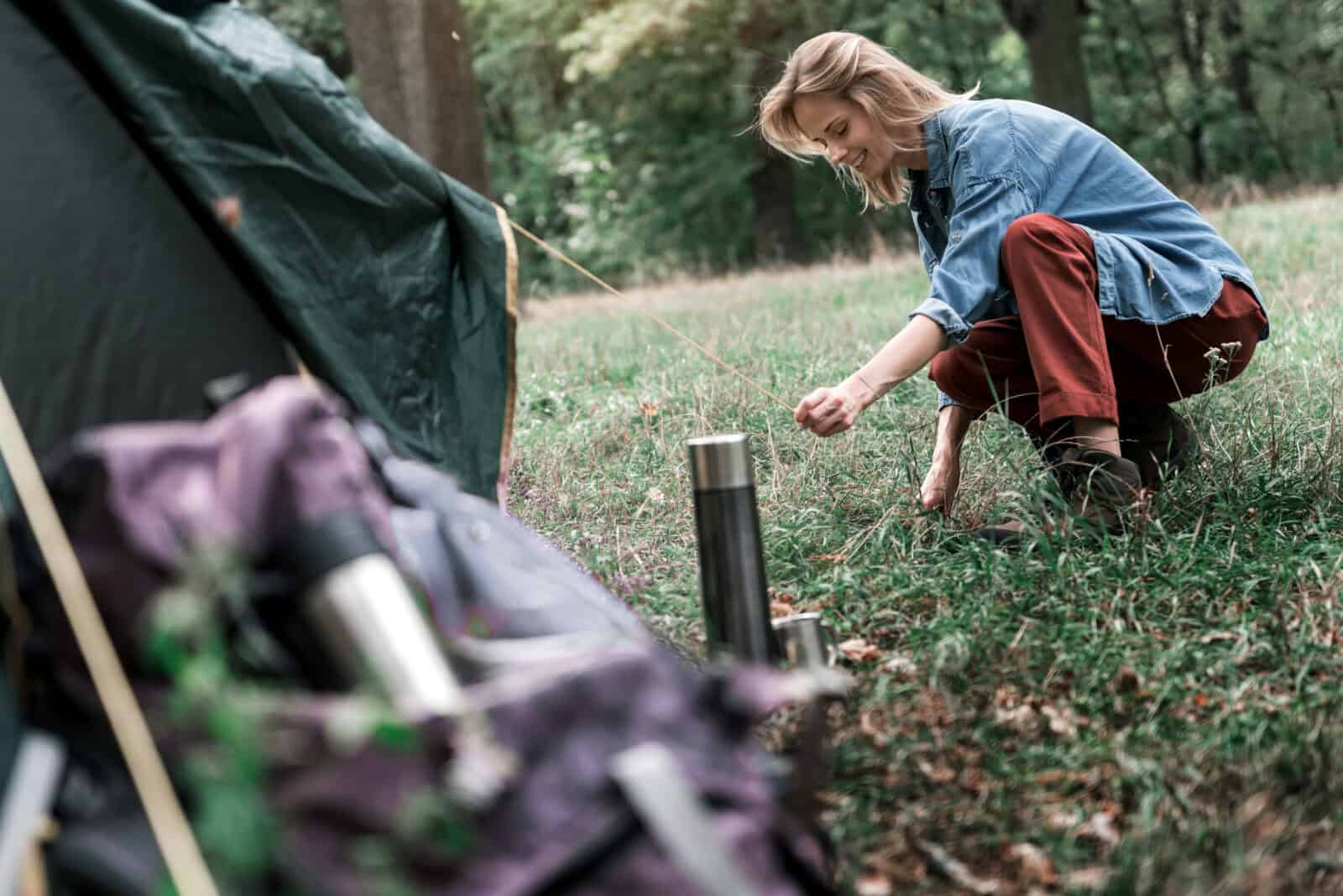
A tent looks lighthearted until the wind treats it like a kite. That is why even a backyard setup should be staked, weighted, and checked against the forecast. KOA says more than 52 million North American households camped in 2025, and that scale means many people are pitching tents in places that may not have campground-style ground.
Some lawns are soft and perfect for stakes. Others are dry, rocky, sloped, or too close to patios and concrete pads. Common camping guidance recommends driving stakes at an angle and using guylines so the tent holds tension rather than sagging or lifting; on hard surfaces, water jugs, sandbags, or heavy weights may be safer than relying on a loose stake to do the job.
Add the rain fly even if the sky looks friendly, and do not sleep in a tent during thunderstorms, high winds, or severe weather alerts. A backyard campout should end with pancakes, not someone chasing the tent across the fence line.
Maintain a Completely “Bare” Campsite, No Food in Tents
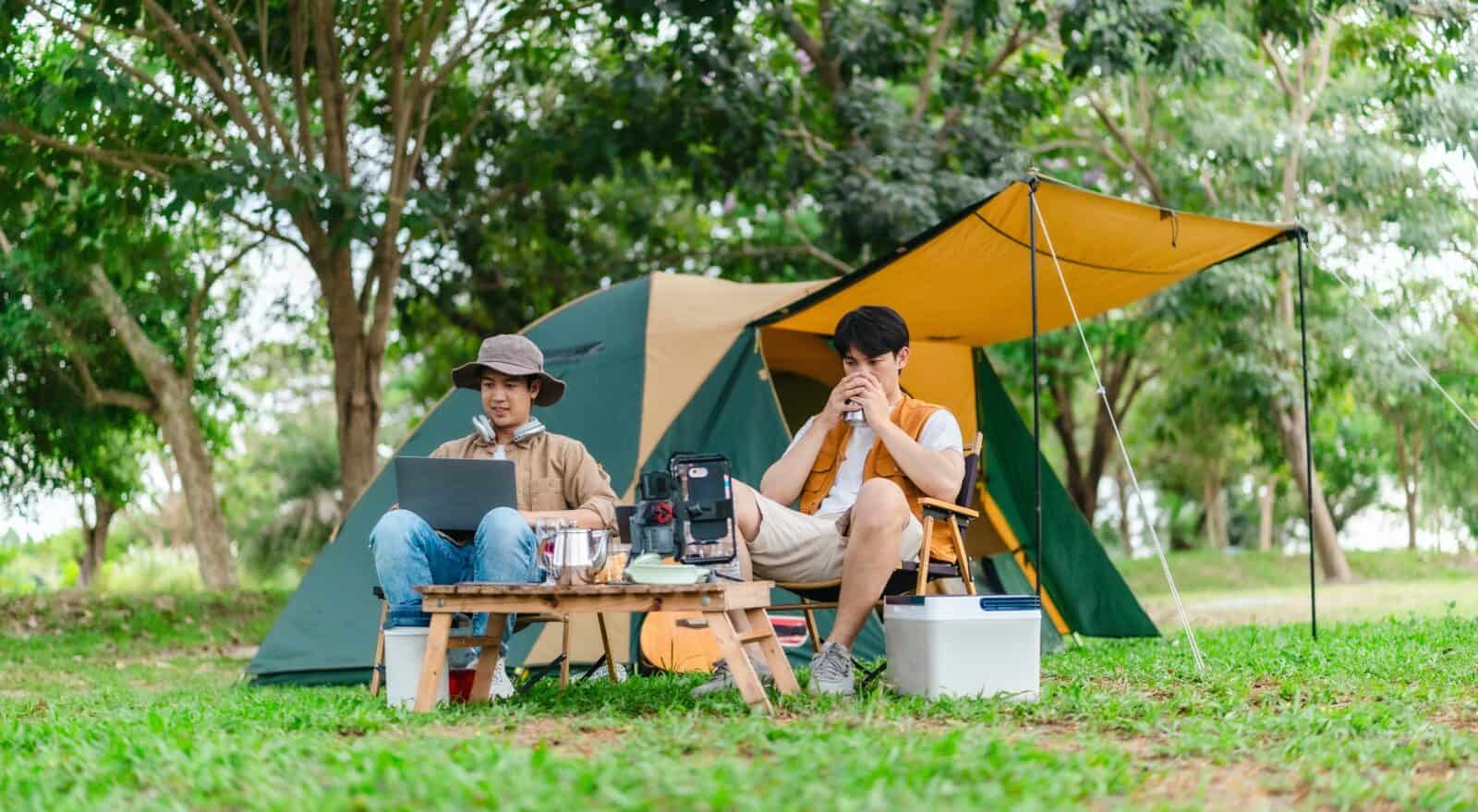
The backyard may feel tame, but crumbs still send invitations. The National Park Service warns that trash and leftover food scraps invite skunks, raccoons, and other unwanted animals to campsites and picnic areas, and REI notes that food canisters can help prevent raccoons from getting into food and garbage.
In a backyard, the guest list can include ants, mice, raccoons, possums, neighborhood cats, your own dog, or larger wildlife in some regions. Keep snacks out of tents, store food in sealed containers, clean up wrappers right away, and put trash in closed bins away from sleeping areas.
This matters even more with kids, because a flashlight cookie stash inside a sleeping bag can become a pest problem before morning. Food smells also bring pets close to fires and sharp roasting sticks. The cleanest campsite is the calmest one. Let the tent be for sleeping, whispering, and listening to crickets, not for chips, sticky fingers, and raccoon negotiations at 2 a.m.
Clear the ground thoroughly before setting up camp
The safest campsite starts before anyone unzips the tent bag. Seattle Children’s camping safety guidance tells caregivers to inspect the area for hazards such as glass, garbage, matches, knives, sharp rocks, and choking hazards, especially since babies older than 3 months put things in their mouths.
In a backyard, that means looking for ant piles, sharp sticks, broken toys, garden tools, seed pods, fruit tree debris, pet waste, sprinkler heads, loose nails, rocks, and anything that could cut a foot in the dark. Choose flat ground if possible, and consider both comfort and danger.
Grass beats gravel, shade matters in summer, and a mat at the tent entrance gives kids one simple place to drop shoes before dirt follows them inside. This is not fussy planning. It is the small work that makes the night easier. Five minutes of ground checking can prevent hours of tears, bandages, and “why is there mud in every sleeping bag?”
Understand Permitting Requirements for Backyard Rentals
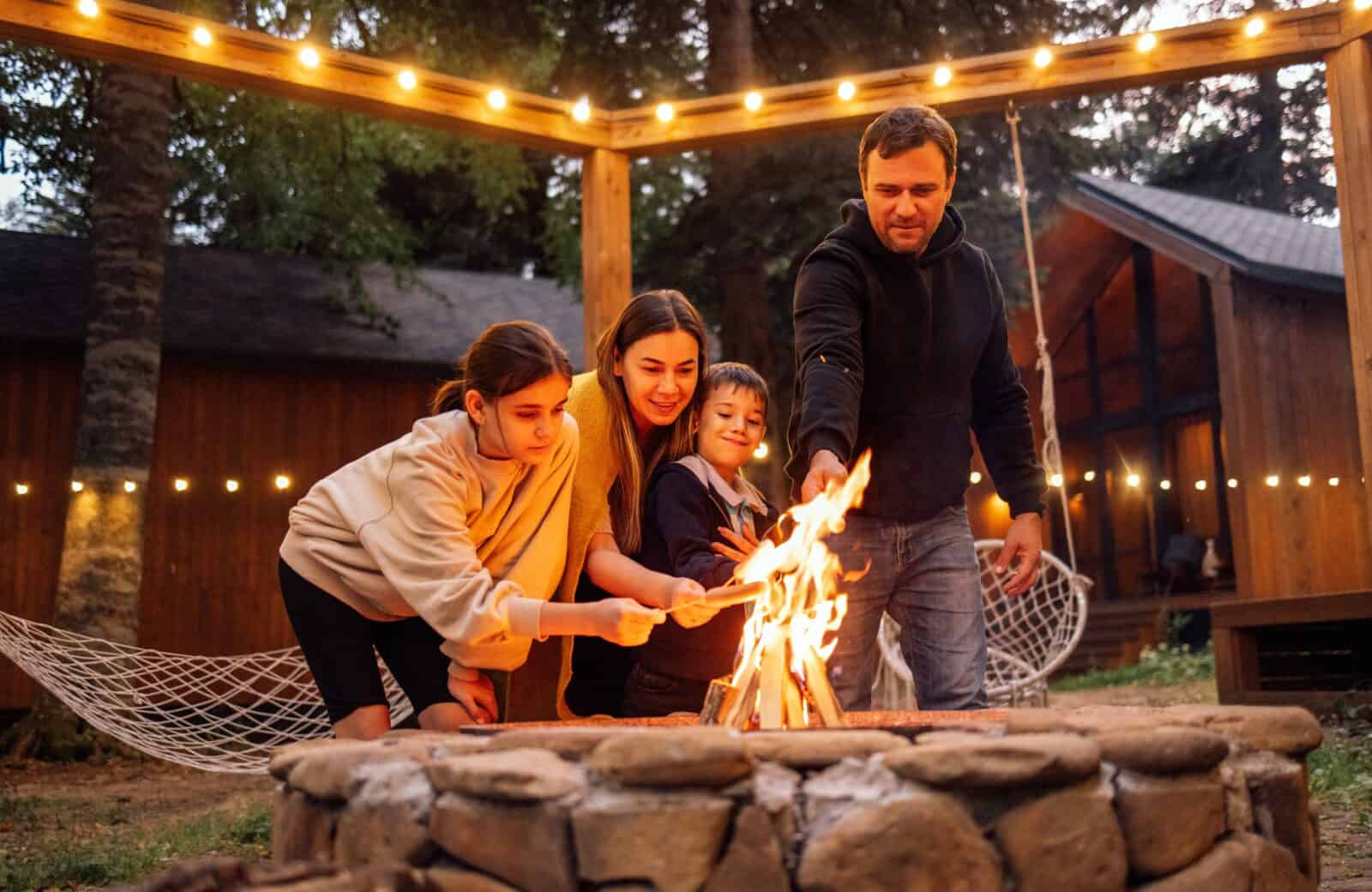
Family backyard camping is one thing; renting the yard to paying campers is another. Once money changes hands, the setup may no longer look like a sleepover to your city, county, HOA, insurer, or neighbors.
Local rules may cover zoning, short-term rentals, parking, bathroom access, trash disposal, water, electricity, quiet hours, fire use, and the number of nights someone can camp on residential property. The insurance concern also grows because NAIC warns that backyard features can increase homeowner risk, and commercial activity can raise separate coverage questions.
If you list your yard on a camping or short-term stay platform, check with your local government, call your insurer, and read your HOA rules. You may need written guest rules covering cleanup, pets, alcohol, noise, smoking, fire use, bathroom access, and where cars are parked.
A backyard rental can sound like easy money, but without permits and coverage, that little tent in the corner can become a business problem wearing a flannel blanket.
Respect Quiet Hours and Noise Ordinances

Backyard camping has a soundtrack: zippers, giggles, dogs, music, air mattresses, fire-pit chatter, and someone asking for one more marshmallow after bedtime. That is charming until the sound crosses the fence.
Nolo explains that most local noise ordinances set quiet hours, often around 10 p.m. to 7 a.m. on weekdays, with later morning limits on weekends in some places. Exact rules vary, but the basic neighbor rule is simple: night sounds travel. Keep speakers low, move louder games earlier, remind kids that whispering outside is still louder than whispering inside, and park cars so they don’t block driveways.
If your neighborhood has close houses, apartments, or an HOA, quiet matters even more. A backyard campout should leave children with memories and neighbors with goodwill. The glow of the tent is sweeter when it does not come with a noise complaint before breakfast.
Secure All Dangerous Equipment and Create Physical Barriers

A backyard campout turns ordinary yard objects into nighttime hazards. Lawn mowers, pruning shears, garden chemicals, ladders, grills, pool gates, trampolines, tools, firewood piles, sharp roasting sticks, and even trash cans can become risks when children are excited, tired, and moving through the dark.
The NAIC lists pools, fire pits, hot tubs, trampolines, playsets, and treehouses among backyard features that can increase homeowners’ risk, and the CDC says drowning can occur when children gain unsupervised access to pools.
Before the campout, lock sheds and garages, close gates, remove trampoline ladders, cover or block pools and hot tubs, put medicines and insect repellents out of reach, and use temporary fencing or bright tape to mark off no-go zones. Do not rely on one verbal warning at sunset. Kids forget. Guests miss details. A physical barrier does the quiet work after everyone gets sleepy.
Prepare an Emergency Action Plan Before Camping

The house may be ten steps away, but a plan still matters when someone gets hurt in the dark. A 2025 national cohort study of organized summer camps found 13,934 injuries and an injury rate of 575 injuries per 100,000 camp-days; the most common injuries were lacerations or abrasions at 37.6%, sprains or strains at 27.8%, and head injuries or concussions at 14.1%, while 2.6% required higher-level medical care.
Backyard camping is not the same as summer camp, but the types of injuries feel familiar: trips, cuts, falls, burns, bug bites, and bumps. Keep a stocked first-aid kit, flashlights with extra batteries, charged phones, emergency contacts, allergy information, and a clear plan for who drives if medical care is needed.
At least one adult should know basic first aid and CPR. Seattle Children’s sums up camping safety with three sturdy words: “planning, preparation, and precaution.” It is the whole backyard rulebook in one small lantern.
Backyard camping should still feel like magic. It should smell like grass and toasted sugar, sound like sleepy laughter, and leave kids convinced the stars moved closer just for them. The point of the rules is not to drain the wonder out of the night. It is to keep the wonder from turning into a fire call, a hospital run, a neighbor feud, or an insurance headache.
Key Takeaways

- KOA says more than 52 million North American households camped in 2025.
- HOA, city, county, fire, and noise rules can still apply in your own yard.
- USFA says campfires should be set back 25 feet from tents, shrubs, and anything that burns.
- Backyard pools, fire pits, trampolines, and playsets can raise liability risk.
- CDC says drowning is the leading cause of death for children ages 1 to 4.
- Paid backyard camping may trigger zoning, insurance, sanitation, and rental rules.
- A safe backyard campout needs supervision, fire control, clean food storage, and an emergency plan.
Disclaimer – This list is solely the author’s opinion based on research and publicly available information. It is not intended to be professional advice.
Like our content? Be sure to follow us