12 common ideas about Christians that aren’t accurate
Christianity remains the world’s largest religion, yet it is also one of the most heavily stereotyped. In the United States alone, millions of people identify as Christian across Catholic, Protestant, Orthodox, Evangelical, Pentecostal, and non-denominational traditions.
According to the Pew Research Center, Christianity still shapes American culture, politics, education, charity work, and family life in major ways despite declining church attendance among younger generations.
Yet social media debates, political polarization, and headline-driven coverage have created simplified narratives that often ignore how diverse Christians actually are. Experts say stereotypes surrounding Christians usually grow when public conversations focus only on extreme examples instead of ordinary believers.
Many Christians themselves feel frustrated by assumptions that portray all believers as politically identical, intellectually rigid, emotionally judgmental, or hostile toward modern society.
Honest understanding requires separating media caricatures from reality. These are some of the most common ideas about Christians that often miss the full picture.
Christians Are All Politically Conservative

One of the most widespread assumptions is that Christianity automatically equals political conservatism. While many Christians in America identify as conservative, Christianity spans a wide political spectrum globally and domestically.
Christians hold differing views on immigration, healthcare, climate policy, poverty, criminal justice, economics, and social reform depending on culture, denomination, and personal interpretation.
Research from the Pew Research Center consistently shows political diversity exists within Christianity, especially among younger believers and minority communities.
A Catholic social justice advocate in Chicago may approach politics very differently than an evangelical pastor in Dallas. Reducing all Christians to one political identity ignores enormous diversity within the faith.
Christians Reject Science Entirely

Many people assume Christians oppose science automatically, but the relationship between Christianity and science is far more complex. Millions of Christians work as doctors, engineers, researchers, professors, and healthcare professionals.
According to Pew Research Center surveys, many Christians accept scientific findings in medicine, technology, genetics, and even evolutionary biology while still maintaining their spiritual beliefs.
Historically, Christian institutions helped establish universities, hospitals, and scientific scholarship across centuries. Christians may disagree internally on specific theological interpretations involving creation, but many do not see science and faith as mutually exclusive.
The stereotype persists largely because highly visible public debates often overshadow quieter examples of scientific engagement among believers.
Christians Never Question Their Faith

Another inaccurate assumption portrays Christians as blindly accepting religious teachings without reflection or doubt. In reality, many believers spend years wrestling with theological questions, suffering, unanswered prayers, church disappointments, or philosophical concerns.
Research conducted by the Barna Group shows that younger Christians, especially, value environments where difficult questions can be discussed openly. Modern Christians continue to debate issues in theology, ethics, biblical interpretation, politics, and mental health across denominations.
Many believers view questioning as part of spiritual growth rather than rebellion. Public perception often misses this complexity because personal doubt usually happens privately rather than publicly online.
Christians Hate People Who Are Different

This stereotype remains one of the most emotionally charged. While some Christians certainly express intolerance or judgmental attitudes, millions of believers actively work in humanitarian aid, healthcare, counseling, foster care, disaster relief, and poverty outreach.
According to Gallup research, religious Americans consistently contribute large amounts of volunteer labor and charitable giving across multiple causes. Many Christians hold traditional theological beliefs while still striving to treat others respectfully and compassionately.
Practical examples include churches operating food banks, homeless shelters, refugee ministries, addiction recovery programs, and community health services. Broad assumptions often ignore the daily reality of how many Christians interact compassionately within their communities.
Christians Are Anti-Intellectual

Christianity has produced major philosophers, historians, scientists, writers, and scholars for centuries. Universities such as Harvard University and the University of Notre Dame have deep historical connections to Christian intellectual traditions.
Theologians like Thomas Aquinas continue to influence philosophy, ethics, and legal theory worldwide. Some religious spaces certainly discourage questioning or academic engagement, but many Christians actively value scholarship and higher education.
Public stereotypes often disproportionately focus on anti-intellectual voices while overlooking intellectually engaged believers who contribute across academic and professional fields.
Christians Only Care About Religion on Sundays
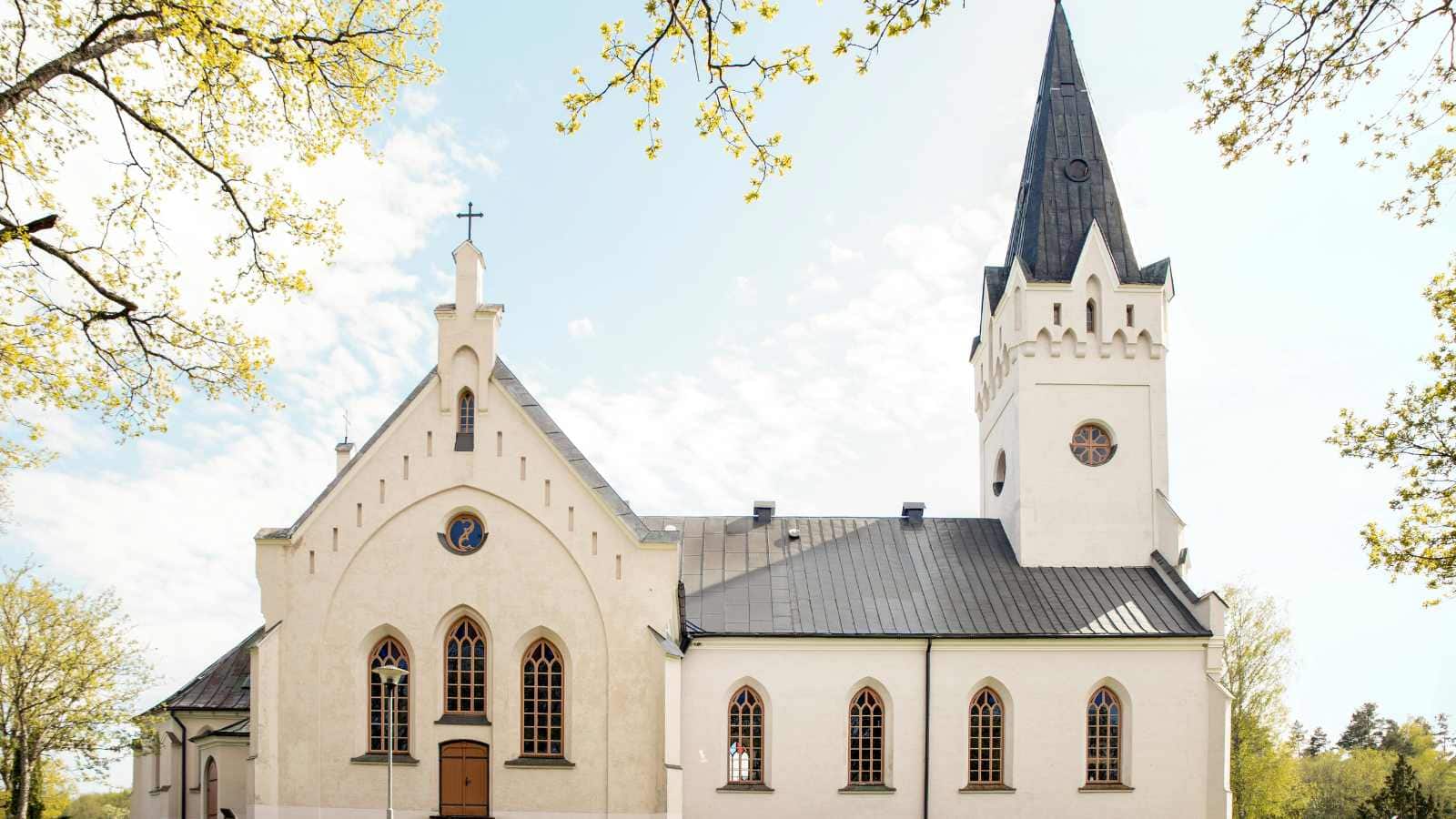
Many nonreligious people assume Christianity functions merely as a weekly ritual, but practicing Christians often integrate faith into daily decision-making, family life, relationships, ethics, and community involvement.
Spiritual disciplines such as prayer, volunteering, scripture reading, generosity, and mentorship often occur quietly, out of public view. Sociologists studying religion note that faith-based habits strongly shape identity and routine for many believers.
Practical examples include parents praying with children, churches organizing meal programs, students participating in campus ministries, or professionals making ethical decisions influenced by faith convictions.
For many believers, Christianity functions as a worldview that shapes everyday behavior rather than as a once-a-week event.
Christians Are Always Judging Everyone

Many Christians themselves criticize judgmental attitudes inside religious spaces because they believe compassion and humility are central Christian values. Research published in the Journal of Positive Psychology links humility and empathy to healthier social relationships and emotional maturity. Many churches actively teach against self-righteousness and hypocrisy.
Christians certainly morally disagree with certain behaviors or cultural trends, but disagreement alone does not automatically amount to personal condemnation. Many believers work intentionally to balance conviction with compassion, though public conversations often highlight failures more than successes.
Christians Are All the Same

Christianity includes enormous theological, cultural, racial, and denominational diversity. Worship styles alone vary dramatically worldwide. A Catholic Mass in Manila feels culturally distinct from a Baptist service in Atlanta or an Orthodox liturgy in Istanbul.
Christians constantly disagree internally on theology, worship, politics, social issues, and biblical interpretation. Public discourse often ignores these distinctions because simplified labels spread faster online.
Many Christians become frustrated when outsiders assume one controversial preacher or political figure represents every believer worldwide.
Christians Ignore Mental Health

Older religious environments sometimes treated mental health struggles purely as spiritual weakness, but attitudes have shifted significantly in many Christian communities. Christian counselors, therapists, and pastors increasingly discuss anxiety, depression, trauma, addiction, and emotional wellness openly.
According to the American Psychological Association, faith-based counseling and mental health partnerships have expanded substantially in recent years. Many churches now host counseling programs, grief groups, addiction-recovery ministries, and mental-health awareness initiatives.
While stigma still exists in some spaces, the stereotype that Christians universally reject mental health care no longer reflects the reality across much of modern Christianity.
Christians Believe Good People Automatically Go to Heaven

Many non-Christians misunderstand Christian theology surrounding salvation and morality. Christianity generally teaches that salvation involves a relationship with God, grace, repentance, and faith, rather than simply accumulating enough good deeds.
Different denominations interpret these ideas differently, but most reject the notion that heaven operates solely through moral scorekeeping. Public confusion often arises because Christians strongly encourage ethical behavior while simultaneously teaching that grace cannot be earned through human effort alone.
The theology is far more nuanced than many stereotypes suggest.
Christians Are Against Fun or Happiness

Popular culture sometimes portrays Christians as rigid people constantly focused on rules and guilt. In reality, many Christian communities strongly emphasize celebration, family gatherings, music, humor, friendship, creativity, and joy.
Research on religion and well-being published in the Journal of Happiness Studies shows that many believers report strong community connections and emotional resilience linked to their spiritual lives.
Churches regularly organize concerts, festivals, retreats, sports leagues, youth events, weddings, and community celebrations. While certain religious subcultures may appear highly restrictive, Christianity as a whole encompasses a broad range of emotional and cultural diversity.
Christians Never Struggle Spiritually

Many outsiders imagine Christians possess constant certainty and emotional peace, but countless believers quietly wrestle with doubt, grief, disappointment, unanswered prayers, and spiritual confusion.
Barna Group studies show that many practicing Christians regularly experience seasons of spiritual uncertainty or emotional struggle. The Bible itself contains repeated examples of fear, lament, frustration, and questioning among major biblical figures.
Many Christians continue to practice their faith precisely because spirituality provides support during difficult seasons, rather than because life feels permanently easy. The stereotype of effortless certainty often overlooks the deeply human struggles many believers experience in private.
Key Takeaways

- Christianity is far more diverse politically, culturally, and intellectually than many stereotypes suggest.
- Research from the Pew Research Center and Barna Group shows many Christians actively engage with science, mental health, and difficult theological questions.
- Christians vary widely across denominations, cultures, worship styles, and political beliefs.
- Many believers prioritize compassion, community service, humility, and personal growth rather than public judgment.
- Common stereotypes often focus on extreme examples while overlooking the everyday reality of ordinary Christian life.
Disclaimer: This list is solely the author’s opinion based on research and publicly available information. It is not intended to be professional advice.
Like our content? Be sure to follow us