12 foods you probably didn’t know are illegal in the United States
You can buy almost anything to eat these days, which makes the foods America flat-out refuses even more surprising.
Americans love their diverse culinary options, from massive burgers to imported delicacies. You might think the grocery store aisles hold every possible treat imaginable. Certain items never make it past the border because of strict federal regulations. Government agencies work tirelessly to keep dangerous or unverified ingredients out of your kitchen.
Food bans usually happen because an item poses a health risk or violates animal welfare laws. Some of these forbidden snacks are completely ordinary and legal in other countries. Here is a look at some popular foreign treats that are officially banned in America.
Kinder Surprise Eggs

These popular European chocolate treats contain a hidden plastic toy inside a sweet hollow shell. The 1938 Federal Food, Drug, and Cosmetic Act prohibits hiding artificial objects inside edible items. Lawmakers created this rule because small toys pose a serious choking hazard to young children.
Families traveling abroad often try to sneak these beloved chocolates back home in their luggage. You will have to settle for the legal Kinder Joy alternative if you want a similar experience.
Authentic Scottish Haggis
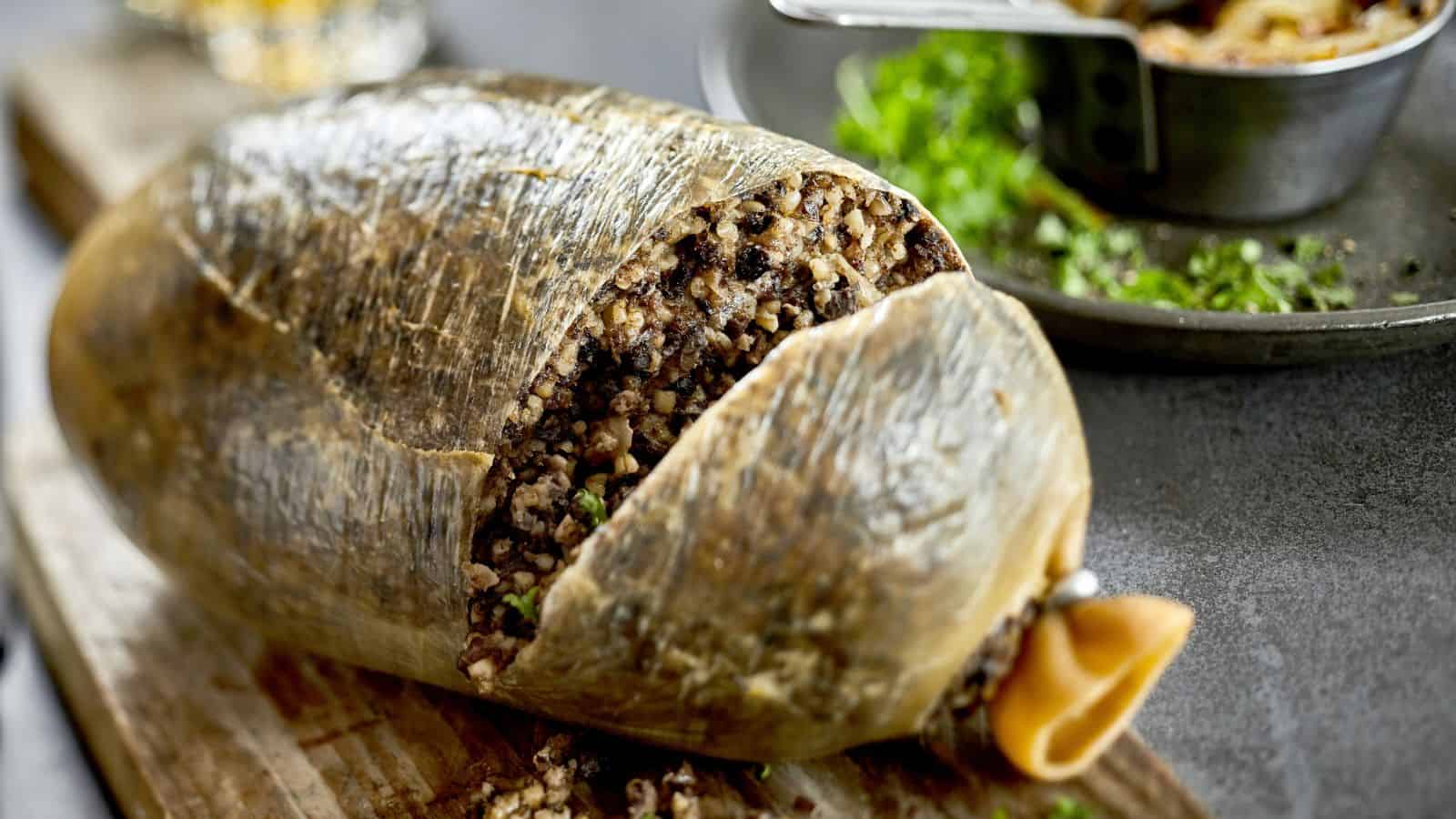
This traditional dish features sheep heart, liver, and lungs mixed with oats and spices. The United States banned the importation of foods containing sheep lungs back in 1971. Federal inspectors decided that fluids could enter the lungs during the slaughtering process and contaminate the meat.
Fans of Scottish cuisine often feel frustrated by this historic restriction on an iconic meal. The CDC estimates that 48 million Americans get sick from foodborne illnesses every single year. You can find vegetarian versions locally, but purists insist the flavor falls flat without the original recipe.
Authentic Casu Marzu
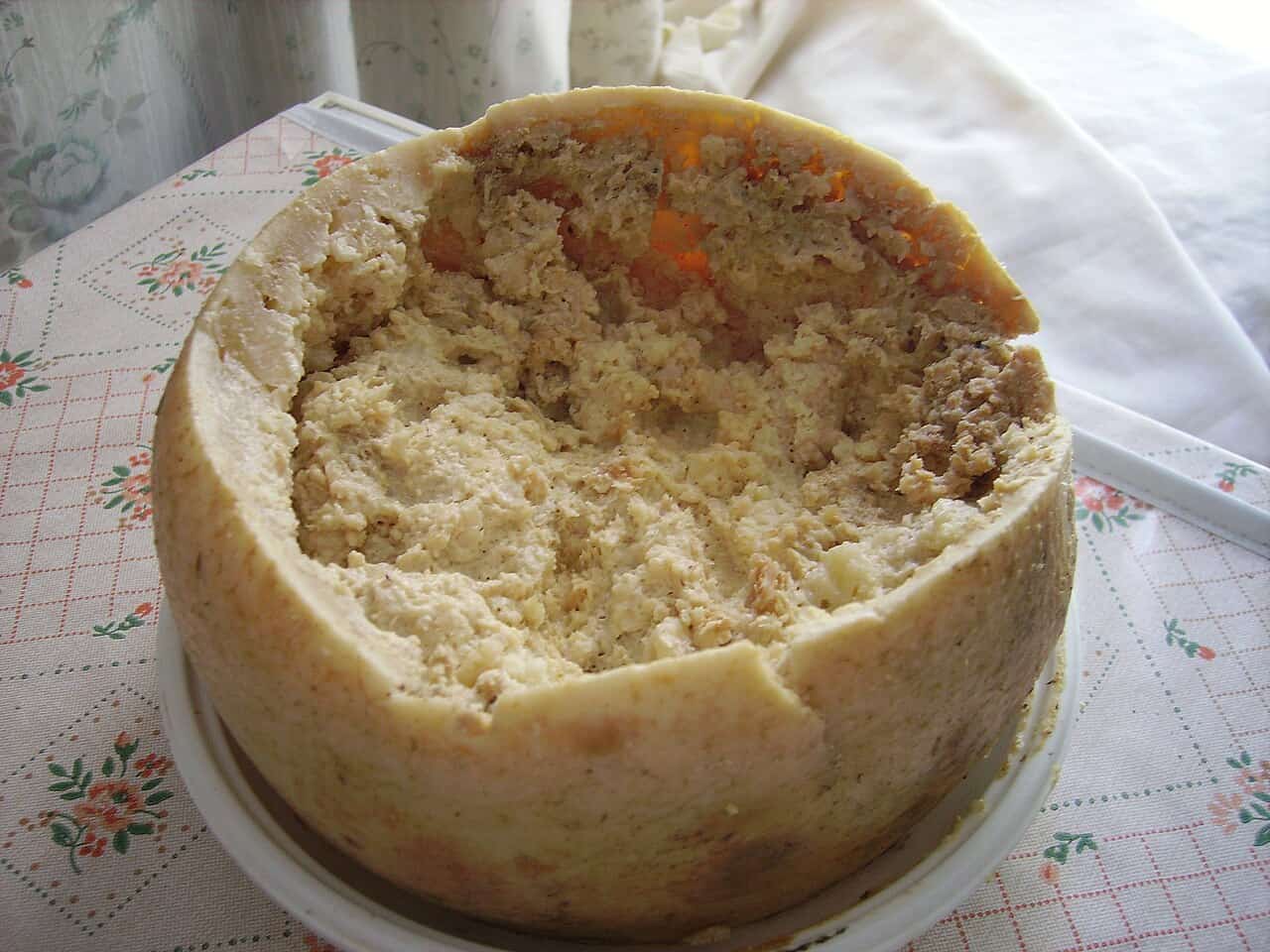
This traditional Sardinian cheese is purposely infested with live maggots to promote advanced fermentation. The insects break down the fats to create a soft texture that locals consider a delicacy. American health officials outlawed this product because the live larvae can survive in the human intestine.
Eating food crawling with bugs sounds like a complete nightmare to the average American consumer. You will not find this dangerous dairy product in any specialty shop across the country. Government agencies strictly enforce sanitary food preparation standards to protect citizens from parasitic infections.
Fresh Ackee Fruit
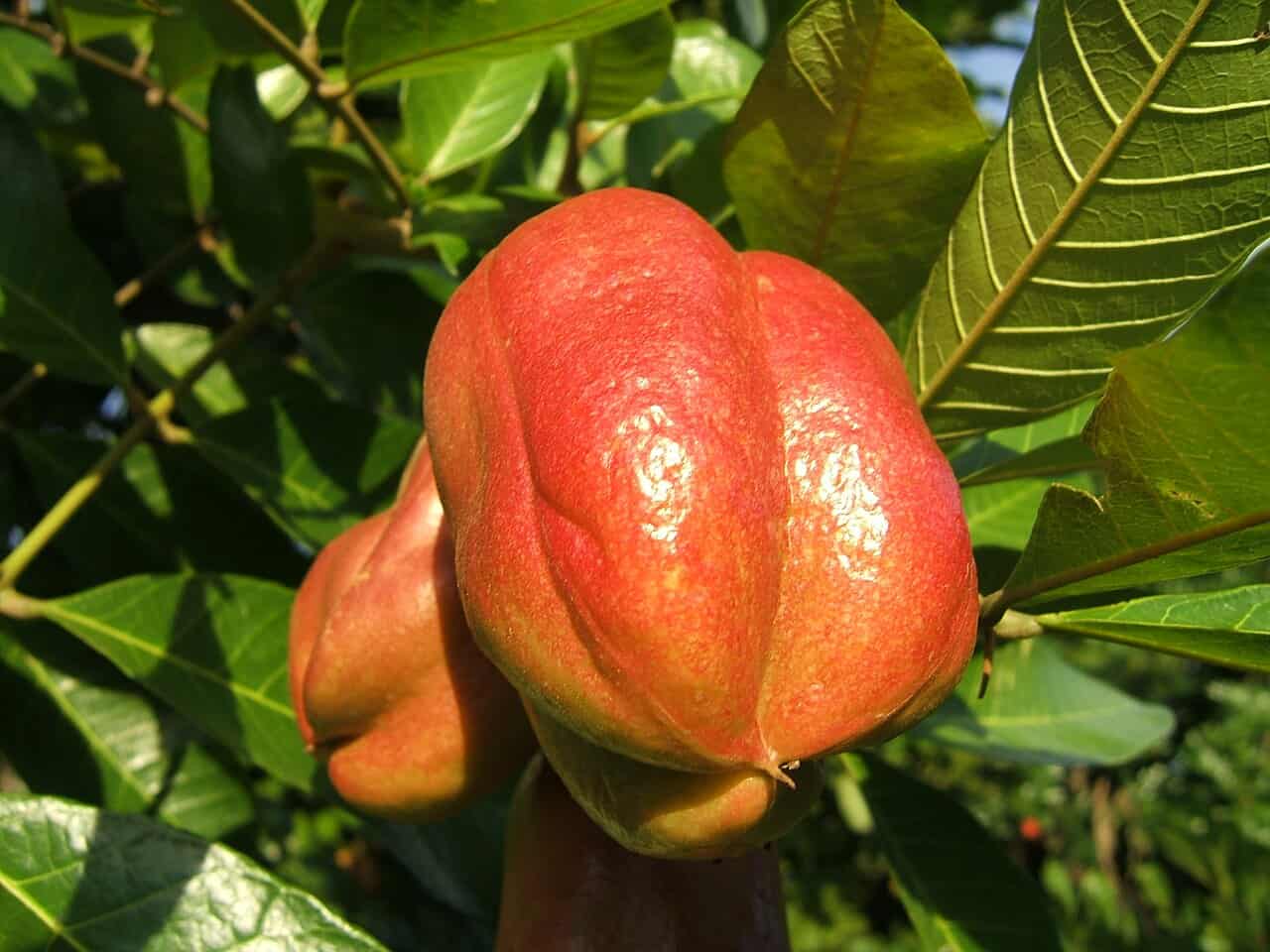
Jamaica proudly claims this vibrant red fruit as an essential part of its national dish. The raw fruit contains dangerous levels of a toxin that causes severe vomiting and sudden blood sugar drops. The Food and Drug Administration completely bans the importation of the fresh, unprepared version.
You can legally buy the canned version if the manufacturer proves the toxin levels are safe. The harvesting process requires exact timing because the fruit only becomes edible when it opens naturally. The NIH notes that untreated ackee poisoning has a fatality rate of nearly 20 percent.
Raw Unpasteurized Milk

Many health enthusiasts claim that drinking milk straight from the cow provides superior nutritional benefits. The federal government disagrees and strictly forbids the interstate sale of dairy products lacking pasteurization. A 2023 NIH study indicates that unpasteurized milk causes 840 times more illnesses than pasteurized dairy products.
Pasteurization simply involves heating the liquid to kill dangerous bacteria like Salmonella and E. coli. Certain states allow you to buy it directly from local farms for personal use. You take a massive gamble with your health every time you consume untreated dairy.
Traditional Shark Fins

Chefs historically used this controversial ingredient to create an expensive soup popular at extravagant weddings. The cruel harvesting process involves catching the animal, slicing off the appendage, and discarding the body. President Biden officially signed the Shark Fin Sales Elimination Act into law in December 2022.
This vital legislation aims to protect fragile ocean ecosystems from destructive commercial fishing practices. According to a report by the Humane World for Animals, this move helps protect portions of the 73 million sharks killed annually. Diners now enjoy delicious imitation versions that capture the texture without harming marine life.
Commercial Horse Meat

Eating equines is a completely normal practice in many European and Asian countries. The practice remains effectively illegal in the states because Congress refuses to fund the necessary federal slaughterhouse inspections. Most citizens view these majestic animals as beloved companions rather than potential sources of protein.
You will never see a horse burger sitting next to the beef patties at your local grocery store. Activists continue fighting to pass permanent legislation that completely bans the practice forever. This restriction shows how deeply cultural values influence our national food policies.
Pure Sassafras Oil

Native Americans originally used this fragrant plant extract for medicinal purposes and flavoring. Commercial manufacturers later added it to root beer to give the soda its distinctive taste. The FDA banned the ingredient in 1960 after laboratory tests revealed it caused liver cancer in rats.
Modern root beer companies now use artificial flavorings to recreate that classic frosty mug experience. The original plant contains a hazardous chemical compound called safrole that scientists deem highly dangerous. You can still buy the leaves for cooking as long as the harmful safrole is completely removed.
Authentic Ortolan Bunting

French chefs prepare this tiny songbird by drowning it in a vat of expensive brandy. Diners traditionally eat the entire roasted bird whole while hiding their faces under a large white napkin. The United States prohibits the sale and consumption of this bird to combat rampant international poaching.
The bizarre napkin ritual supposedly hides the eater’s gluttony from the eyes of God. Smugglers still try to sneak the forbidden delicacy into underground culinary clubs for wealthy patrons. This extreme dining experience remains firmly locked out of the American restaurant scene.
Wild Sea Turtles
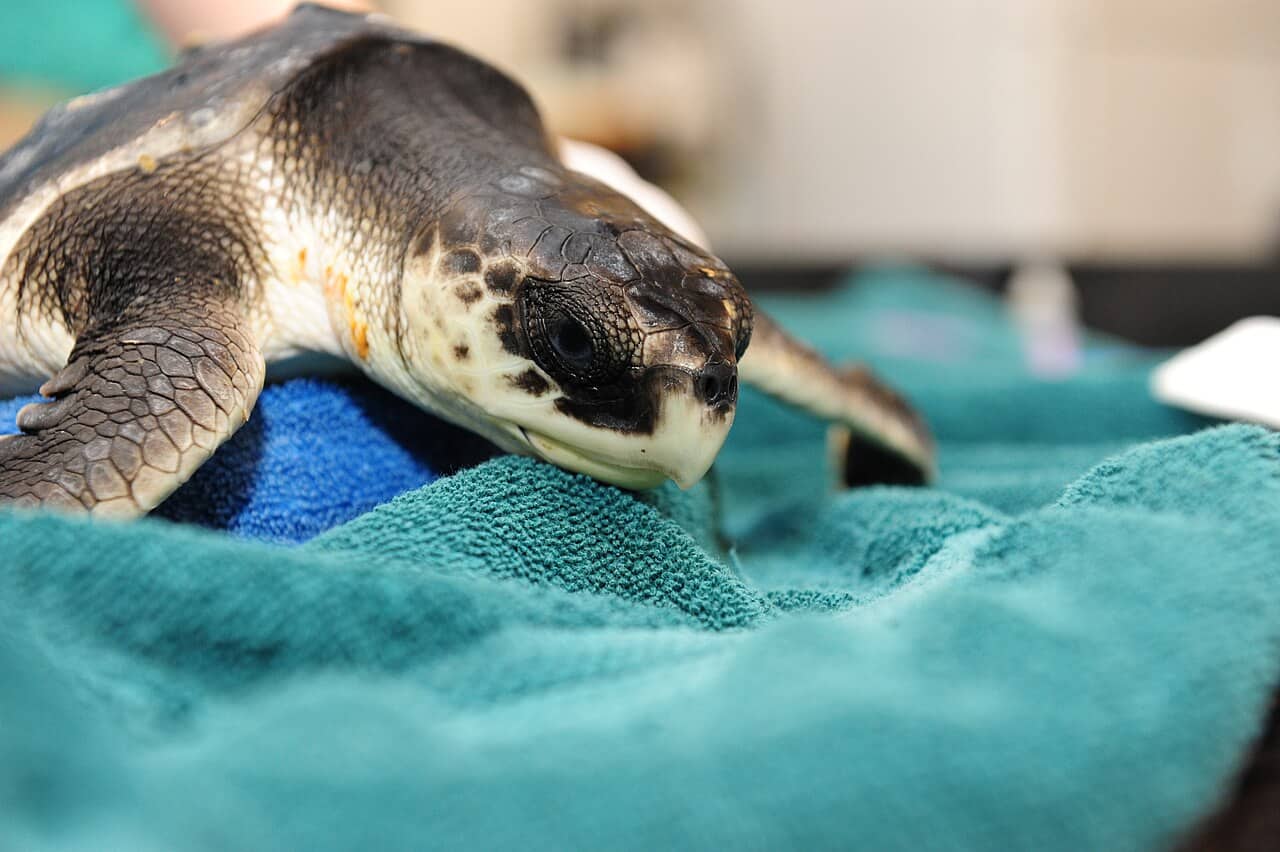
Coastal communities historically hunted these gentle reptiles to make a rich and hearty soup. The global population of these ancient creatures plummeted dramatically due to severe overfishing and habitat loss. The Endangered Species Act of 1973 made it a federal crime to harm or consume these vulnerable animals.
Marine conservationists spend countless hours protecting nesting sites to help the population recover. You face massive fines and potential jail time if you try to order this dish today. Protecting marine biodiversity heavily outweighs any culinary curiosity you might have about this historic meal.
Fresh Mirabelle Plums
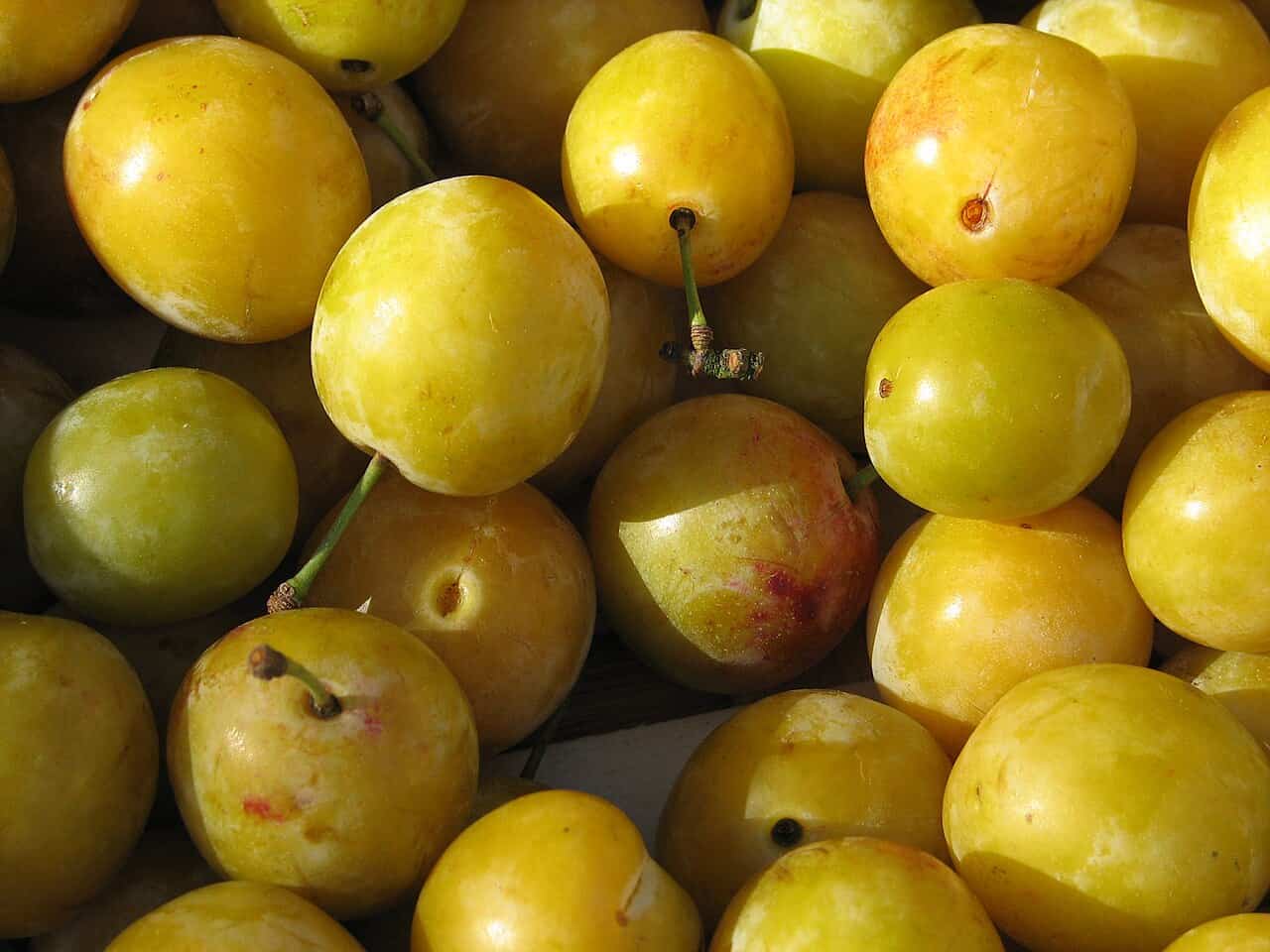
These sweet yellow fruits grow almost exclusively in the Lorraine region of northeastern France. French farmers fiercely protect their crops and hold strict geographic origin rights over the harvest. A complex trade agreement essentially prevents the importation of these fresh plums into America.
You might find jams or preserves made from the fruit on specialty supermarket shelves. The fresh version simply cannot pass through border control because of strict agricultural import laws. American farmers grow similar varieties, but connoisseurs claim the French original tastes infinitely better.
Queen Conch Meat
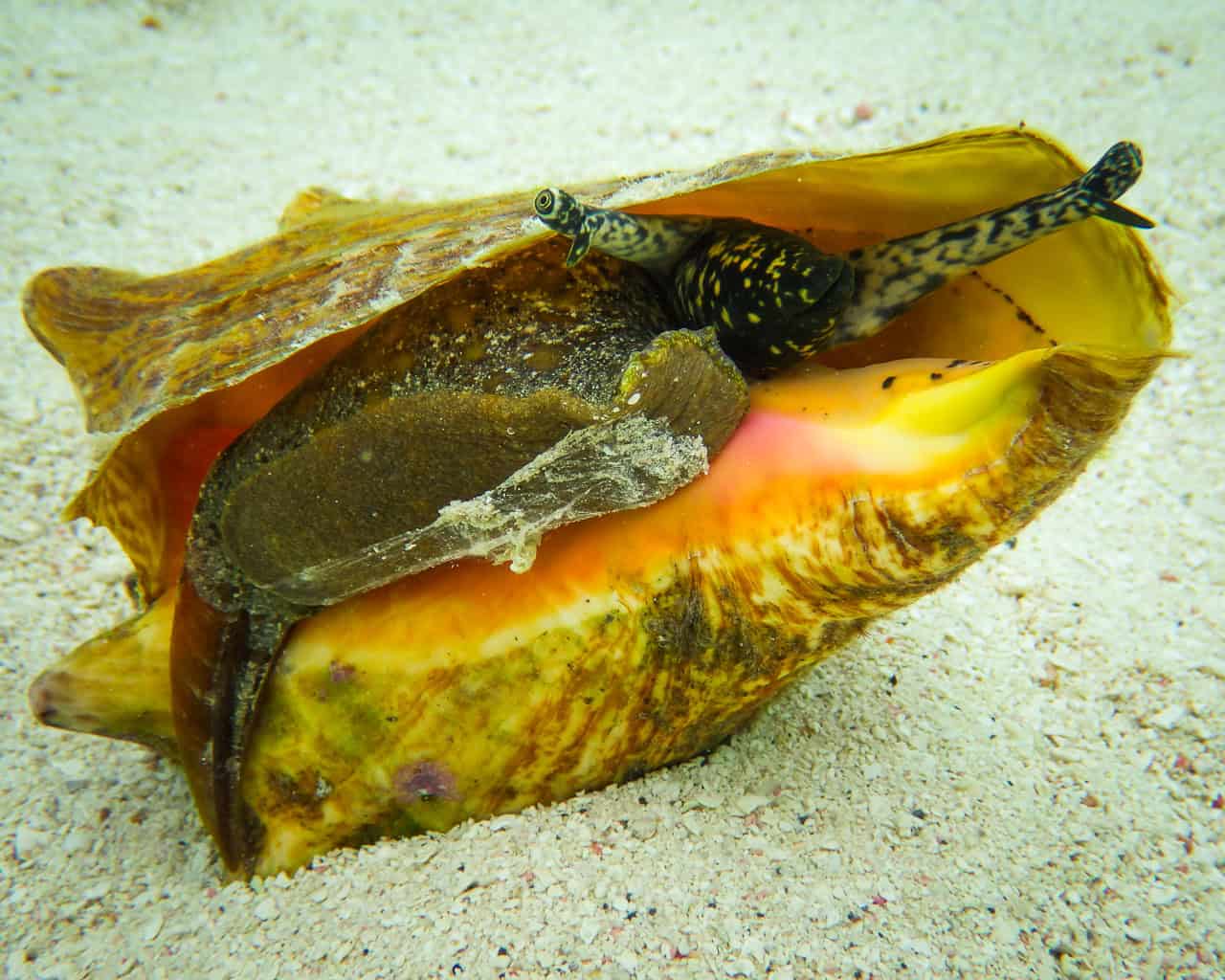
Island restaurants frequently serve this chewy mollusk in fritters, salads, and creamy chowders. The beautiful spiral shells became popular souvenirs, while the meat fed millions of hungry tourists. The United States banned the commercial harvesting of this species in federal waters to prevent total population collapse.
Florida once boasted a thriving conch industry before overfishing decimated the local supply. You can still eat it if the restaurant imports it from specific countries with sustainable fishing practices. The domestic ban serves as a harsh reminder that ocean resources require careful and deliberate management.
Like our content? Be sure to follow us