12 subtle habits of kind people who find it hard to build a circle
Some of the nicest people you know feel weirdly lonely, and that is not a character flaw; it is often a pattern problem. CDC reports that in the U.S., about 1 in 3 adults report feeling lonely, about 1 in 4 say they lack social and emotional support, and Gallup found that 20% of U.S. adults felt lonely a lot of the previous day in late 2024. That means plenty of warm, decent, big-hearted people walk around doing all the “good person” things and still go home feeling like nobody really knows them.
That mismatch shows up in friendship data too. A 2024 Colorado State University summary of the American Friendship Project found that 51% of Americans say making new friends feels difficult, 40% want more closeness, and only 56% feel happy with the time they spend with friends. Psychologist Marisa Franco keeps making the same point because it keeps proving true: adult friendship does not magically happen on autopilot, and people usually fear rejection more than reality justifies.
They listen more than they reveal

Kind people often turn into excellent listeners, and everybody loves them for it. Pew found that 69% of Americans talk a lot with close friends and family about what is happening in their lives, which tells us something simple and important. Real closeness grows when two people share real life, not when one person plays the emotionally available audience member with Olympic-level nodding skills.
Marisa Franco argues that adult friendship needs shared vulnerability, not just repeated proximity, and that point lands hard here. If you spend every hangout asking thoughtful questions, remembering birthdays, and offering comfort while hiding your own mess, people may trust your kindness without actually knowing you. You become memorable, yes, but you also become strangely unreadable, which makes friendship feel warm on the surface and thin underneath.
They say yes when their energy says no

A lot of kind people carry people pleasing around like it is a community service project. Florida Atlantic University describes people-pleasing as a learned form of self-preservation and notes that it often makes boundary-setting harder, lowers self-esteem, and fuels emotional exhaustion. That pattern looks generous from the outside, but it quietly teaches others to expect access rather than mutuality.
The problem gets sharper when you remember that the CDC says about 1 in 4 U.S. adults lacks social and emotional support. When you say yes to every favor, every extra call, and every last-minute plan, you may look reliable while feeling drained, and drained people rarely build playful, easy, alive friendships. They build obligation chains, which sound noble until you realize your social life now feels like unpaid customer support with snacks.
They wait too long to reach out first

Many kind people tell themselves a very polished lie. They think, “I do not want to bother anyone,” which sounds considerate, and often behave like fear in a cardigan. Marisa Franco writes that people often underestimate how much others appreciate reaching out, even to weaker ties, and she states it plainly: people want you to initiate more than you think.
Nicholas Epley’s research points in the same direction. In a Chicago Booth summary, he notes that participants felt happier talking to anyone, not just the person they predicted would be especially interesting. So the kind person who keeps waiting for a flawless sign, a clear opening, or a handwritten invitation from destiny often delays the exact move that could have turned an acquaintance into a real friend.
They keep every conversation pleasant and nothing personal

Some kind people treat every conversation like a small hotel lobby. It stays polite, tidy, and technically pleasant, but nobody unpacks a bag. That habit feels safe, yet research keeps showing that people connect through honest exchange, not endless low-risk chatter about traffic, deadlines, and how everybody is “good,” which usually means absolutely not good.
Pew’s 2026 work on news conversations found that 80% of Americans say these discussions at least sometimes help them feel connected, and 59% say they at least sometimes change their opinion after talking with others. Those numbers matter because they show that connection does not require constant agreement; it requires real engagement. If you never let people see what moves you, annoys you, delights you, or confuses you, they may enjoy your company and still struggle to feel close to you.
They expect friendship to happen naturally

This one trips up smart, kind adults all the time. They assume friendship should “just happen” the way it did in school, when life shoved people together every day and handed them built-in routines, repeated contact, and accidental closeness. Then adulthood arrives, throws calendars and errands at everybody, and suddenly people treat friendship drift as bad luck instead of what it often is: neglect with good excuses.
Franco says adult friendship does not happen organically and that people who treat friendship as luck rather than effort end up lonelier over time. The Colorado State summary backs that up from another angle, showing that 51% of Americans find it difficult to make new friends and 62% say it was easier earlier in life. Kind people who wait for friendship to self-assemble often stay lovable, busy, and oddly underconnected.
They confuse low maintenance with never showing up

Some people wear low maintenance like a badge of emotional maturity. They do not ask for much; they do not text first; they do not suggest plans; and they tell themselves that good friendships should survive long silences without complaint. Sometimes that works, but a lot of the time it just makes other people assume you are fine with distance, which becomes a self-fulfilling little tragedy.
The American Friendship Project found that 75% of Americans are satisfied with the number of friends they have, but only 56% are happy with the time they spend with friends, and 40% want greater closeness. That gap matters. It suggests that many adults do not need a bigger circle; they need more consistent signals that the connection matters, and low-maintenance silence rarely sends that message with any force.
They stay in one setting and never deepen the connection

A lot of kind people build “friend-ish” relationships that never leave the original habitat. Someone remains a work friend, a church friend, a gym friend, or a class friend forever, as if the friendship will one day complete a magical paperwork process on its own. Franco uses the idea of repotting, which means moving the connection into a new setting so it can deepen.
That advice makes practical sense right now because Pew found that 74% of Americans who discuss the news with others do so mostly in person, and personal catch-up still dominates conversations with close ties. In other words, real-world interaction still does heavy lifting for closeness. If you never move from hallway chat to coffee, from class banter to a walk, or from quick texts to a real hangout, you may trap a perfectly good friendship in its starter pot forever.
They avoid conflict until resentment takes over

Kind people often avoid conflict because they don’t want to hurt others. Fair enough. The problem starts when they confuse kindness with constant accommodation, because then irritation quietly piles up until it finally bursts out, with bad timing and sharper words than necessary.
Pew found that 56% of Americans have stopped talking to someone about political or election news because of something that person said, and 58% say concern about making things uncomfortable has kept them from discussing the news with others. Franco pushes back against the bigger fear underlying that trend, arguing that conflict itself does not ruin friendship; the way people handle it does. When kind people never practice honest disagreement, they do not preserve closeness; they postpone a messier version of it.
They become the helper instead of the person
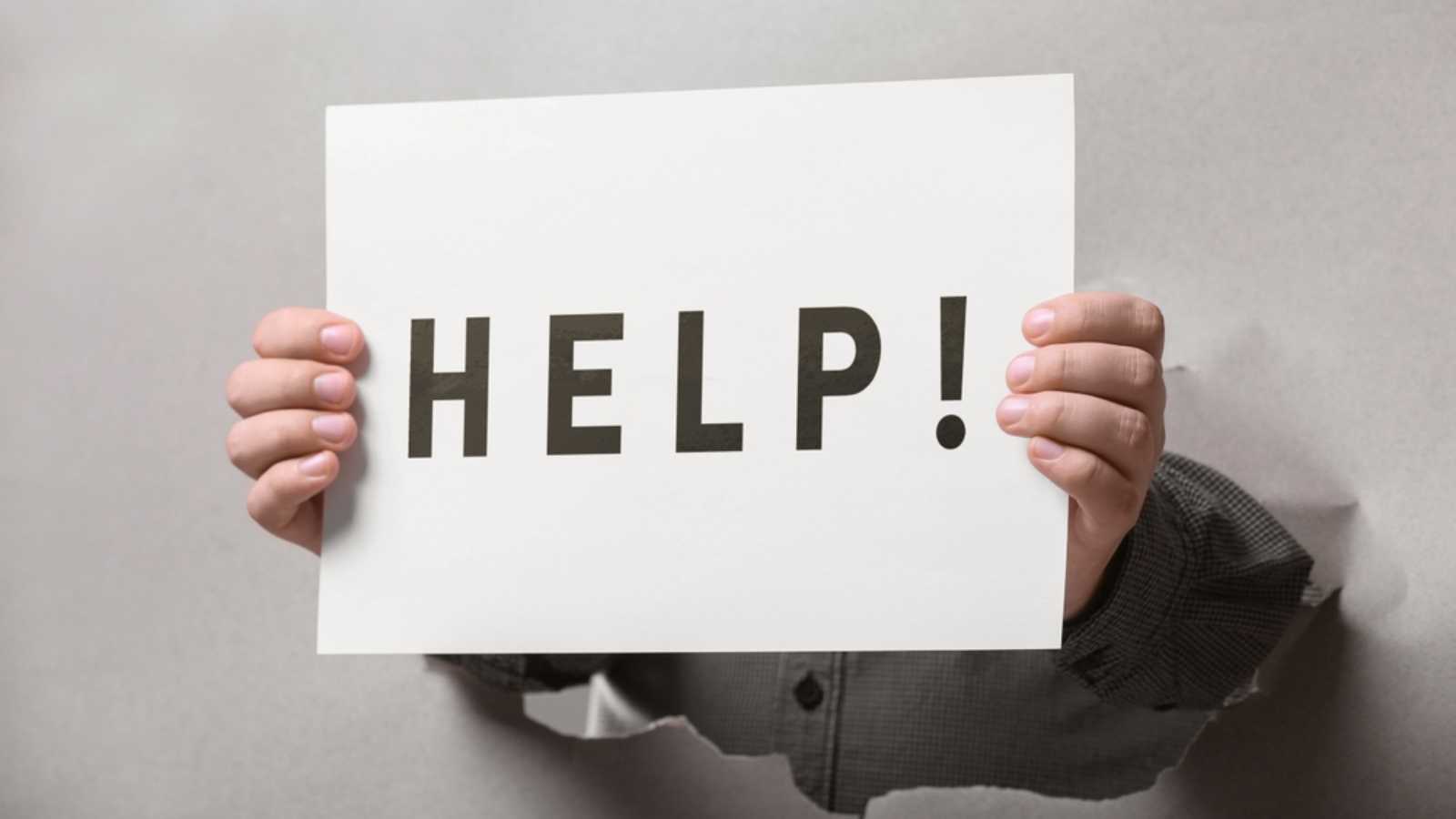
Some kind people build an identity around being dependable, calm, and there for everyone. That sounds admirable, but it can quietly flatten a person into a role. Friends start to see the support you provide sooner than they see the personality you carry, and then your circle knows your usefulness better than your inner world does.
Pew’s 2025 social connection report found that many Americans, especially women, say they would turn to a friend for emotional support, and the CDC notes that millions still lack sufficient support. That combination tells a familiar story. People need help, yes, but the kind person who always offers comfort and rarely asks for anything can end up standing in the group like a beloved emotional utility knife rather than a fully known friend with needs, opinions, and limits.
They assume everyone else already has enough friends

This habit sounds logical and turns out wrong a shocking number of times. Many kind people look around, see people in group photos, comment sections, office Slack threads, or brunch tables, and assume everybody else already filled their friendship quota years ago. Then they pull back, stay polite, and miss the fact that many adults want more closeness, even when they already know plenty of people.
Pew found that 61% of U.S. adults say close friends are extremely or very important for a fulfilling life, yet 8% say they have no close friends, and a narrow majority say they have only one to four. Add Franco’s observation that we live in a culture full of lonely people looking for connection, and the picture gets clearer. The person you hesitate to invite for coffee may not think you are overreaching at all; they may think you just saved Tuesday.
They read one awkward moment as a final answer

Kind people often judge themselves harshly after tiny social misfires. One late reply, one slightly stiff laugh, one weird goodbye, and suddenly they write a full courtroom drama in their head where everybody rejected them, and the verdict already cleared appeals. Meanwhile, the other person probably just got distracted by work, laundry, children, life, or the modern American ritual of staring into the fridge like answers live there.
Franco’s work on reaching out shows that people often appreciate contact more than initiators predict, and Epley’s work shows we underestimate how positive simple conversations can feel. Those findings matter because they challenge the reflex to treat discomfort as data. A socially awkward moment can mean many things, but it does not automatically mean “do not try again,” and kind people often lose potential friendships because they honor that false message as if it came from heaven.
They protect everyone’s comfort and erase their own personality

This final habit hides in plain sight because it looks so mature. The kind person reads the room, softens strong opinions, avoids taking up too much space, and tries to make everybody comfortable. That instinct helps in tense moments, but over time, it can strip away the exact texture that makes friendship stick, because circles do not bond with perfect agreeableness; they bond with specific humans.
Pew reported in 2025 that only 34% of Americans say most people can be trusted, and in 2026, it found that many people avoid hard conversations because they fear discomfort. In a low-trust climate, kind people often over-edit themselves to seem easy, but that strategy has a cost. People may admire your grace and still struggle to find you, because you kept offering diplomacy when what the relationship needed was more of your real laugh, real taste, real voice, and yes, maybe your mildly controversial movie opinions.
Key takeaway

A lot of kind people do not struggle because they care too much. They struggle because their kindness sometimes turns inward in the wrong way, into silence, hesitation, overgiving, and self-erasure. The data keeps pointing to the same truth: Americans still value friendship deeply, but many want more time, more closeness, and more courage around connection, which means the answer usually is not “be nicer,” it is “be more visible, more honest, and a little more willing to reach first.”
So if this article hit a nerve, do not panic and start a dramatic social reinvention by noon. Pick one habit, send one text, share one real thing, or make one specific invitation. Kindness opens the door, but presence, honesty, and consistency actually walk you into the room.
Disclaimer: This list is solely the author’s opinion based on research and publicly available information. It is not intended to be professional advice.
Like our content? Be sure to follow us.