12 things Americans notice first inside Mexican supermarkets
A Mexican supermarket can make a short vacation feel bigger in a matter of minutes. One aisle has room-temperature eggs. Another has warm tortillas packed by weight. A cookie box may wear a bold black warning label that feels impossible to miss.
Mexico’s current front-of-package warning system began rolling out in 2020, and Reuters has reported that 70% of Mexicans eat tortillas every day. For a U.S. tourist, a quick stop for snacks can become a small lesson in how another country eats, shops, and gets through the week.
These stores are not all alike. A supermarket in Cancún, Mexico City, Guadalajara, or a border town can feel very different. Still, a few patterns turn up often enough to catch a visitor’s eye. Mexico’s government-backed basic basket covers 24 essential products, with a price target of 910 pesos in the PACIC program.
That number says something important: this is not just a place to grab souvenirs and soda. It is where daily budgets, public health rules, and family meals meet.
Eggs on the Shelf and Milk in a Box
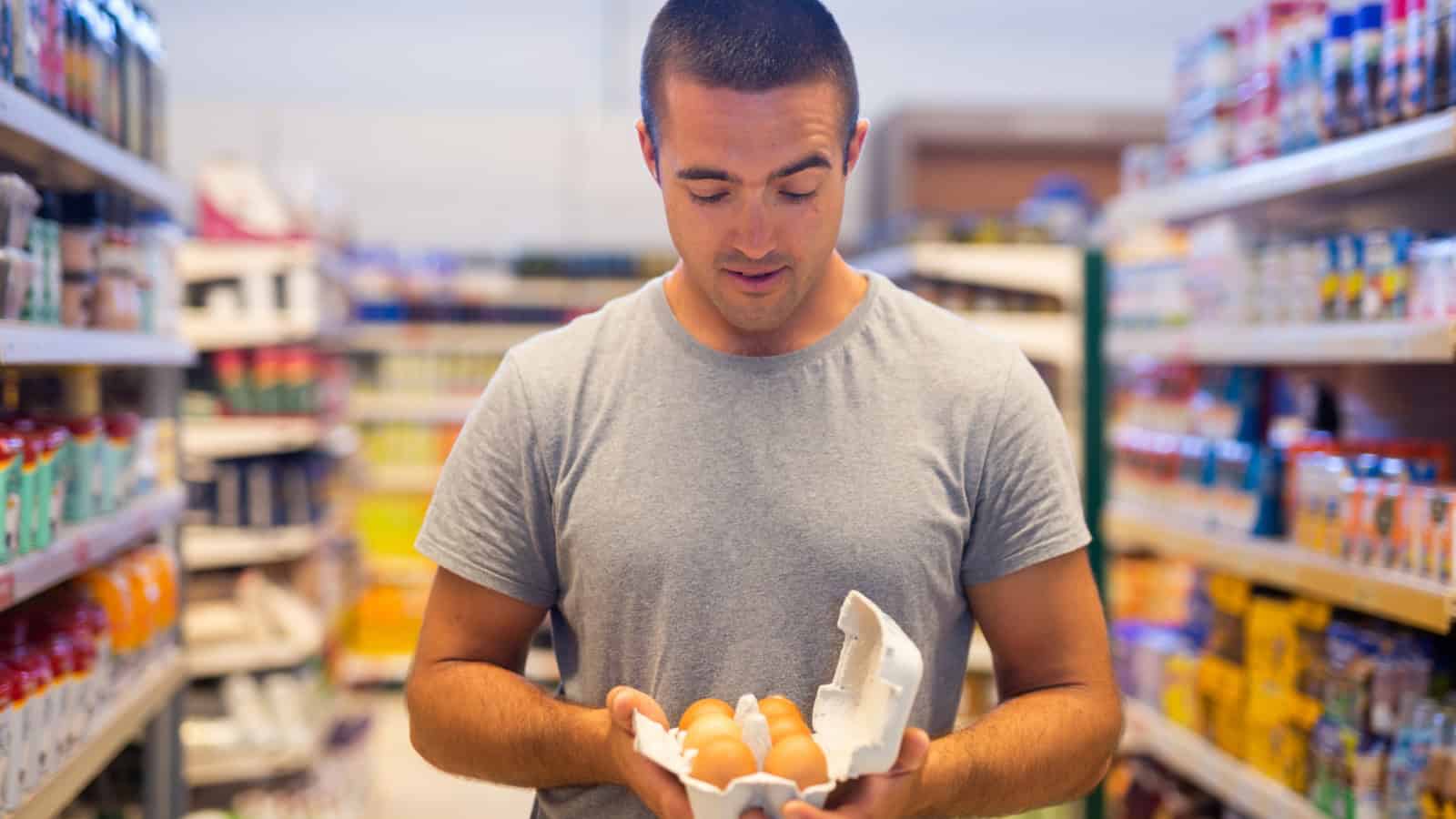
The first surprise can arrive in the dairy aisle, though it may not look like a dairy aisle at all. Many Mexican stores display eggs at room temperature, a sight that can make an American stop mid-step.
U.S. Food and Drug Administration rules require shell eggs to be held at 45 degrees Fahrenheit or colder after packing, a standard that took effect in 2010. Mexican handling practices can vary by producer and store, so it is smart to follow the label and the store’s instructions rather than treating one display as a rule for the whole country.
Shelf-stable milk may look just as strange at first. UHT milk is heated to at least 135 degrees Celsius for a few seconds before being sealed, allowing unopened cartons to sit on a regular shelf. Once opened, it needs refrigeration. It is practical for a hotel room, a road trip, or a late-night bowl of cereal. No mystery, no shortcut, just a different food system doing a familiar job.
Black Octagons That Say What the Package Hides
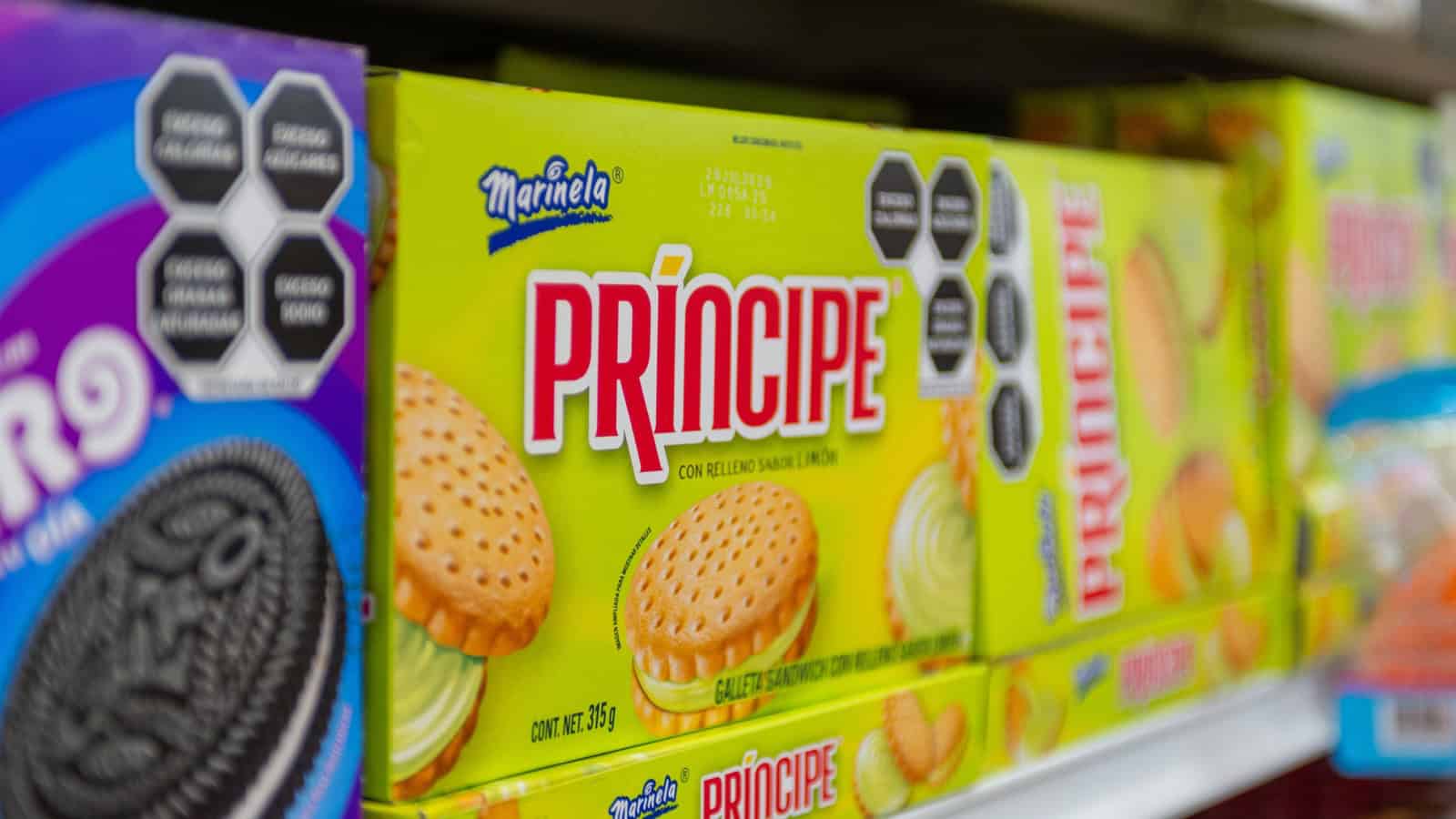
The black warning seals on Mexican snacks can feel almost blunt. You may spot labels such as Exceso Azúcares, Exceso Sodio, or Exceso Calorías on cookies, cereal, soft drinks, and chips.
Mexico’s NOM-051 rule began its first phase in October 2020 and uses these seals to flag products high in sugar, sodium, calories, saturated fat, or trans fat. It also uses separate warnings for caffeine and sweeteners aimed at children.
The reason sits in the country’s health data. Mexico’s ENSANUT 2020-2023 survey found that about 75% of adults live with overweight or obesity. The labels do not tell a shopper what to buy. They make the choice harder to ignore.
For a traveler used to turning a package around to find a tiny nutrition panel, the front-facing warnings can feel like a grocery aisle speaking in a louder voice.
Bread You Can Smell Before You See
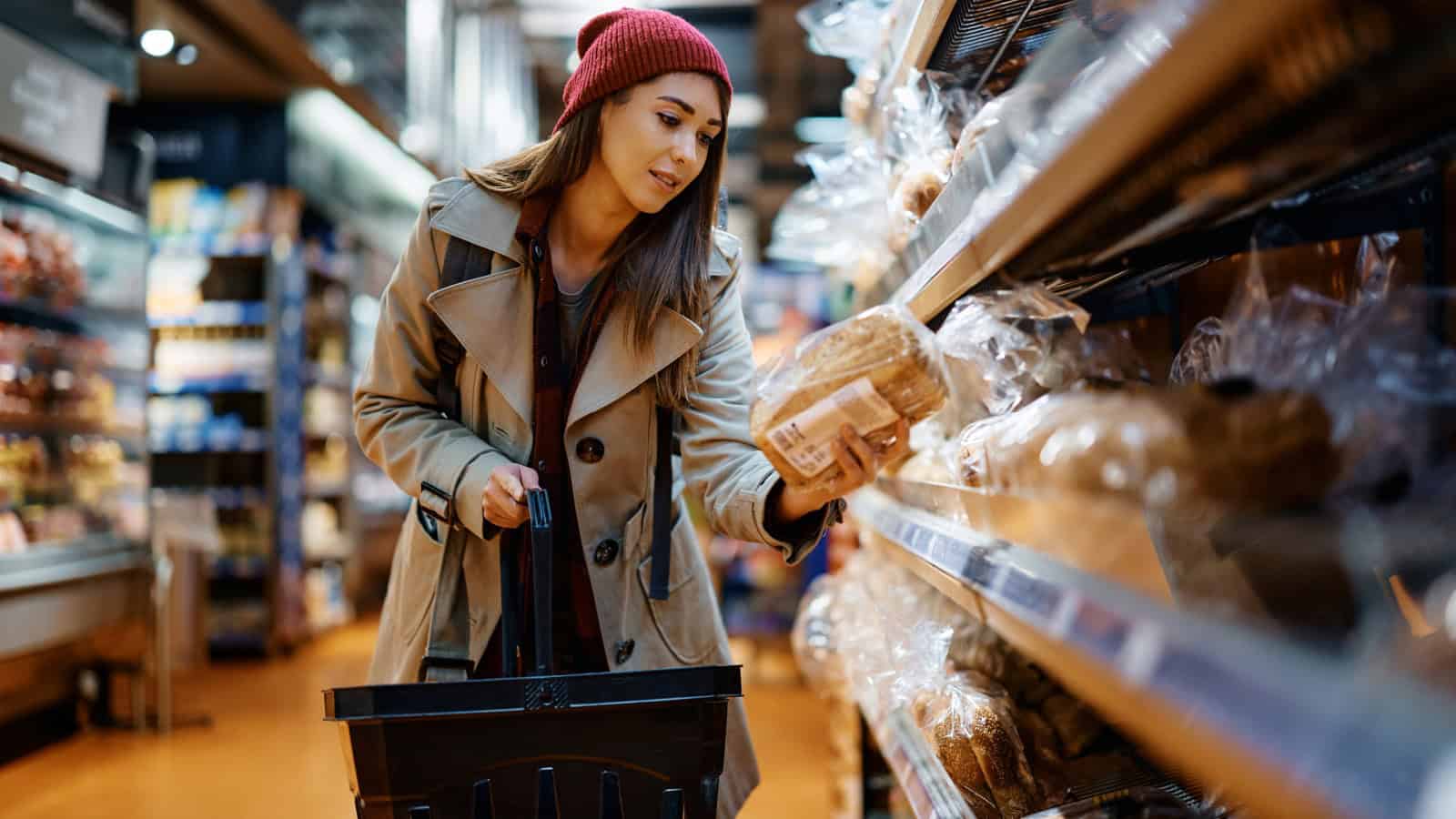
A good Mexican supermarket bakery announces itself before the sign does. The smell of butter, sugar, and warm flour drifts past bags of rice and bottles of cooking oil. Racks may hold loose bolillos, conchas, cuernitos, and slices of cake, with metal tongs and trays waiting nearby. You pick what you want, then bring it to the scale. It feels more like a neighborhood panadería than a U.S. aisle lined with plastic-wrapped loaves.
That open display does not mean every store follows one style. Walmart de México reported more than 3,000 stores in Mexico in 2024, spread across formats that range from discount shops to large supercenters. Bakery choices vary by store, city, and budget.
Still, a tourist may notice that bread is treated as a daily pleasure rather than a product built to sit untouched for a week. If you are staying longer, try buying two or three pieces rather than a full bag. Fresh bread has a way of disappearing fast.
Warm Tortillas, Masa, and the Center of the Meal
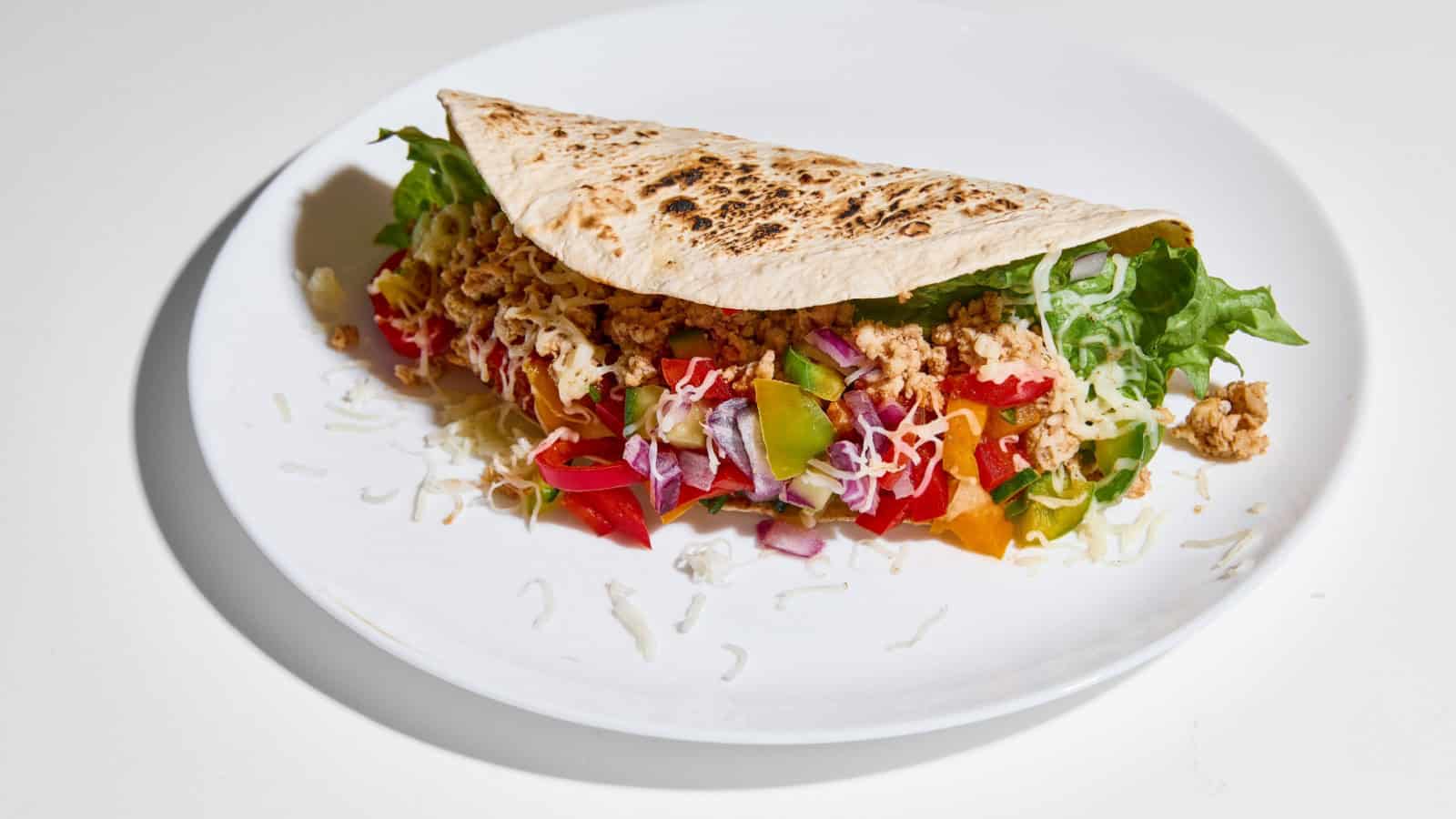
The tortilla counter is where many Americans realize they are looking at a different grocery rhythm. Instead of choosing among a few sealed brands, you may find tortillas sold warm by the kilo near salsa, masa, beans, and chiles.
Reuters reported that 70% of Mexicans eat tortillas daily, and Mexico’s competition authority found tortillas account for about 6% of household food spending. That makes the counter more than a charming detail. It is part of the country’s everyday food economy.
The market behind it is large, too. Mexico’s competition authority found that Gruma held between 50% and 90% of corn-flour sales in eight regions during its investigation. Yet the meal itself remains personal, shaped by family recipes and local tastes.
José Ralat, the taco editor at Texas Monthly, described great Sonoran tortillas this way: “They’re so thin yet so strong.” Buy a small warm stack, then eat one before you leave the parking lot. It is one of those travel moments that needs no elaborate plan.
Produce That Changes With the Season
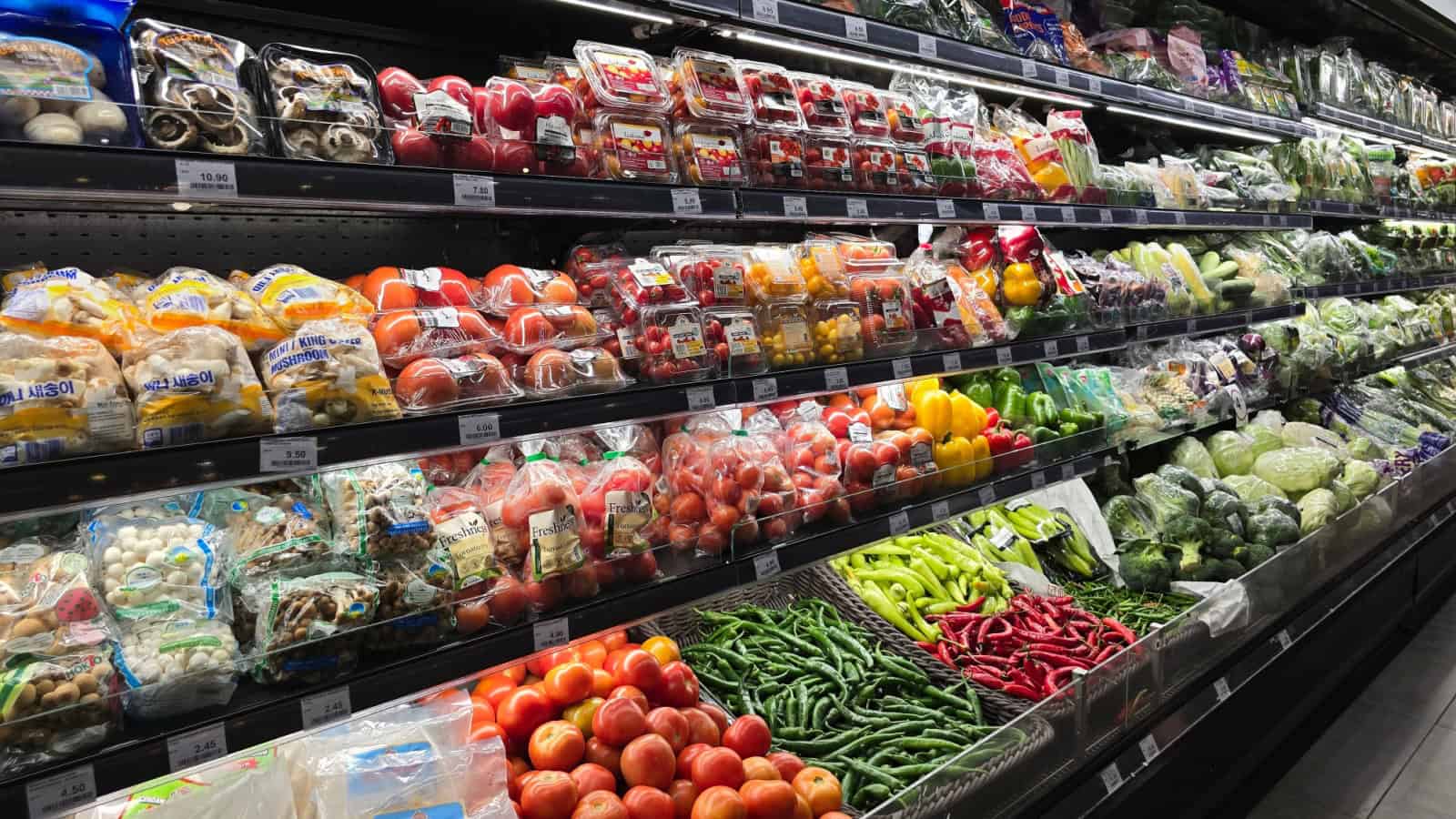
The produce section can feel like a color wheel that forgot to be modest. There may be several kinds of mangoes, piles of limes, nopales, tomatillos, chayote, mamey, and more chiles than a first-time visitor can name.
Mexico’s consumer-protection agency, PROFECO, tracks prices at stores across the country, a useful reminder that tomato and avocado prices can vary widely by city and season.
That matters for tourists who expect every item to be cheaper in dollar terms. Mexico’s PACIC program set a 910-peso target for a basket of 24 staples, yet that is not the same as a universal grocery bill. Hotel zones, resort towns, upscale chains, and import-heavy neighborhoods can cost more.
The better surprise is not a promise of bargain prices. It is the sense that the produce remains close to the meal’s center. For future expats, a quick look at PROFECO’s price tracker can help turn that impression into a realistic budget.
One Stop for Food, Medicine, and a Blender
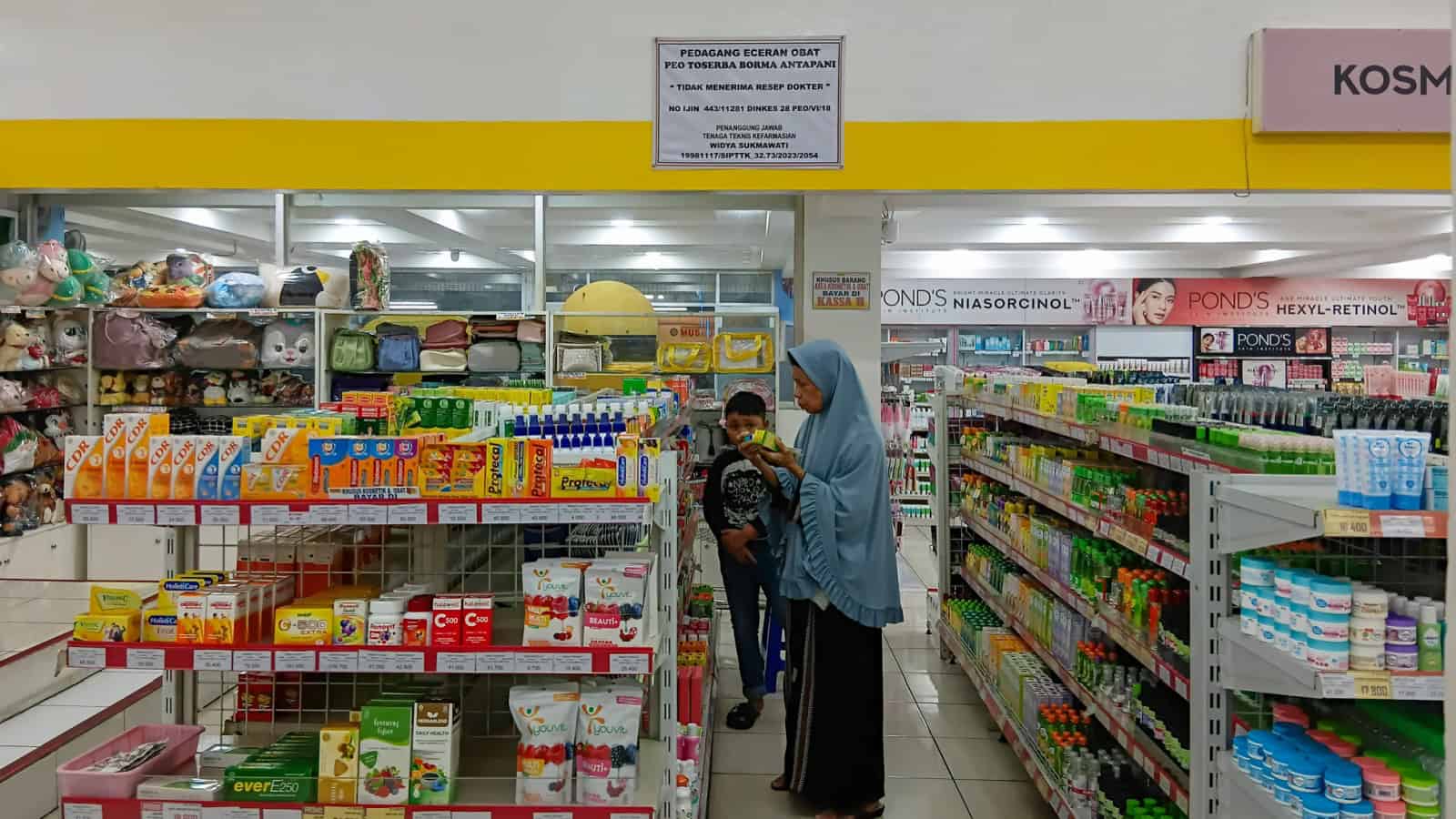
A large Mexican supermarket can feel like a grocery store, pharmacy, home goods shop, and small department store all under one roof. You may pass tortillas, shampoo, a microwave, school supplies, and a television without ever leaving the building.
Soriana operated 804 stores across Mexico in 2024, including hypermarkets, supermarkets, convenience formats, warehouse clubs, and home-improvement stores. That mix helps explain why some locations carry far more than food.
For a short-trip visitor, this setup is handy. You can buy sunscreen, bottled water, an adapter, a cheap beach towel, and breakfast supplies in one stop. For a future expat, it is a sign that shopping habits may need a small reset.
A big weekly run can cover a lot, but bakeries, produce stands, tortillerías, and local markets still matter. The supermarket is a useful base camp. It is not the whole food landscape.
Baggers Who Often Work for Tips
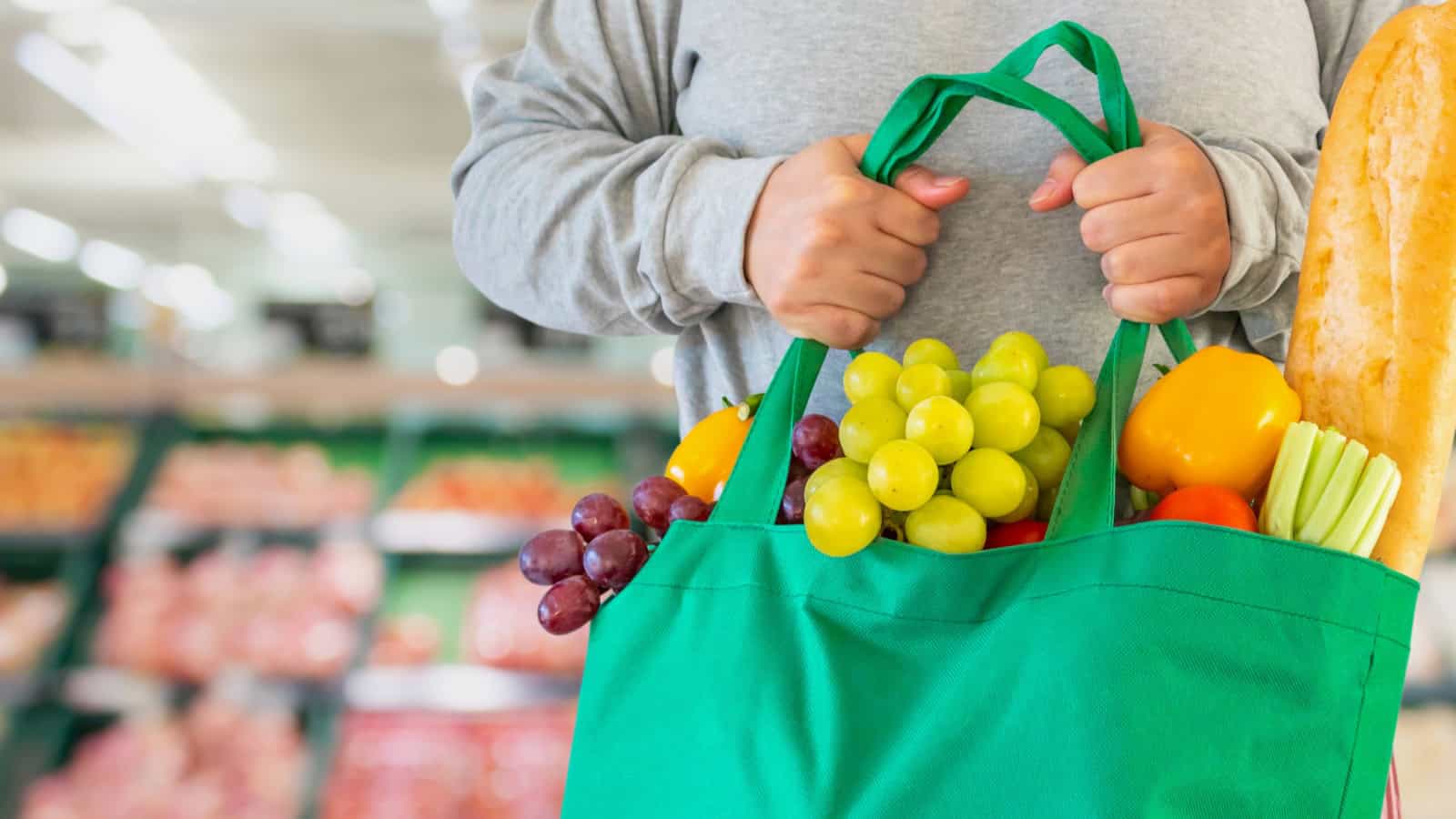
At checkout, you may meet an empacador, a person who bags groceries and usually receives a voluntary tip. Many are older adults, though the role is not limited to seniors, and the practice differs by chain and city.
Mexico’s 2020 census counted about 15.1 million people age 60 and older, or roughly 12% of the population. That figure does not measure supermarket baggers, but it gives context for a custom many visitors quickly notice.
The simple travel rule is to carry a few small pesos. A tip is polite when someone bags your items, though there is no fixed national amount. The exchange can feel slower than a self-checkout lane, but it can also feel warmer.
A person asks how your day is going. You answer. Bags get packed with more care than speed. If you are visiting for only a week, take it as a small local cue rather than an inconvenience. If you plan to stay, it may become part of your routine.
The Brand Map Looks Familiar, Then It Doesn’t
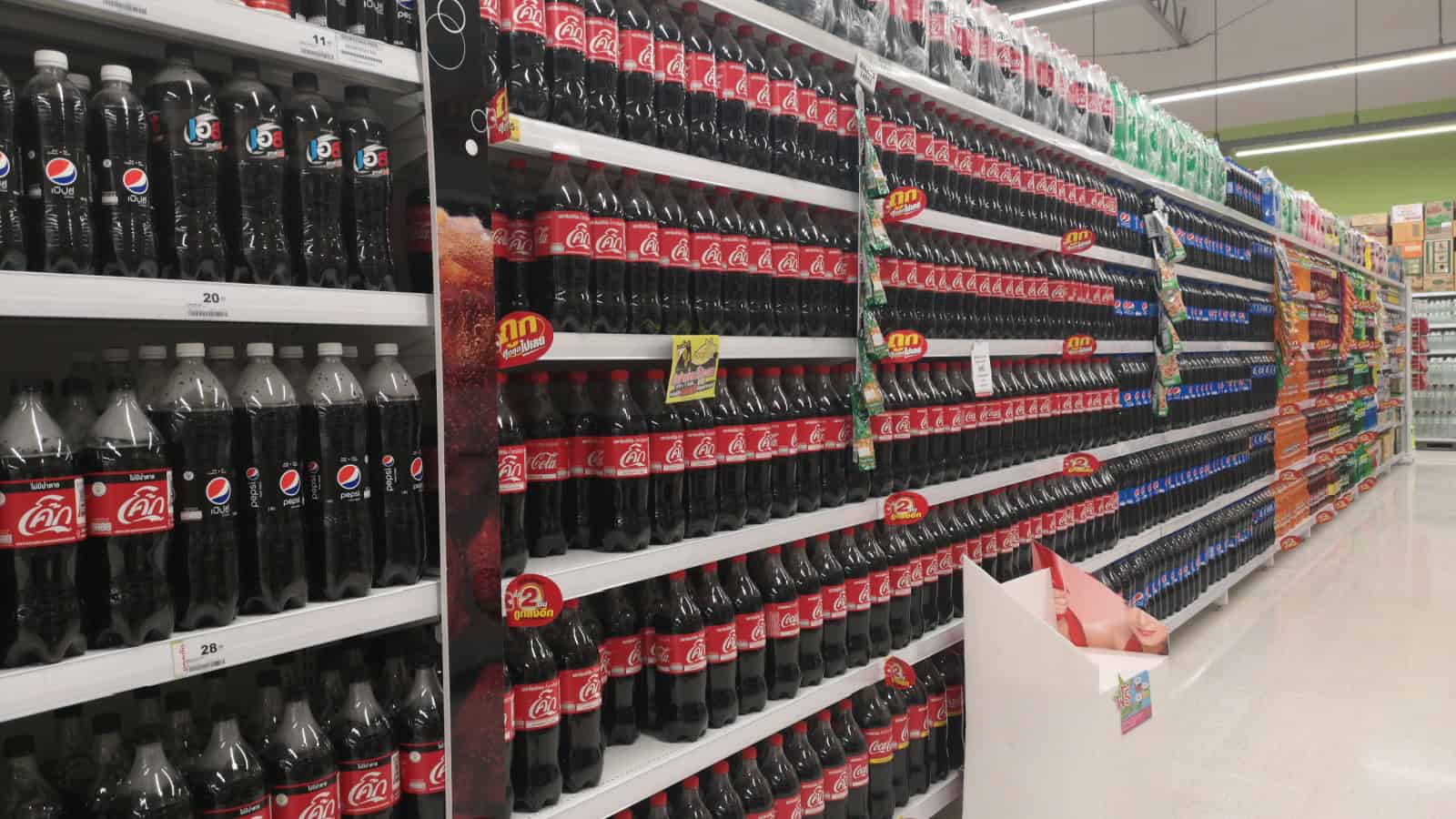
Some shelves begin with names Americans know. Coca-Cola, Nestlé, Kellogg’s, and Colgate are easy to spot. Then the aisle shifts. There is Bimbo bread, Lala milk, Jumex juice, La Costeña canned goods, Maseca corn flour, and snack brands that make a plain potato chip seem like it missed a meeting. The difference is not that Mexican stores lack brands. They often have more in-depth product choices tied to local meals.
The corn-flour market shows how local demand shapes a shelf. Mexico’s competition authority found that Gruma held 50% to 90% of sales in eight regions, a huge presence in a category linked to daily tortillas.
Tourists may find fewer niche versions of an American pantry item, then discover several kinds of beans, salsas, dried chiles, and corn products. Give yourself time to look. A grocery aisle can teach more about a place than a souvenir shop ever will.
Fish on Ice and a More Visible Counter
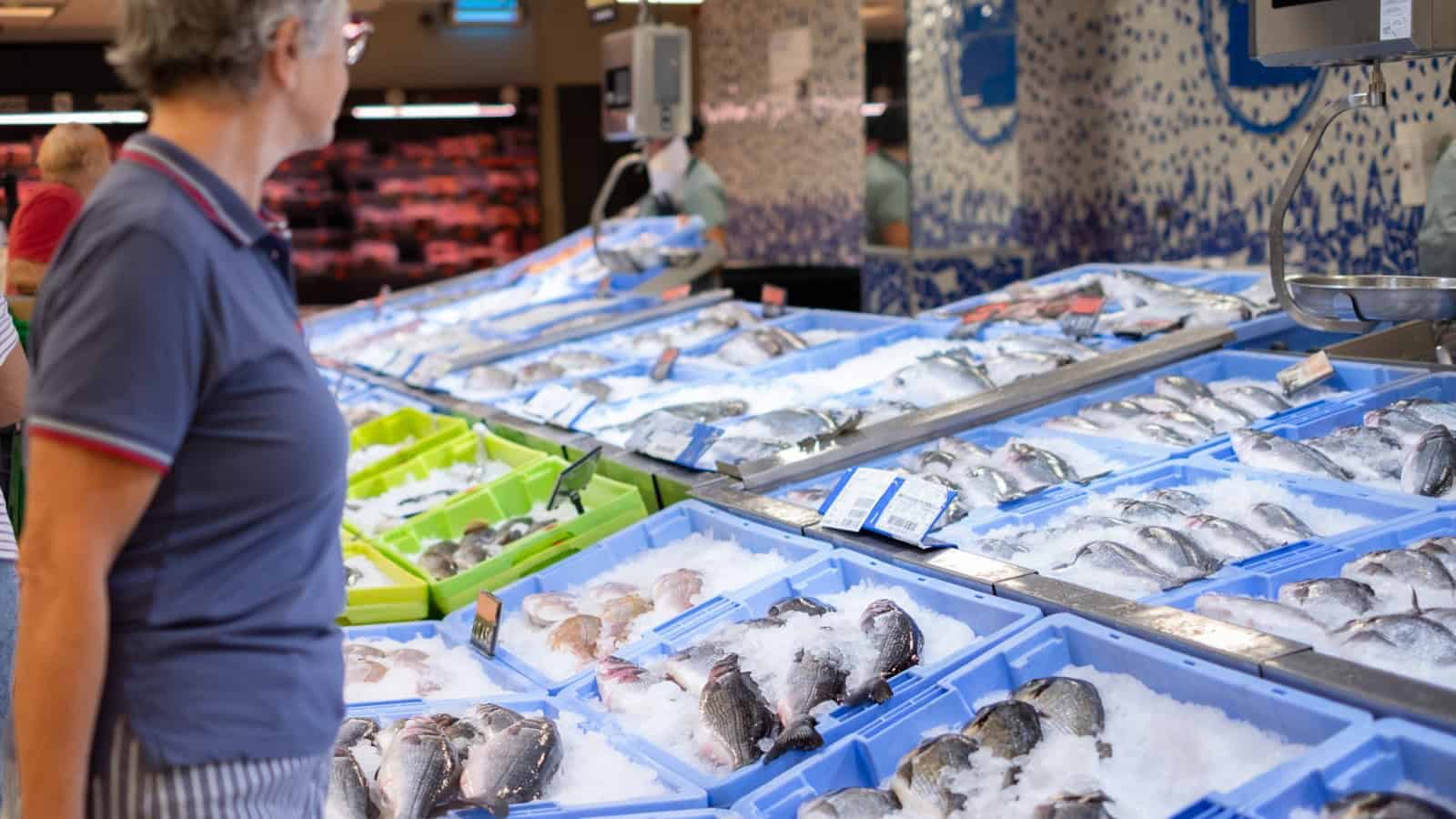
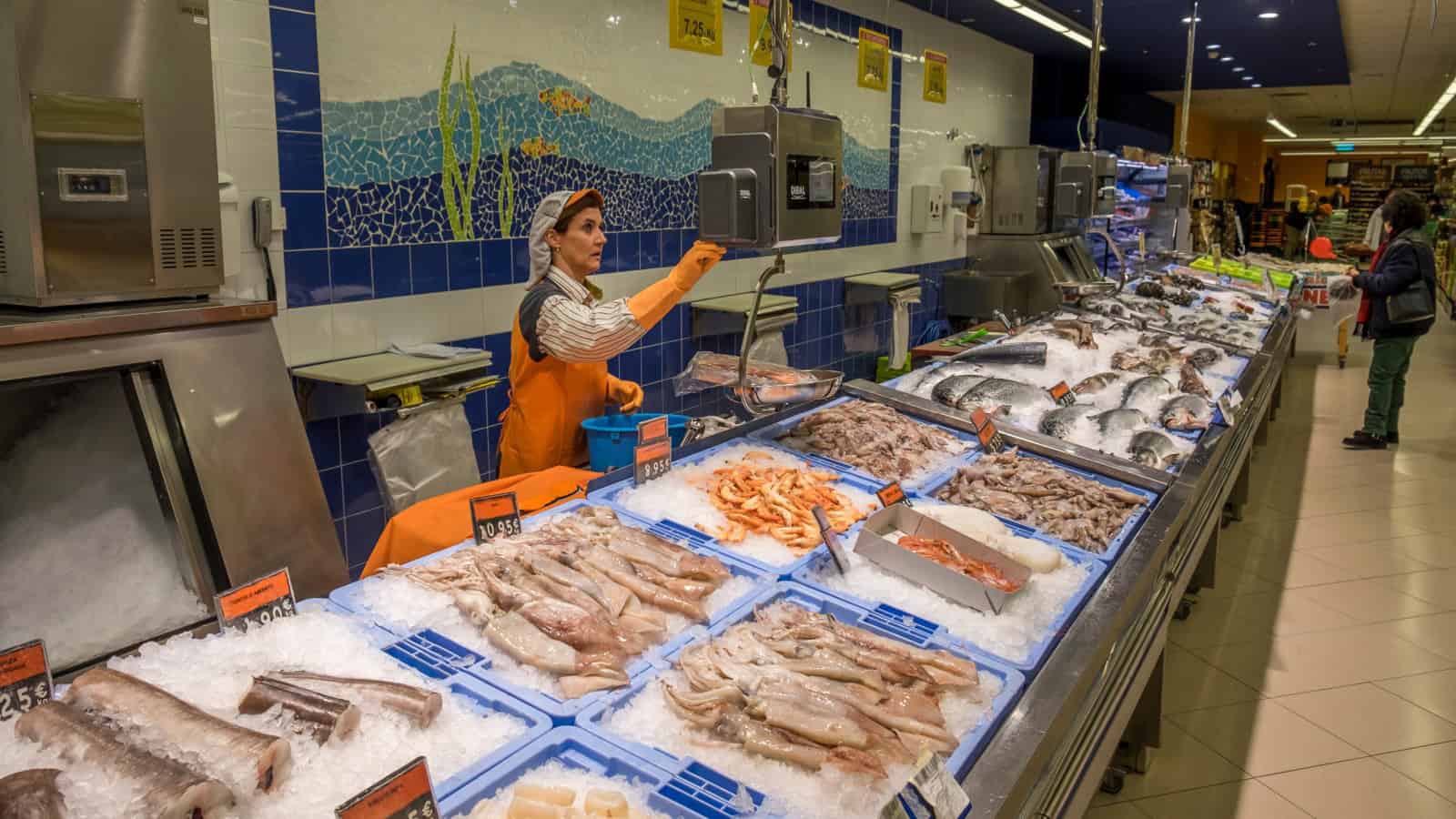
The meat and seafood counter can feel more direct than what many Americans expect. Whole fish may rest on ice with clear eyes and silver skin.
Butchers may cut chicken, pork, or beef to order. The scene can resemble a market stall more than a sealed wall of foam trays. Mexico has 11,122 kilometers of coastline, according to National Geographic data, so fish and shellfish play a stronger role in many coastal regions.
That does not mean every inland supermarket has a dazzling seafood case. Store size, local taste, and distance to the coast all matter. The important travel note is simple: use your senses. Look for clean counters, cold storage, and a steady flow of customers. Ask what is local and what was delivered frozen.
A friendly question can lead to a better dinner, plus a useful idea of how people in that area shop and cook.
The Basket Price Tells a Bigger Story
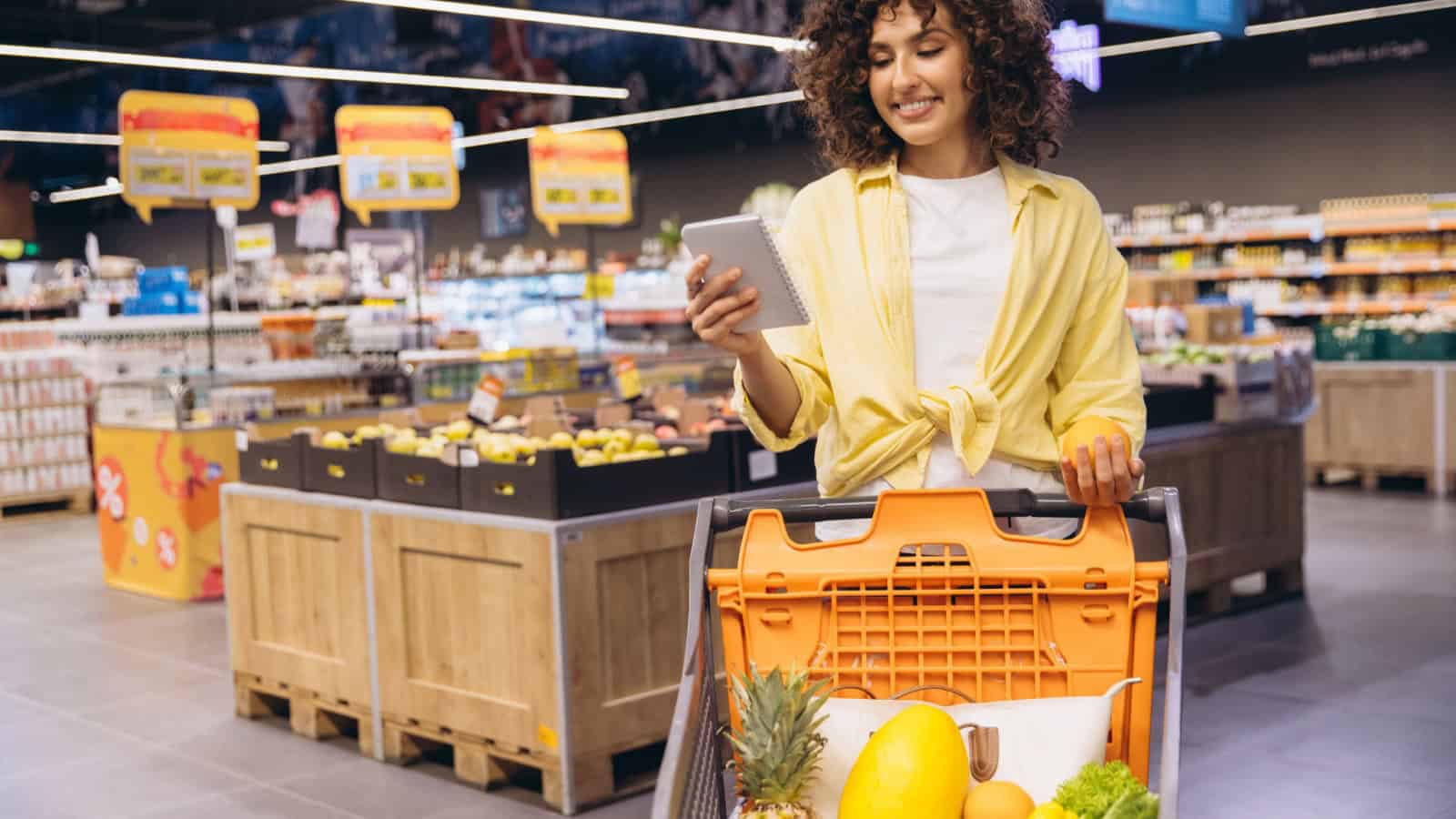
A Mexican grocery receipt can look low beside a U.S. receipt, especially after a quick mental currency conversion. That is real in some stores, yet it needs context.
Reuters reported that Mexico renewed its PACIC price agreement around a basket of 24 essential products, capped at 910 pesos. The agreement was designed to ease pressure after inflation in food, drink, and tobacco reached 13.95% in 2022. By October 2024, Reuters reported that figure had eased to 3.81%.
Prices still matter deeply to local families. President Claudia Sheinbaum explained the goal in plain terms: “We want prices to come down for consumers, especially for those who don’t have much.”
For tourists, the wise move is to enjoy a good value without turning it into a sweeping claim about affordability. Compare labels, buy only what you will use, and remember that a low price in dollars can carry a very different meaning for someone earning pesos.
Fewer Locked Cases in Some Stores
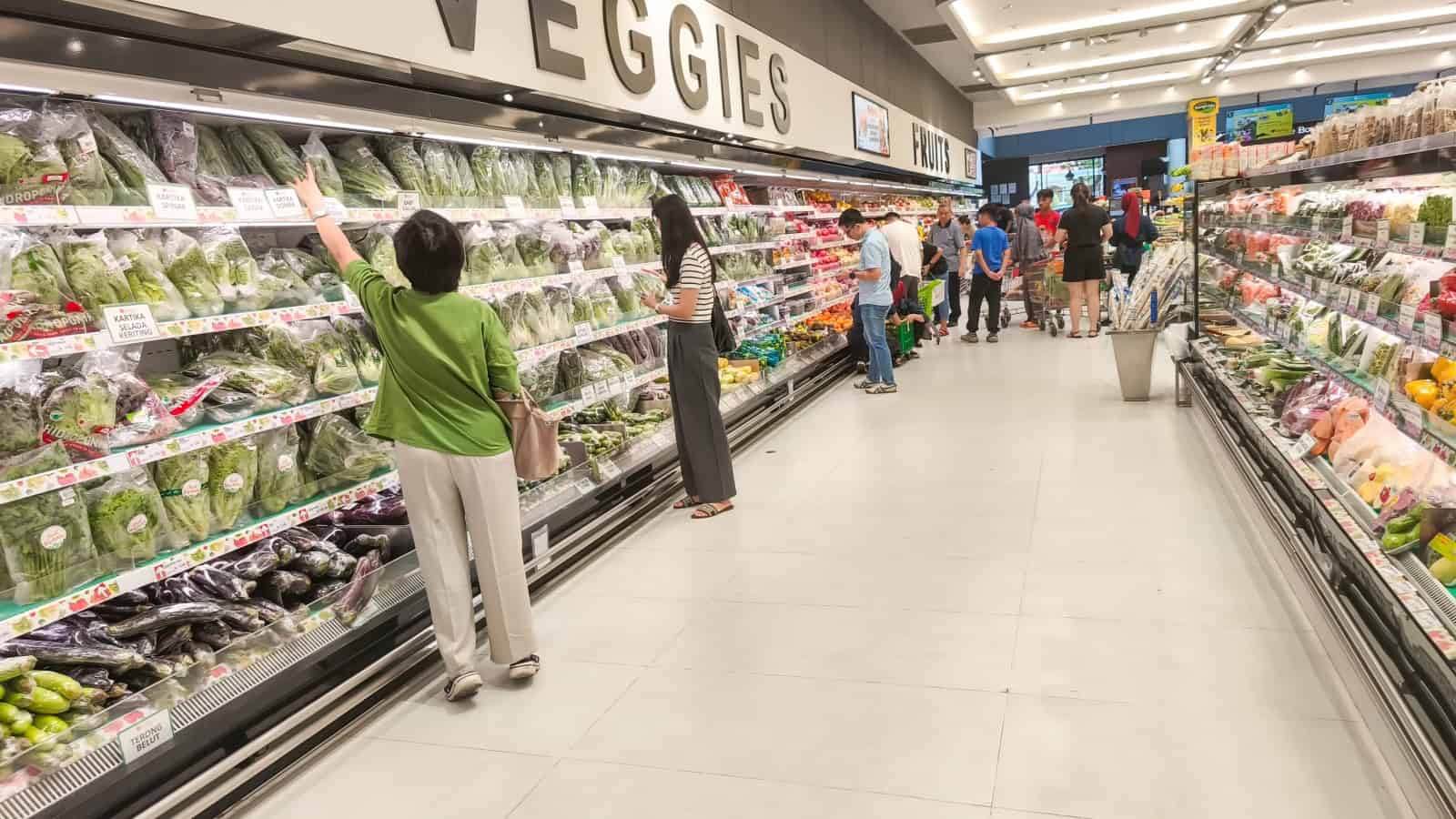
Some U.S. visitors notice that baby formula, toiletries, or small electronics are easier to reach in certain Mexican stores than in parts of the United States. It is a real visual difference in some locations, but it should not become a story about crime, trust, or one country being better behaved.
Walmart de México alone had more than 3,000 stores in 2024. No single video, reel, or vacation stop can stand in for thousands of neighborhoods and store policies.
Security looks different across retailers, products, and local risks. One store may keep razors behind a case. Another may place them on an open shelf. A beach-town supermarket may feel relaxed, while a busy urban store has guards at the door and cameras near the exit.
Treat this as an observation, not evidence of a national trend. You will have a better trip if you stay curious and leave the grand conclusions at the checkout.
Reusable Bags and Small Rules That Follow You Home
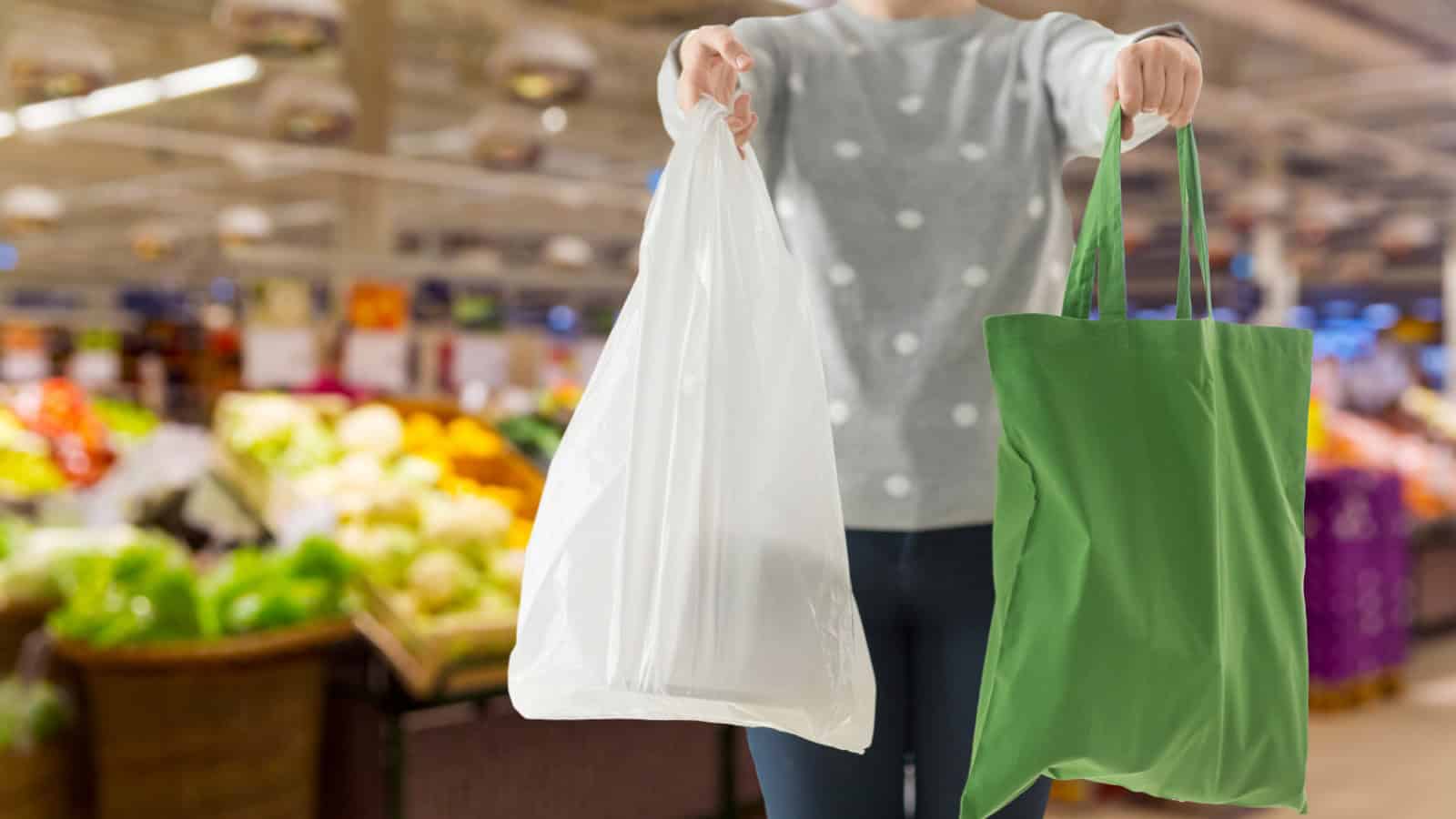
The last difference may show up after you have paid. In Mexico City, restrictions on many single-use plastic bags took effect on January 1, 2020. That means reusable bags, sturdy totes, and paid alternatives are part of the normal shopping rhythm in many places.
Other Mexican states and cities have adopted their own rules, so the experience can shift as you travel. Keeping a foldable bag in your daypack is one of the easiest ways to avoid an awkward armful of snacks.
The detail fits the larger picture. Food labels changed in 2020. The basic basket uses 24 products as a price benchmark. Tortillas are still eaten daily by 70% of the country. These are ordinary rules and habits, yet they tell a story about how public life reaches into a shopping cart.
Culinary researcher Diana Kennedy once said, “I write oral history that is disappearing with climate change, agribusiness, and loss of cultivated lands.” A supermarket is not a museum, but it can still hold a living record of what people value.
A Small Travel Lesson in Every Aisle
For a tourist, the best Mexican supermarket visit is not a hunt for the strangest thing on the shelf. It is a chance to slow down and see the daily details. The warning labels, warm tortillas, loose bread, and reusable bags all make more sense once you notice the bigger structure around them.
Mexico’s 2020 label reform and its 24-item basic basket bring public policy close to everyday life, right beside the cereal and cooking oil.
Future expats can take that one step further. Visit more than one store, check prices beyond the resort zone, carry a tote bag, and learn a few food words before filling your cart. A dozen small differences can add up to a better grasp of a place. That is one of the quiet gifts of travel.
Key Takeaways

Mexican supermarkets often look familiar at first, then reveal their own rhythm. The biggest visual differences tend to be practical: UHT milk, eggs displayed differently, open bread, warm tortillas, bold food warnings, and a 910-peso benchmark for a 24-item basic basket.
None of those details tells the whole story of Mexico, but together they make a quick grocery run more memorable.
For Americans on a short trip, curiosity goes further than comparison. The 70% daily tortilla figure, the 2020 food-label reform, and Mexico City’s 2020 bag rules show that grocery habits stem from real food traditions, family budgets, and public choices.
Buy what looks good, tip kindly when someone bags your groceries, and leave room in your suitcase for a few new favorites.
Disclaimer – This list is solely the author’s opinion based on research and publicly available information. It is not intended to be professional advice.
Like our content? Be sure to follow us