12 things women often pretend to enjoy before getting married
Early relationships are often shaped by performance as much as compatibility.
In 1959, sociologist Erving Goffman introduced the concept of “impression management” in his book The Presentation of Self in Everyday Life, explaining how people adjust their behavior to create favorable impressions in social situations, especially romantic ones. Modern relationship researchers have expanded on this idea, noting that people in the early stages of dating frequently suppress annoyance, exaggerate shared interests, or avoid conflict to strengthen emotional connection.
A 2021 survey conducted by OnePoll for the dating app Hily found that many people admitted to pretending to like certain hobbies, foods, television shows, or activities while dating someone new. Psychologists also point out that the early “honeymoon phase” of relationships is linked to heightened dopamine activity, which can temporarily make compromises feel easier and disagreements feel less important.
Women are often encouraged socially to appear agreeable, supportive, and emotionally flexible in relationships. Because of that, many tolerate behaviors or interests during dating that they later admit they never truly enjoyed. Once marriage creates emotional security and routine replaces courtship, honesty tends to increase, and some performances quietly disappear.
Here are 12 things women often pretend to enjoy before getting married.
Watching Endless Sports

Spotted in a crowded sports bar, a woman might smile and cheer loudly alongside her partner during a high-stakes championship game. She absorbs complicated team trivia and acts fully invested in the weekly draft cycles just to share in his high energy.
This enthusiastic participation creates a wonderful shared weekend routine that brings a couple closer together before walking down the aisle. Once the legal paperwork is signed, that intense dedication to the television screen often fades into the background.
The reality is that sitting through three hours of slow, regular-season games quickly loses its initial romantic luster. A spouse might happily reclaim that weekend time for personal hobbies, leaving her partner to enjoy the stadium noise with his own friends.
Roughing It Outdoors
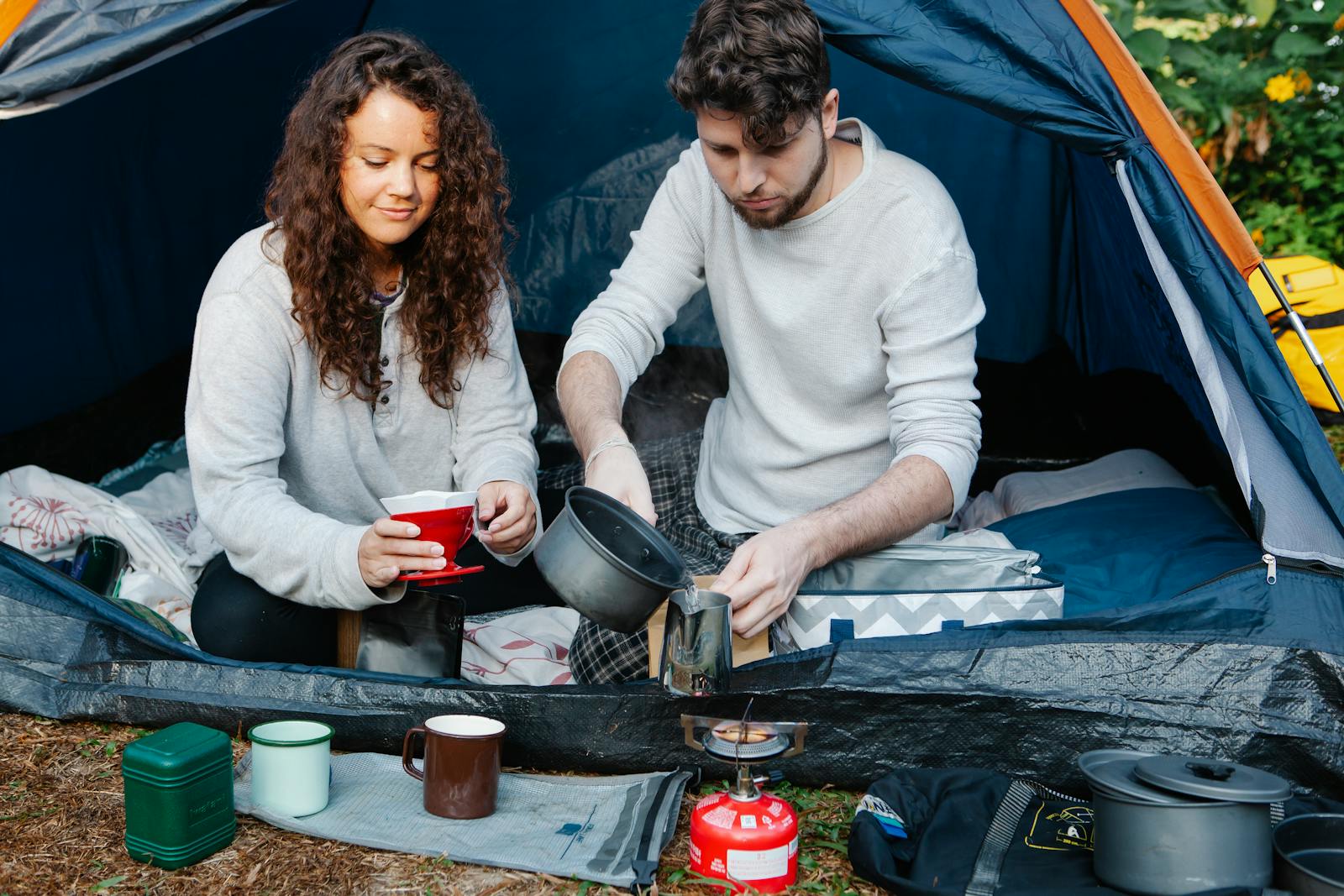
Camping trips are frequently romanticized as the ultimate intimate escape from the chaotic noise of modern city life. A girlfriend might cheerfully pack up heavy gear and sleep on uneven ground, pretending that bugs and cold nights are deeply adventurous.
The truth often comes out once a permanent home base is in place and the couple has more freedom to choose how they rest and recharge. Studies comparing leisure preferences before and after major life transitions show that couples often shift toward comfort, routine, and better sleep quality once they settle into long‑term partnerships.
Sleeping on a thin mat under a leaky nylon tent loses its appeal when a comfortable mattress is waiting back home, so future vacations may lean toward cozy cabins or beachside resorts.
The Rowdy Friend Group

Mingling with a partner’s childhood friends is a crucial rite of passage that requires a massive dose of patience and social energy. A woman will often laugh at repetitive inside jokes and endure chaotic nights out just to show she can fit in seamlessly. This social flexibility helps establish her as a supportive partner who values his existing community connections.
Over time, the exhausting obligation to attend every rowdy gathering naturally diminishes as domestic life takes over. While she genuinely wants him to maintain his deep bonds, she may quietly opt out of the loudest late-night hangouts. Trading a chaotic bar crawl for a quiet night at home becomes a much more appealing option as time passes.
Intense Video Game Sessions
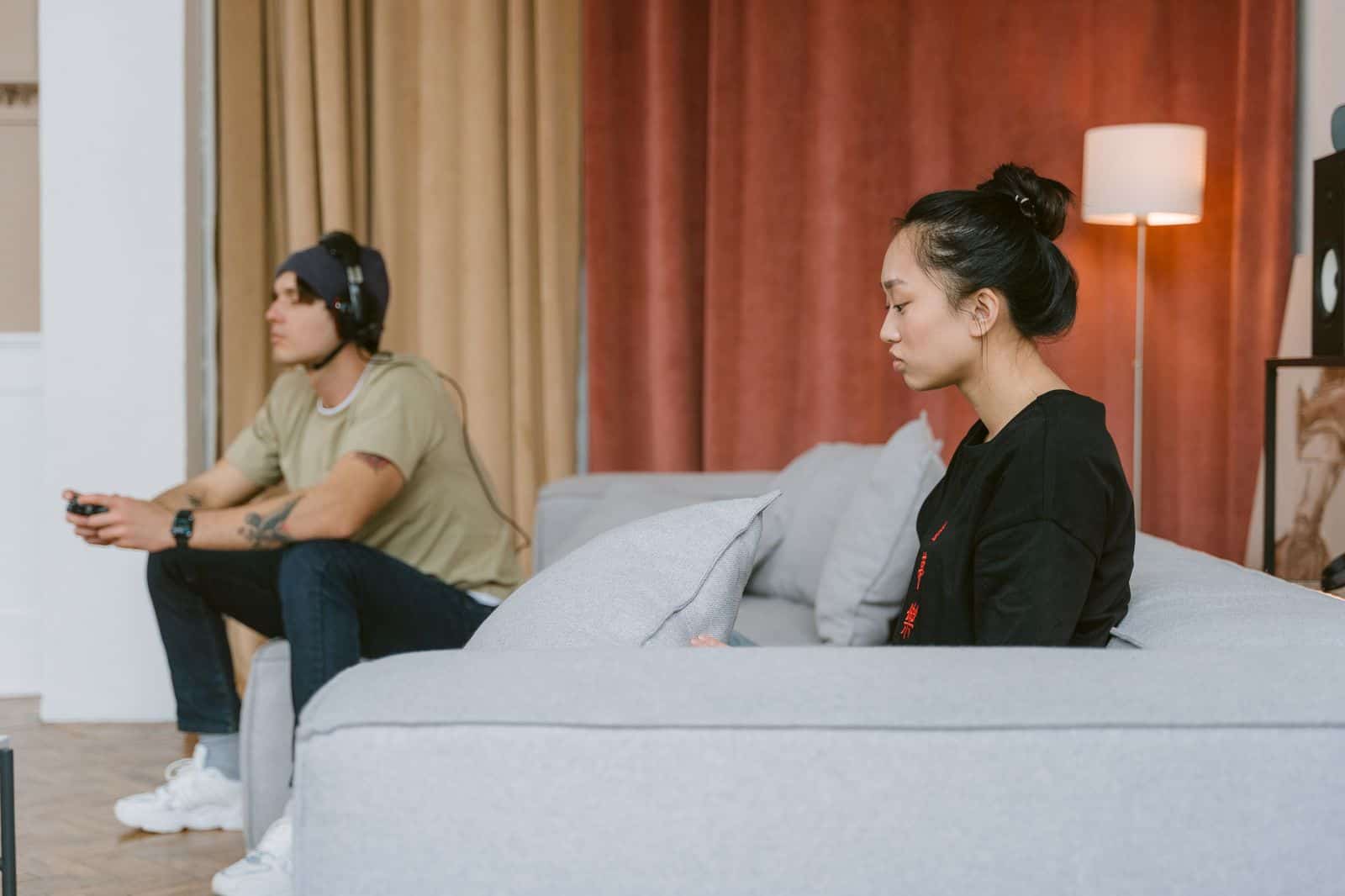
Sitting on the couch while a partner navigates intense digital battlegrounds is a common bonding ritual for many modern couples. A woman might patiently watch the screen for hours, asking thoughtful questions about game strategies and celebrating difficult virtual victories.
Eventually, the novelty of watching a digital avatar run through identical corridors for an entire afternoon wears thin. As partners grow more secure, many couples renegotiate how much time they spend on shared versus separate hobbies.
A wife is more likely to pick up a book or head into another room rather than serve as a permanent audience member, allowing the gaming station to remain a beloved solo hobby rather than a primary couple activity.
Overwhelming Family Traditions
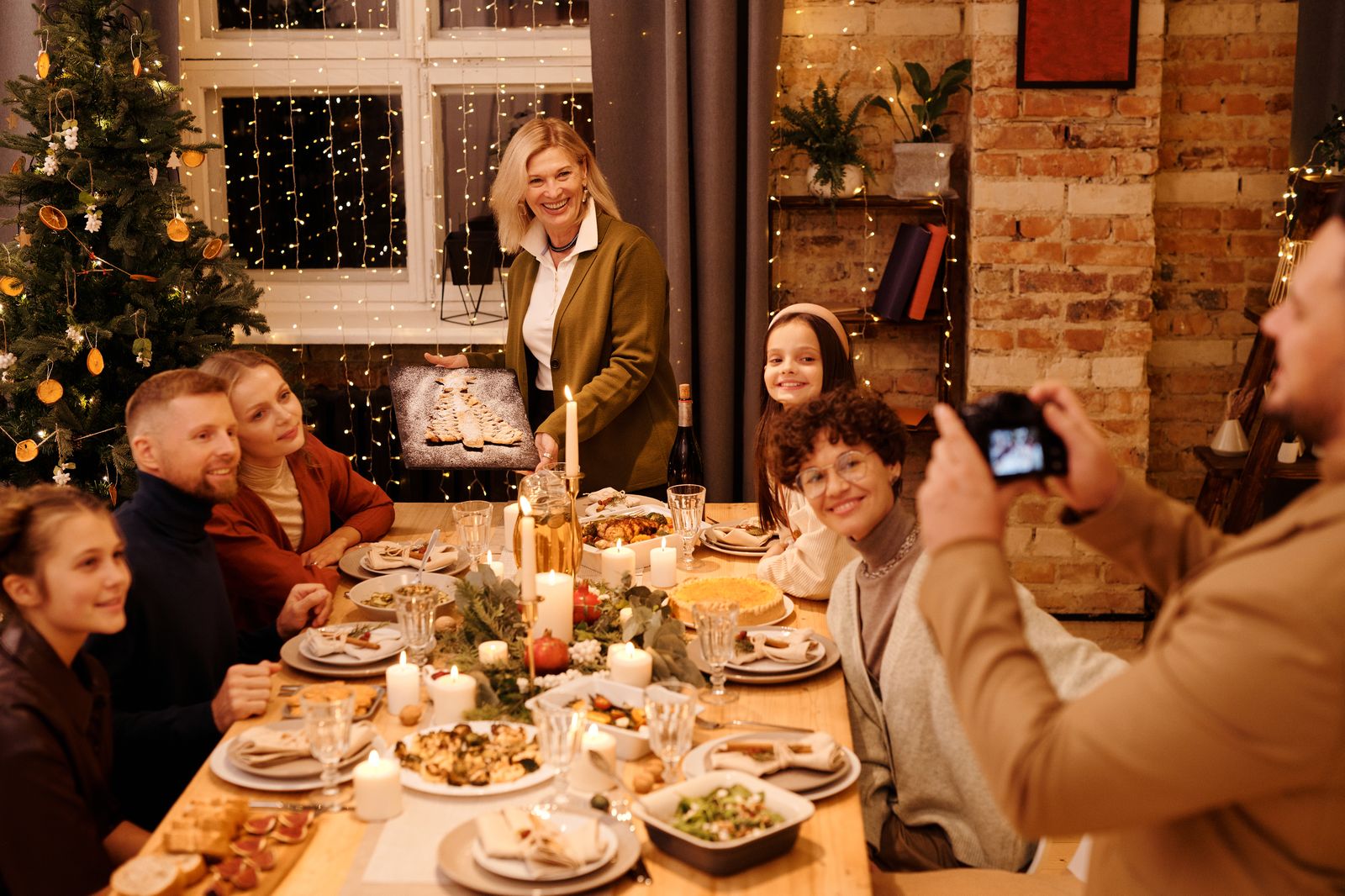
Attending every single holiday dinner and birthday celebration with a partner’s extended family is an essential part of early dating protocol. A woman will often smile through hours of awkward interrogation and eat unfamiliar dishes without displaying a single hint of hesitation.
This dedication shows the incoming family that she is fully committed to honoring their established cultural structures. Establishing a new independent household typically brings a strong desire to create distinct, private traditions for the immediate couple.
Family research shows that newly married partners often renegotiate holiday schedules and boundaries after the wedding, balancing in‑law expectations with their own emerging rituals. While extended family gatherings remain important, the pressure to attend every minor event relaxes significantly, helping protect the new union from burnout.
Action Movie Marathons

Nodding through explosive car chases and predictable superhero storylines is a small price to pay for cuddling on the couch. Many women master the art of looking thrilled by massive digital explosions and convoluted sci‑tech plots that they find utterly exhausting. This shared screen time is an easy way to unwind together after a stressful week at the office.
As the relationship matures, television viewing habits tend to become a more balanced negotiation between different tastes. Couples often report higher long‑term satisfaction when shared media time includes content both partners actually enjoy. The remote control starts to rotate more evenly, opening the door for gripping dramas, documentaries, or lighthearted comedies instead of endless action sequels.
Spontaneous Unplanned Outing Cycles
Saying yes to midnight drives and sudden, last-minute weekend road trips feels incredibly romantic and adventurous when a relationship is fresh. A woman will often drop her carefully organized plans in a heartbeat to ride the wave of his spontaneous energy. This flexible attitude projects an aura of carefree fun that keeps the early dating days feeling highly vibrant.
The logistical reality of managing a shared household budget and busy work schedules eventually makes planning look surprisingly attractive. Relationship scholars have noted that couples who intentionally build routines and habits of connection into daily life often feel more stable and less stressed over time. Spontaneity still matters, but knowing what is for breakfast and how the week will unfold provides a comfort that makes the relationship easier to maintain.
Gourmet Kitchen Experiments

Praising a partner’s overly ambitious and occasionally disastrous culinary creations is a gentle act of love that keeps confidence high. A woman might enthusiastically chew through a burnt or bizarrely spiced experimental dinner, claiming it tastes like a professional restaurant dish.
The dynamic shifts toward practical, once-daily meal preparation as a core component of running a shared home together. Home research on food preparation has found that people who spend more time cooking at home tend to eat out less and rely less on fast food, suggesting that routines built around simple, reliable meals can support both health and budgets.
Honest feedback delivered with humor leads to a dependable recipe rotation, turning cooking into a comfortable, collaborative routine instead of a constant high‑stakes experiment.
Heavy Fast Driving

Riding in a vehicle with a partner who loves to show off horsepower can elicit polite nods and feigned excitement from the passenger seat. A girlfriend might smile as the engine roars, hiding the fact that her stomach is doing continuous flip-flops down the highway. She plays along with the thrill, mirroring his enthusiasm for automotive performance and mechanical engineering.
This quiet anxiety usually transforms into a direct demand for safety once long-term family planning enters the conversation. The desire for a smooth, predictable commute quickly outweighs any need to pretend that fast driving is still fun, keeping everyone in the car calmer and safer.
Intricate Technical Shop Talk

Listening to detailed monologues about corporate software architecture, mechanical engineering details, or complex financial trading algorithms requires a lot of focus. A woman will often maintain direct eye contact and nod encouragingly, pretending she follows every single piece of professional jargon.
While she remains his biggest professional cheerleader, the expectation to act as a sounding board for every technical detail eventually softens. Over time, many couples report feeling closer when everyday conversations balance work topics with personal emotions, shared interests, and simple daily stories.
Extravagant Subscribed Gifting
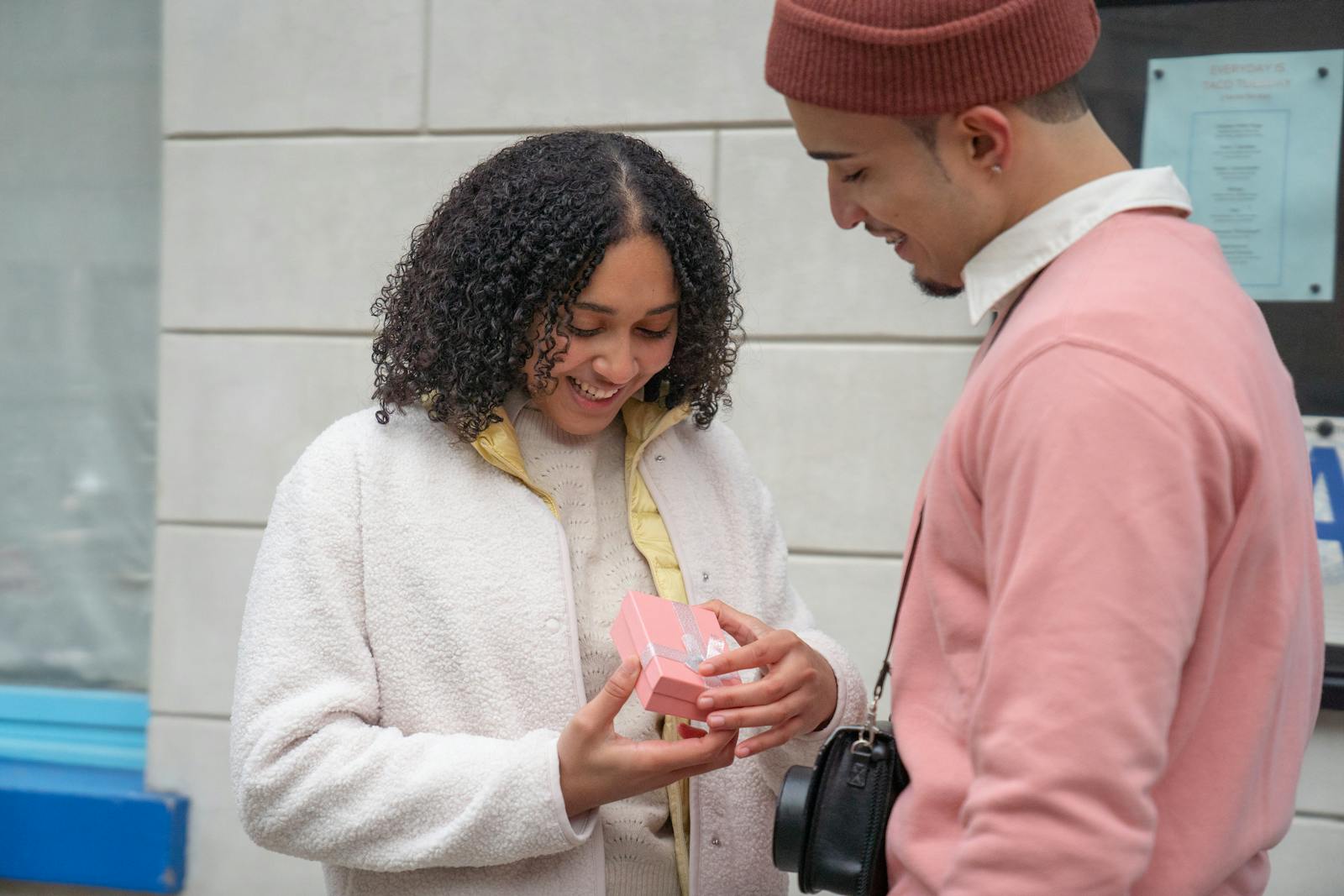
Receiving overly expensive, flashy, or highly impractical gifts during the courtship phase can put a woman in a delicate social position. She will squeal with delight over a designer item that does not match her personal style at all, hiding the internal guilt. This enthusiastic reaction ensures that his generous spirit feels completely validated and appreciated.
Once the couple begins combining their funds into a single account, their spending habits become much clearer. Financial counselors frequently note that money stress and mismatched spending styles are major sources of tension for couples. Open conversations about money can strengthen teamwork in relationships.
Massive Social Hosting

Playing the role of the ultimate party hostess every weekend can look like natural charisma when a woman is trying to impress a partner. She will spend hours prepping the house, mixing drinks, and making small talk with casual acquaintances without showing any fatigue.
The continuous hosting cycle often slows down significantly as the realities of daily married life demand more quiet downtime. Many couples discover that smaller gatherings and deeper one‑on‑one connections feel more sustainable than constant big events.
A shift that aligns with broader findings that the quality of interaction often matters more than quantity once relationships move past the early performance stage. Protecting the peace of the home becomes a shared priority that easily outweighs the desire for nonstop social performance.
Key Takeaway
A comprehensive look at research on newlywed adjustment shows that it is extremely common for people to soften or stretch their preferences during courtship, then slowly return to more authentic patterns as the relationship stabilizes.
Dropping the polite pretenses that characterize the early dating phase is, therefore, a completely normal and healthy milestone for any evolving couple. Real intimacy is never built on a flawless performance of identical interests, but on the mutual respect partners show for each other’s boundaries and genuine tastes.
Disclaimer – This list is solely the author’s opinion based on research and publicly available information. It is not intended to be professional advice.
Like our content? Be sure to follow us