Why Hanukkah’s eight nights feel like a gift
As December crowds with high-pressure holidays, Hanukkah stands out by transforming eight ordinary evenings into the season’s most reliable refuge of warmth and togetherness.
Some holidays thunder through the calendar with overwhelming plans and expectations. Hanukkah does the opposite. It arrives quietly and settles in like a comforting presence, lingering across eight nights rather than demanding everything all at once.
For many families, the menorah becomes the warmest focal point of winter. Gentle candlelight replaces harsh overhead bulbs. Voices soften. Meals become slower. Games spread across coffee tables. Children hover with anticipation as they wait to light the next candle. Hanukkah does not push perfection or pageantry. It invites routine, coziness, and shared time when days are shortest and nights feel longest. That slow unfolding makes it one of the most emotionally grounding holidays of the season.
The Power of Repetition
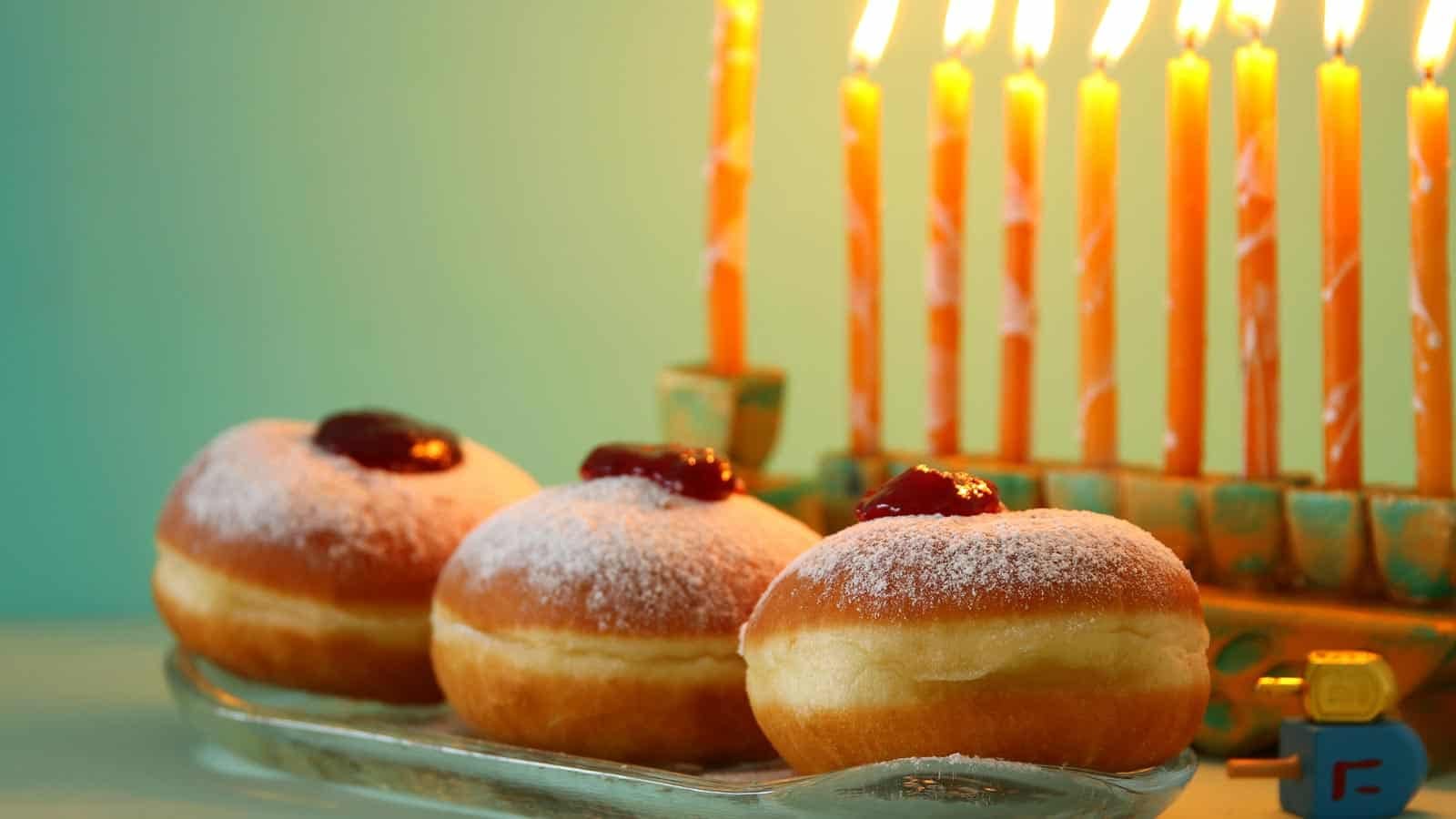
What gives Hanukkah its cozy energy is repetition. Lighting candles night after night builds a comforting rhythm that anchors families during otherwise chaotic weeks. Each evening has a similar shape. Gather. Bless. Light. Eat. Talk. Laugh.
In a world where everyone rushes from obligation to obligation, knowing that tomorrow brings another candle lighting creates something unexpectedly soothing. The stability matters. The repetition tells children and adults alike that consistency is its own comfort.
Candlelight as Atmosphere
Few things change a room’s emotional temperature like candlelight. The glow of a menorah instantly softens everything it touches. Even ordinary living rooms feel calmer. Conversations slow. Eyes rest on dancing flames rather than glowing screens.
Families often speak of how the nightly ritual pulls people into the same physical space. Phones stay pocketed longer. People linger at tables. Silence feels natural rather than awkward.
Those moments of simply watching fire flicker together build connection without conversation. Presence becomes the shared experience.
Dreidel Nights and Gelt Giggles
Games are another cozy pillar of Hanukkah gatherings. Dreidel requires nothing elaborate. Just a small spinning top and a few coins or treats.
The game invites participation across ages. Toddlers laugh when pieces fall everywhere. Teenagers adopt mock competitive flair. Grandparents patiently cheer from the sidelines. The simplicity keeps things lighthearted.
There is little at stake. Winning means handfuls of candy or pennies. Losing invites playful groans. The point is shared laughter. The game becomes a social glue bridging generations.
Food as Comfort Cuisine
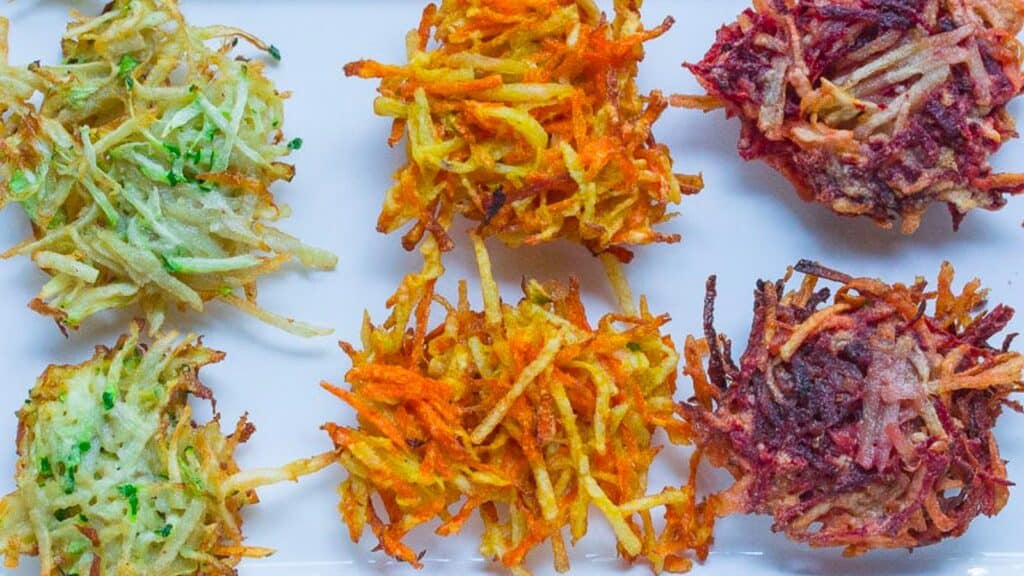
Hanukkah foods are not subtle. Fried potatoes crackle. Doughnuts ooze jam. Kitchens fill with comforting aromas that feel distinctly winter appropriate.
Unlike heavily scheduled holiday meals, Hanukkah dinners tend to land closer to weeknight rhythms. Families eat between school drop offs and work deadlines. Meals are casual. Platters pass easily across tables. Pants remain forgiving.
The emotional impact lies not in formality but warmth. Food becomes a tool of decompression after exhausting days. No perfection required.
Storytelling by Candlelight
Without packed schedules, Hanukkah naturally becomes a storytelling holiday. As candles burn, conversation shifts easily to memory sharing.
Parents retell stories of their own childhood candle mishaps. Grandparents discuss the first menorah they ever owned. Family members recall nights spent singing too loudly or forgetting blessings halfway through.
Those stories reinforce continuity. Children hear that their experiences fit into a long mosaic of shared family moments. Tradition becomes alive, not static.
Gentle Opportunities for Teaching
Hanukkah allows for low pressure cultural education. Children absorb ritual by participating rather than attending lectures. They learn blessings through repetition. Symbols imprint naturally. History emerges through casual conversation.
There is no need to sit down for formal lessons. Learning happens between bites and laughter. That organic experience keeps tradition emotionally accessible.
An Antidote to Holiday Overload
For many families, Hanukkah offers relief from December exhaustion. Unlike single frantic holiday dates, its extended format provides breathing room.
Miss one night due to work or travel. No stress. There are more candles waiting tomorrow. The celebration flexes to real life rather than fighting it.
That flexibility nurtures relaxed joy instead of pressure filled joy. People show up as they are, not as they wish they could be.
Creating Intimate Traditions
Some families introduce nightly variations. One night features stories. Another includes scavenger hunts for gelt. Some families share nightly gratitudes while watching the candles.
These traditions deepen emotional attachment. Hanukkah becomes personalized rather than scripted.
Children grow up associating the holiday with security and creativity rather than obligation.
Why Cozy Matters
In the darkest stretch of the year, humans need light and warmth on more than visual wavelengths. Emotional illumination matters too. Hanukkah supplies it gently.
Eight nights of calm gathering counter seasonal loneliness. For families fractured by deadlines or distance, the menorah becomes a magnetic center drawing people back home, even briefly.
Coziness is not fluff. It is emotional nourishment.
When the Candles Fade
When the eighth night ends, the holiday slips away quietly. But its emotional echo remains.
Families have shared dozens of moments rather than one overwhelming day. Those accumulated connections feel deeper. The season continues with a softer heart.
Ultimately, Hanukkah reminds us that the most meaningful celebrations are not the loudest. They are the ones that bring people back to the same table night after night and leave them feeling warmed long after the last flame fades.
Why Jews Don’t Accept Jesus As The Messiah: 10 Key Theological Differences
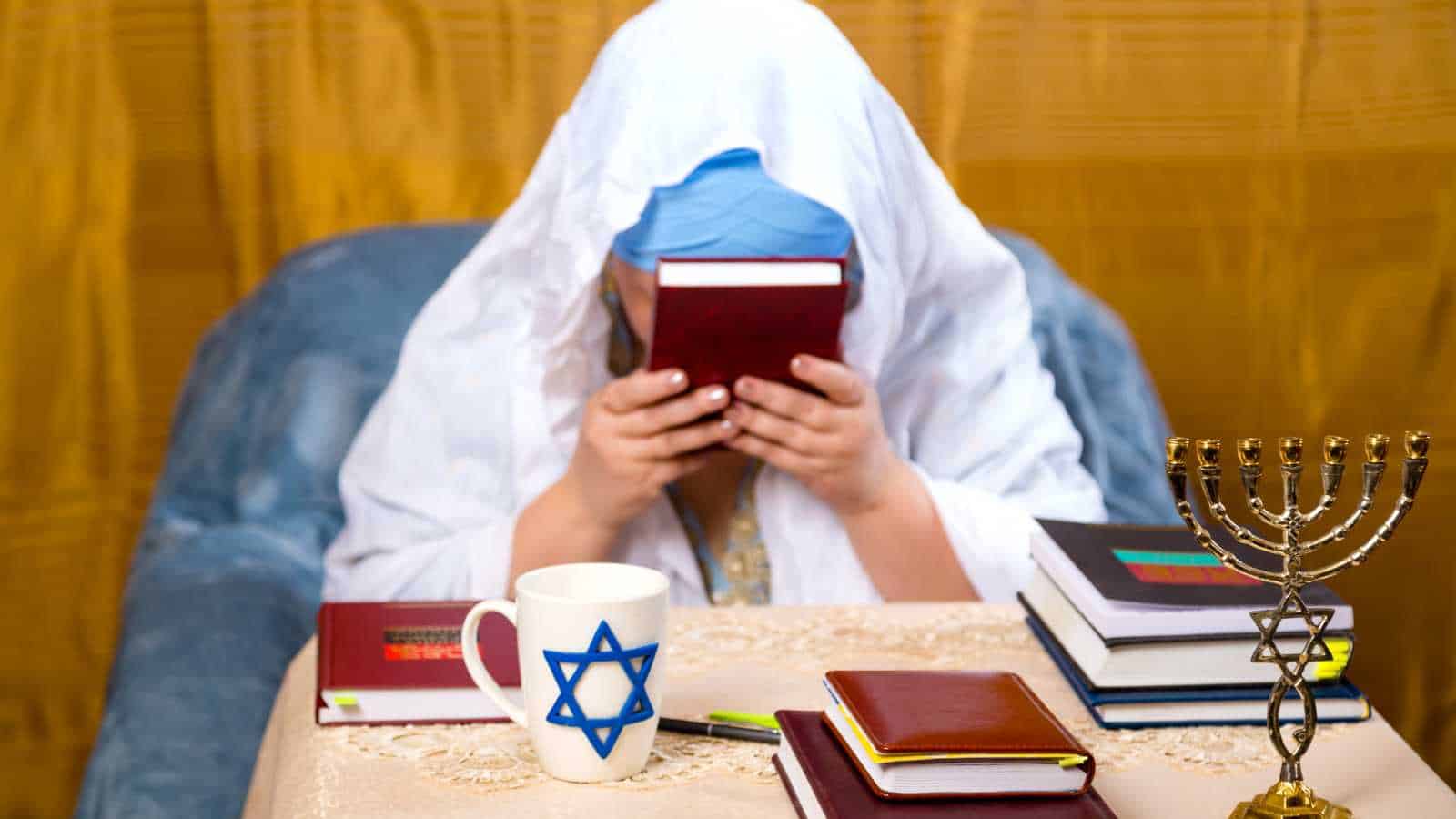
For two thousand years, this has been the elephant in the room of Western religion. You’ve probably wondered about it. Maybe you saw a “Jews for Jesus” ad on the subway, or perhaps you just watched a history doc and thought, “Wait, Jesus was Jewish, so why didn’t his own people get on board?” It’s the ultimate theological cliffhanger. Learn more!