10 economic indicators that are flashing red
It might not feel like a crisis yet, but if your money feels tighter every month, you’re sensing the same warning signs flashing across the economy.
The so-called soft landing we were promised appears to have hit turbulence that few policymakers anticipated just a couple of years ago. While the official data points to a stabilizing economy, the reality on the ground feels much heavier for the average family trying to balance a checkbook. We are seeing a disconnect between yesterday’s optimistic headlines and today’s financial squeeze, leaving many wondering whether the storm has truly passed.
You can feel the tension in the aisles of the grocery store and the hushed conversations about layoffs at the water cooler. It is no longer just about the price of eggs or gas; it is about the structural cracks that are beginning to appear in the broader market’s foundation. Economists are beginning to whisper about warning signs that were previously ignored, suggesting that this year might be a bumpy ride for your wallet.
The Commercial Real Estate Maturity Wall

Office buildings standing empty in downtown districts are not just eyesores; they are financial time bombs waiting to go off. A massive wave of commercial real estate debt is coming due this year, and refinancing these loans will be extremely expensive for property owners. Landlords are stuck between a rock and a hard place, facing higher interest rates at a time when fewer companies want to rent big office spaces.
This situation places significant pressure on regional banks that hold many of these commercial mortgages. According to PBMares data, more than $1.5 trillion in commercial real estate loans will mature by the end of 2026, creating a significant capital shortage. If these property owners default, we could see a ripple effect that tightens lending for small businesses and slows local economies nationwide.
Credit Card Delinquencies Are Rising

Plastic debt has become a crutch for millions of Americans who have exhausted their cash reserves battling inflation over the last three years. We are seeing a concerning trend: families are not only carrying balances but also falling behind on payments entirely. This suggests that the financial buffer many households built up during the pandemic has completely evaporated.
Lenders are tightening their belts and reducing credit limits to protect against losses. TransUnion projects that serious credit card delinquency rates will sit at a stubborn 2.57% throughout 2026, signaling that financial distress is becoming the new normal for a significant slice of the population. When people cannot pay their Visa bill, it is usually a sign that they are choosing between debt payments and essentials like food or rent.
The Personal Savings Rate Is Vanishing
The rainy day funds that many Americans worked hard to build are drying up faster than a puddle in the Arizona sun. With the cost of living remaining stubbornly high, monthly paychecks are being consumed by basic necessities, leaving little to set aside for the future. This lack of savings leaves households highly vulnerable to unexpected shocks, such as a medical emergency or a car repair.
Economists worry that this depletion of reserves will eventually force a sharp pullback in consumer spending, which is the engine of the economy. Trading Economics projects the personal savings rate at around 3.9% in 2026, less than half the historical average of roughly 8% in previous decades. Without a cushion, the American consumer is walking a tightrope with no safety net.
Corporate Bankruptcies Are Ticking Up

It is not just households that are feeling the pinch; businesses are throwing in the towel at an accelerating rate. Companies that survived on cheap money for the last decade are finding that they cannot survive in this environment of higher borrowing costs. We are seeing household names and small mom-and-pop shops alike filing for Chapter 11 protection as their debt burdens become unsustainable.
The rise in insolvencies is a clear signal that the “extend and pretend” strategy used by many corporate boards is running out of road. Global bankruptcies are expected to rise by another 3% in 2026 following a sharp increase last year, according to a recent report by Allianz Trade. This trend threatens to increase layoffs and reduce the variety of goods and services available to consumers in the marketplace.
Global Growth Is Hitting The Brakes
The United States does not exist in a vacuum, and the slowdown overseas is starting to affect American shores. Major economies in Europe and Asia are struggling with their own debt crises and demographic cliffs, which reduces demand for American exports. When our trading partners sneeze, the American manufacturing and export sectors risk catching a cold.
Supply chains are also facing renewed friction as geopolitical tensions flare up in key shipping lanes. Reuters reports that global growth is set to slow to just 2.7% in 2026, a sluggish pace that leaves little room for error. A stagnant global economy means fewer opportunities for American multinationals to grow their earnings, which eventually impacts stock prices here at home.
Interest Payments On National Debt

The federal government is paying the price for years of borrowing, quite literally, as interest payments on the national debt skyrocket. A significant share of tax revenue that could go toward infrastructure or education is now being directed solely to service bondholder interest. This limits the government’s ability to respond to future crises because the national credit card is nearly maxed out.
Bond vigilantes are keeping a close eye on Washington, punishing any fiscal irresponsibility with higher yields. Trading Economics reports that the average interest rate on 10-year Treasury notes is 4.17% in 2026, further straining the federal budget. This creates a vicious cycle where the government must borrow more just to pay the interest on what it already owes.
Housing Affordability Remains Tight

The dream of homeownership feels more like a mirage for the younger generation as prices remain stubbornly high. Even though mortgage rates have stabilized, they have settled at a level that makes monthly payments unaffordable for the median income earner. Sellers are staying put to maintain their legacy low rates, which keeps inventory artificially low and prices stubbornly high.
This gridlock is freezing the housing market, preventing people from moving for jobs or upgrading as their families grow. Real estate experts note that while price growth has slowed, the combination of high rates and high asking prices means affordability is at its lowest point in decades. Until something gives, millions of potential buyers are stuck in the rental trap, unable to build equity.
Unemployment Is Creeping Higher
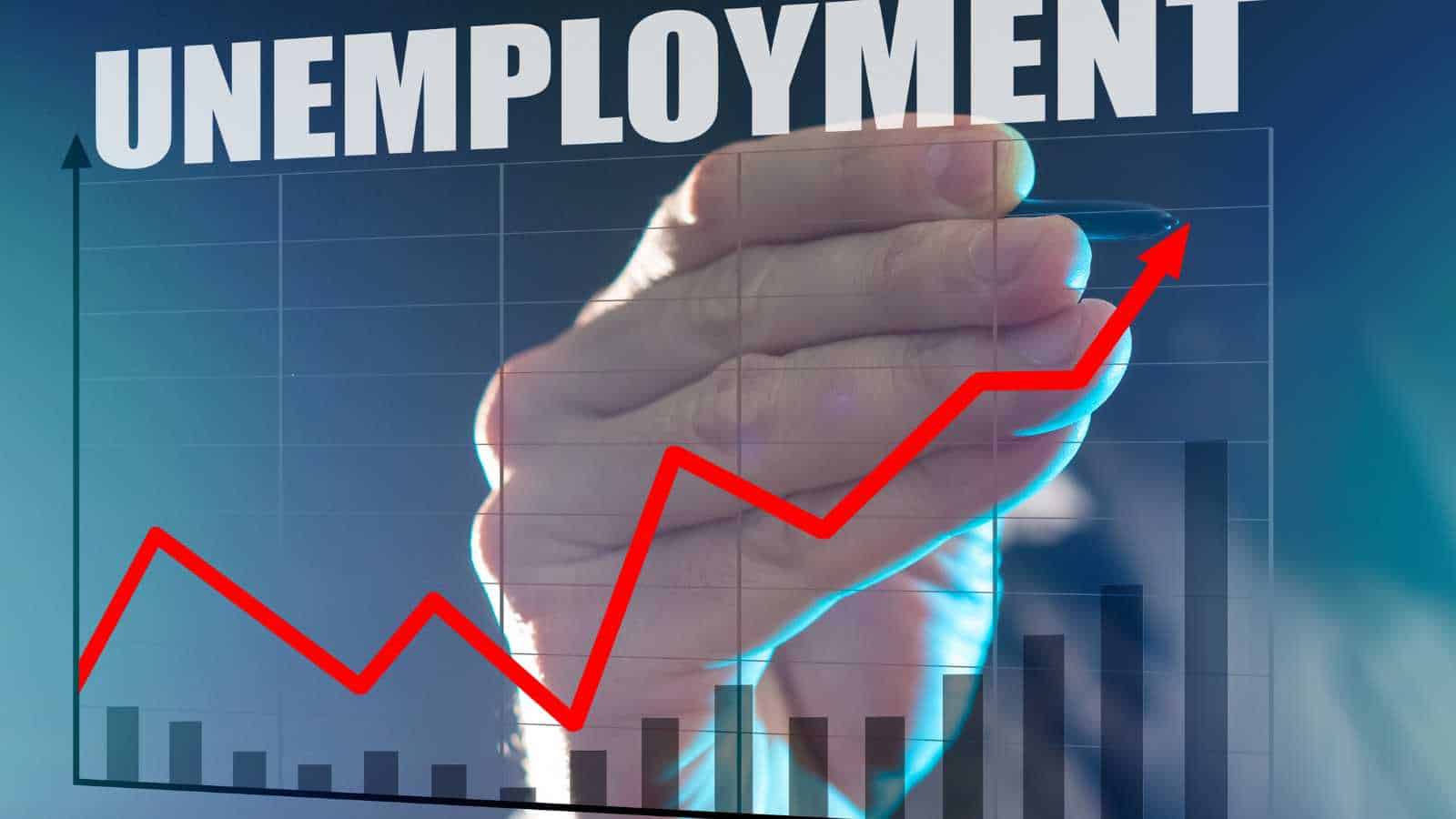
The labor market has long been a bright spot in the economy, but the lights are starting to flicker. We are seeing a gradual uptick in jobless claims and a slowdown in hiring as companies try to protect their profit margins. It is not a sudden crash, but rather a slow erosion of worker bargaining power and job security.
Employers are becoming pickier, taking longer to fill roles, and relying more on part-time or contract workers to avoid long-term commitments. The American Action Forum reports that CBO projects the unemployment rate will rise to 4.6% by the end of 2026, indicating that the labor market is cooling. A softening job market usually precedes a drop in consumer confidence, creating a self-fulfilling prophecy of economic weakness.
Inflation Is Stubborn

While headline inflation has come down from its peaks, service prices remain persistently high. You see this every time you pay for car insurance, medical care, or a simple haircut; the prices go up and never seem to come back down. Central bankers are finding it incredibly difficult to stomp out this last mile of inflation without causing a recession.
This “sticky” inflation erodes wage gains, meaning that even if you got a raise, you might feel poorer than you did a year ago. Core inflation measures hovered around 2.7% in 2025, remaining above the Federal Reserve’s 2% target. This forces the Fed to keep interest rates higher for longer, which acts as a brake on the entire economy.
Consumer Confidence Is Wobbly

The most dangerous indicator of all is how people feel about their own financial future. Surveys show a growing sense of pessimism among families as they face shrinking savings and rising bills. When people feel poor, they stop spending, and in a consumption-driven economy, that pullback can trigger a downturn.
It is a psychological game as much as a financial one, and right now, the mood is decidedly somber. There is a pervasive sense that the system is rigged against the little guy, leading to a cautious approach to spending that could stifle growth. If this sentiment becomes entrenched, it could turn a slow patch into a full-blown contraction.
15 Things Women Only Do With the Men They Love

The 15 Things Women Only Do With the Men They Love
Love is a complex, beautiful emotion that inspires profound behaviors. We express our love in various ways, some universal and others unique to each individual. Among these expressions, there are specific actions women often reserve for the men they deeply love.
This piece explores 15 unique gestures women make when they’re in love. From tiny, almost invisible actions to grand declarations, each tells a story of deep affection and unwavering commitment.