10 most intelligent animals on Earth
Intelligence wears many faces, and some of the planet’s sharpest minds don’t walk on two legs at all.
We often look at our own species as the pinnacle of brilliance, yet the animal kingdom is packed with thinkers that rival our own abilities. From the depths of the ocean to the canopy of the rainforest, creatures everywhere demonstrate problem-solving skills, memory, and emotional depth that science is just beginning to understand.
These animals do not just survive in their environments; they manipulate tools, communicate in complex ways, and even show signs of self-awareness that were once thought to be exclusively human traits. It turns out that being smart comes in many different shapes, sizes, and species across the globe.
Chimpanzee

Our closest living relatives share nearly all of our DNA, so it is no surprise they sit at the top of the class when we talk about animal intelligence. A December 2024 study from the University of Oxford found that wild chimpanzees organize their tool-use actions into sequences that statistically match the complexity of human behavior. They do not just pick up a stick; they plan, modify the tool for the specific job, and pass these skills down to their young through careful observation.
Socially, chimps are just as impressive, forming tight-knit communities where political alliances and friendships matter just as much as brute strength. They mourn their dead, hold grudges, and can even learn American Sign Language to communicate with researchers. Their ability to understand the mental states of others, a trait known as theory of mind, proves they are deep thinkers.
Bottlenose Dolphin

If you have ever watched a dolphin at an aquarium, you know a lot is going on behind those eyes, and science backs up that feeling. These marine mammals have brains that are actually larger than ours relative to their body size, which powers their incredible ability to process information. WDC research reveals that dolphins can recognize themselves in a mirror as early as seven months old, which is far earlier than human babies.
They also have a sophisticated language of clicks and whistles, with each dolphin having a specific signature whistle that acts like a name. They use this to call out to each other and coordinate hunting strategies that would make a football coach jealous. Dolphins demonstrate a level of cultural learning where distinct groups develop their own unique hunting techniques and pass them on to the next generation.
Elephant

Elephants are famous for their memories, but their intelligence goes far beyond just remembering where the nearest watering hole is located. They live in complex matriarchal societies where the oldest female leads with decades of wisdom, guiding the herd through droughts and danger. A NIH study showed that elephants can distinguish between different human languages and can even tell the gender and age of a human voice to determine if it poses a threat.
Their emotional intelligence is perhaps their most striking feature, as they are one of the few animals that show visible signs of grief and empathy. They will stay with a dying herd member for days and have been seen gently touching the bones of deceased elephants long after they have passed. This deep capacity for emotion suggests they possess a level of consciousness that is rare in the natural world.
African Grey Parrot

Do not let the “bird brain” insult fool you; the African Grey Parrot is a cognitive powerhouse that can outsmart many mammals. While most birds just mimic sounds, these parrots understand the meaning of the words they speak and can use them in the correct context. The Harvard Gazette confirms that African Grey parrots possess cognitive abilities equivalent to a 5-year-old human child, including the ability to use inferential reasoning.
They can identify colors, shapes, and quantities, and they can even express frustration or boredom if they are not mentally stimulated. One famous parrot named Alex could look at a tray of objects and tell you exactly how many green blocks were there, proving he was actually counting. Their ability to grasp abstract concepts like “zero” and “same versus different” sets them apart from almost every other creature with feathers.
Octopus

The octopus is the closest thing we have to an alien intelligence on Earth, with a nervous system that is completely different from ours. They have about 500 million neurons, but three-fifths of them are located in their arms rather than their brain, allowing their limbs to “think” independently. This decentralized brain allows them to solve complex puzzles, open jars from the inside, and escape even the most secure aquarium tanks.
They are also masters of disguise, able to change the color and texture of their skin in a split second to match their surroundings perfectly. This is not just instinct; it is a calculated decision based on visual input and an understanding of their environment. Some researchers believe octopuses even have a sense of humor, as they have been known to squirt water at specific people they do not like.
Border Collie

If you want a dog that can do your taxes, a Border Collie might be your best bet, as they are widely considered the smartest dog breed. They were bred to herd sheep, a job that requires intense focus, quick decision-making, and the ability to anticipate the movement of other animals. A Border Collie named Chaser set a world record by learning the names of 1,022 distinct toys, proving that dogs can understand language far better than we thought.
Their intelligence makes them amazing working dogs, but it also means they need constant mental stimulation to stay happy. They can learn a new command in under five repetitions and will often follow instructions before you even finish giving them. Owners often joke that these dogs are too smart for their own good, as they will figure out how to open doors and gates if they get bored.
Crow

Crows are the Einsteins of the avian world, capable of making tools, solving multi-step puzzles, and even recognizing human faces. If you annoy a crow, it will not only remember you, but it might also tell its friends to avoid you or dive-bomb you. New Caledonian crows are particularly famous for bending wires into hooks to fish out food from tight spaces, a feat that requires planning and an understanding of physics.
They also understand the concept of displacement, as shown in the fable of the crow and the pitcher, which real crows have passed in lab tests. They will drop stones into a tube of water to raise the level high enough to reach a floating treat. A 2025 commentary on Mongabay highlights a project where urban crows in India consistently chose favorite food rewards even when easier options were available, demonstrating advanced goal-directed behavior.
Pig
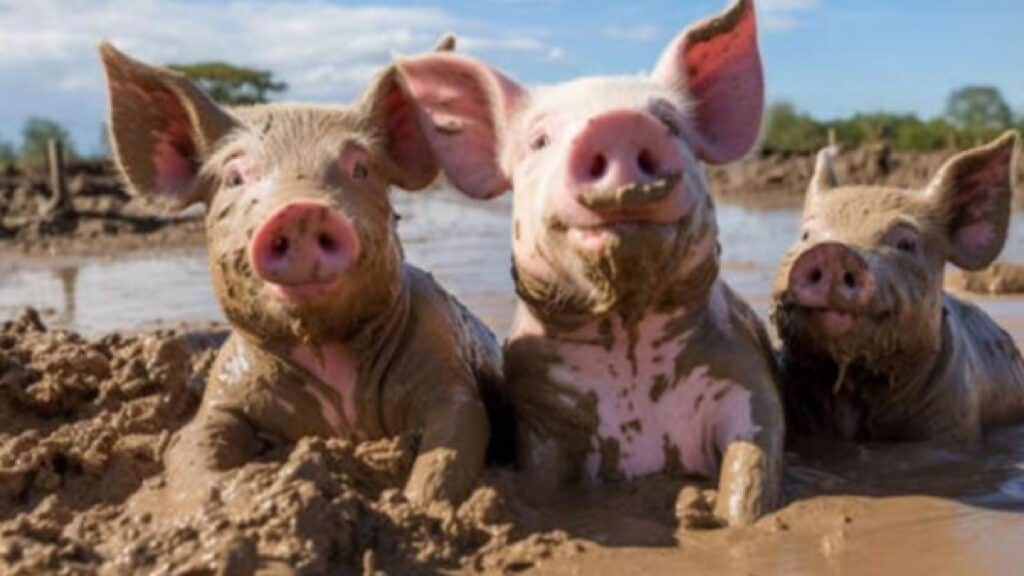
Pigs are often underestimated because of their reputation for being messy, but they are actually cleaner and smarter than most dogs. They have excellent long-term memories and can learn to navigate mazes, operate heaters, and even play simple video games. In a study published in Frontiers in Psychology, pigs hit targets on a video game screen with their snouts at a success rate of 76 percent.
They are also highly social animals that form close bonds with each other and love to play, often engaging in mock fights just for fun. They can learn their names by the time they are two weeks old and will come when called. Pigs are capable of deception and will intentionally mislead other pigs to keep a stash of food for themselves.
Orangutan
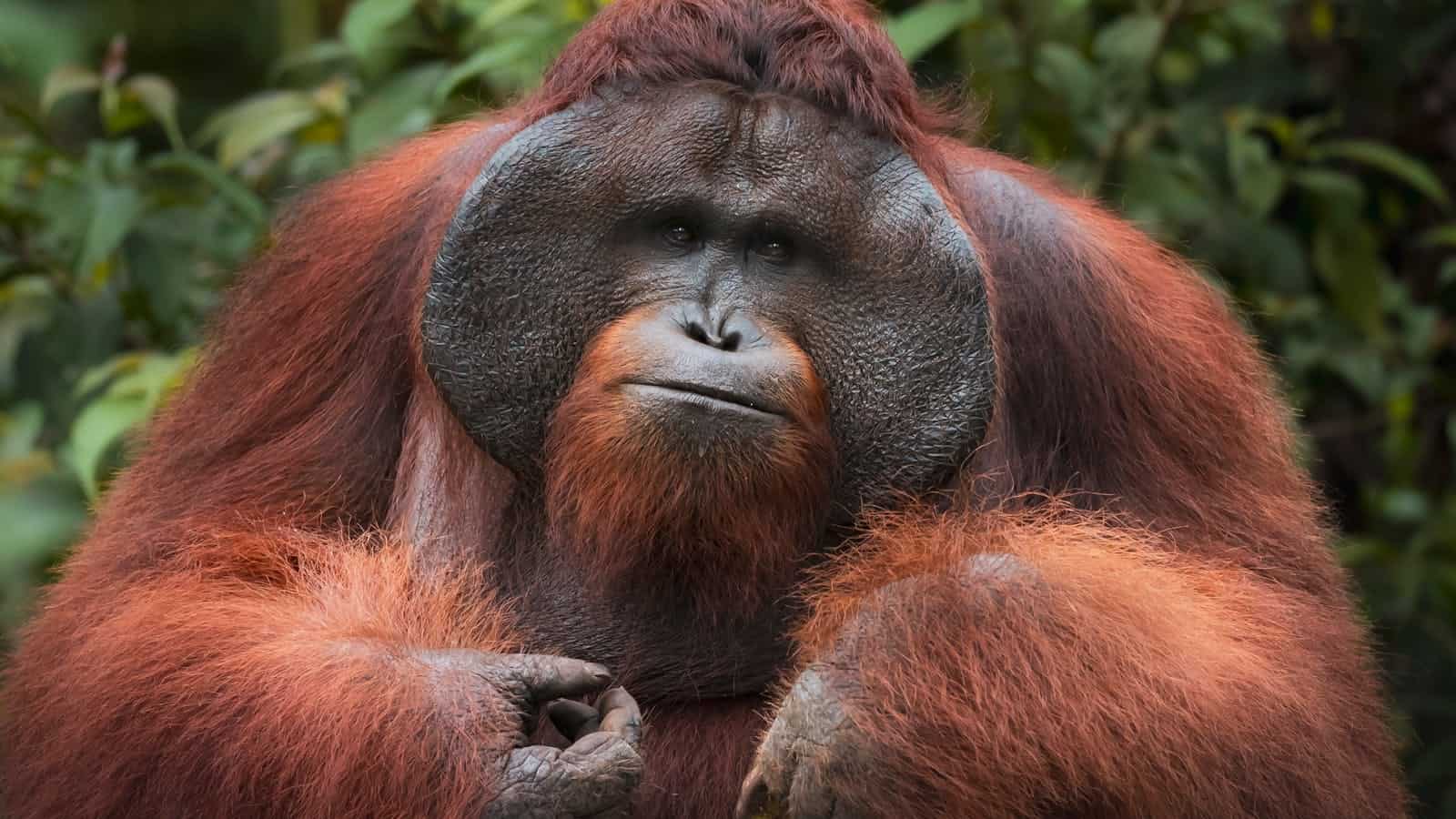
Orangutans are the quiet intellectuals of the great apes, preferring to observe and calculate before they make a move. They are incredibly patient problem solvers and are known for their ability to dismantle cages and pick locks using items they have hidden in their mouths. These red-haired apes share a massive amount of genetic material with humans and show an uncanny ability to learn by watching.
In the wild, they build elaborate sleeping nests high in the trees every single night, demonstrating a high level of engineering skill. They also pass knowledge down to their offspring, teaching them which foods are safe to eat and how to use leaves as napkins or gloves. Their solitary nature means they have to be self-reliant, which has driven the evolution of their remarkable ingenuity.
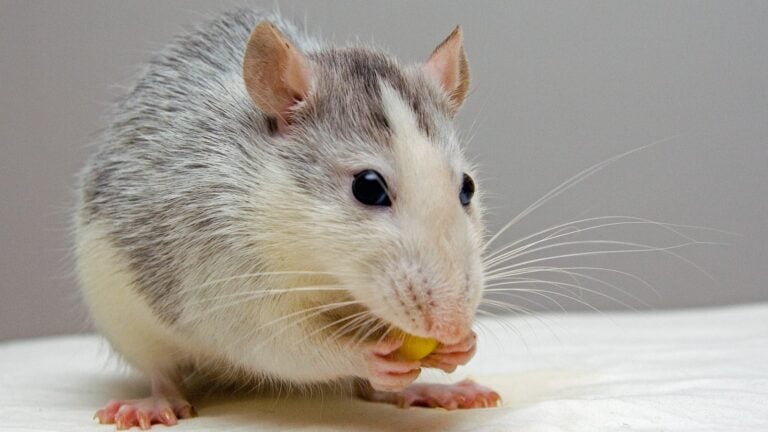
Rat

You might see them as pests, but rats are surprisingly intelligent and empathetic creatures that can learn tricks faster than many dogs. They have been used in psychology experiments for decades because their brains function very similarly to ours in many ways.
They can dream about the path they took through a maze earlier in the day, suggesting they have a complex memory and imagination. They are also ticklish and will let out ultrasonic giggles when they play with each other or with human handlers. Rats demonstrate a clear capacity for metacognition, meaning they can assess their own knowledge and decide if they know the answer to a problem.
Like our content? Be sure to follow us.