12 style habits high-value women avoid
High-value women don’t need a flashy outfit to turn heads; they let their style speak for itself. Their wardrobes are filled with timeless pieces that reflect their confidence, not the latest trend. According to a 2024 survey from Fashion Capital, 66% of women say the fit of their clothes affects their confidence more than anything else.
This statistic speaks volumes: once a woman feels at ease in her clothes and good in them, she gives an energy that nothing can compensate for. It is about style with quality and less quantity, confidence rather than compliance, and making your style personal regardless of the trends that come and go. It is time to explore the 12 style habits high-value women will never make to ensure their wardrobes are never stale, stuffy, or simple.
Chasing every trend
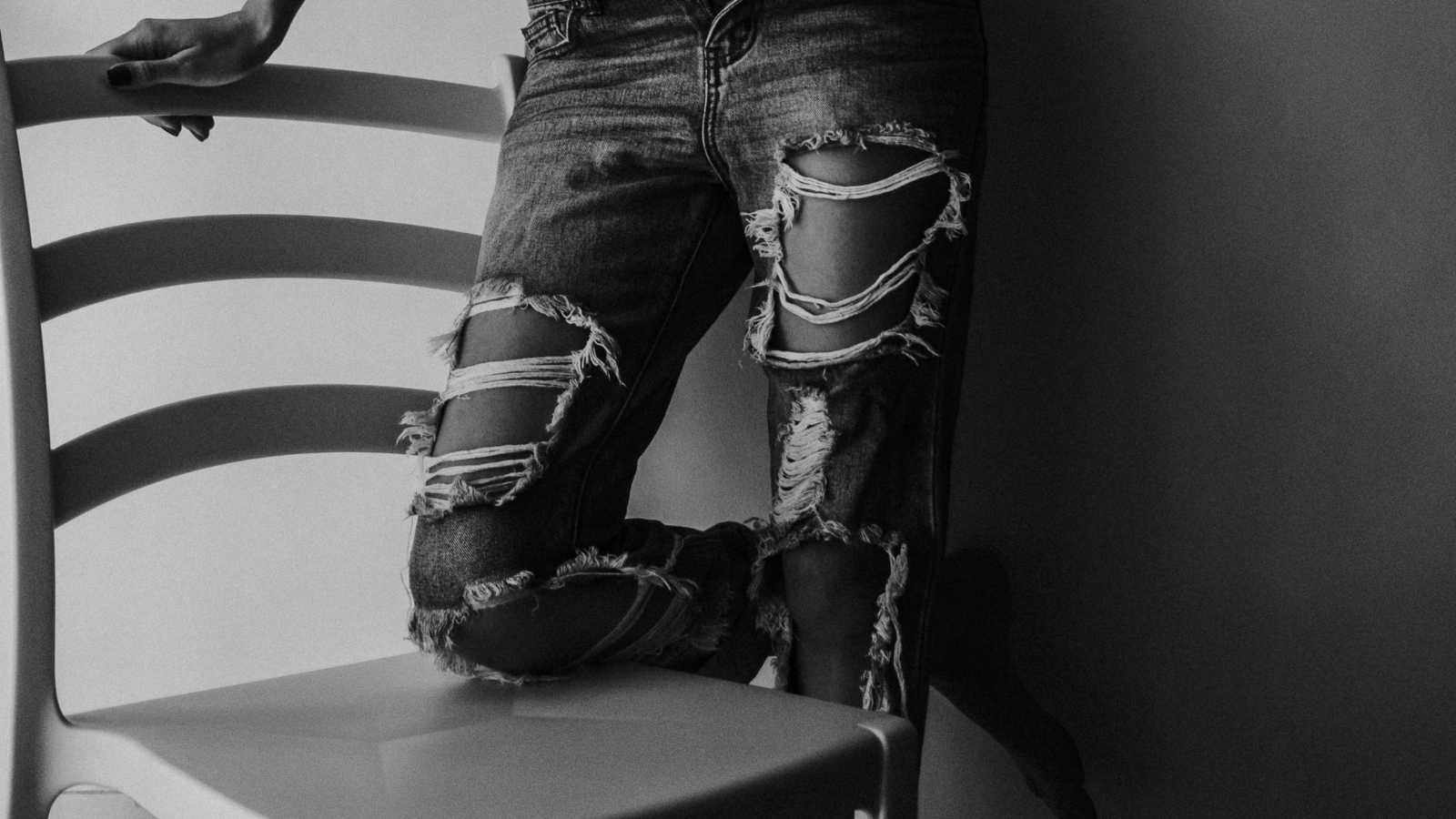
High-value women do not allow any new craze to tell them what to do. They understand that a closet full of noisy, haphazard purchases can always seem strangely vacant. They build on solid foundations, then incorporate a modern element without altering the overall appearance. That is the direction shoppers claim they would prefer at the moment.
In late 2025, Stitch Fix announced that over 60 percent of customers intended to spend on versatile items that could be worn across different occasions, and more than half of clients said that their 2026 wardrobe would include elevated basics with bold accents. That explains why the women who are spending intentionally are not throwing their money at every craze that passes their feeds. They are selecting fashions that bend, fit, and remain handy when the craze dies out.
Ignoring the fit
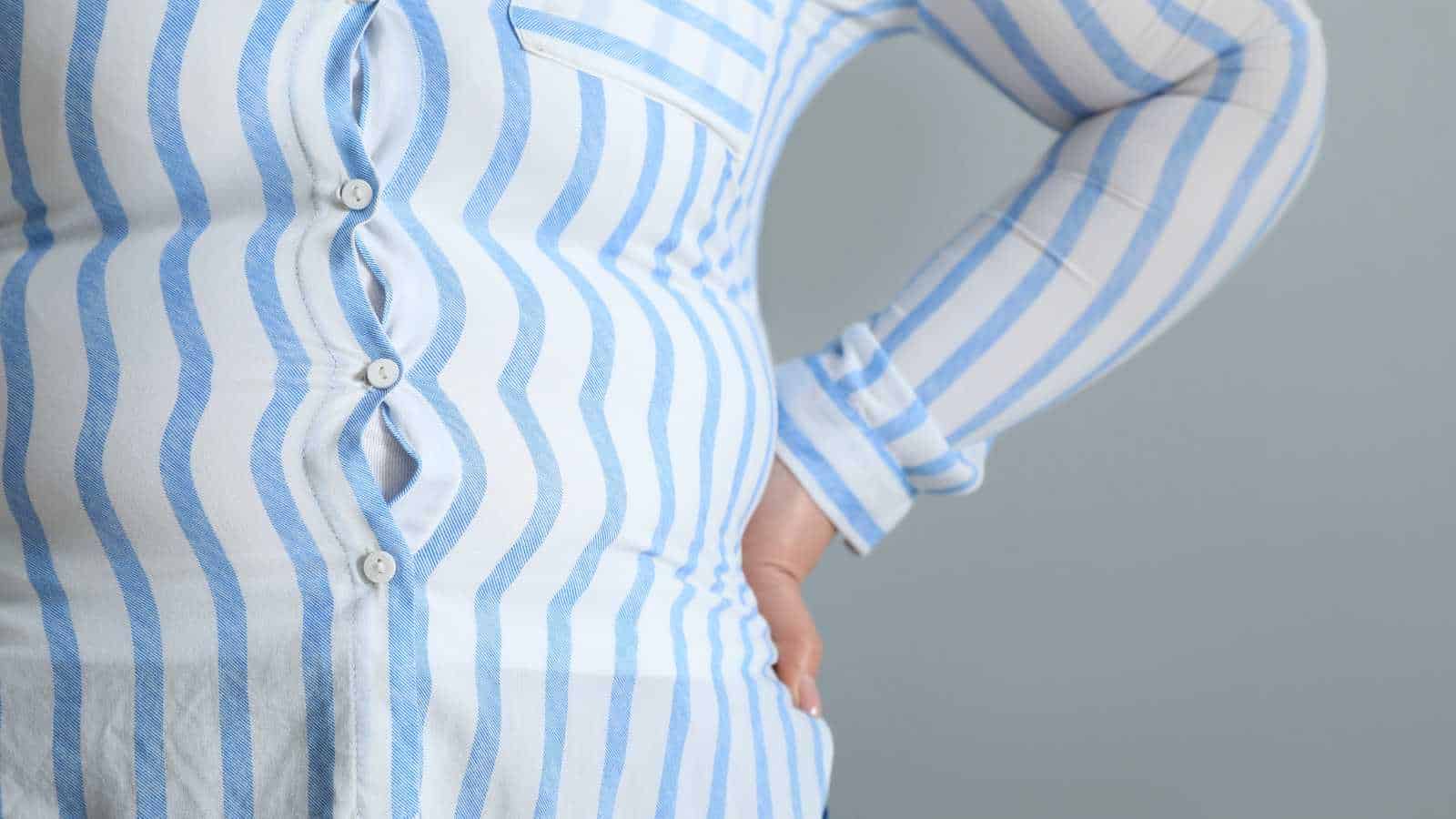
Women with high values do not wear clothes that cling, hang, or bunch. They know that a plain white shirt can look costly with the right fit, and an expensive dress may seem like a failure. They shop on their physique just the way it is, not the way it looks in a dream or on some old tag. They are also aware that tailoring is not an additional cost, but a strategy.
In 2024, Fashion Capital also reported that 66 percent of women said that fit was the parameter that most significantly influenced their confidence in their style preferences. That figure is logical since the right fit adjusts the position, movement, and mood in a single motion. When the cut is on, a woman no longer has to fuss with her clothes but can own the room.
Wearing labels too loudly

There is no need to have a logo that makes high-value women do all the talking. They know they can be branded, but they will not let a label overwhelm them. A huge monogram will draw attention to the woman wearing it, and that’s hardly ever an easy ride. Subtle polish tends to fall more than pronounced flexing.
In a 2025 study published in Frontiers, a positive relationship between logo complexity and luxury perception was statistically significant, with a correlation of r = 0.52, indicating that visual branding does play a role in how individuals perceive status. It is precisely because of this that women with strong style will season the dish rather than the entire meal. They desire their taste to impress first, and the brand name to come second.
Skipping the grooming basics
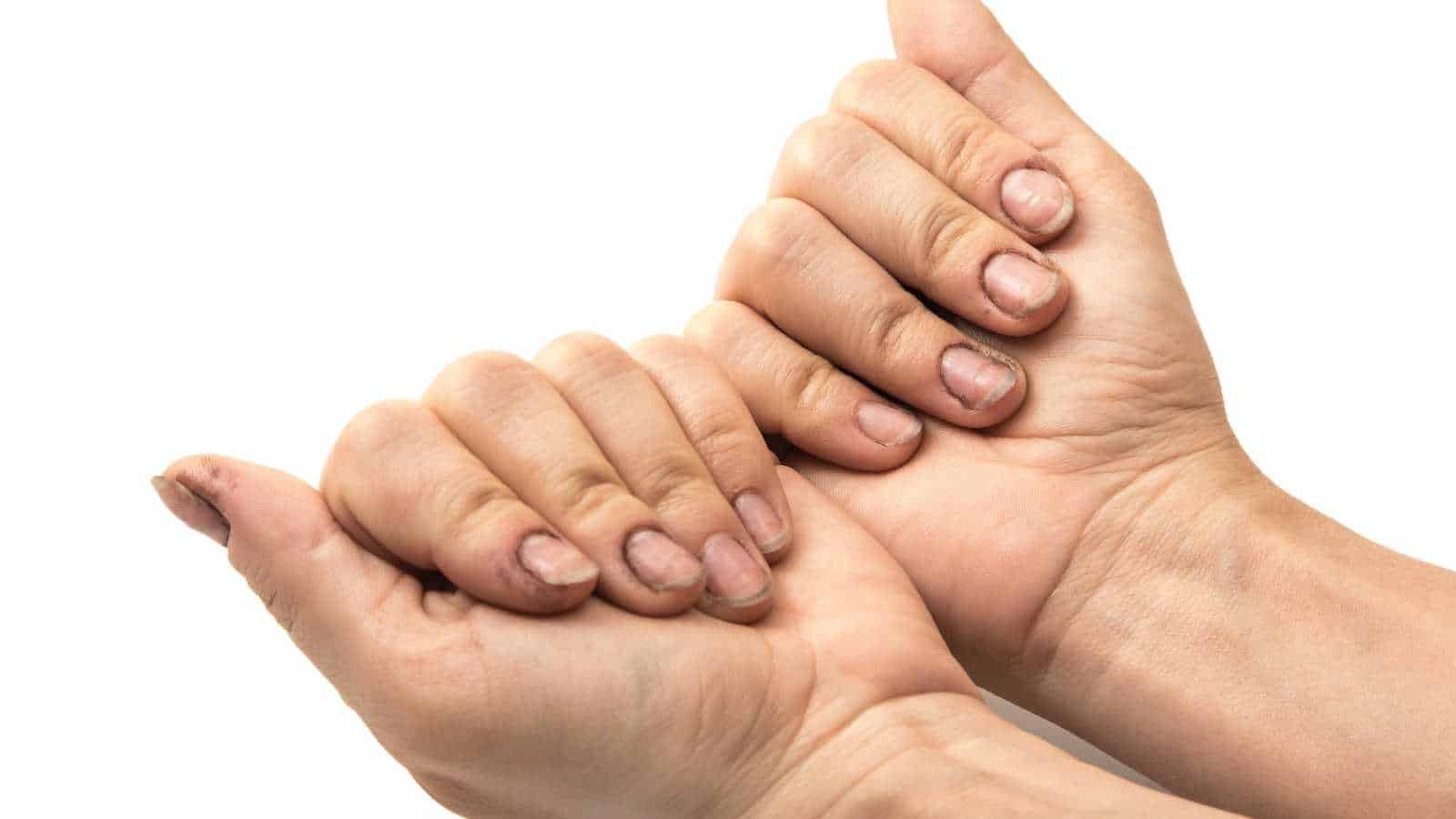
Glamour is not mixed with polish by high-value women. And they understand that fresh skin, nice hair, clean shoes, and well-maintained nails can do more than a dramatic outfit can. Beauty does not need an entire glam team and a two-hour ritual to groom. It demands homogeneity, not anarchy.
A survey of close to 500 Canadian women conducted by The Kit found that almost half felt much more confident when fully groomed, and another 43% felt a little more confident. That finding aligns with reality, as small details can change the entire perception. A woman can dress in a simple outfit and appear to be on a notch higher as long as she dresses up.
Piling on every accessory

High-value women do not keep all the fun things on simultaneously. They are aware that a single sharp cuff, a single sturdy earring, or even a single gorgeous bag can bring an entire outfit to a level much more dramatic than a load of extras. Using too many accessories can clutter the eye and obscure the message. It is not to be noisy, but to emphasize.
According to a Marie Claire jewelry report, modern runway jewelry is emotional and intimate, and beads and natural stones are adding layers of depth and personality rather than looking expensive because they are. The concept is important because individual style appears most powerful when every additional element deserves to be there. A woman who has a taste makes an edit, remakes it, and lets a single or two things shine.
Choosing pain over comfort
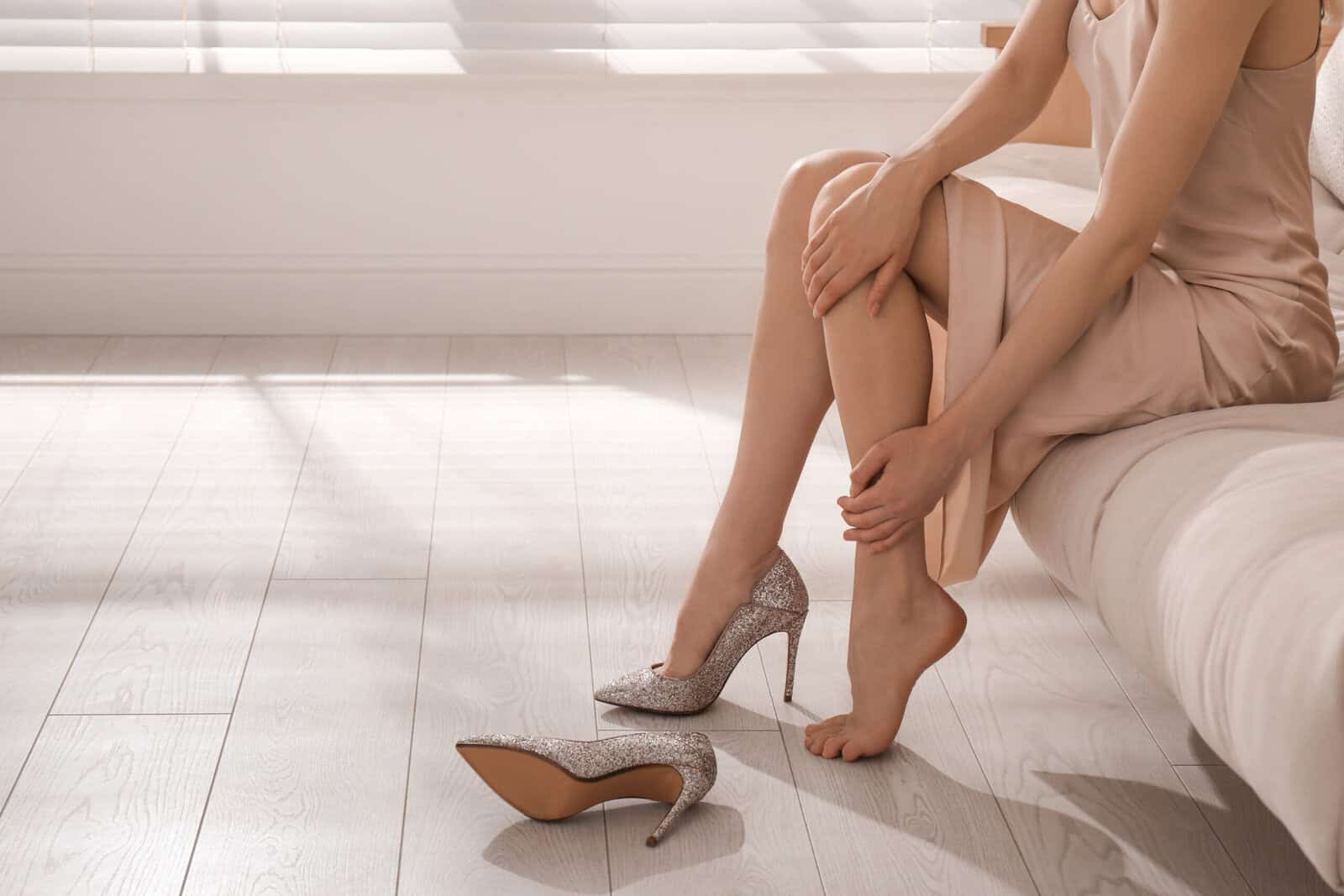
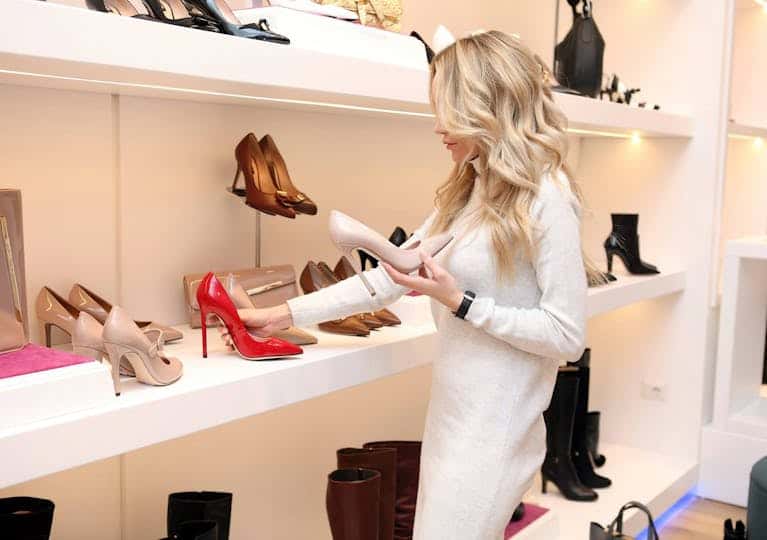
The high-value women do not make discomfort their badge of honor. They do not want their clothes to rebuke them until lunch. They do not give up on heels, structure, and drama; however, they select some that they can really live in. Such a balance keeps them on their toes rather than distorted.
BMC Women’s Health found that frequent use of high-heeled footwear was strongly associated with post-stand pain, a symptom of plantar fasciitis, and with reduced quality of life. That observation confirms what many women already realize in their bones. True style must not drag you down your street, ruin your feet, and steal your courage by 2. p.m.
Showing too much at once
Women of high value do not automatically assume that the more skin they are seen to have, the greater their impact will be. They are accustomed to tension, balance, and restraint, which are usually stronger than direct exposure. A cut, an open back, or a stinging neck can be amazing when the rest of the outfit remains on the side. Such styling is a deliberate rather than a parched thing.
A 2025 review in Journal of Vascular Surgery Cases, Innovations and Techniques noted that provocative clothing can trigger negative perceptions of competence and professionalism and can activate stereotypes about sexual availability. This does not imply that women ought to dress for others’ comfort. It implies that astute dressers are aware of the situation and know how to make things sexy without allowing the garment to overwhelm the woman.
Holding onto tired staples

High-value women do not retain pilled knits, stretched camis, worn black pants, or beat-up flats simply because they used to work well. They admire a wardrobe, and they revive it. A weary plane will pull away, losing its otherwise beautiful appearance in a few seconds. Before they begin to appear vanquished, smart women take the place of the workhorses. That instinct is consistent with larger shopping behavior as well.
According to ThredUp, the second-hand apparel market worldwide will exceed 367 billion by 2029, indicating that more customers will start considering the value of their wardrobes, how often they wear a particular piece, and whether they should keep it longer. High-value style does not require spending hours upon hours shopping, but it does require candor about what still looks fresh.
Picking colors that fight you
Women of high value do not pick up haphazard shades because the stand was attractive. They listen to what makes their skin bright, their features sharp, and their mood lifted. Color may lighten a face or flatten it. That is why fashionable women will check the tones around the face before committing.
According to the Los Angeles Times, studies supporting the use of dopamine dressing suggest that color may serve as sensory information that influences mood and physiological responses (e.g., heart rate and cortisol) to the stimulus. Yeah, color does have substance. Strong style women wear it deliberately, then create outfits that seem luminous, flattering, and animated.
Copying other women word for word
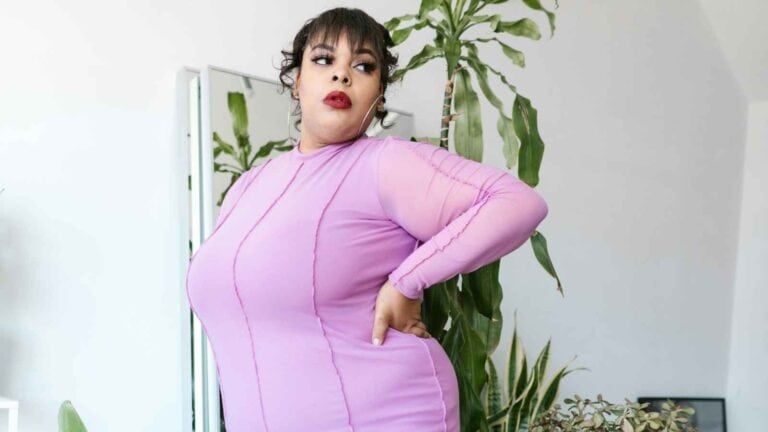
Women of high value get inspired, but they do not become clones. They can hoard glances, research figures, and borrow clever concepts, but they still screen it all by their taste. The style is what the filter memorizes. The process of blind copying normally produces a sparkless outfit with a polished look. Individual decisions create magic.
In 2025, International Workplace Group found that three-quarters of individuals said their workwear is an expression of their personal style. That stat reflects the number of adults who now require clothes to convey identity rather than to meet dress code requirements. A high-value woman also knows that her signature is more important than any perfect imitation will ever be.
Missing the dress code
Women of high value do not scrug at context. They understand that a killer outfit may still fail even if it doesn’t take the setting into account. There should not be a brunch look, a boardroom look, a wedding look, or a gallery opening look, all of which feel the same.
Even with a strong personal style, social intelligence can still be applied. Present women understand the room, respect the moment, and get the right impression without losing themselves.
Buying too much fast fashion

Quantity is not confused with style by high-value women. They are aware that cheap impulse purchases will fill a closet but leave them with nothing to wear. Fast fashion is usually supposed to bring excitement, but by wash number three, it is wearing thin, awful-fitting, and regrettable. Tasteful women would prefer to purchase fewer items that will retain their figures rather than drag them down.
The market remains large, and that does not make it prudent. Even a slow-growing wardrobe may appear edited, durable, and deliberate, thus high value.
Key takeaway
Women of high value do not construct style from panic, pressure, or sheer imitation. They eliminate trend addiction, ill-fitting, excessive grooming, too many accessories, sore feet, oversheared appearance, tattered bases, scathing coloring, fashion imitators, cluttered context, and never-ending loads of fast style.
They prefer deliberation to acting without planning and refinement. That decision is worth it since it honors their confidence, secures their budget, and gives their wardrobe a literal point of view. The woman is the first to stand out, and her outfit helps her rather than competing with others. It is the habit that makes all the difference.
Disclaimer: This list is solely the author’s opinion based on research and publicly available information. It is not intended to be professional advice.
Like our content? Be sure to follow us.