12 Great Depression habits women carried for life
By the time the Great Depression reached its lowest point in 1933, the American economic system had fractured. Thousands of banks had already failed, credit had evaporated, and for many households, income didn’t decline so much as disappear altogether.
Inside that collapse, women were forced into a role the formal economy rarely acknowledged but completely depended on: stabilizing the household when markets could no longer be trusted. Prices moved unpredictably, wages, if they existed, were inconsistent, and institutional safeguards were either weak or nonexistent.
What makes this moment historically significant is not that these adaptations emerged; they always do in crises, but that they persisted long after the crisis itself ended. Even as postwar abundance normalized credit, mass consumption, and rising incomes, many women who had internalized the logic of the early 1930s continued to operate as if the system remained fundamentally unstable. Once those responses proved effective under pressure, they became difficult to abandon, even when the conditions that created them had changed.
Scarcity Memory and Lifelong Saving Behavior

The psychological architecture of a woman who came of age in 1932 was built on the collapse of certainty. Economists often discuss the Pigou Effect, in which falling prices increase the real value of money, but for Depression-era women, the reality was a visceral memory of scarcity that overrode standard economic theory.
Statistics from the era show that personal savings as a percentage of disposable income hit a staggering low, yet once the recovery began, this cohort maintained abnormally high cash reserves well into the 1970s and 80s. These women hoarded liquidity.
By 1933, nearly 4,000 banks had failed, wiping out $1.3 billion in deposits. This created a permanent norm of precautionary saving. While younger generations might see a 10% savings rate as healthy, women from this era often kept 20% or more of household funds in low-yield, safe, accessible formats, effectively self-insuring against a systemic collapse they were certain would return.
The Rise of ‘Cook Everything, Waste Nothing’ Economies

Between 1929 and 1933, the average family income dropped by 40%, forcing women to engineer a domestic miracle that USDA expenditure patterns from the time call the Great Substitution.
Women developed a rationing psychology that dictated the life cycle of a single chicken: Sunday roast, Monday cold cuts, Tuesday soup, Wednesday bone broth. This became a lifelong cognitive filter.
In her seminal work The Pocketbook Game, historian Meg Jacobs explores how these women transformed from passive consumers into militant waste-watchers. Even decades later, when the Green Revolution made food cheap and abundant, these women were the ones washing out plastic bread bags and scraping every atom of jam from the jar. They saw waste not as a mess, but as a moral failure, a direct affront to the ghost of 1932.
Informal Budgeting Before Formal Financial Planning

Lacking access to credit or even their own bank accounts in many jurisdictions, they became the CFOs of the kitchen table.
Diaries from the 1930s reveal meticulous logs where every penny for ice, coal, and milk was accounted for before a single cent was spent on leisure.
Early consumer research conducted by the Bureau of Home Economics found that women in their 30s were far more likely to know the price per ounce of staples than their husbands, who often handled the macro-income but ignored the micro-leakage.
This granular tracking created a generation of women who could balance a checkbook to the penny in their sleep. They didn’t need a financial advisor because they had lived through a 25% unemployment rate, where the difference between a nickel and a dime was the difference between a meal and a fast.
Multi-Use Household Objects (Early Circular Economy Behavior)

The Circular Economy is a trendy 21st-century term, but Depression-era women were its original architects out of sheer desperation. When manufacturing hit a massive lag in rebound, and supply chains snapped, replacement capacity for household goods vanished.
The total Industrial Production index dropped by roughly 50% while that of durable goods, such as furniture and appliances, dropped by roughly 70% between 1929 and 1932. Consequently, a flour sack wasn’t just packaging; it was a dress, a dishcloth, and then a rag for the floor. This behavior became embedded.
Interestingly, some people thought that hoarding old goods would stifle the post-war recovery. They were wrong. These women continued to find three uses for each object, creating a household culture in which nothing was disposable. If an item broke, it was repurposed into a component for something else, a habit that persisted even when the 1950s throwaway culture tried to shame them into modernization.
Clothing Repair as Default Consumption Strategy
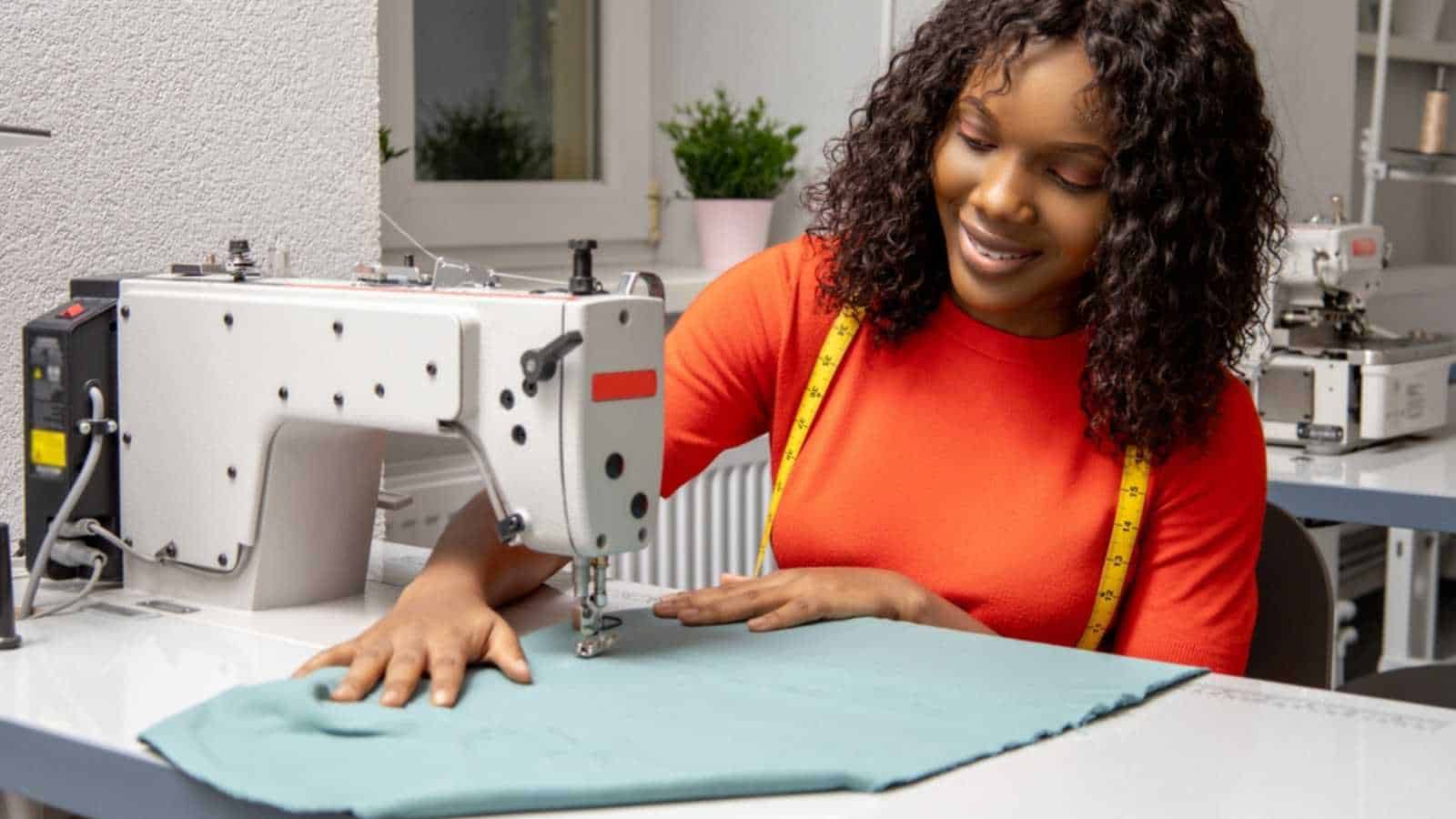
Textile costs remained a massive burden for families, often accounting for up to 15% of the household budget during the height of the crisis. Women responded by making garment repair the default setting rather than the exception.
Sewing machine sales, surprisingly, remained more resilient than other luxury appliances because they were seen as capital equipment for the home. Women extended the life of a standard wool coat by an average of five years through turning collars, darning, and patching.
This habit didn’t vanish with the return of prosperity. Long after the advent of fast fashion, these women were the ones who could still perform a blind stitch or a darning egg repair. They viewed buying something new because a button was missing as an act of insanity. They were the primary barrier to the planned obsolescence that manufacturers later tried to bake into the garment industry.
Debt Aversion Culture in Family Decision-Making

The credit market collapse of the 1930s, where total debt-to-GDP ratios were decimated by defaults and fear, left a permanent scar on the female psyche. While men were often the ones signing the notes, women were the ones who lived the daily terror of the repo man or the eviction notice.
Data from post-Depression lending patterns show that this cohort was significantly less likely to use the burgeoning installment plans of the 1950s. They believed in the Save-to-Buy model rather than the Buy-Now-Pay-Later model.
This extreme caution actually slowed these families’ wealth-building, as they missed out on the leverage that helped others buy larger homes or invest in stocks. However, for a woman who remembered the 1933 bank holiday, no expected return on investment was worth the risk of owing a man or an institution a single cent.
Home Production of Basic Goods (Not Just Gardening)

Substitution became the engine of the 1930s home. When market goods became unaffordable, women moved production back into the household.
Making soap, canning vegetables, and even fermenting basic medicines. It was a retreat from the market economy. Even as late as the 1960s, a significant percentage of women from this era maintained victory gardens or massive pantries of home-canned goods, even though they did not actually need them.
Even urban women found ways to produce at home, using fire escapes and small back lots. This lifelong habit served as a psychological safety switch. If the grocery stores ever went empty again, as they did in their formative years, they knew they could produce enough to keep the lights on and the bellies full without a middleman.
Delayed Household Formation Norms

The Depression fundamentally broke the traditional timeline of adulthood. Marriage rates plummeted to a record low of 7.8 per 1,000 people in 1932. This delay created a downward shift in fertility timing that sociologists call the birth dearth.
These women learned that a family was a financial commitment that could destroy them if timed incorrectly. This period of waiting actually led to more stable, if smaller, family units. These women carried a lifelong skepticism of rushing into things. They taught their daughters and granddaughters that romantic love was secondary to a stable roof over their heads.
The timing of fertility in this generation was dictated by wheat prices and the availability of work, leading to a permanent cultural shift in which setting up house was seen as a high-stakes gamble rather than a natural rite of passage.
Informal Female Labor Networks

Because women were often excluded from formal labor markets, and in many cases, marriage bars legally prohibited married women from teaching or office work, they built a massive, invisible shadow economy.
Census undercount corrections suggest that millions of women were engaged in informal work like laundry, taking in boarders, or selling baked goods. These were the original “side hustles,” but they were communal and survival-based.
Oral labor histories describe a world where women traded childcare for eggs or sewing for coal. This created a lifelong reliance on who you know rather than on what you do. Even when formal careers became available to them later in life, these women often maintained a secondary network of informal barter and trade.
They understood, in a way men often didn’t, that the system could fail, but the neighbor who owed you a favor for watching her kids would always be there. Their loyalty was to the network, not the corporation.
Community Resource Sharing Systems

When institutional relief failed, which it did spectacularly until the late 30s, localized trust networks became the primary survival infrastructure. For every dollar of government aid, there were likely several dollars’ worth of mutual aid happening between neighbors.
Women were the nodes of this system. They knew who was hungry, who had an extra blanket, and whose husband had just lost his job. This generation of women was intensely community-oriented but deeply suspicious of large, distant bureaucracies.
To them, a church basement or a local union hall was a more reliable safety net than a federal office. They maintained these ties for decades, often being the fixers in their neighborhoods. They didn’t see charity as an act of pity, but as a mutual insurance policy: “I help you today because tomorrow the bank might close my doors too.”
Skill Transfer Within Households (Non-Market Education)
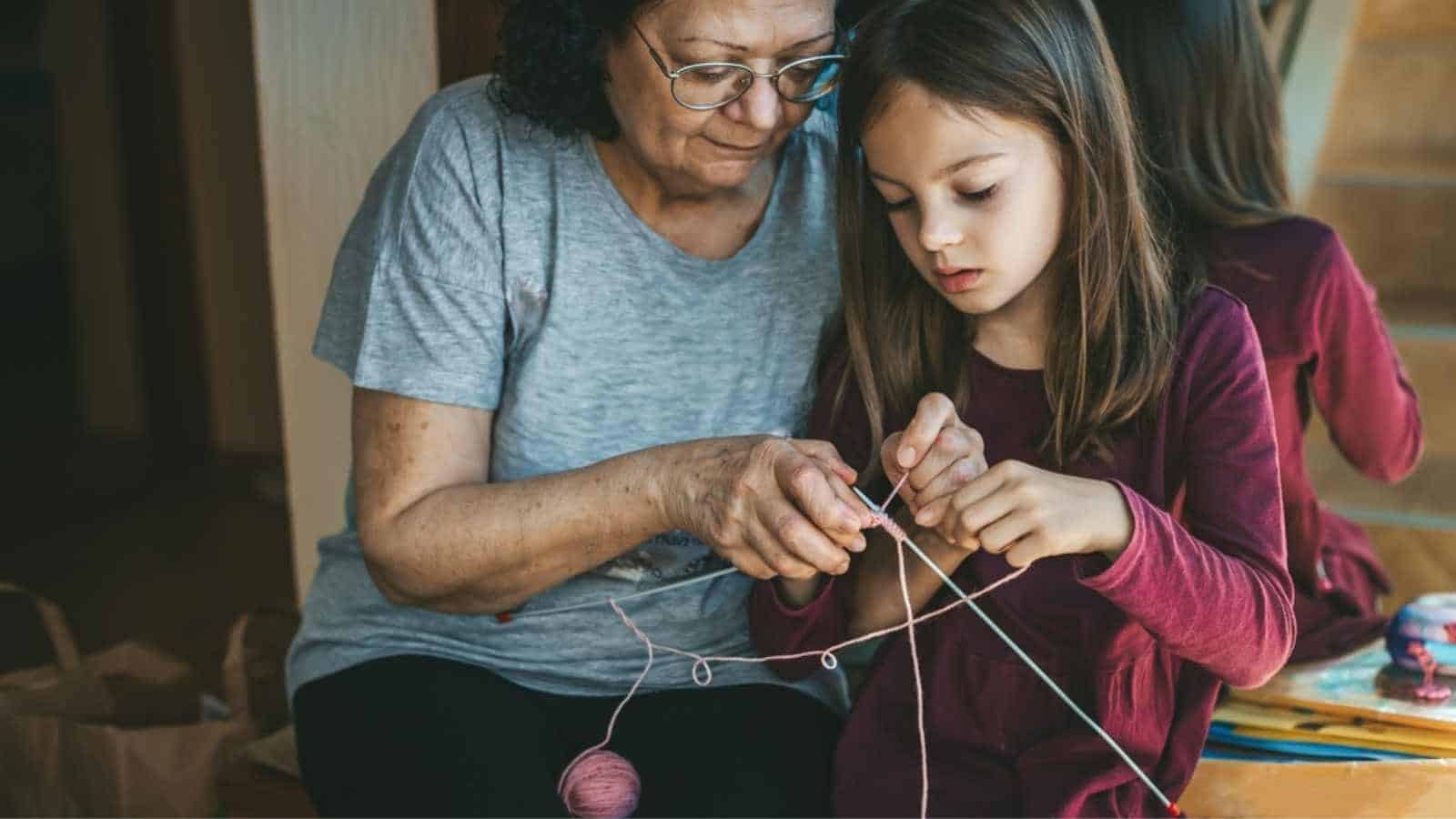
As enrollment in education dipped during the worst years of the crisis, practical skills replaced formal training. If you couldn’t afford to send a daughter to a vocational school, you taught her to cut hair, do basic plumbing, garden, and do carpentry.
Apprenticeship substitution patterns indicate that the home became the primary school for Depression-era girls. This created a generation of Jack-of-all-trades women who were fiercely self-reliant. They viewed calling a professional for a household repair as an admission of weakness or a waste of precious capital. This lifelong DIY ethos was a direct response to the cost barriers of the 30s.
Even into their 80s, these women were often found fixing their own screen doors or patching their own roofs. They had a visceral understanding that knowledge you held in your hands was the only asset that couldn’t be repossessed by a bank or devalued by inflation.
Long-Term Risk Sensitivity in Financial Behavior

Formative trauma doesn’t just fade; it hardens into economic psychology. The cohort remained risk-averse throughout their lives, long after the Dow Jones Industrial Average surpassed its 1929 peak.
While the Baby Boomers embraced the stock market and consumer credit, their mothers remained wary. These women were the ones who kept mad money hidden in the house, just in case the ATMs (once they arrived) stopped working. They were the ones who preferred the guaranteed, if low, return of a government bond over the gambling of the stock market.
Although this extreme conservatism cost them millions in potential gains during the post-war bull markets. However, to the Depression woman, a gain was just a loss that hadn’t happened yet. Their financial behavior was about the absolute certainty of survival. They lived their lives as if the floor could fall out at any second, because for them, it once did.
Key Takeaways

- Households became the real economic stabilizers. When the Great Depression disrupted banks, jobs, and credit, women rebuilt stability through budgeting, substitution, and informal income systems.
- Scarcity reshaped financial behavior for life. Exposure to bank failures and income collapse produced lasting habits: high savings, debt aversion, and preference for liquidity over risk.
- Consumption shifted from convenience to control. Food, clothing, and household goods were managed as systems to minimize waste and extend value, not as discretionary spending choices.
- Informal economies filled the gaps left by formal markets. Barter, home production, and community exchange became essential, revealing how much economic activity operates outside official records.
- Survival habits carried hidden trade-offs. The same caution that protected families during crisis often limited participation in postwar growth, especially in credit use and investment.
Disclaimer – This list is solely the author’s opinion based on research and publicly available information. It is not intended to be professional advice.
Like our content? Be sure to follow us