12 religious beliefs that modern women are questioning today
Religion still shapes American culture in powerful ways, but women are increasingly reexamining teachings that once went unquestioned. Research from the Pew Research Center shows that women under 40 are leaving organized religion at higher rates than previous generations, especially across Christian denominations.
A 2024 Pew survey found that nearly 38% of younger American women identify as religiously unaffiliated, compared to 19% in the early 2000s. Scholars also point to rising education levels, workforce participation, and digital access as major reasons women are reassessing long-standing doctrines.
Social media conversations, podcasts hosted by female theologians, and online faith communities have amplified discussions that once stayed behind closed doors. This shift does not automatically mean women are abandoning spirituality.
Gallup data shows many women still pray regularly and describe faith as meaningful in their lives. The change lies in how they interpret religious authority, gender expectations, and personal autonomy.
Across churches, mosques, synagogues, and conservative faith communities, women are asking tougher questions and expecting more nuanced answers.
The Belief That Women Must Always Submit to Male Authority

Conversations about submission have exploded across American faith spaces, especially among millennial and Gen Z women. Teachings that position men as unquestioned heads of households are facing intense scrutiny because modern women increasingly view marriage as a partnership rather than a hierarchy.
Younger women frequently argue that traditional interpretations of submission were shaped by historical cultures where women lacked legal rights, financial independence, and educational access.
Social media has intensified these discussions because women now compare experiences across denominations in real time. A woman raised in a strict evangelical church can instantly hear perspectives from progressive Christians, Jewish scholars, or Muslim feminists challenging patriarchal structures.
That exposure has weakened the idea that male authority is universally accepted within faith traditions.
The Idea That Modesty Determines a Woman’s Moral Value
Dress codes rooted in modesty teachings remain deeply controversial among younger religious women. TikTok and Instagram discussions regularly feature women describing how purity-centered messaging created shame around their bodies during adolescence.
According to a 2023 study published in the Journal of Religion and Health, women exposed to highly restrictive modesty teachings reported higher rates of anxiety surrounding body image and sexuality.
Researchers linked this trend to environments where girls were taught they were responsible for male temptation through clothing choices. Modern women increasingly reject the idea that morality can be measured through skirt length, makeup, or physical appearance.
Many now frame modesty as a personal spiritual value rather than a gender-specific obligation enforced by religious institutions. Younger generations are pushing faith leaders to separate spiritual discipline from body policing, especially as broader American culture becomes more vocal about mental health and self-worth.
The Teaching That Marriage Is a Woman’s Highest Calling

Religious communities have historically celebrated marriage and motherhood as central goals for women. Many modern women, however, resist the belief that fulfillment depends on becoming a wife or parent.
U.S. Census Bureau data show that women are marrying later than in previous generations, with the median age at first marriage rising to nearly 29. Career growth, graduate education, financial instability, and shifting social priorities all contribute to this trend.
Religious women are increasingly asking why single men in faith communities are often viewed differently from single women of the same age. Faith communities sometimes intensify this pressure through sermons, conferences, and ministries heavily centered on marriage preparation.
Younger women increasingly challenge teachings that imply their purpose is secondary until connected to a husband or family structure. Many are instead embracing spiritual callings tied to leadership, creativity, public service, entrepreneurship, and scholarship.
The Belief That Women Should Stay Silent in Religious Leadership
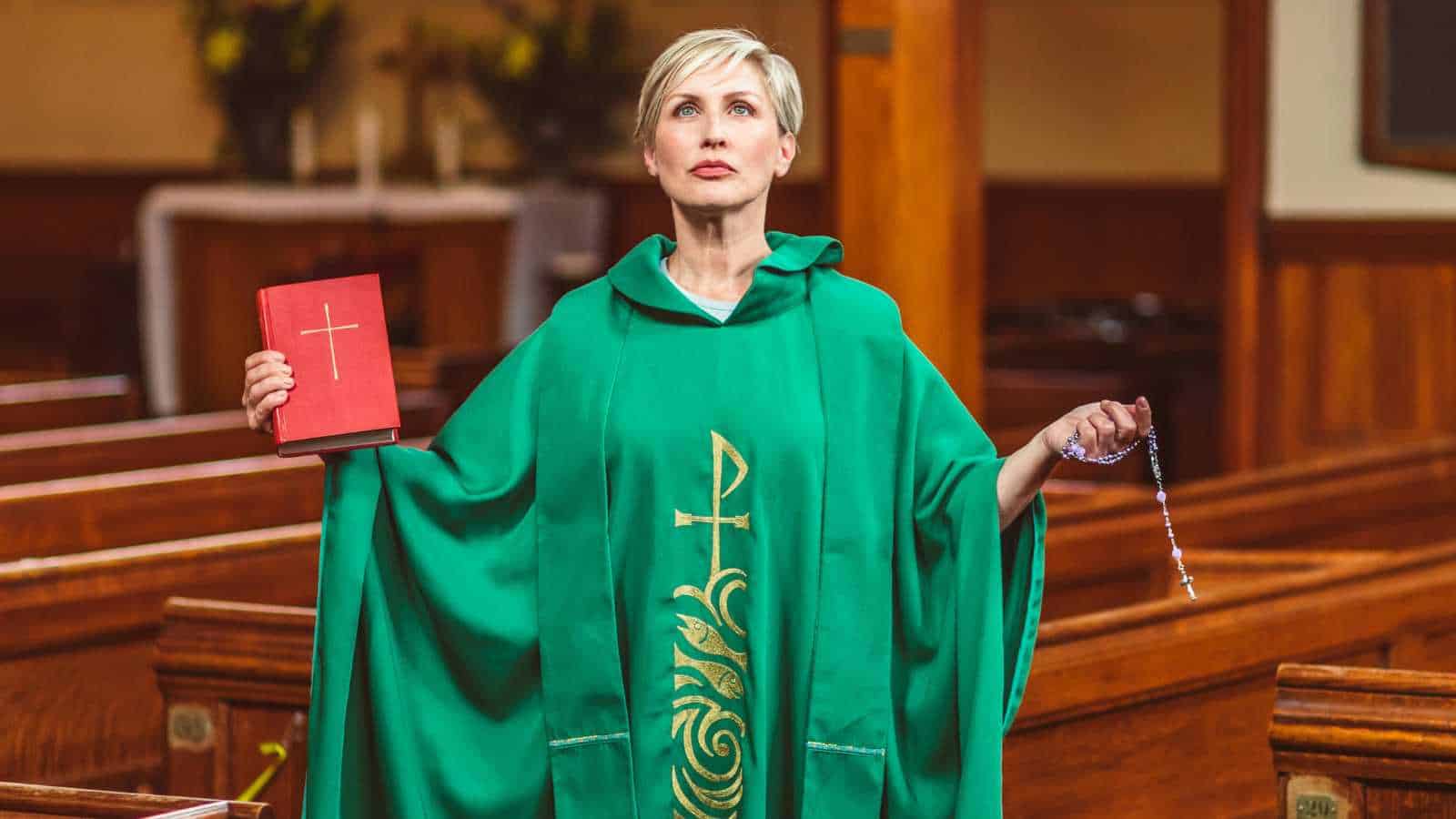
Women questioning restrictions on leadership has become one of the biggest flashpoints in modern religion. In many churches, women remain barred from preaching, leading congregations, or holding top authority positions.
Yet data shows growing resistance to these limits. A 2024 Gallup survey found that most Americans support women serving in senior religious leadership roles, including pastorates and theological teaching positions.
Younger churchgoers, especially women under 35, expressed the strongest support for gender-inclusive leadership. The visibility of female clergy has also increased dramatically through podcasts, livestreamed sermons, YouTube ministries, and online theological education.
Modern women watching capable female leaders explain scripture often question why institutional barriers persist when women clearly demonstrate leadership and theological expertise.
The Expectation That Divorce Should Be Endured No Matter the Circumstances

Older religious messaging frequently emphasized preserving marriage above nearly everything else. Modern women are increasingly unwilling to stay in unhealthy or unsafe relationships purely to maintain religious appearances.
Mental health professionals say these pressures can deepen emotional trauma and prolong cycles of abuse. Faith leaders themselves have begun revisiting traditional teachings around divorce.
Younger women often approach marriage with a stronger emphasis on emotional health, mutual respect, and accountability. Social media has also made stories of religious abuse far more visible.
Survivors now openly discuss how certain interpretations of forgiveness and submission were weaponized against them. As a result, many women increasingly reject blanket teachings that stigmatize divorce regardless of context.
The Teaching That Female Sexuality Must Be Closely Controlled

Religious conversations surrounding sexuality have shifted dramatically in the past decade. Younger women increasingly question teachings that frame female desire as dangerous, shameful, or morally suspicious.
According to the American Psychological Association, shame-based sexual education is associated with increased anxiety, secrecy, and long-term relationship difficulties. Many women raised in purity-focused environments say they entered adulthood lacking healthy emotional language around intimacy and consent.
This issue has gained traction because women are speaking openly about experiences that previous generations often kept private. Podcasts hosted by former evangelical women regularly attract millions of downloads discussing purity culture, abstinence messaging, and religious shame.
Younger religious women increasingly advocate for conversations about sexuality grounded in education, consent, emotional maturity, and mutual respect instead of fear. That shift reflects broader cultural trends prioritizing psychological health alongside spiritual practice.
The Belief That Suffering Makes Women Spiritually Stronger
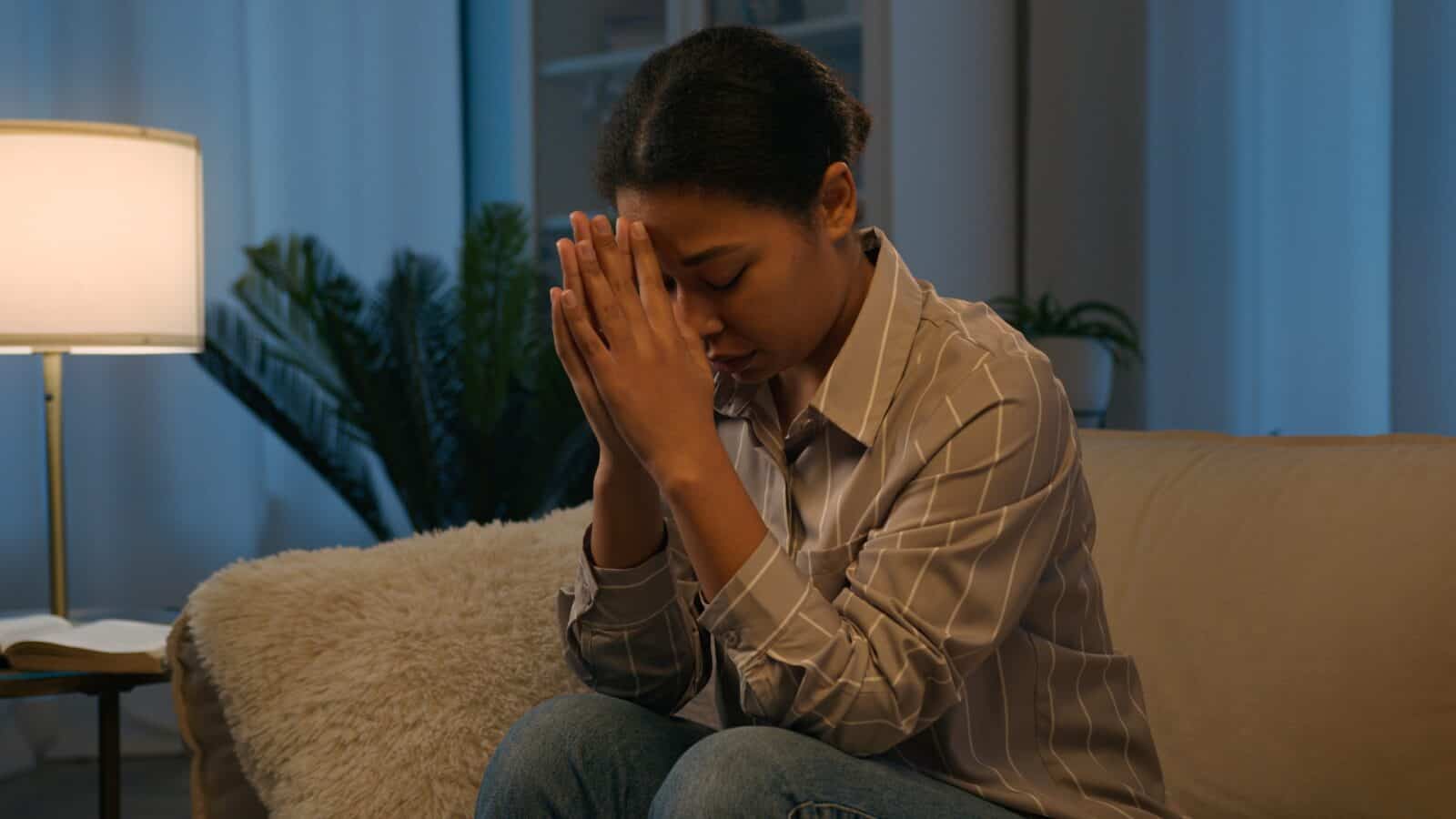
Modern women increasingly resist teachings that glorify silent endurance. Religious messaging that praises women for tolerating emotional pain, exhaustion, or mistreatment is receiving sharper criticism, especially among younger generations focused on mental health awareness.
A 2023 American Psychological Association survey found that women report significantly higher stress levels than men across work, caregiving, and emotional labor categories. Many women now question religious narratives that romanticize self-sacrifice while ignoring burnout and emotional depletion.
Women in faith communities increasingly ask why boundaries are sometimes portrayed as selfish while endless giving is framed as holy. Practical examples emerge in caregiving expectations, ministry volunteering, and family responsibilities, where women are often expected to absorb overwhelming emotional workloads without complaint.
Modern women increasingly view rest, therapy, and emotional protection as compatible with spiritual maturity rather than signs of weak faith.
The Idea That Questioning Religious Teachings Signals Weak Faith

Access to information has fundamentally changed how women engage with religion. Earlier generations often relied heavily on local clergy for interpretation, whereas modern women can instantly access theological scholarship, historical research, and interfaith discussions online.
Pew Research Center reports that younger Americans regularly consume spiritual content through podcasts, YouTube channels, and independent educators, rather than relying exclusively on traditional institutions.
That exposure encourages critical thinking and comparative analysis. Many women now reject the idea that asking difficult questions reflects rebellion or spiritual instability. Instead, questioning is increasingly framed as a matter of intellectual honesty.
Younger women especially value transparency and authenticity. Institutional environments that discourage questions often struggle to retain younger female members, as curiosity is increasingly associated with learning rather than disobedience.
This trend mirrors broader cultural expectations surrounding accountability, evidence, and open dialogue.
The Belief That Mothers Must Sacrifice Personal Identity Completely

Religious motherhood culture frequently celebrates selflessness, but many women are reevaluating teachings that erase individuality after parenting begins. American mothers today balance careers, caregiving, finances, and emotional labor at historically high levels.
Bureau of Labor Statistics data shows mothers participate in the workforce at far higher rates than previous generations, while still performing the majority of unpaid household labor.
Many women question why religious spaces sometimes praise maternal exhaustion as proof of devotion. Mental health experts warn that identity loss contributes to burnout and depression among mothers.
Religious women increasingly advocate for healthier models that include personal growth, friendships, hobbies, rest, and ambition alongside parenting. Churches and faith communities are gradually responding by offering conversations around maternal mental health rather than idealized perfection.
Younger mothers, in particular, reject messaging that frames their dreams, careers, or creative goals as spiritually secondary after having children.
The Teaching That Men Are Naturally Better Spiritual Leaders
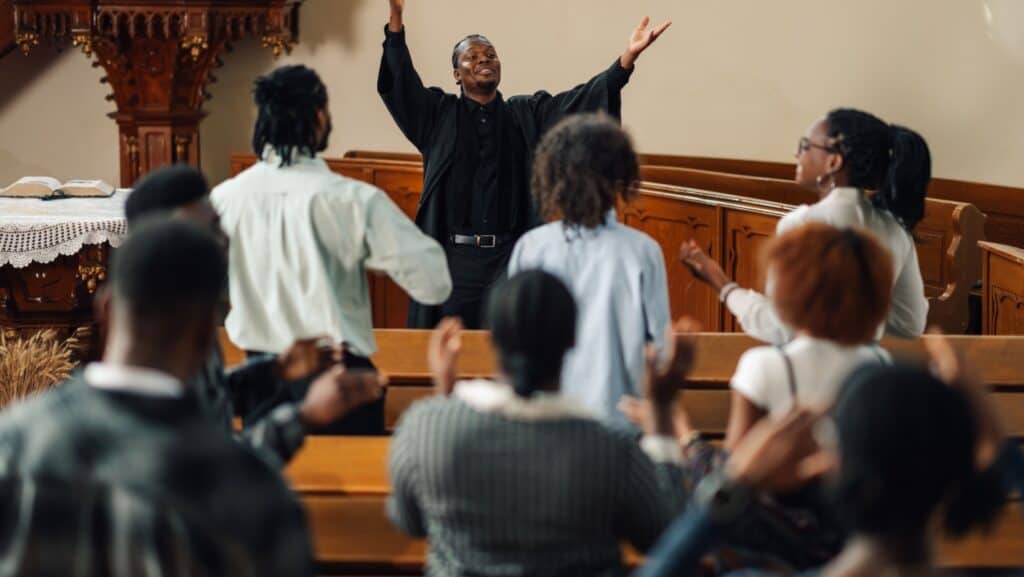
Modern women increasingly challenge assumptions about the link between gender and leadership ability. Educational trends partly explain this shift. Women now earn the majority of college degrees in the United States, according to the National Center for Education Statistics, and many also pursue advanced theological education.
As women gain expertise in history, philosophy, counseling, and religious studies, blanket claims about male spiritual superiority appear less persuasive to younger generations. Faith-based leadership discussions now frequently include evidence-based conversations about communication, empathy, emotional intelligence, and collaborative management styles.
Research published in the Harvard Business Review has consistently shown women scoring highly in leadership effectiveness across several categories. Female faith leaders, scholars, and authors continue to build large online audiences, further challenging stereotypes about authority and competence.
Younger women increasingly view leadership as skill-based rather than biologically predetermined. That shift places pressure on religious institutions that still rely heavily on male-only authority structures despite changing cultural expectations.
The Belief That Mental Health Struggles Reflect Spiritual Failure

American women are becoming far more vocal about anxiety, depression, trauma, and emotional exhaustion. Many now reject teachings suggesting prayer alone should resolve serious mental health conditions.
According to the Centers for Disease Control and Prevention, women report higher rates of anxiety and depression diagnoses than men, particularly among younger adults. Mental health awareness campaigns have also normalized therapy, medication, and trauma counseling within mainstream culture.
Religious communities are adapting slowly but noticeably. Women increasingly criticize religious messaging that interprets emotional struggles as evidence of weak belief, hidden sin, or spiritual failure.
Practical examples appear in communities discouraging therapy while encouraging constant prayer despite severe emotional distress. Younger women tend to favor integrated approaches combining spirituality, counseling, emotional support systems, and evidence-based treatment rather than framing mental health exclusively through a spiritual lens.
The Idea That Religious Institutions Should Be Trusted Without Accountability
Scandals involving abuse, financial misconduct, and institutional cover-ups have deeply influenced younger women’s attitudes toward organized religion. Public trust in religious institutions has declined sharply over the last two decades.
Gallup data shows confidence in organized religion in America has fallen to historic lows, especially among younger adults. Women have played a major role in demanding transparency around abuse allegations, financial management, and leadership accountability.
Investigative journalism and social media activism have amplified these demands. Survivors now share experiences publicly, creating pressure for institutional reform across multiple faith traditions.
Modern women increasingly expect religious organizations to meet the same ethical standards demanded in schools, corporations, and government systems. Loyalty alone no longer guarantees trust.
Many women now prioritize transparency, ethical leadership, and protection of survivors when deciding whether to remain active in a religious community.
Key Takeaways

- Modern women are questioning religious teachings connected to gender hierarchy, sexuality, leadership, and institutional authority.
- Research from organizations such as the Pew Research Center and Gallup shows that younger women are increasingly distancing themselves from rigid religious structures while still valuing spirituality.
- Mental health awareness, higher education, financial independence, and digital access are accelerating these conversations.
- Female scholars, therapists, clergy, and historians are reshaping how women interpret faith traditions.
- Many women are seeking spiritual spaces that balance belief, accountability, emotional health, and equality.
Disclaimer: This list is solely the author’s opinion based on research and publicly available information. It is not intended to be professional advice.
Like our content? Be sure to follow us