12 questions to ask before your partner helps pay your mortgage
A mortgage can turn “I love you” into “Who owns what?” faster than most couples expect. One minute, your partner is offering to help with the payment, and it sounds generous, practical, even romantic. Next, you’re staring at a bill that carries interest, equity, legal risk, and a paper trail that does not care how sweet the conversation felt at the kitchen table.
That matters more now because buying a home has become harder to do on your own. The National Association of Realtors found that first-time buyers accounted for only 21% of U.S. homebuyers in 2025, the lowest share since the group began tracking the data in 1981, and that the typical first-time buyer is now 40. So yes, more couples are finding ways to share the mortgage burden. But shared weight can become shared confusion if nobody defines what the money means.
And couples are already changing how they handle money. The U.S. Census Bureau reported that 23% of married couples had no joint bank accounts in 2023, up from 15% in 1996, while Fidelity’s 2024 Couples and Money Study found that 45% of partners argue about money at least sometimes.
So before your partner sends that first mortgage contribution, you need more than good intentions and a Venmo note with a heart emoji. You need clear terms, written plans, and a shared understanding of every dollar before the house starts keeping score.
Are We Treating This as Rent or Co-Ownership?

This is the first question because everything else grows from it. If your partner gives you $900 every month, is that rent, a contribution to bills, a private loan, or a step toward owning part of the home? Those are not tiny labels. They can shape what happens if you split, sell, refinance, or end up in court.
Chase explains that a co-borrower shares loan responsibility and usually has partial ownership, while a cosigner may carry repayment risk without a legal claim to the home. The Consumer Financial Protection Bureau also says that when two people buy together as co-borrowers, both are responsible for paying the mortgage.
That is a very different story from one in which a partner pays a set “tenant-style” amount toward living costs. So say the quiet part out loud early. A mortgage payment can be a bill, a bridge, or a claim on equity, and the relationship needs to know which one it is before the money starts moving.
What’s the Real State of Both Our Finances?

A mortgage has a way of bringing secrets into the light. Debt, credit scores, student loans, car payments, missed bills, income swings, and spending habits all matter once one partner starts helping with housing costs.
The U.S. Census Bureau found that the share of married couples with no joint bank accounts rose from 15% in 1996 to 23% in 2023, and the share of couples using both joint and separate accounts rose from 9% to 17%. That means many relationships now run on mixed money systems, which can work well if both people are honest.
Fidelity’s 2024 study adds the emotional layer, with 45% of partners saying they argue about money at least sometimes. Meredith Stoddard, vice president of education at Fidelity Investments, said, “Open lines of communication are the building blocks to any successful partnership.”
That line belongs on the fridge before the mortgage bill does. Love may forgive a late dinner text, but a hidden $18,000 credit card balance can hit the relationship like thunder.
How Will We Split the Mortgage and Housing Costs?

The mortgage is only the front door. Behind it are property taxes, homeowners’ insurance, HOA dues, utilities, repairs, appliances, yard work, pest control, and the roof that always seems to leak in the worst month.
The Federal Reserve reported that about two-thirds of U.S. homeowners had a mortgage in 2024, and the median monthly mortgage payment was $1,500. For homeowners who moved in 2023 or 2024, the median payment rose to $2,020, with the West reaching $3,220. That is too much money to divide with vague phrases like “we’ll figure it out.”
Some couples split costs 50/50. Others use an income split, such as 70/30, if one person earns far more. Some tie payments to ownership shares. None of those options is automatically wrong. The danger is pretending “fair” means the same thing to both people.
If one partner pays half the mortgage but owns nothing, that may feel like rent to one person and equity-building to the other. Put the math on paper before resentment starts doing math of its own.
Whose Name Will Be on the Mortgage?

This is where many couples blur the lines between two very different things: the mortgage and the title. The mortgage is the debt. The title is ownership. Chase explains that a co-borrower’s name appears on both the title and the loan, giving that person property rights and repayment responsibility, while a cosigner may be liable if the borrower defaults but has no legal claim to the home.
The Federal Trade Commission puts the risk in plain language: when you cosign a loan, you agree to be responsible for someone else’s debt, and if the main borrower misses payments, you must pay. That can affect future borrowing, credit health, and the ability to qualify for another home, car, or business loan later.
So don’t treat “putting your name on it” like a romantic gesture. It is not a promise ring. It is a legal hook. If your partner helps pay but stays off the title, they may be sending major money into an asset they do not own. If they join the loan, they may end up carrying debt far beyond what they thought was “their share.”
How Will We Hold Title?
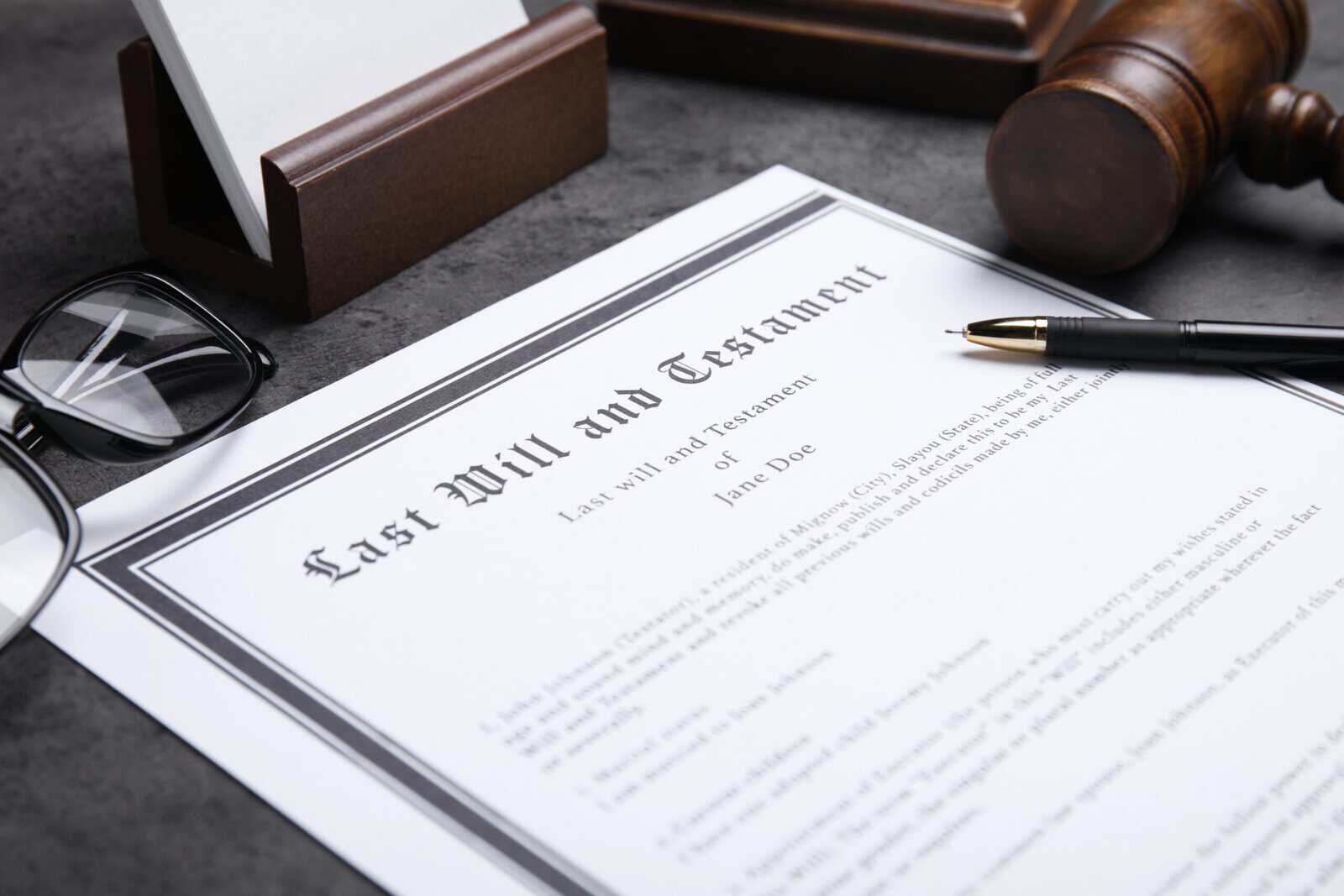
The title language sounds dry until life stops being neat. Cornell Law’s Legal Information Institute explains that joint tenancy gives each owner an undivided interest in the property and often creates a right of survivorship, meaning one owner’s interest passes to the surviving owner after death.
Tenancy in common works another way. Cornell says a tenant in common can own an unequal share, such as one-third or two-thirds, and that share can pass by will rather than automatically go to the other owner. That is a huge difference if one partner paid the down payment, one has children from a prior relationship, or one wants their share to go to family.
Your title choice tells the legal system how to read your love story after conflict, death, or sale. Joint tenancy can feel simple and protective for some couples. Tenancy in common can feel fairer for couples with unequal contributions. The point is not to become cold. It is to make the deed match the real deal.
Do We Need a Cohabitation Agreement?

If your partner helps pay the mortgage, you are already in agreement territory, even if no documents have been opened. The only question is whether the agreement lives in writing or in two people’s memories, which may change under stress.
The Law Society says a cohabitation agreement can set out how partners share finances while living together and what happens if one person becomes ill, dies, or the couple splits. It also lists mortgage payments, household bills, property, assets, pensions, children, pets, and next-of-kin rights as items that an agreement can cover.
LawInfo, reviewed by attorneys, says a cohabitation property agreement can specify who owns what and how property is divided if a couple separates, especially when real estate is involved. That is not romance dying. That is romance putting on a seat belt.
If one partner pays more of the deposit or repairs, write it down. If one partner’s monthly payment earns equity, record it. If it is rent, write that down too.
What’s Our Plan If One of Us Can’t Pay?

A 30-year mortgage is long enough for layoffs, illness, babies, caregiving, burnout, career changes, and bad luck to walk through the door.
The Federal Reserve found that 49% of renters in 2024 said they rented because they could not afford the monthly mortgage payment, and 42% said they could not qualify for a mortgage, underscoring how tight housing costs already feel for many households. Once two people are tied to a single home payment, a sudden drop in income can turn love into panic in a flash.
The CFPB says co-borrowers are responsible for paying the mortgage, and the FTC warns that cosigners must pay if the main borrower defaults. That means “I lost my job” may become “we are both in trouble” if the plan is not clear.
Decide now if a shortfall becomes a loan, a gift, a temporary pause, or a change in ownership share. Also, decide how long one person can carry the full payment before the couple revisits the whole setup. Hope is lovely, but lenders still prefer payment.
How Will We Handle Breakups and Buyouts?

Nobody wants to talk about the breakup while choosing paint colors, but the house does not care that the conversation feels awkward. LawInfo says a cohabitation property agreement should cover buyout rights, home valuation, the length of a buyout, and what happens to the house if the couple separates.
That matters because one person may want to stay, one may want to sell, and both may still be named on the mortgage. A 2025 Guardian guide on joint buying quoted Lisa Parker of L&C Mortgages saying, “The main potential challenges are if one person wants to sell up or move out before the other.” That is the whole problem in one clean sentence.
If a buyout occurs, will you use an appraisal, market value, the remaining loan balance, or the original contribution? If neither person can buy out the other, will the default be sold within 90 days, 6 months, or 1 year? Breakup plans do not invite heartbreak. They keep heartbreak from becoming a five-year property war.
Are We Protecting Each Other With Insurance and Wills?

A partner who helps pay your mortgage is already tied to your financial life, even if the law does not treat them like family. The Law Society warns that people living together without marriage or a civil partnership have fewer rights over finances, property, and children, and that a partner may not automatically inherit property unless it is left to them in a will.
LawInfo also says unmarried partners generally do not have inheritance rights to property unless they are included in a will or trust. That is a painful trap for couples who assume that love alone creates legal protection. It often does not.
Life insurance can help cover the mortgage if one partner dies. Disability insurance or income protection can help if one partner can no longer work. A will can decide where a share of property goes.
Beneficiary forms can stop confusion before grief sharpens it. This is the tender side of planning: making sure the person who helped build the home is not left standing outside it because the paperwork never learned their name.
How Will This Affect Our Other Goals?

A mortgage payment does not live alone in the budget. It sits beside retirement savings, emergency funds, childcare, eldercare, student loans, car payments, business dreams, travel plans, and the quiet hope of breathing easier one day.
NAR’s 2025 profile shows how heavy the homeownership dream has become, with first-time buyers accounting for only 21% of the market and the typical first-time buyer reaching age 40. NAR deputy chief economist Jessica Lautz said the low first-time buyer share shows the “real-world consequences of a housing market starved for affordable inventory.”
That pressure can push couples to share mortgage costs sooner than they might have in a cheaper market. Still, a home should not swallow every future. If one partner wants children in two years, another wants to launch a business, and the mortgage leaves no room for risk, the house can become less like an anchor and more like a beautiful cage. Ask what the payment protects, and ask what it may cost.
Do Our Money Styles and Risk Tolerance Match?

Some people see debt as a tool. Others see it as a cliff with nice landscaping. Before your partner helps with the mortgage, you need to know which kind of money brain each of you brings into the house.
Census data show that fully shared finances are less common than they used to be: in 2023, 40% of couples held all bank accounts jointly, down from 53% in 1996, while 17% used both joint and separate accounts, up from 9% in 1996.
That mixed setup can work, but it needs rules. Who tracks payments? Who keeps repair money? Who panics when the emergency fund drops below $5,000? Who thinks an adjustable-rate loan sounds clever, and who hears danger bells?
Fidelity found that more than one in four couples call money their greatest relationship challenge, which means this is not a side chat. It is a compatibility test with a roof attached. If one person loves risk and the other needs calm, the mortgage can become a monthly argument in disguise.
Have We Talked to a Professional?

Love can tell you why you want to share the burden. A professional can tell you what the burden actually does. Before your partner helps pay the mortgage, it can be smart to speak with a mortgage adviser, real estate attorney, financial planner, tax professional, or estate-planning attorney, depending on your setup.
The CFPB warns that co-borrowers who buy a home together are both responsible for paying the mortgage, while LawInfo says cohabitation agreements can reduce the time spent fighting over property rights if a relationship ends.
The Law Society also says that each person should get independent legal advice when entering into a cohabitation agreement, and that the agreement should be updated after major life changes. That last part matters because relationships move.
People have children, switch jobs, inherit money, lose income, refinance, renovate, and change their minds. A professional is not there to kill the romance. They are there to catch the fine print before it catches you.
A Short Reflective Close

A partner helping with your mortgage can be loving, practical, and smart. In a market where NAR says first-time buyers have fallen to a record-low share of 21%, many couples need teamwork to keep the dream of homeownership alive.
But a house is never just walls and a monthly bill. It is equity, risk, memory, debt, and law under one roof. So protect the love by protecting the details.
The clearest couples are not the least romantic ones. They are the ones brave enough to ask hard questions before life asks them harder ones.
Key Takeaways

- A partner helping with the mortgage can mean rent, shared bills, co-ownership, or debt support, and each choice creates different rights and risks.
- The mortgage and the title are separate. One decides who owes the loan, and the other decides who owns the home.
- Couples are keeping money more separate than before, with Census data showing 23% of married couples had no joint bank accounts in 2023.
- Written agreements can protect both parties, especially if partners are unmarried, pay unequal amounts, or plan to share equity.
- Professional advice may feel formal, but it can save the relationship from confusion, resentment, and expensive legal fights later.
Disclaimer – This list is solely the author’s opinion based on research and publicly available information. It is not intended to be professional advice.
Like our content? Be sure to follow us