10 things you didn’t know needed refrigeration
Your fridge may be hiding a bigger secret than last night’s leftovers. Many kitchens treat the pantry like a safe little parking lot for open bottles, jars, spreads, and sauces. That habit can quietly ruin flavor, invite mold, and waste money. The CDC’s 2025 foodborne illness estimates show that major foodborne germs cause about 9.9 million illnesses, more than 53,000 hospitalizations, and over 900 deaths in the U.S. each year.
That does not mean every condiment on the counter will make someone sick. It does mean storage choices matter more than many people think. For busy homes, family kitchens, lunch packing, brunch boards, and late-night snacks, the fridge can protect more than milk and meat.
Before you return that opened bottle to the cabinet, these everyday items deserve a colder home.
Maple syrup likes the fridge
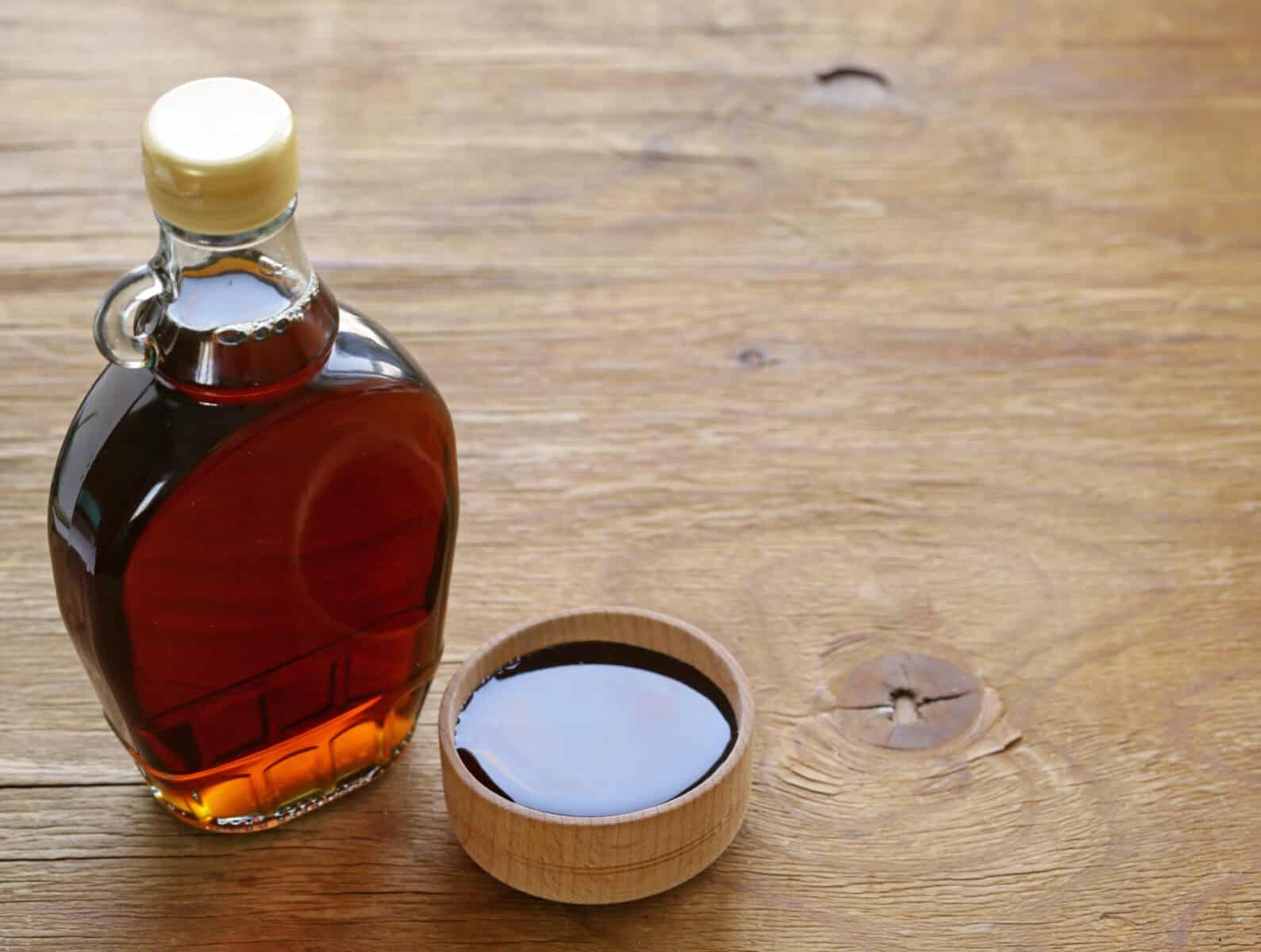
Real maple syrup looks tough because it pours like liquid gold and tastes like pure sugar. That sweetness can fool many people into treating it like honey, but pure maple syrup contains enough water for mold to grow after opening. Maple from Canada says opened maple syrup can last 6 to 12 months in the refrigerator, making the fridge the safer long-term choice for real syrup lovers.
A warm pantry can turn a beautiful brunch staple into a suspicious bottle with a fuzzy film on top. The smart move feels simple: open it, wipe the rim, close it tightly, and slide it into the fridge door. Your pancakes, waffles, oatmeal, and yogurt bowls will taste cleaner for longer.
Soy sauce keeps its flavor

Soy sauce earns a free pass in many homes because salt feels like nature’s bodyguard. Salt helps, but it does not freeze flavor in time. Kikkoman says that opened soy sauce retains its quality longer in the fridge, and its foodservice guidance recommends using sauces within 1 month of opening for the freshest taste.
Heat, air, and light can darken the sauce and flatten that deep umami flavor you want in stir-fries, noodles, marinades, and dipping bowls. Low-sodium soy sauce needs even more care because it has less salt to work with. Keep it cold after opening, especially if you use it slowly.
Natural nut butter turns faster
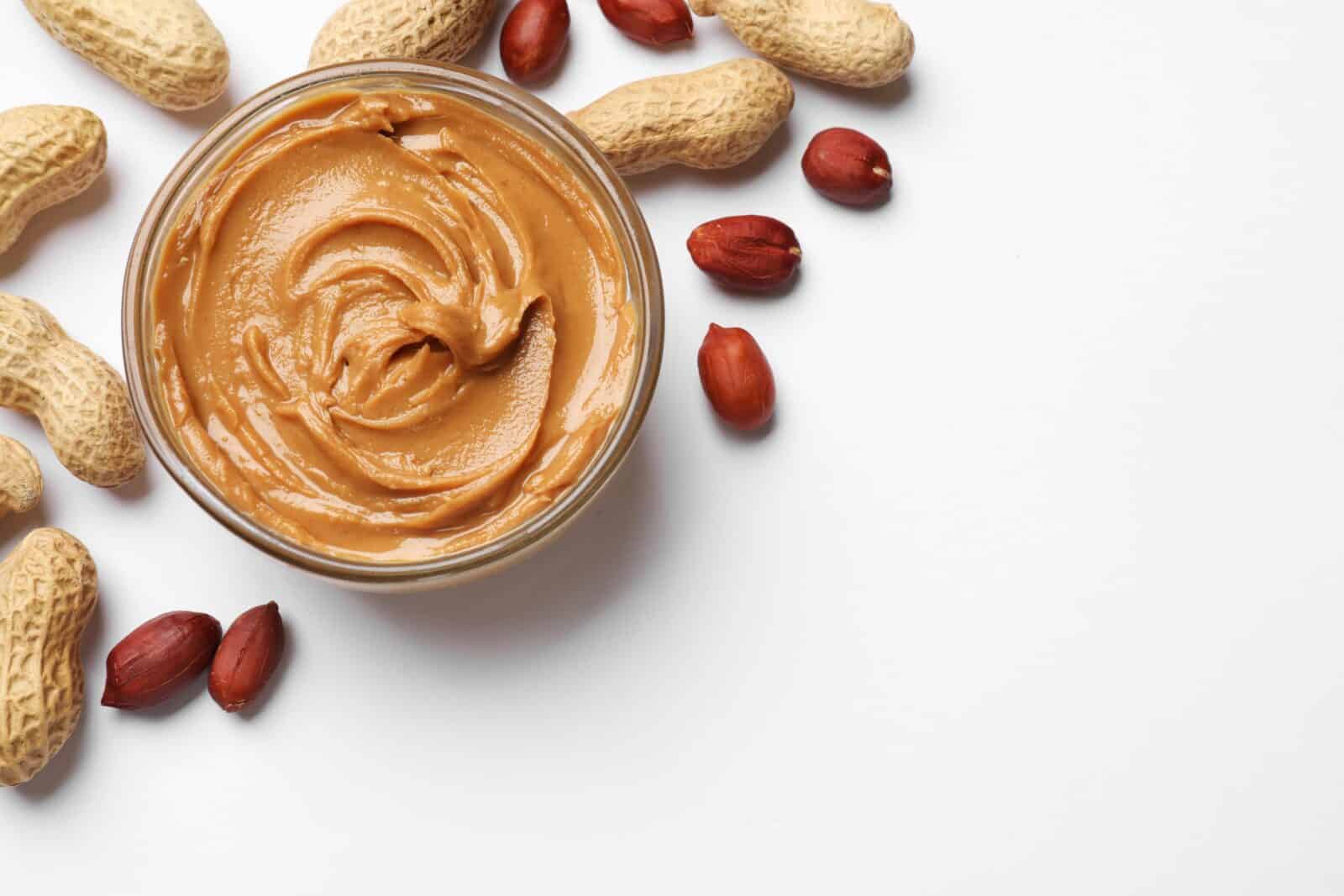
Natural peanut, almond, and cashew butters feel like pantry classics, especially in homes that grew up with regular peanut butter in the cupboard. The problem starts with the oils. Natural versions often skip stabilizers, so those oils can separate, oxidize, and taste stale faster in a warm kitchen.
The National Peanut Board says an open jar of peanut butter stays fresh for up to 3 months in the pantry, and the fridge can help maintain quality for another 3 to 4 months. That extra chill matters for jars used for smoothies, toast, sauces, and apple slices. If it smells sharp, bitter, or paint-like, the oils have probably gone too far.
Tortillas can grow mold
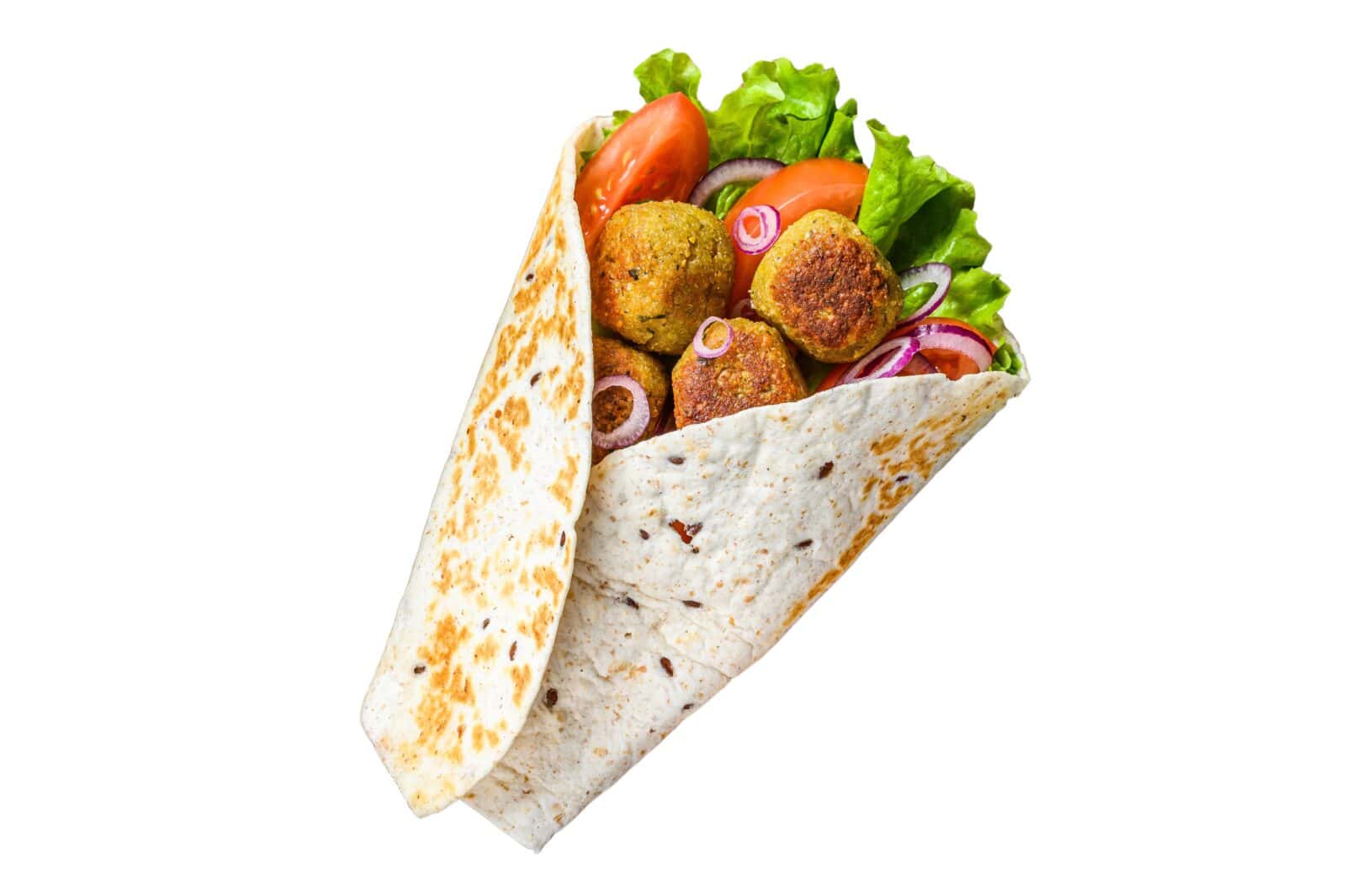
Tortillas seem sturdy because they are often displayed near bread in many stores. Once you open the package, air and kitchen moisture can quickly change the story. Mission’s foodservice storage guidance says opened tortillas should be placed in an airtight container and consumed within 7 days under refrigerated conditions.
That advice matters in warm kitchens, humid climates, and busy homes that open a pack for tacos, then forget the rest until lunch prep. Refrigeration slows mold and helps you catch dinner without the sad surprise of fuzzy spots. Seal the bag well, press out any extra air, and keep the tortillas ready for wraps, quesadillas, and quick breakfast roll-ups.
Mustard keeps its bite
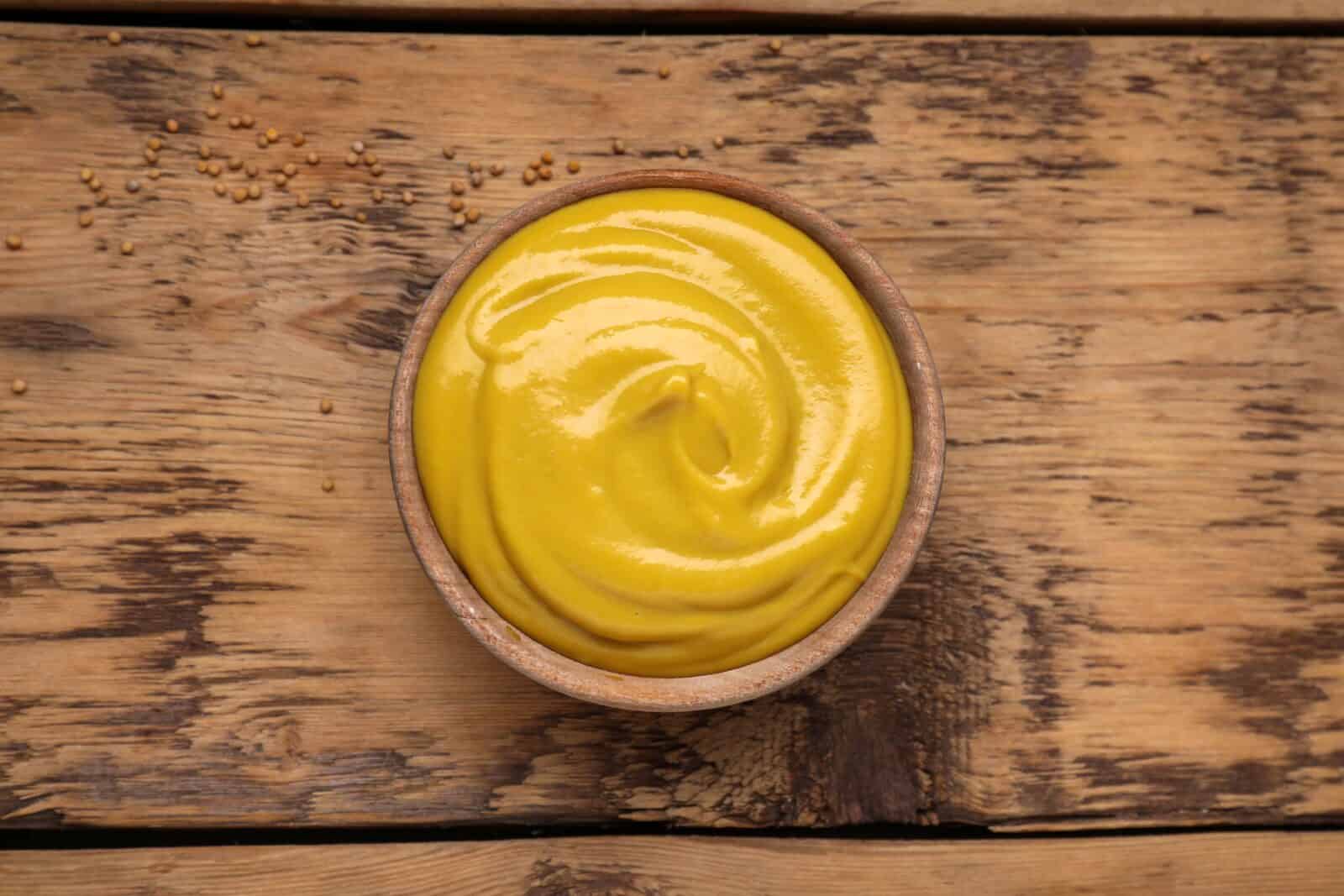
Mustard acts boldly, brightly, and almost indestructibly. It’s vinegar and spices that help it hold up better than many creamy condiments, but flavor still fades after opening. French’s says refrigeration helps maintain flavor, and it gives French’s mustard a recommended shelf life of 18 months in a squeeze bottle and 24 months in a glass jar from the manufacture date.
Dijon and horseradish mustards need extra attention because their sharp flavors can dull more quickly outside the fridge. A warm shelf can make mustard taste sleepy instead of snappy. Keep opened bottles cold, and your sandwiches, deviled eggs, dressings, and marinades will keep that bright little kick.
Ketchup belongs inside
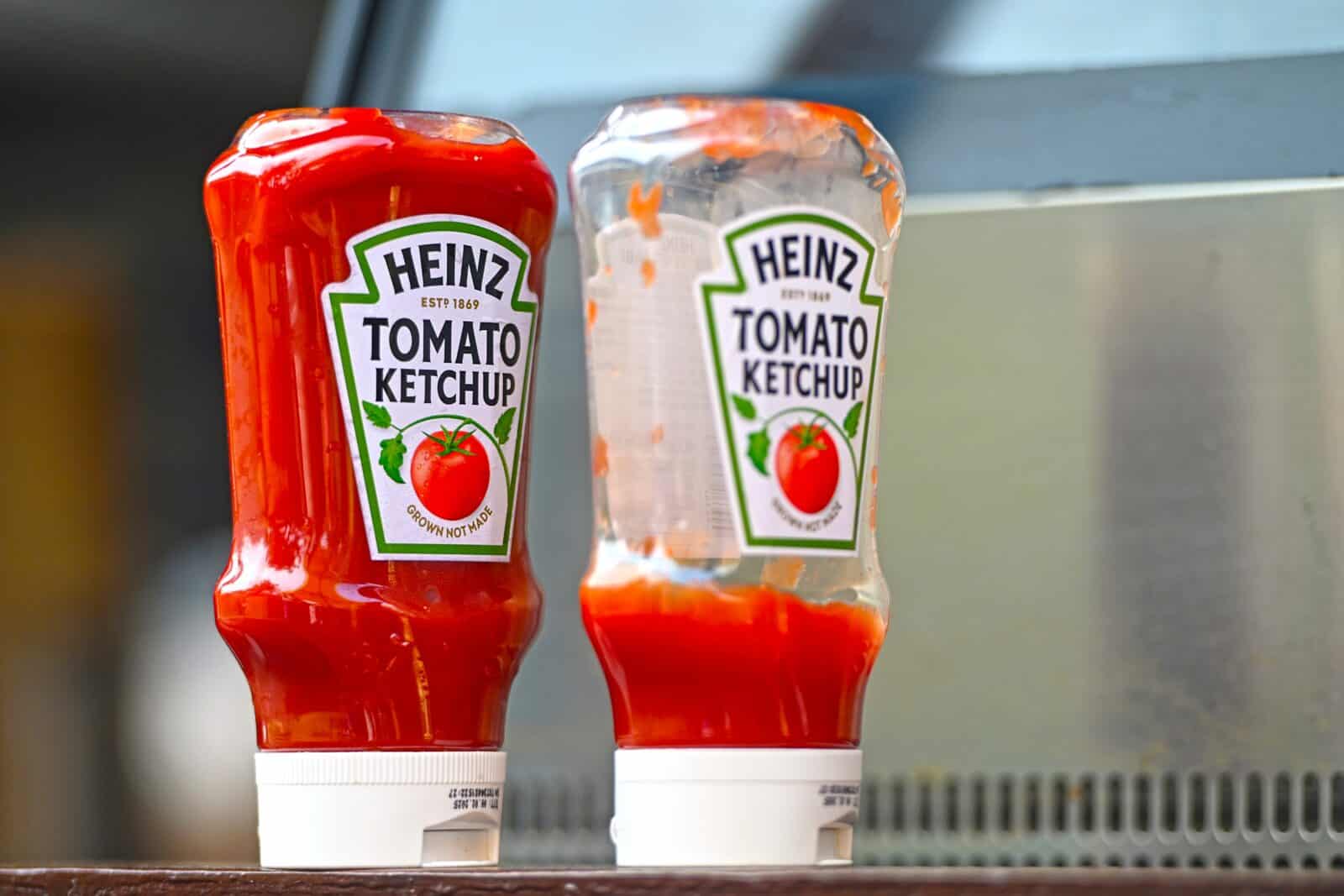
Ketchup may start more kitchen debates than some holiday menus. Restaurants leave it on the tables, so many families assume the counter will work forever. AARP’s food storage guidance, citing USDA recommendations, says an opened ketchup can stays fresh in the refrigerator for 6 months. Heinz advises refrigerating after opening for best results.
That matters because home bottles usually last longer than restaurant bottles, which get emptied fast. Warm storage can darken ketchup, thin the texture, and weaken its familiar sweet-tangy taste. If your bottle has lived beside the stove for months, it may still look normal while tasting tired.
Pickles stay crisp cold
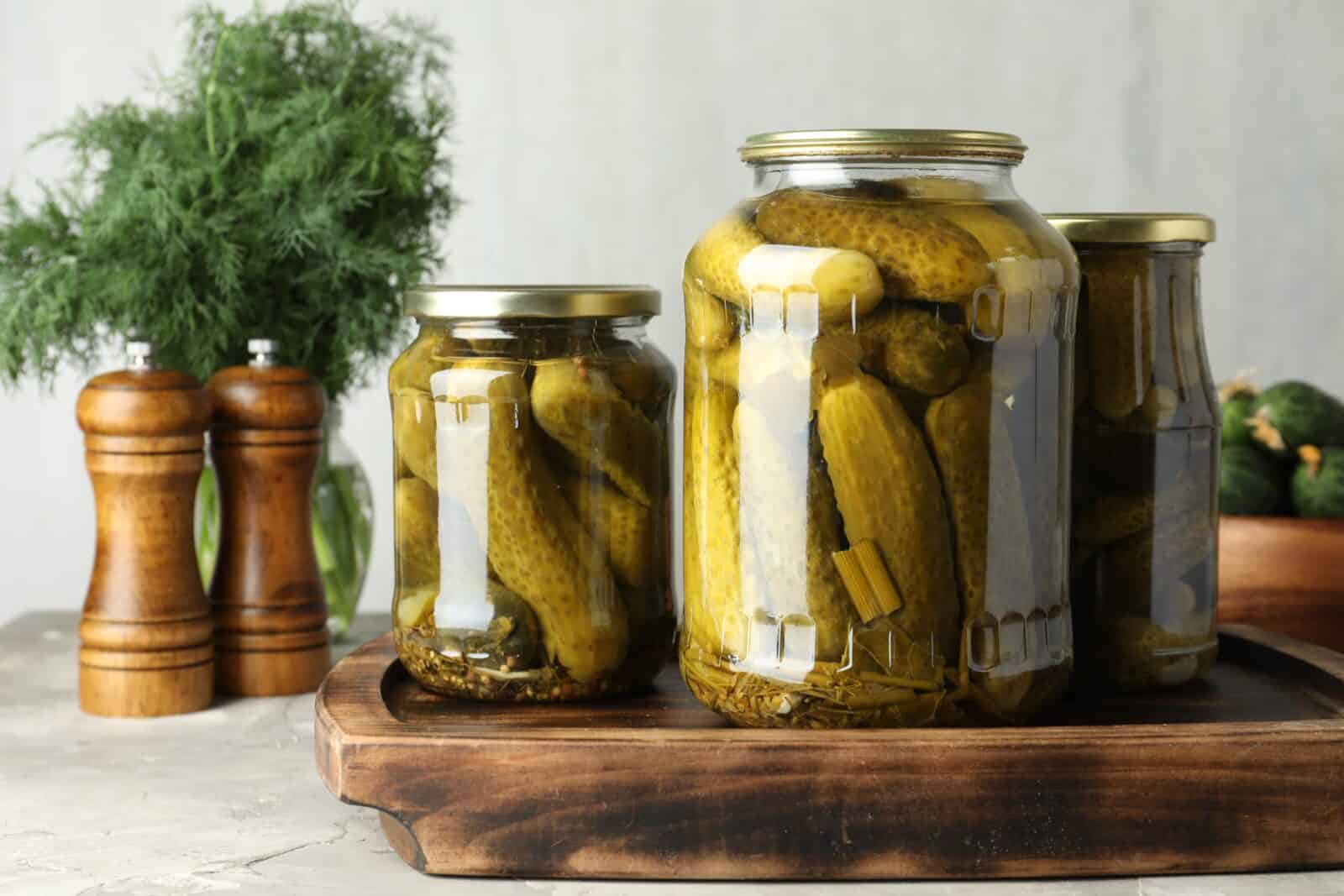
Pickles look like they could survive anything because they sit in salty, acidic brine. That brine does serious work, but the fridge still protects crunch, flavor, and freshness once the jar opens.
A warm pantry can soften that satisfying snap and make the brine lose its clean bite. Clean utensils also matter because fingers and used forks can introduce tiny troublemakers. Keep the jar cold, keep the pickles covered, and your snack plates will thank you.
Hot sauce fades in heat
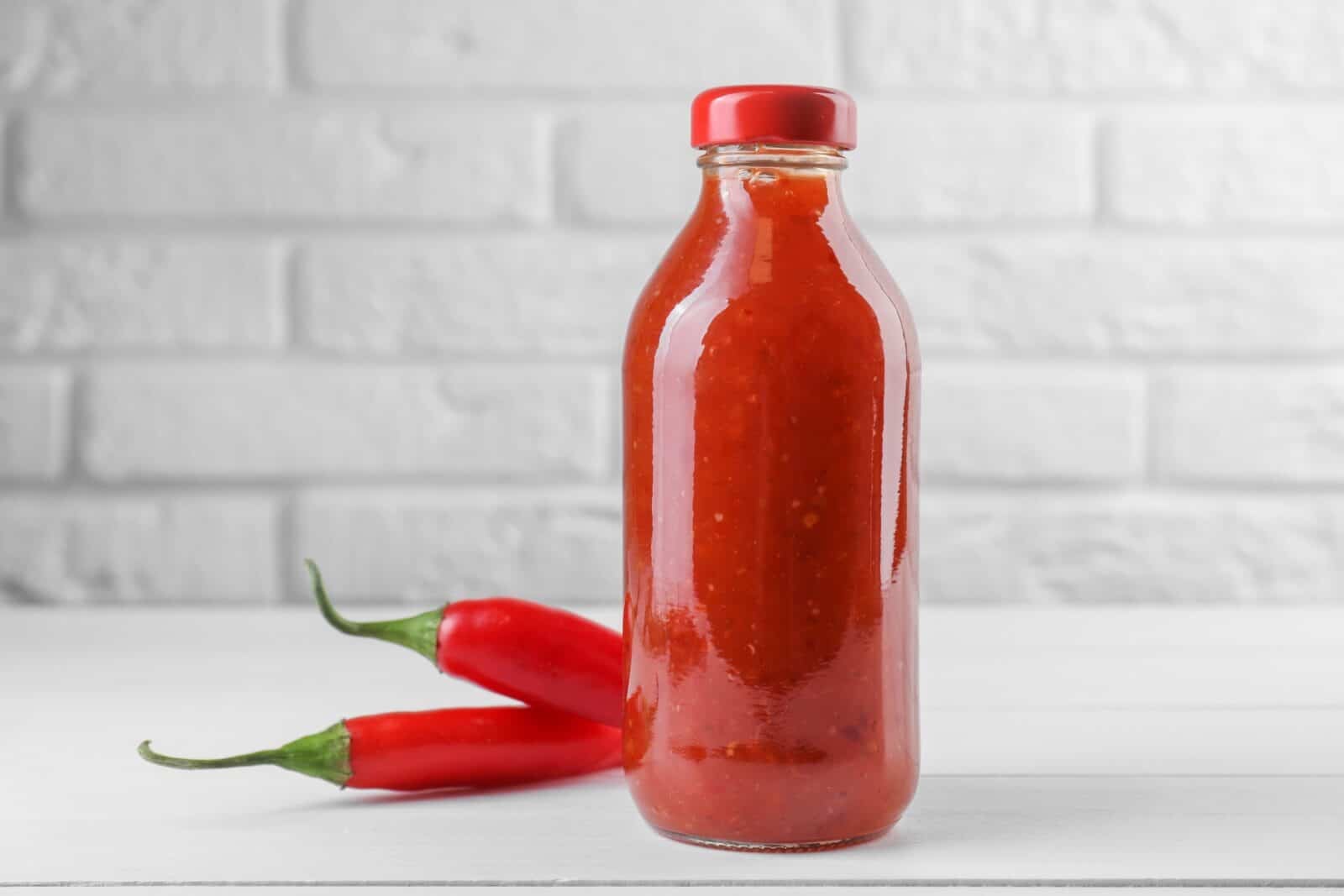
Hot sauce feels fearless because vinegar, salt, and chiles bring a serious attitude. Still, heat from the kitchen, sunlight, and oxygen can drain the sauce of color and complexity over time. Hot Ones says its sauces contain no artificial preservatives or stabilizers, so the company recommends refrigeration to preserve flavor longer; well-kept bottles can last for months in the fridge.
That does not mean every hot sauce becomes dangerous on the counter right away. It means the fridge helps your favorite bottle taste closer to how it tasted the day you opened it. If you paid for a bright, fruity, smoky, or garlicky sauce, cold storage protects the personality you wanted.
Peanut powder needs care
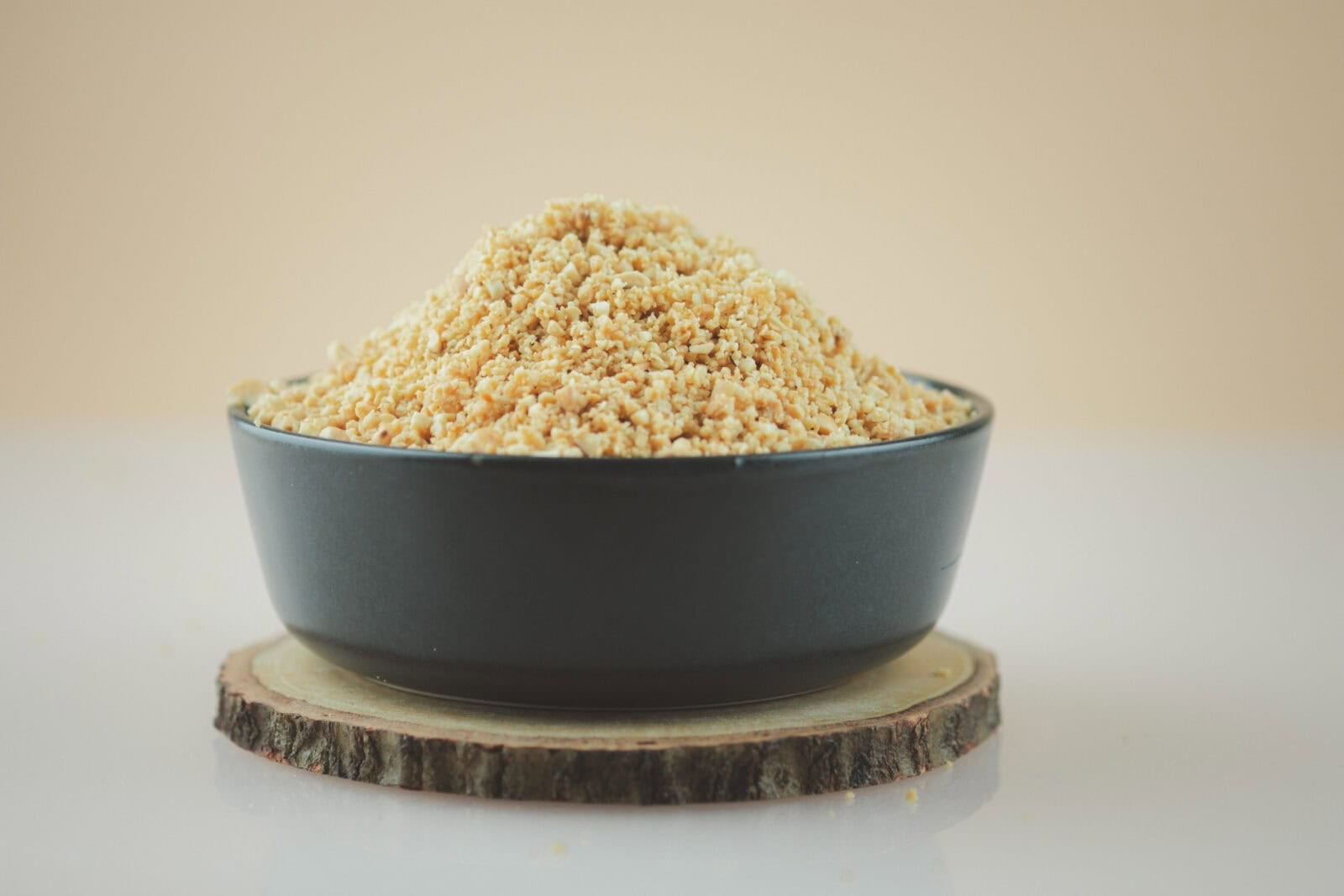
Peanut powder and peanut flour look as harmless as cocoa powder or pancake mix. They still come from peanuts, so oils and flavor compounds can stale faster after opening, especially in warm cabinets.
The Flavored PB Co. says opened peanut powder does not require refrigeration, but refrigeration keeps it fresher longer; it also says premixed peanut powder with water should be refrigerated and consumed within 12 hours.
That matters for smoothie fans, fitness snacks, sauces, and quick breakfast bowls. Dry powder needs to be stored in an airtight container away from heat. Once you mix it, treat it like fresh food and chill it right away.
Aloe gel feels better cold
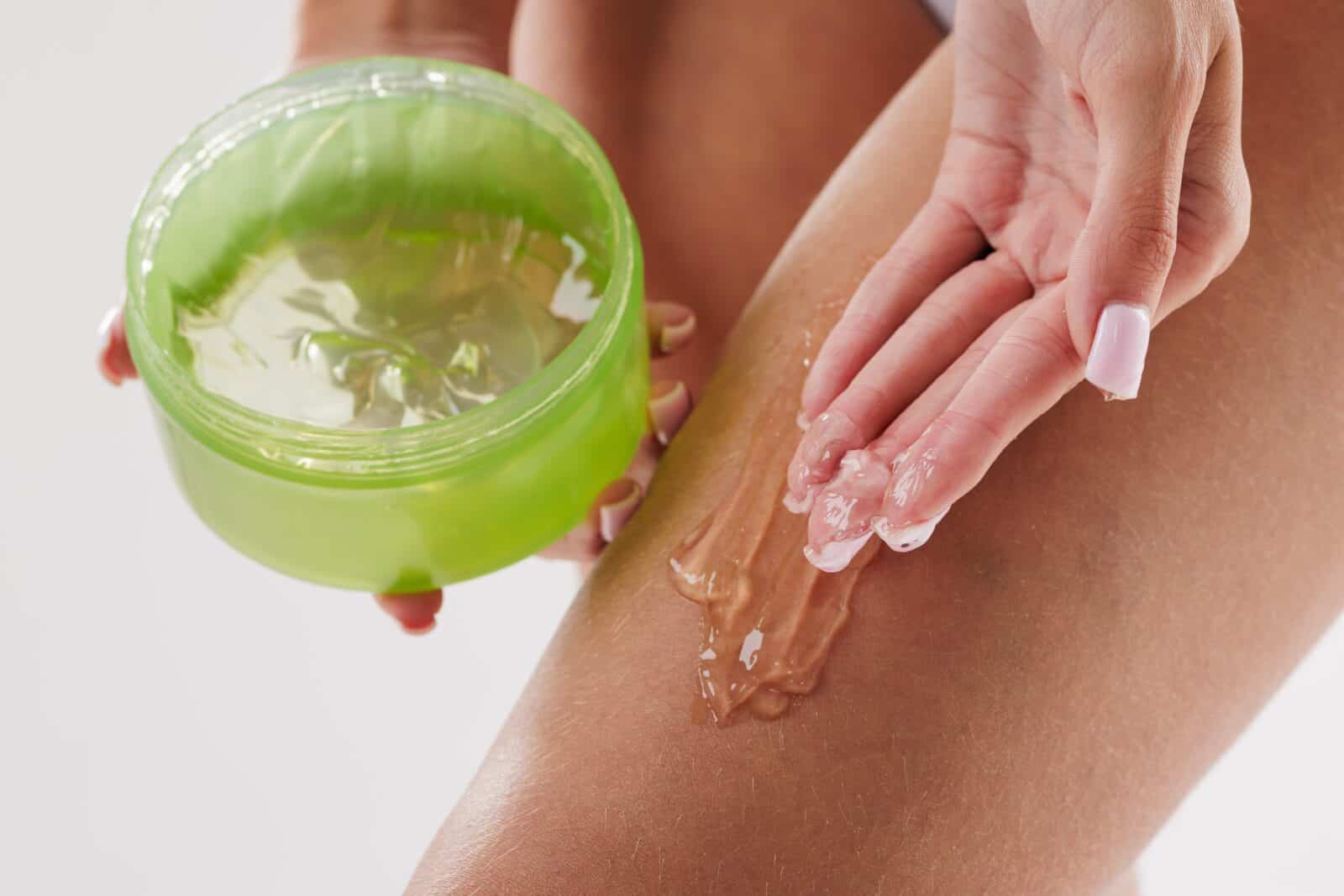
Aloe vera gel often ends up in a bathroom drawer, beach tote, or sunny windowsill. That feels convenient until heat and air start working against the product, especially with fresh or simple aloe gels. Healthline says that prepared aloe vera gel without added vitamin C or E can be stored in an airtight container in the refrigerator for up to 1 week.
Cleveland Clinic also notes that aloe can help soothe and cool sunburned skin, so a chilled tube adds comfort, as does smarter storage. Keep the cap closed, avoid dipping dirty fingers into jars, and follow the label for store-bought products. Cold aloe feels like a tiny spa moment after too much sun.
Key takeaway

Your refrigerator does more than guard milk, eggs, meat, and leftovers. It also helps open pantry favorites keep their flavor, texture, color, and freshness.
Maple syrup, natural nut butter, tortillas, mustard, ketchup, pickles, hot sauce, peanut powder, soy sauce, and aloe gel all benefit from cooler storage in different ways. The rule feels simple enough for any busy kitchen: after opening, read the label, close the container tightly, and choose the fridge whenever freshness matters.
Disclaimer – This list is solely the author’s opinion based on research and publicly available information. It is not intended to be professional advice.
Like our content? Be sure to follow us.