Food prices in 2026: What the outlook means for consumers
The most frustrating thing about food prices in 2026 is that the numbers can sound almost reasonable until you are standing at the checkout line. Americans were spending an average of $169 a week on groceries as of February 2026, and that figure helps explain why even a “moderate” increase still lands hard. A few extra dollars per trip does not feel like a data point. It feels like one less treat in the cart, one more store-brand swap, or one more conversation about whether takeout is worth it.
That is the real story behind the 2026 food price outlook. The crisis mood of earlier years of inflation has eased, but household pressure has not disappeared. In May 2026, the Bureau of Labor Statistics reported that food prices were 3.1% higher than a year earlier, with grocery prices up 2.7% and restaurant prices up 3.5%. Those are not the wild jumps consumers saw during the worst inflation years, but they are still increases on top of already high prices.
So the question for shoppers is no longer, “Are food prices exploding?” It is more personal than that: “Why does the grocery bill still feel so heavy when inflation is supposedly cooling?”
What the 2026 Outlook Actually Says
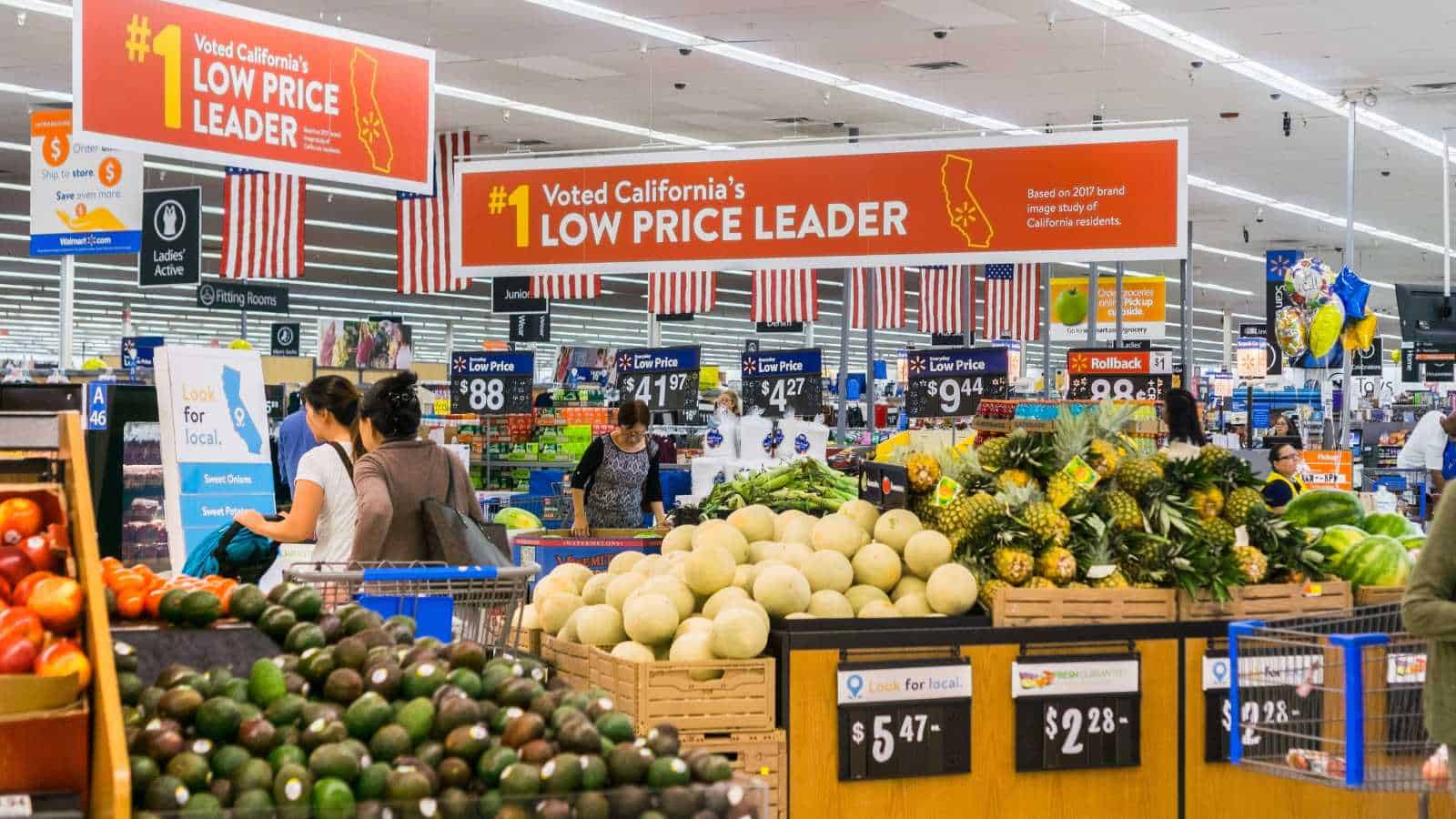
The U.S. Department of Agriculture’s June 2026 outlook predicts that all food prices will rise 3.2% for the year. Grocery store prices are expected to rise 2.8%, while food away from home is expected to rise 3.6%. In plain English, that means eating at home may still be cheaper than eating out, but neither option is exactly getting comfortable.
That difference matters because many households use restaurants as the first place to cut back. A family may decide to skip a sit-down dinner, avoid delivery fees, or replace a casual restaurant meal with a grocery-store rotisserie chicken and a bagged salad. But when grocery prices are rising too, the “cheaper option” still does not feel cheap.
This is why the public reaction to food prices remains so emotional. Consumers are not just responding to one month of inflation. They are reacting to the accumulated effect of several years of higher prices, bigger receipts, and smaller margins for error. A 3% increase does not arrive in a vacuum. It lands on a grocery bill that many families have already reshaped in 2024 and 2025.
The Grocery Aisle Is Uneven Now
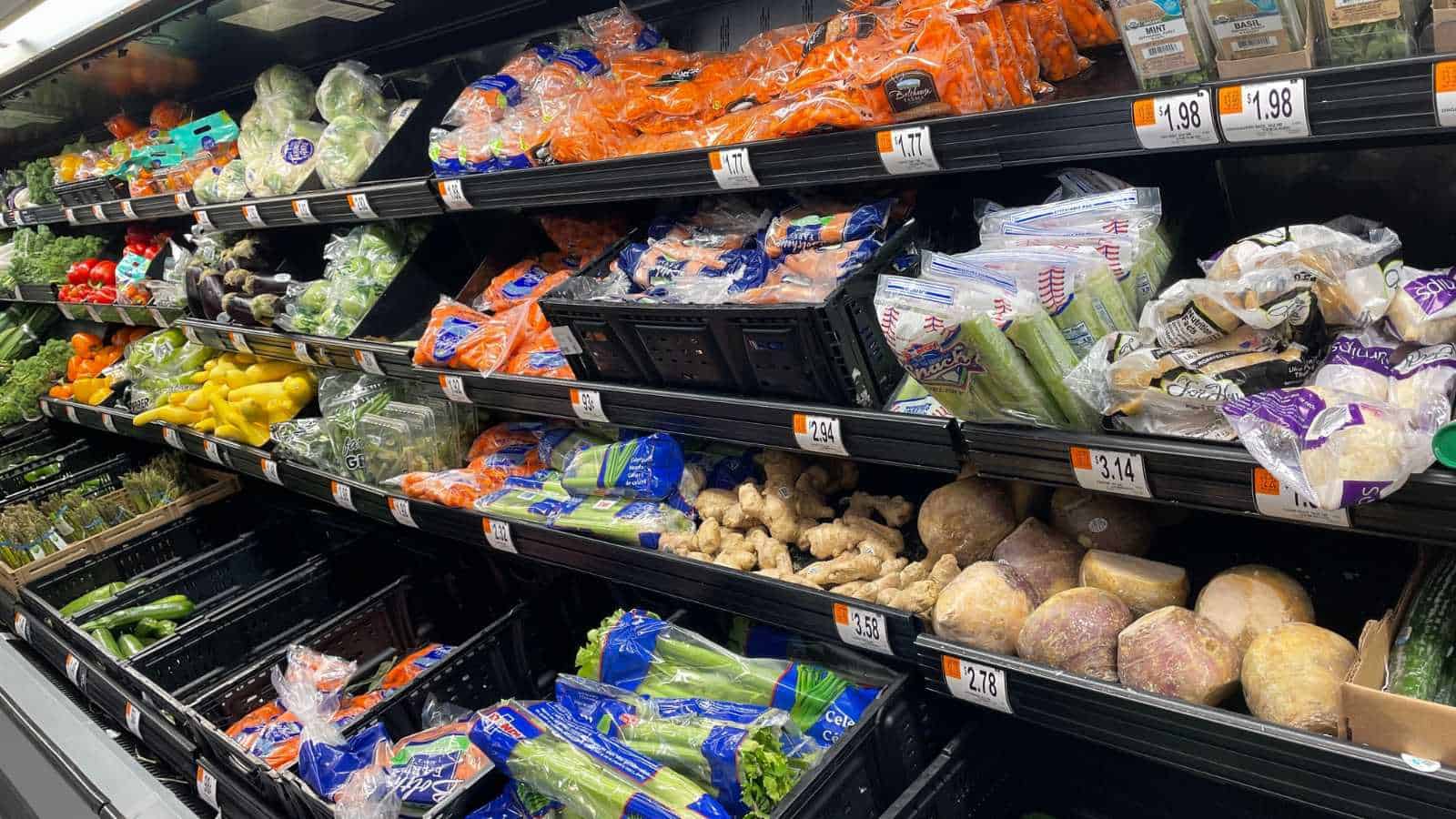
The 2026 food story is not one big price wave. It is a patchwork. Some items are cooling, some are rising, and some are behaving in ways that make grocery shopping feel unpredictable.
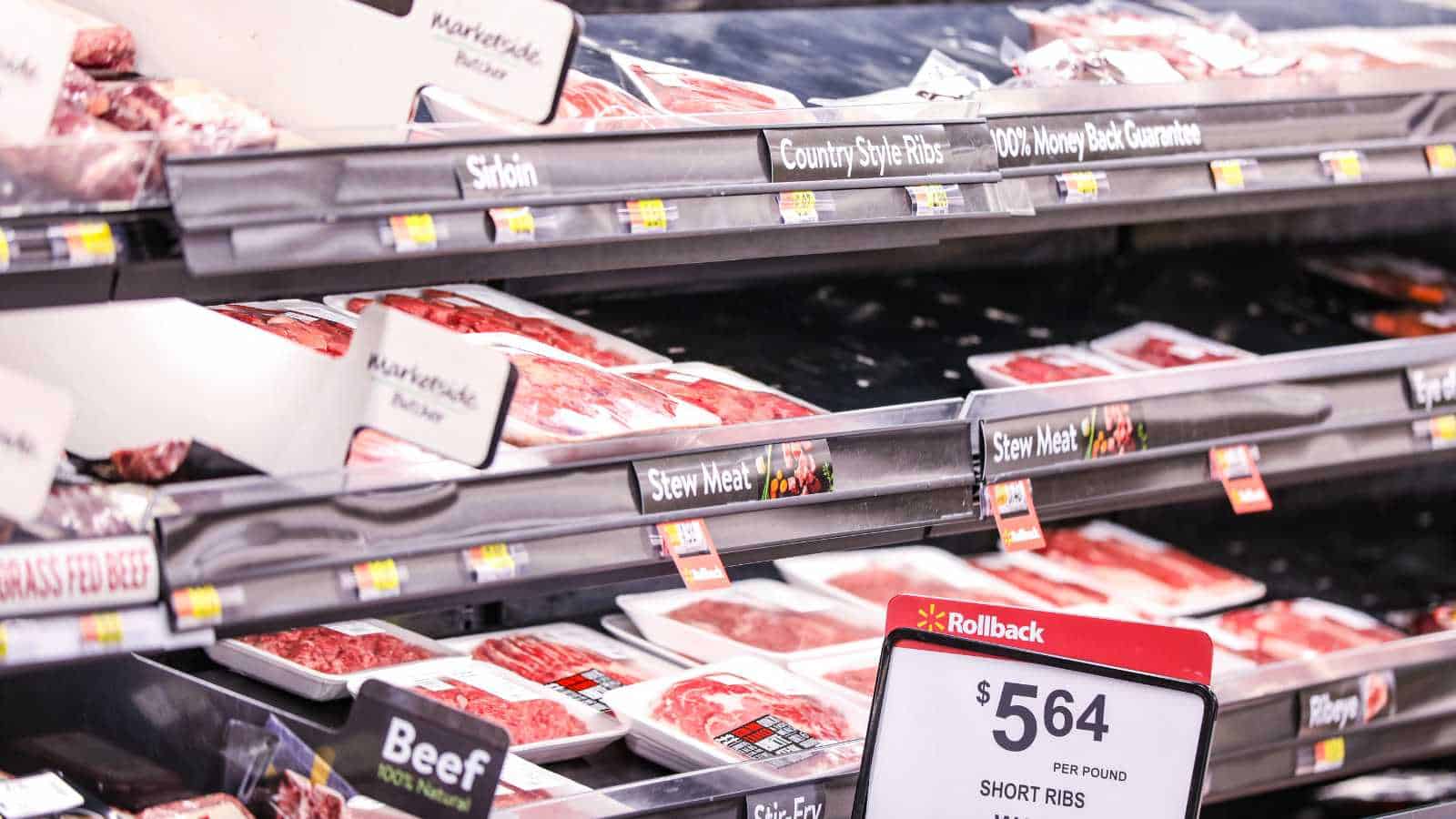
Beef is one of the clearest pressure points. USDA data shows beef and veal prices were 12.9% higher in May 2026 than in May 2025, even after a monthly decline from April to May. That helps explain why shoppers may still notice sticker shock in the meat case, especially if steak, ground beef, or family cookout staples are regular purchases.
Eggs tell the opposite story. After years of volatility tied to avian flu, retail egg prices were 35.2% lower in May 2026 than a year earlier, and the USDA expects egg prices to fall sharply for the full year. That is real relief, especially for households that rely on eggs as an affordable protein.
Fresh vegetables, however, show why relief in one aisle does not fix the whole cart. Retail fresh vegetable prices were 11.9% higher in May 2026 than in May 2025, with tomatoes standing out as especially expensive. For shoppers trying to eat healthier, that kind of increase can feel almost punishing. The food most people are told to buy more of is often the food that feels easiest to skip when money gets tight.
Why Consumers Still Feel Squeezed
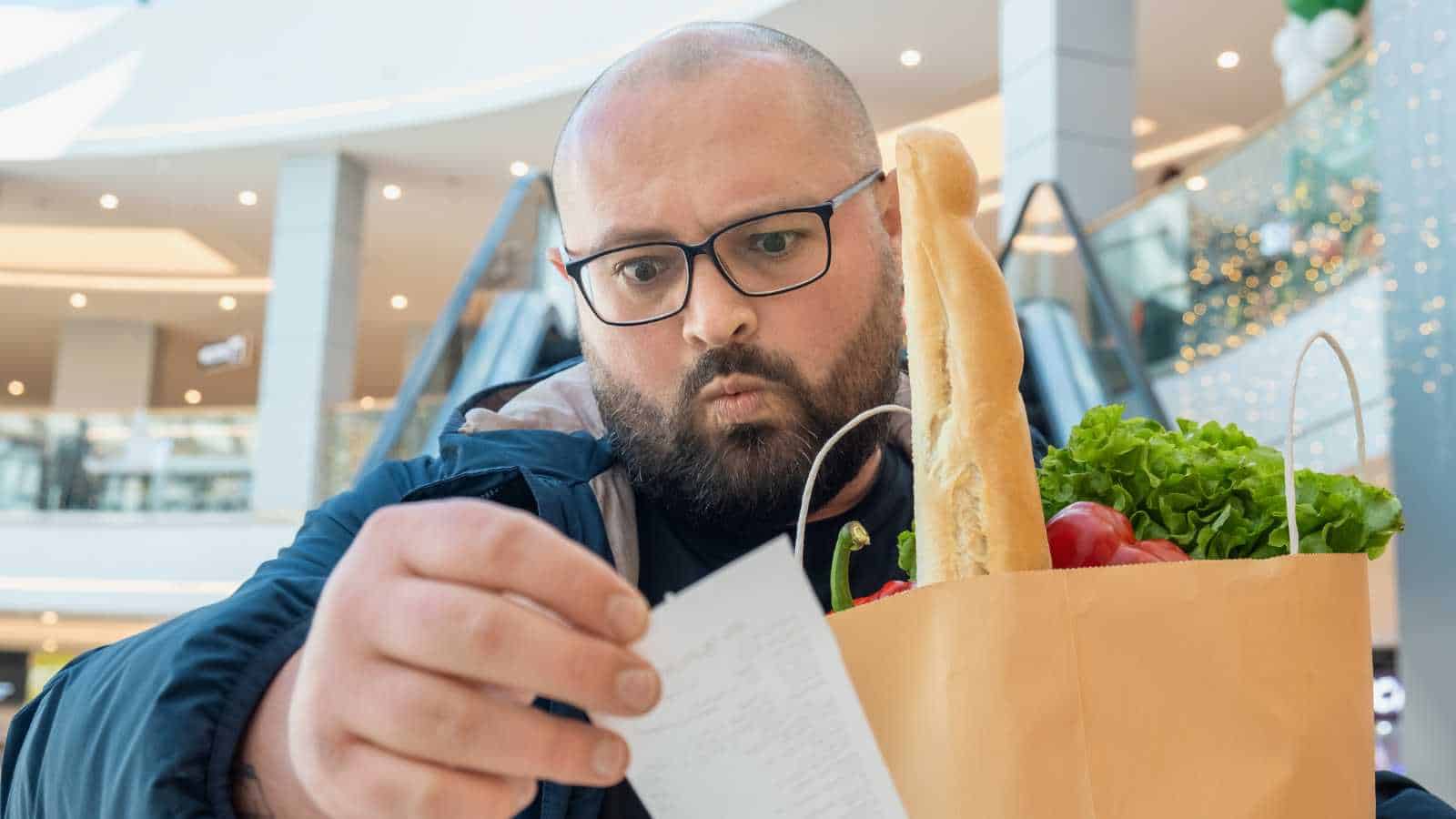
Food prices are uniquely personal because people encounter them constantly. Rent may be paid once a month. Insurance may renew a few times a year. Groceries confront consumers every week, sometimes several times a week, and every price tag becomes a tiny reminder of the broader economy.
That is why consumer mood matters as much as the official inflation rate. In June 2026, U.S. consumer sentiment improved from May, but the cost of living remained front and center. The University of Michigan’s consumer sentiment index rose to 49.5 in June, up from 44.8 in May, yet more than half of consumers still said high prices were weighing on their personal finances. That is the emotional gap economists often struggle to explain: inflation can slow, but prices rarely go back to where people remember them.
There is also a control issue. Shoppers can change brands, clip digital coupons, visit discount stores, buy frozen vegetables, or cook more at home. Those strategies help, but they also require time and energy. Budgeting itself becomes another household chore.
That may be one reason physical grocery stores still matter so much. FMI’s 2026 grocery shopper research found that 54% of shoppers always shop in-store at their primary store. Many shoppers still want to see produce, compare meat, check sizes, and decide in the moment what actually feels worth the money.
Different Households, Different Food Realities
The 2026 outlook does not hit every household the same way. Higher-income shoppers may complain about food prices but still absorb them. Middle-income families may trade down, compare more, or cut restaurants. Lower-income households face a much harsher calculation, especially when food, rent, utilities, transportation, and health costs all compete for the same paycheck.
This is where the debate gets complicated. Some people see the current outlook as evidence that inflation is normalizing. They are not wrong. Food price growth is far below the most painful recent spikes, and some key staples are easing. For policymakers and economists, that matters.
But consumers tend to judge the economy by lived experience, not annual forecast ranges. If a parent spends more to pack school lunches, if a retiree notices coffee and produce taking a bigger bite out of a fixed income, or if a young adult realizes that eating out has become an occasional luxury, “moderate inflation” can sound detached from daily life.
Retailers also sit in the middle of this tension. They are trying to keep customers loyal while dealing with labor costs, supply shifts, transportation expenses, and changing demand. Shoppers want value, but value now means more than the lowest sticker price. It can mean convenience, quality, a clean store, reliable private-label products, and the feeling that a grocery trip did not turn into a financial guessing game.
What Consumers Can Take From the Outlook
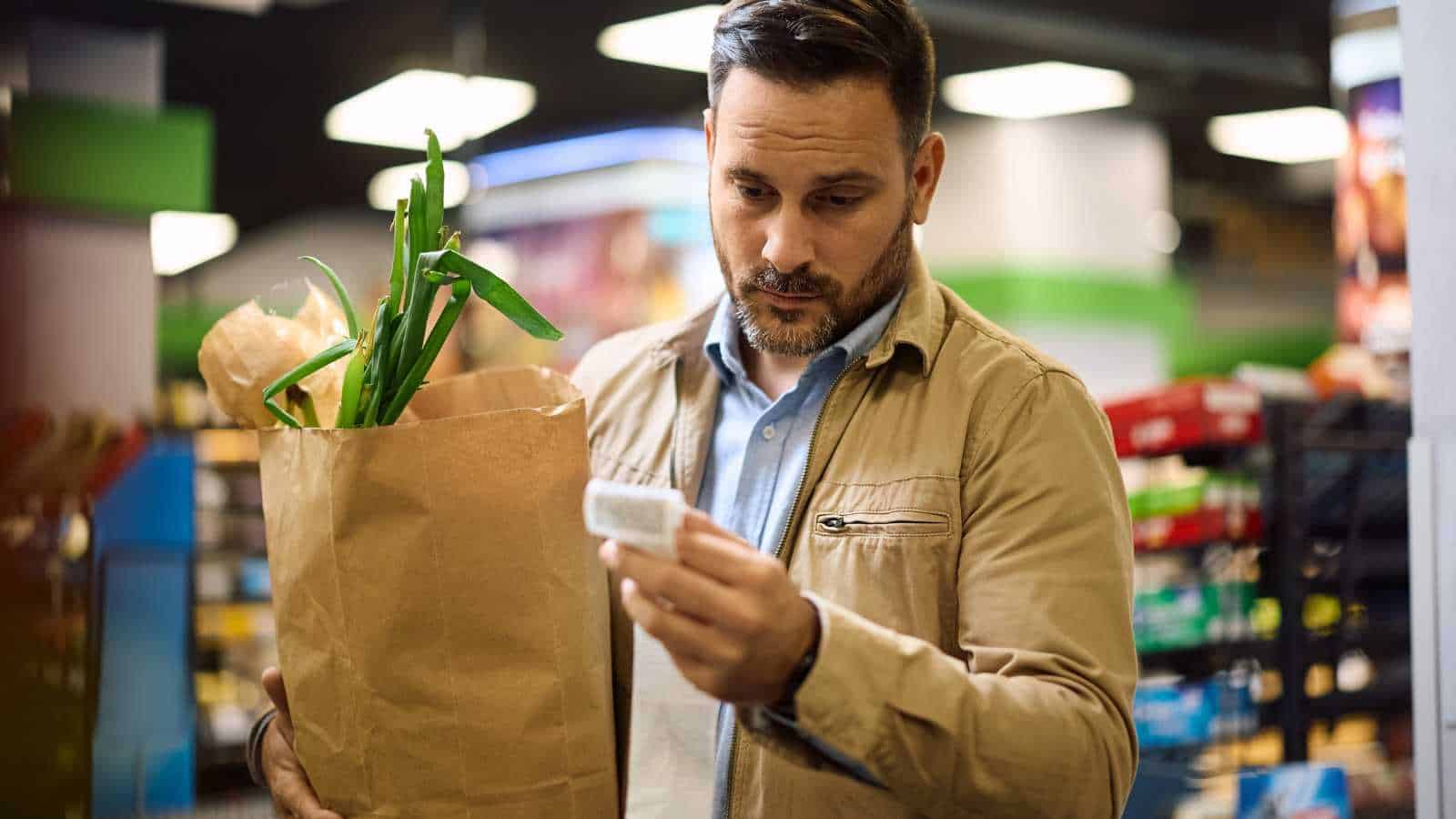
The practical takeaway is that 2026 is not shaping up to be a year of dramatic food-price relief. It is more likely to be a year of selective relief. Eggs may help. Some categories may cool. But beef, fresh vegetables, sugar and sweets, nonalcoholic beverages, and restaurant meals are still expected to continue to put pressure on budgets.
That does not mean shoppers are powerless. The best strategy in 2026 may be flexibility rather than strict loyalty. That could mean switching proteins when beef spikes, buying frozen or canned produce when fresh vegetables become expensive, comparing store apps before leaving home, or using grocery-prepared meals as a cheaper alternative to restaurant takeout.
The bigger story is cultural as much as economic. Food has become one of the clearest indicators Americans use to gauge whether life feels affordable. It is not abstract. It is the cart, the receipt, the dinner table, and the small choices families make before anyone else sees them.
The 2026 food price outlook suggests the worst heat may be gone from grocery inflation, but the burn is still there. Consumers are not imagining it. They are living through the quieter phase of inflation, the phase where prices rise more slowly, but budgets still feel bruised. And for many American households, that may be the hardest part to accept.
Disclaimer – This list is solely the author’s opinion based on research and publicly available information. It is not intended to be professional advice.
Like our content? Be sure to follow us.