10 dark historical events your school quietly left out of the lesson plan
Standard history textbooks often gloss over the nation’s most uncomfortable truths to preserve a polished narrative.
Recent National Assessment of Educational Progress data revealed that only 13 percent of eighth graders performed proficiently in U.S. history. Scores dropped five points between 2018 and 2022, continuing a decade-long decline. This massive educational gap suggests a failure to teach the complex realities of past struggles.
A Southern Poverty Law Center report found that only 8 percent of high school seniors knew slavery caused the Civil War. Over half of history teachers reported that their textbooks were completely inadequate. The historical record is packed with raw, devastating chapters that standard lesson plans simply leave out.
The Wilmington coup and massacre of 1898
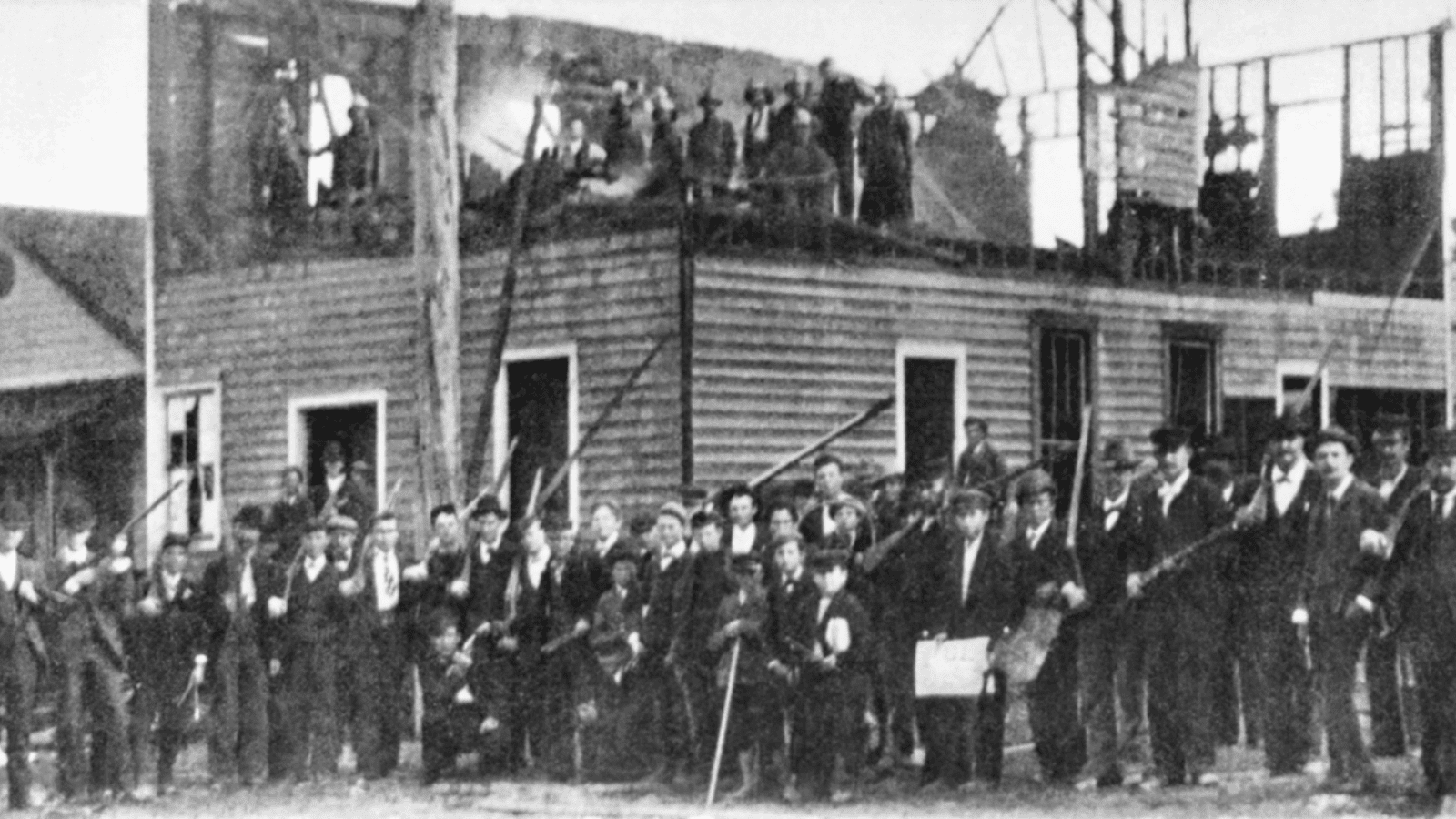
In 1898, a mob of white supremacists violently overthrew a legally elected biracial government in North Carolina. This stands as the only successful coup d’état in United States history.
Leader Alfred Moore Waddell incited the mob, telling them to shoot Black voters and “choke the current of the Cape Fear River” with bodies. This brutal rampage killed between 60 and 300 Black residents and forced thousands to flee.
The Tulsa race massacre of 1921
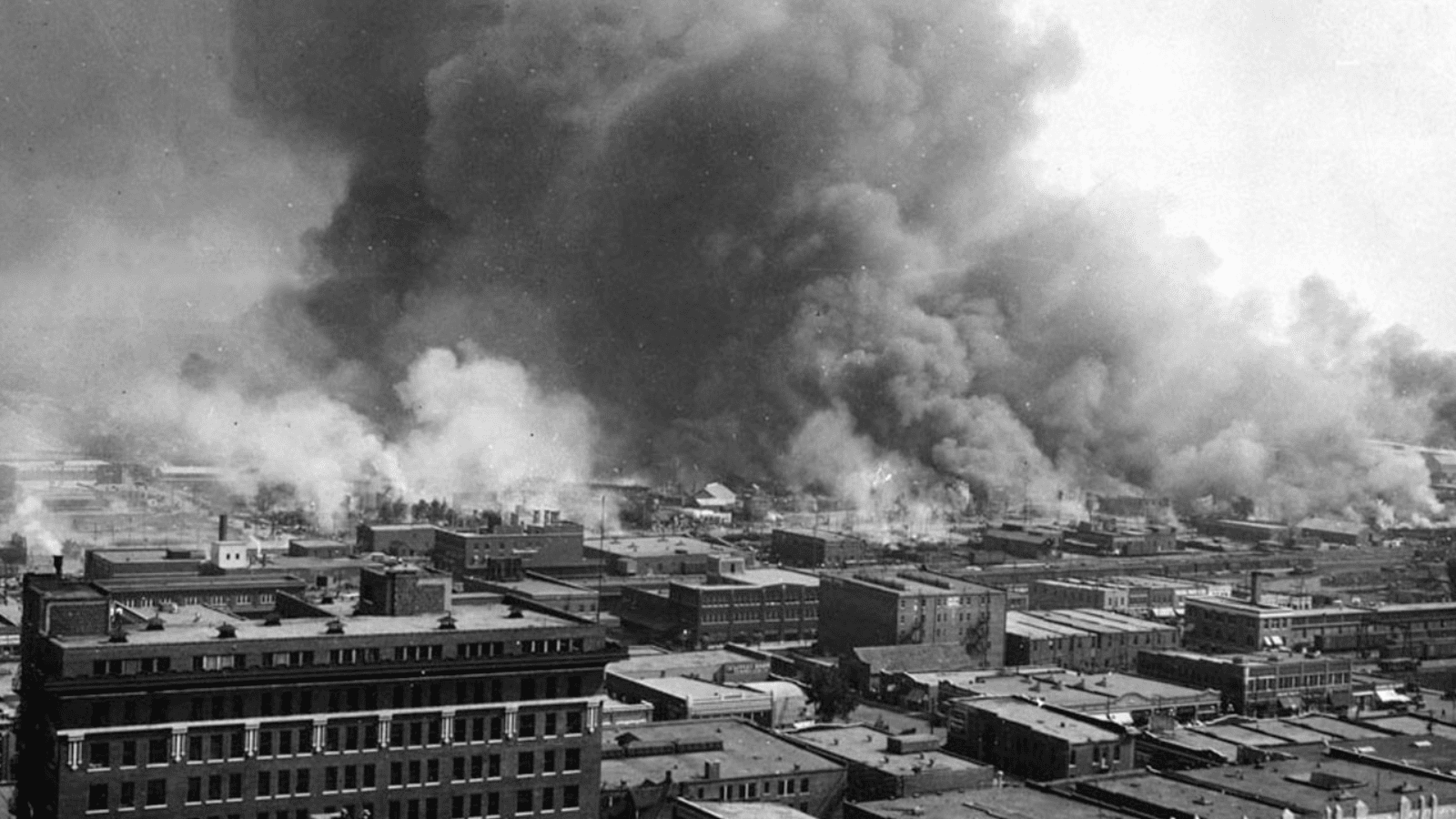
A thriving Black business district in Oklahoma was entirely incinerated by a jealous white mob in 1921. The Greenwood neighborhood, known as “Black Wall Street,” was one of the wealthiest Black communities in the country.
Vigilantes looted homes, shot residents, and carried out the first aerial bombing of an American city. While official records listed 36 dead, modern historians estimate up to 300 people perished.
The Ludlow massacre of 1914
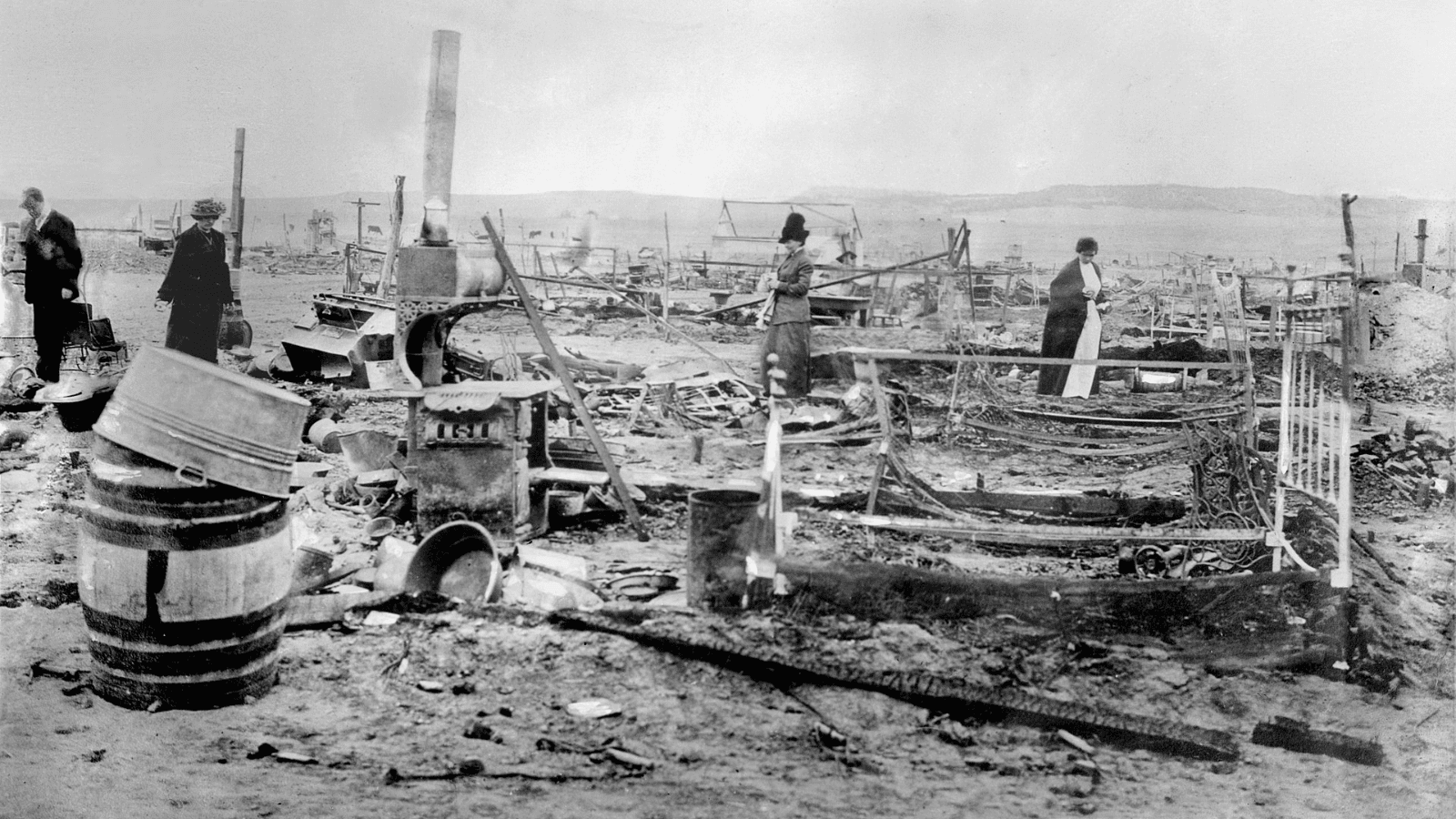
Colorado state militia and private guards launched a deadly assault on striking coal miners and their families. Evicted from company houses, striking families lived in a makeshift tent colony.
State troops fired machine guns into the camp and set the tents ablaze. The attack killed 21 people, including 11 children who suffocated in a cellar pit.
The Tuskegee syphilis study
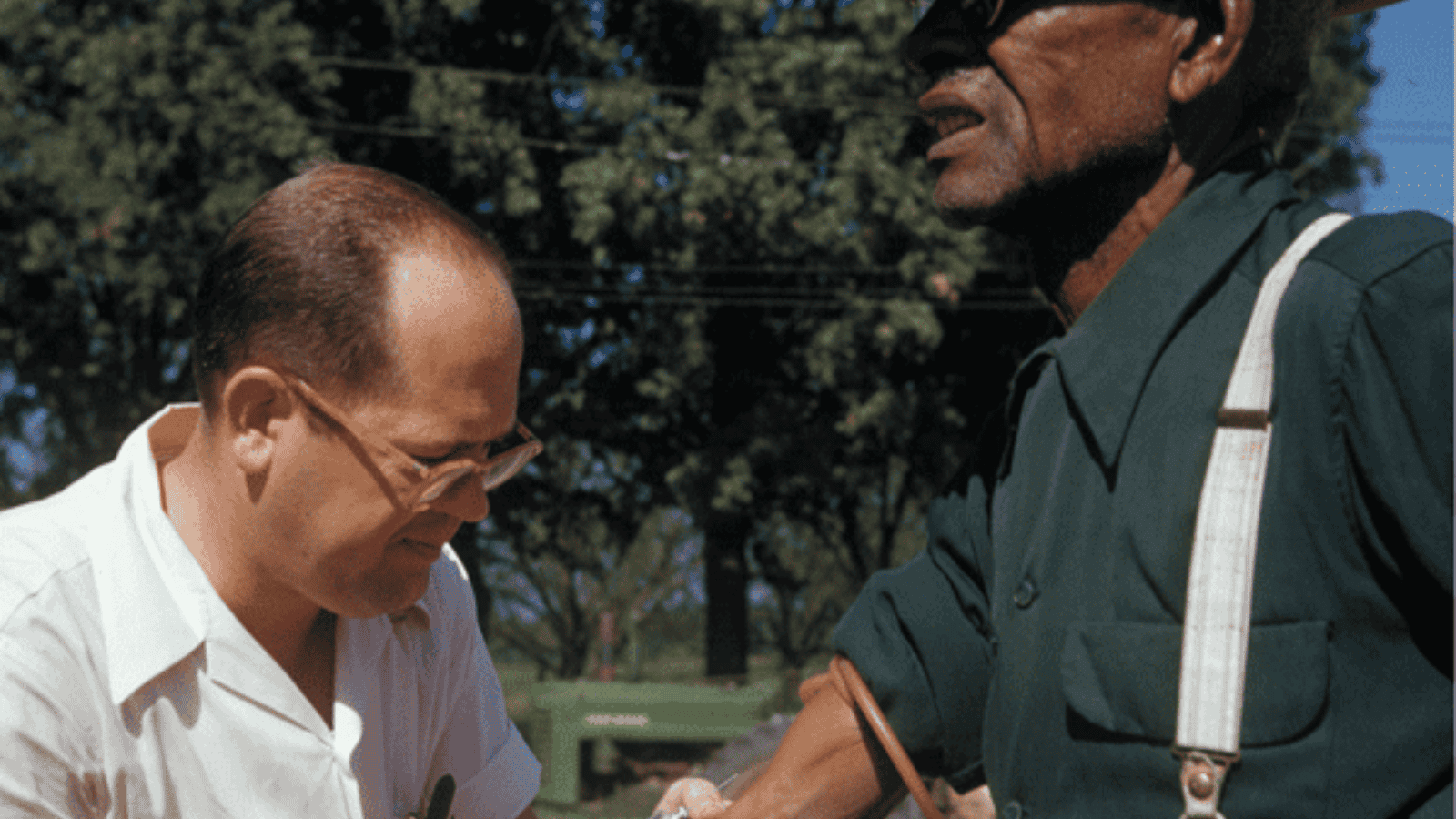
For 40 years, the federal government conducted a deeply unethical medical experiment on Black men. Beginning in 1932, researchers tracked 399 Black men with syphilis under the guise of free healthcare.
They withheld treatment and offered only aspirin, watching the disease ravage the men’s bodies. Even when penicillin became the cure, researchers blocked treatment because they wanted autopsy data.
The Rosewood massacre of 1923
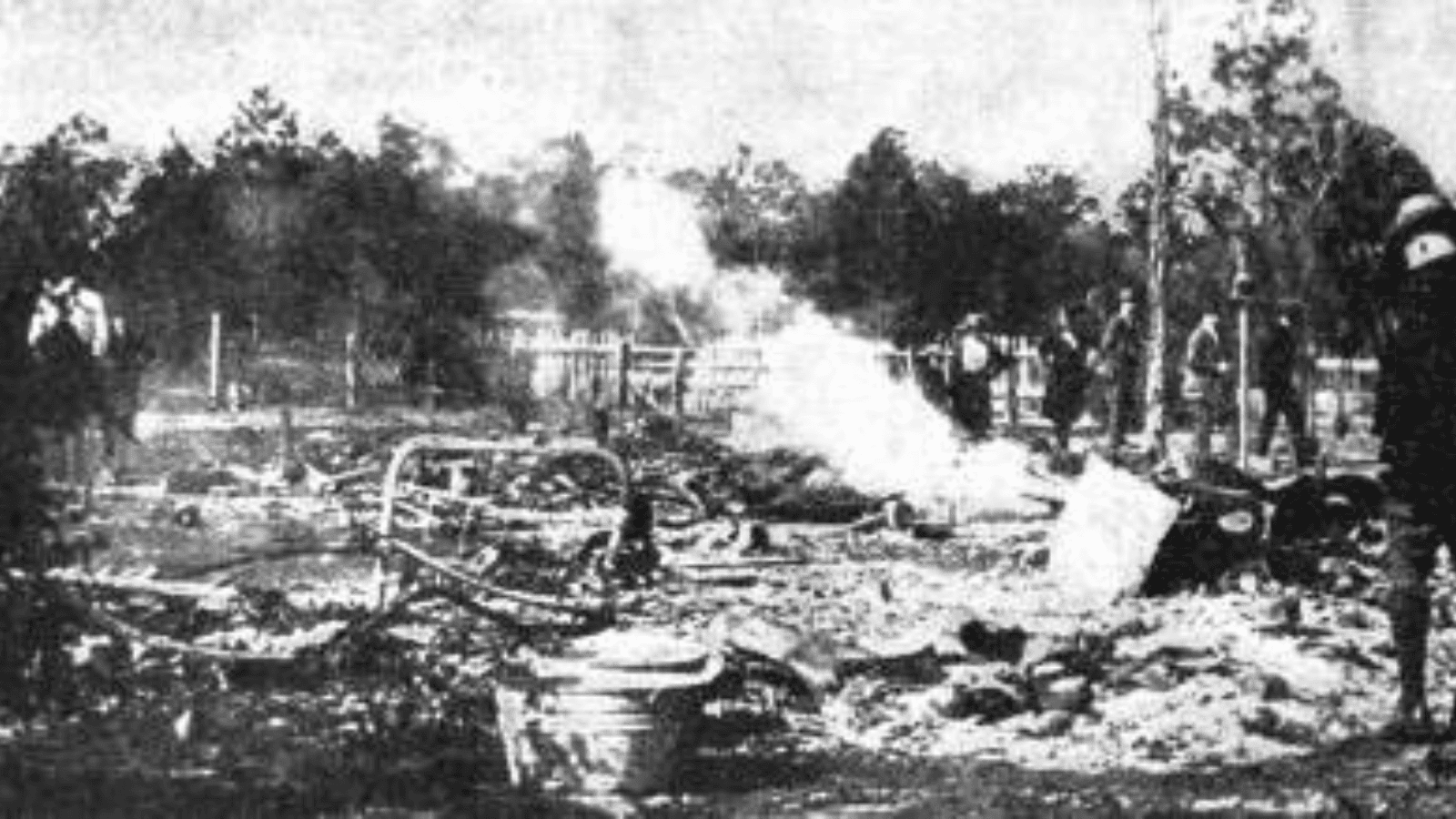
A fabricated accusation by a white woman wiped a self-sufficient Black town off the Florida map. In January 1923, an armed white mob descended on Rosewood to hunt an alleged suspect.
Vigilantes shot residents on sight, terrorized families, and burned every single structure to the ground. Fleeing survivors hid in nearby freezing swamps as the town was reduced to ashes.
The secret bombing of Laos
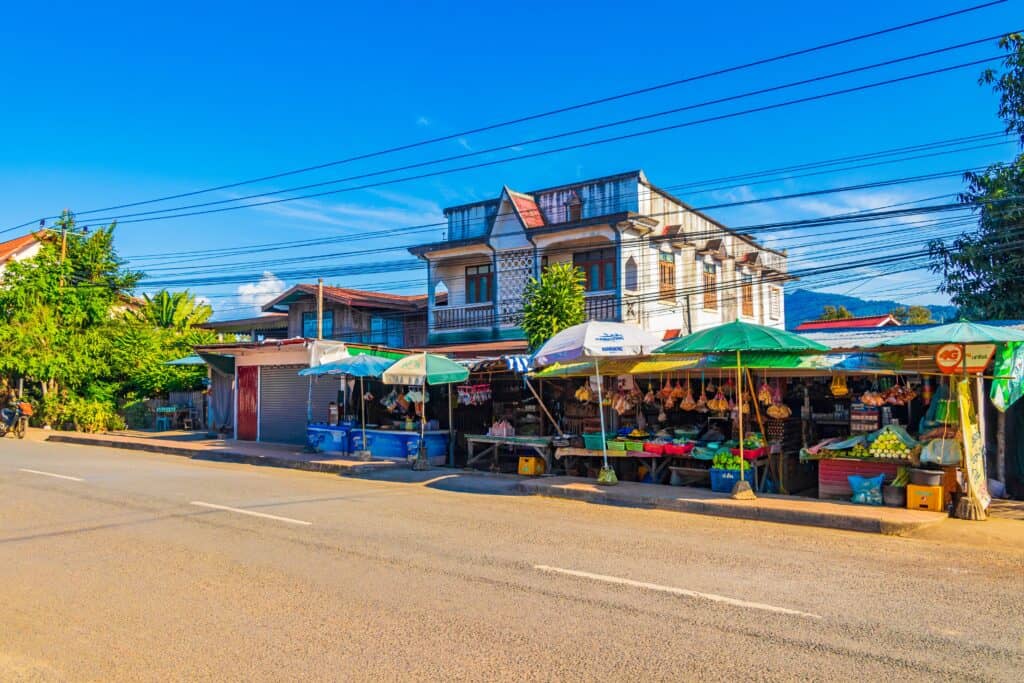
The United States military secretly dropped millions of tons of high explosives on a neutral nation. During the Vietnam War era, the CIA ran a covert bombing campaign over Laos from 1964 to 1973.
The campaign dropped a planeload of bombs every 8 minutes, 24 hours a day, for 9 years. Over two million tons of ordnance rained down, making Laos the most bombed country in history.
The forced sterilization of Native American women
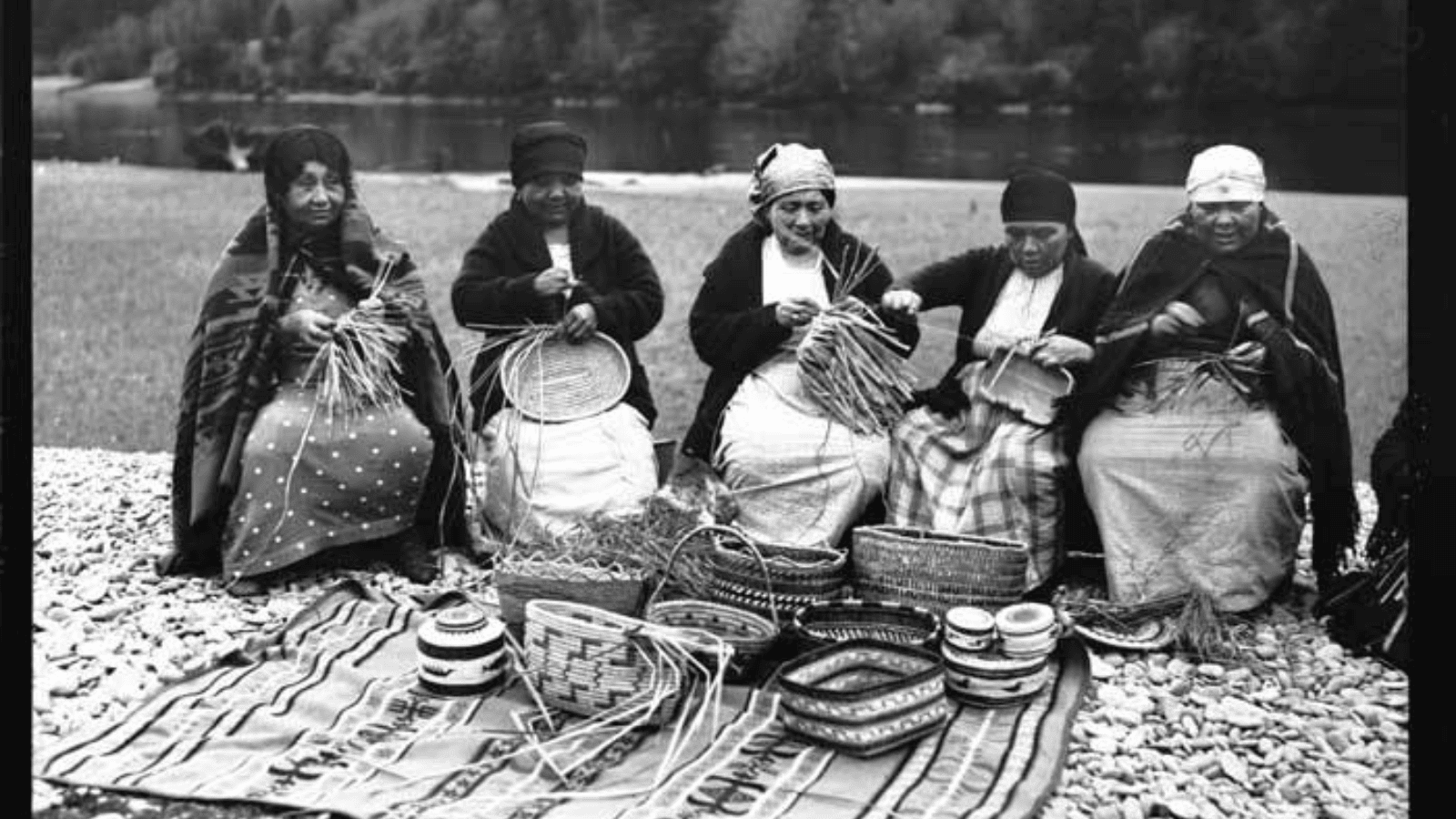
During the 1970s, federal policies subsidized the coercive sterilization of thousands of indigenous women. The Family Planning Services and Population Research Act of 1970 funded these permanent procedures.
Physicians sterilized an estimated 25 to 50 percent of Native women of childbearing age in just six years. Historian Brianna Theobald noted that federal authorities have long used coercive sterilization to control indigenous families.
Operation Paperclip
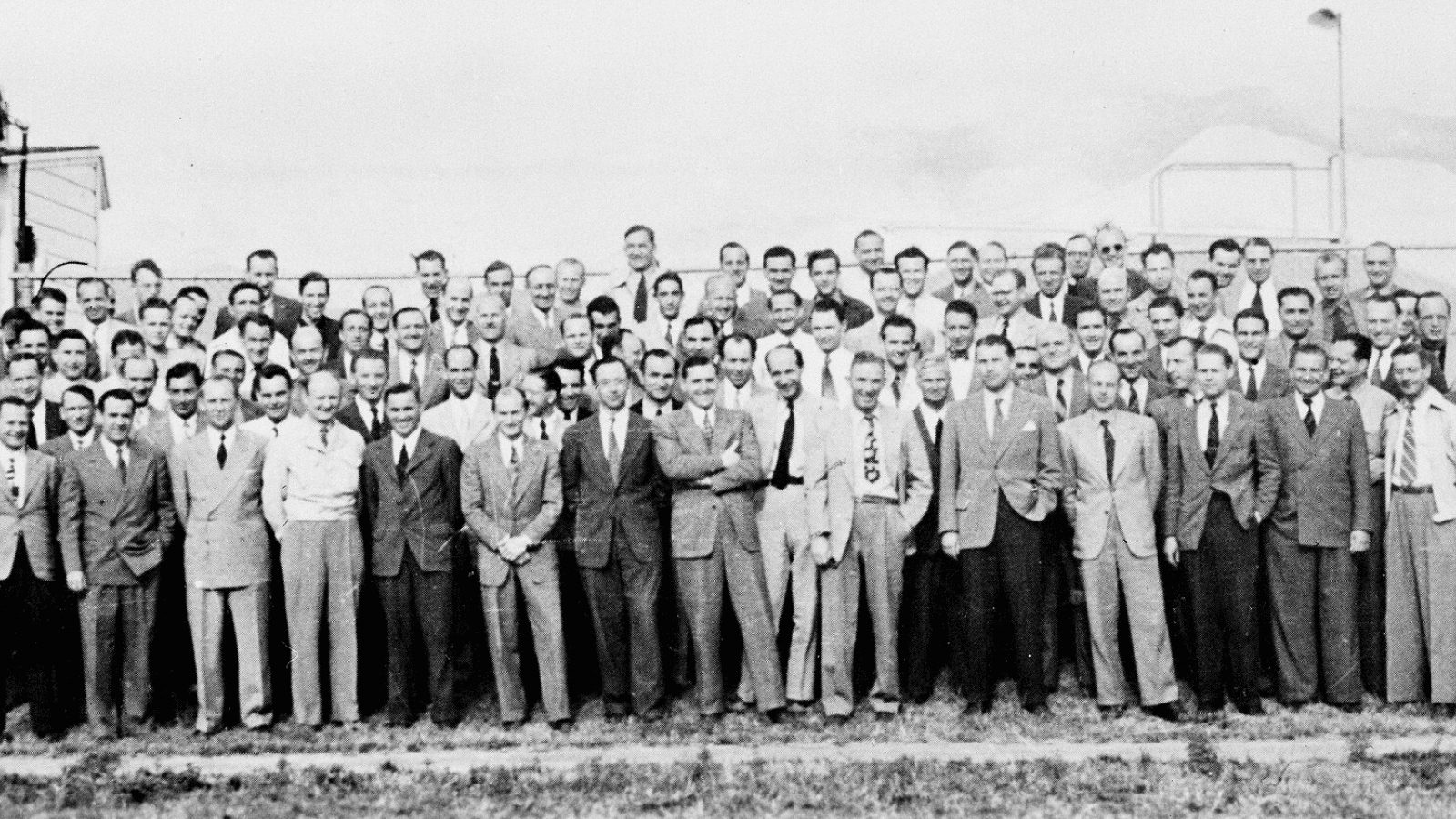
The United States government quietly recruited and imported hundreds of Nazi scientists after World War II. This classified program brought over 1,600 German specialists and their families to America.
Many recruits were dedicated Nazis involved in severe war crimes, including lethal human experimentation. Military officials deliberately altered records to secure technical dominance during the Cold War.
The 1985 MOVE bombing in Philadelphia
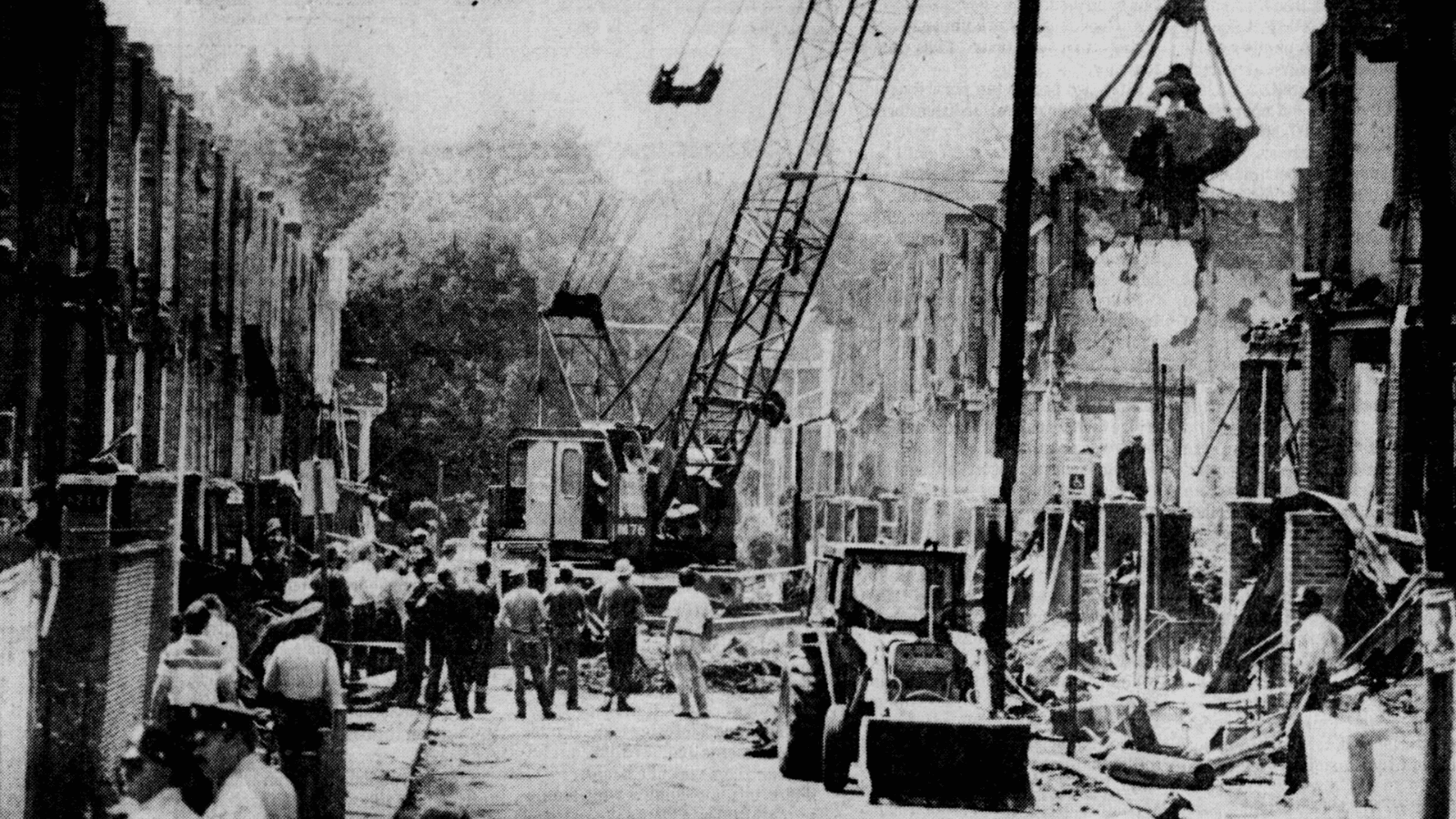
A local standoff culminated in a city dropping a military-grade bomb on its own residents. In May 1985, Philadelphia police confronted members of the Black revolutionary group MOVE.
Officers fired over 10,000 rounds of ammunition and dropped a C-4 explosive device from a helicopter. The blast killed 11 people, including five children, and burned down 61 residential homes.
The segregationist design of the interstate highway system

Mid-century highway planners purposefully routed major transit networks directly through minority neighborhoods. The Federal-Aid Highway Act of 1956 authorized over 40,000 miles of highway construction.
Under the guise of urban renewal, officials demolished thriving Black communities to build massive concrete divides. This deliberate infrastructure design displaced over one million low-income people of color nationwide.
Key takeaway

The evidence suggests that omitting these critical history chapters leaves students unprepared to understand systemic inequality. A robust education requires examining both triumphs and tragedies.
Addressing these historical gaps remains essential to bridging deep divisions in American society.
Disclaimer – This list is solely the author’s opinion based on research and publicly available information. It is not intended to be professional advice.
Like our content? Be sure to follow us