DNA vs. Motherhood: When genetics overrule love
Genetic testing has promised answers; but sometimes those answers unsettle everything we thought we knew about family. Across tens of thousands of consumers, DNA tests reveal hidden adoptions, donor conception, or misattributed parentage, and the emotional fallout can be profound. Love built over years of caregiving can suddenly collide with cold science, raising questions about identity, loyalty, and what truly defines a mother.
These revelations can trigger grief, anger, or even estrangement. Yet attachment theory studies remind us that attachment and intentional parenting often outweigh DNA when it comes to deep, lasting bonds.
The DNA test that rewrites who “counts” as a mother
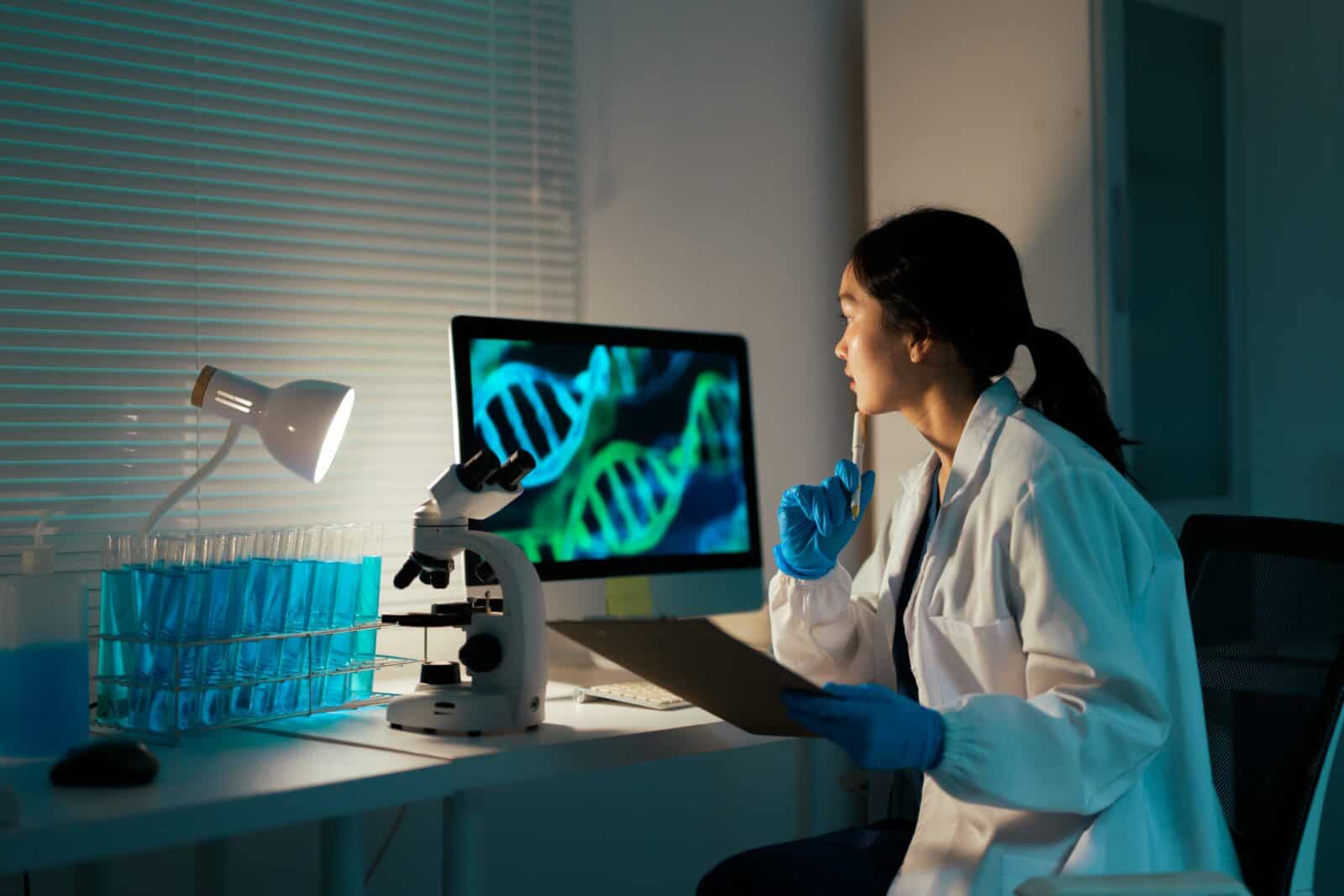
Direct-to-consumer DNA tests routinely reveal family secrets, from donor conception to hidden adoptions, reshaping assumptions about parenthood. A survey of 23,000+ users of genetic relative-finder services found 82% learned the identity of at least one genetic relative, and 61% discovered new information about themselves or their families.
About 3% discovered a presumed parent was not biological, and 5% uncovered previously unknown full or half-siblings. Psychologists note such findings can provoke grief, identity crises, and anger, often directed at the non-genetic parent, highlighting moments where genetics can temporarily “overrule” years of love.
Misattributed paternity: the small statistic with huge emotional fallout

Paternity surprises are rarer than pop culture suggests, but their emotional impact is outsized. Meta-analysis across 67 studies shows non-paternity rates among confident fathers hover around 1.9%, far below viral “one in three” claims. Even so, affected individuals report heightened depression, anxiety, and sometimes suicidal thoughts.
Many struggle to reconcile DNA with relational history; some cut ties with the social parent, others maintain the bond while downgrading genetic significance. The tension between measurable genetic truth and lived experience forms a rich emotional landscape that can make motherhood feel contested and fragile.
Evolutionary biology: why genes bias parental investment

Evolutionary theory predicts that genetic ties influence parental investment, and research confirms patterns in stepfamilies and separated households. Stepchildren generally receive less time, financial support, and emotional engagement than genetic children, even when family income and resources are controlled.
Daly and Wilson’s classic work also notes higher abuse risks in stepchildren, though love and care are still possible. Recent studies show co-residence duration increases stepfather investment, indicating nurture can modulate the baseline genetic bias. These findings reveal that genetics quietly shapes caregiving norms, but cannot fully erase the potential for attachment or devotion.
When “dad DNA drama” ricochets onto mum
Non-paternity revelations often reverberate onto mothers, whose honesty and role come under scrutiny. Adults discovering a presumed father is not biological frequently report strained relationships with their mothers, especially when deception was involved.
Feelings of betrayal, distrust, and reevaluation of loyalty are common, even though the mother may have provided the day-to-day care. This is where genetics overtly “overrules” love: a lab result can temporarily outweigh years of caregiving and attachment, forcing families to navigate both relational and biological truths simultaneously, challenging assumptions about identity and maternal authority.
Attachment science: love is built in the day-to-day, not in the DNA

Decades of adoption research show that secure parent–child bonds rely more on sensitivity, consistency, and emotional availability than on shared genes. In adoptive families, maternal responsiveness predicts attachment security regardless of biological relatedness. Late-adopted children with histories of neglect or institutional care can form strong bonds through consistent caregiving.
Longitudinal research shows that fathers who acknowledge adoption-related differences can strengthen adolescent attachment. These findings demonstrate that even when DNA threatens traditional scripts, deliberate, nurturing parenting produces measurable, lasting love and emotional security.
Egg donation and surrogacy: when the woman who mothers isn’t the genetic mother
In IVF with donor eggs, the mother often has no direct genetic link, raising anxieties about “real” motherhood. Yet studies and clinical reports emphasize that the uterine environment and early caregiving shape gene expression through epigenetics and psychology.
Donor-egg mothers frequently form strong, fulfilling bonds with their children. Research comparing adoptive and non-adoptive families finds few differences in attachment behaviors. Many parents report even higher parenting satisfaction due to the deliberate effort required, showing that motherhood without genetics is not only possible, but deeply rewarding.
Epigenetics: motherhood literally edits how genes behave

Modern epigenetics demonstrates that maternal care can modify gene expression without altering DNA sequences. Prenatal maternal mental health, including stress or depression, can affect DNA methylation in infants, influencing neurodevelopment.
Behavioral epigenetic studies reveal bidirectional interactions between parenting and children’s traits, showing that nurturing experiences can change how genes manifest. Even when DNA seems immutable, research suggests maternal love and caregiving can “re-write” biological tendencies, providing mothers with tangible influence over child outcomes that transcends simple genetic inheritance.
Maternal–fetal bonding: love starts at the cellular level—until testing interrupts it

Maternal–fetal attachment during pregnancy predicts better postnatal bonding and healthier infant outcomes. Strong antenatal attachment is linked to healthier maternal behaviors like better prenatal care. However, prenatal genetic testing or waiting for results can delay or weaken bonding, especially when potential anomalies are feared.
Anxiety after difficult genetic diagnoses can stigmatize the fetus and strain family bonds. The tension between instinctive attachment and genetic data exemplifies how science can sometimes feel like it competes with maternal love.
Parent-of-origin effects: when it matters whose genes you got

Genomic imprinting means some genes express differently depending on whether they come from the mother or the father. Recent UK Biobank analyses mapped dozens of parent-specific genetic effects in over 286,000 participants. The same variant can increase disease risk when inherited from one parent but be neutral or protective from the other.
For mothers, this highlights that biology doesn’t always follow intuition: even devoted care cannot entirely control which genes affect the child. DNA, in secret ways, can favor one parent, reinforcing the delicate, sometimes unpredictable balance between nurture and biology.
Stepparents and “Cinderella effects”: when biology quietly shapes everyday care

Stepfathers invest less than biological fathers on average, with reduced financial, educational, and emotional support. Studies find children with a stepparent are less likely to complete high school or attend college, and show elevated stress markers.
Yet stepchildren can still receive care and love, especially as co-residence duration increases. Evolutionary psychologists note that while biology biases baseline investment, intentional caregiving and emotional engagement can bridge the gap. Women observing these dynamics often see how genetics quietly tilts parental attention without fully dictating love.
Involved fathers: love plus genes is the developmental jackpot

Children benefit most when fathers (biological or social) are emotionally engaged and present. Active fathers improve mental, social, cognitive, and physical outcomes, including academic performance, self-esteem, and behavioral adjustment.
Studies show that birth fathers who co-reside and invest alongside mothers provide maximal support, while stepfathers’ engagement grows with relationship duration. This underscores a hybrid truth: genetics matters, but consistent involvement and shared emotional life can produce attachment outcomes equal to or exceeding those predicted by DNA alone.
When people choose love over DNA—and when they don’t

Despite the pull of genetics, many choose the parents who raised them over newly discovered biological relatives. Most participants in DNA testing studies report neutral or positive long-term effects, even after misattributed parentage revelations.
Adopted or donor-conceived adults often integrate genetic information while maintaining loyalty to non-genetic parents. Others, particularly those harmed or deceived, shift allegiance toward biological relatives. This variability emphasizes the nuance: DNA can disrupt, shock, or illuminate, but it does not universally overrule lived love and caregiving.
Nature vs. nurture in “maternal instinct”: constant negotiation

Maternal behavior emerges from biology, social expectation, and personal choice. Pregnancy hormones heighten responsiveness to infant cues, while social support, cultural norms, and mental health shape sensitivity.
Maternal instinct is thus neither purely genetic nor purely learned. It’s a negotiated process where DNA sketches the framework, but love, culture, and intentional parenting fill in the details, sometimes overriding genetic imperatives. This framing underscores that motherhood is both a biological and relational craft.
Adoption outcomes: proving genetics are not destiny

Longitudinal adoption studies show that children develop secure attachments and thrive in supportive adoptive homes, despite early trauma. Emotional availability and sensitivity from adoptive parents strongly predict attachment security, often exceeding biological ties.
Even late-adopted children can form robust bonds when parents are consistent and nurturing. This research closes the article on a hopeful note: DNA can shock, disrupt, or challenge assumptions, but caregiving, love, and deliberate engagement ultimately define who counts as “family.”
Disclaimer – This list is solely the author’s opinion based on research and publicly available information. It is not intended to be professional advice.
Like our content? Be sure to follow us