11 reasons why a new generation is embracing traditional Catholicism
Something curious is happening in American faith circles, and no, it is not just another TikTok phase with candles and dramatic choir music. A visible group of young adults now sees traditional Catholicism as serious, beautiful, grounded, and strangely refreshing in a culture that often feels loud, anxious, and allergic to commitment.
The trend still needs balance. Pew found that only 2% of U.S. Catholics attend a Traditional Latin Mass weekly, and 87% have not attended one in the last five years, so we are not talking about every young Catholic suddenly buying a chapel veil before brunch. Still, among active young believers, converts, and online faith communities, tradition has gained real cultural energy.
Gallup also found that young men’s monthly religious service attendance rose to 40% in 2024 to 2025, up from 33% in 2022 to 2023. That does not scream “mass revival,” but it does whisper something interesting, and honestly, whispers sometimes travel farther than megaphones.
They want something that feels ancient

Young people spend their days surrounded by updates, upgrades, rebrands, and apps that change their layout just when everyone finally learns where the button is. Traditional Catholicism offers the opposite experience. It gives them prayers, chants, rituals, vestments, saints, feast days, and liturgical rhythms that existed long before anyone had to pretend a new productivity app would fix their life. That age gives the faith a kind of weight. It feels less like a trend and more like a home with old wooden floors that creak because generations walked there first.
That ancient feel matters because many young adults do not want a religion that bends every time culture sneezes. They want continuity, and Catholic tradition gives them a visible chain that links the present to the early Church, medieval monasteries, immigrant parishes, and grandparents who kept rosaries in kitchen drawers. Pew found that 47% of U.S. adults have a personal or family connection to Catholicism, which helps explain why old Catholic symbols can feel familiar even to people returning after years away.
They crave reverence in a casual culture

A lot of American life now feels painfully casual. People wear pajama pants to the grocery store, text during dinner, and treat silence like a software glitch. Traditional Catholic worship pushes against that mood with incense, kneeling, chant, veils, bells, confession, fasting, and careful gestures that say, “Pay attention, something sacred is happening here.” For young adults tired of everything feeling disposable, reverence feels almost rebellious.
This does not mean every young Catholic wants Latin, lace, and solemn organ music at every waking hour. Even coffee needs a break from being artisanal. Still, reverence gives worship a seriousness that many young adults miss elsewhere. Pew found that 28% of U.S. Catholics attend Mass weekly, 50% pray daily, and 23% go to confession at least once a year, showing that traditional practices still shape a meaningful core of Catholic life.
They are tired of vague spirituality

Plenty of young Americans grew up hearing soft phrases like “follow your truth” and “protect your energy.” That can sound comforting for about twelve minutes, then life punches through the wall with grief, debt, heartbreak, anxiety, and moral confusion.
Traditional Catholicism offers something firmer. It gives doctrine, commandments, sacraments, saints, confession, penance, and a clear moral vocabulary. Agree or disagree, at least it does not hand you a scented candle and call that a worldview.
This clarity attracts people who want answers that demand something from them. Bishop Robert Barron has argued that young people ask big questions about God, morality, suffering, and meaning, and that weak catechesis fails them by watering down the faith. That point lands because many young adults want depth, not a spiritual smoothie blended from motivational quotes and recycled self-care captions.
They find beauty hard to ignore

Traditional Catholicism knows how to use beauty without apologizing for it. Stained glass, chant, statues, icons, candles, vestments, high altars, and old churches create an atmosphere that hits people before anyone explains a single doctrine. Beauty reaches the heart quickly, which helps explain why young adults share photos of candlelit Masses, church interiors, Marian processions, and rosaries online. Apparently, the algorithm can survive a little incense.
This visual richness also gives Catholic tradition an edge in a highly aesthetic generation. Young adults live through images, reels, and short videos, so sacred beauty can stop the scroll in a way plain religious slogans often cannot. AP reported that a 2025 traditional Latin Mass in St. Peter’s Basilica drew a few thousand pilgrims, including many young families, with a liturgy rich in hymns, incense, and ritual.
They want a community that feels serious

Loneliness has pushed many young Americans toward spaces that promise more than casual social contact. Traditional Catholic communities often offer shared meals, young adult groups, processions, feast days, confession lines, study circles, dating networks, and families who actually know one another. That kind of community can feel rare in a country where many people know their DoorDash driver’s first name before they know their neighbor’s.
The health angle matters too. The U.S. Surgeon General’s advisory described social connection as a critical contributor to health, resilience, and prosperity, and warned that too many Americans lack it. Traditional Catholic parishes can provide young adults with a weekly structure in which they pray, serve, talk, and belong across generations. That beats scrolling alone at midnight and pretending the group chat counts as village life.
They see discipline as freedom
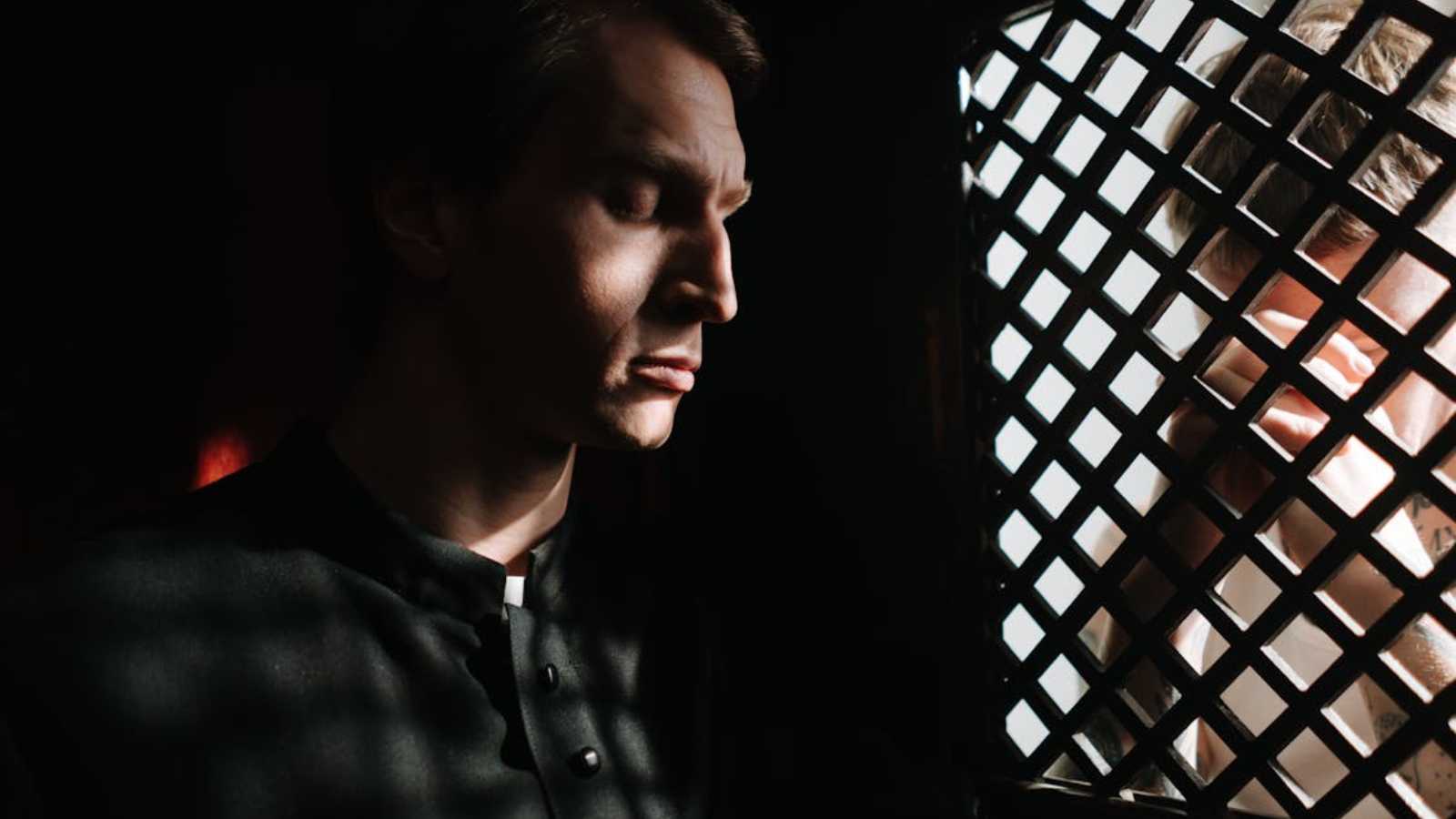
Traditional Catholicism does not exactly market itself as easy. It asks people to fast, confess sins, attend Mass, pray regularly, examine their conscience, and practice chastity, charity, patience, humility, and self-control. Weirdly, that difficulty attracts some young adults. After years of endless choice, instant gratification, and “treat yourself” culture, discipline can feel like a rescue rope instead of a punishment.
This connects with broader anxiety among Gen Z. Barna reported that 39% of Gen Z frequently feel uncertain about the future, 39% feel anxious about important decisions, and 29% frequently feel lonely. Traditional Catholic practices give structure to that emotional fog. A prayer rule, a liturgical calendar, weekly Mass, and confession create a rhythm that says, “Do this next,” which can feel oddly calming when life sounds like twenty browser tabs screaming at once.
They like that it feels countercultural

For decades, people assumed young adults wanted religion to become more casual, more flexible, and less demanding. Some do. But another group wants the opposite because mainstream culture already offers casual everything.
Traditional Catholicism feels countercultural because it says no to moral fuzziness, no to constant reinvention, and no to the idea that personal desire should run the whole show. That sort of firmness can feel shocking, which naturally makes it interesting.
Pew found that 58% of U.S. adults in 2025 felt at least some conflict between their religious beliefs and mainstream culture, up from 48% in 2024 and 42% in 2020. That cultural tension helps explain why some young Catholics now treat tradition as a badge of identity. It tells the world, “I belong to something older than the current mood,” which, let’s be honest, sounds more stable than whatever argument Twitter is hosting this afternoon.
They are discovering Catholicism online

The internet did not just spread memes, skincare routines, and people arguing over dishwasher-loading strategies. It also gave young adults access to Catholic podcasts, apologetics channels, Latin Mass videos, conversion stories, monastery livestreams, Bible studies, and priests explaining doctrine in plain English. Many people first encounter traditional Catholicism through a clip, then visit a parish, then start asking harder questions. That path may sound modern, but the search underneath feels very old.
This digital doorway matters because young seekers often research before they belong. They compare Protestantism, atheism, Orthodoxy, Catholicism, spirituality, philosophy, and mental health content in the same online ecosystem. Catholic creators who explain confession, the Eucharist, Marian devotion, saints, modesty, fasting, and liturgy give tradition a public face.
Some content gets shallow, sure, because the internet can turn anything into merch, but the serious material has helped many young adults move from curiosity to commitment.
They are drawn by real conversion stories
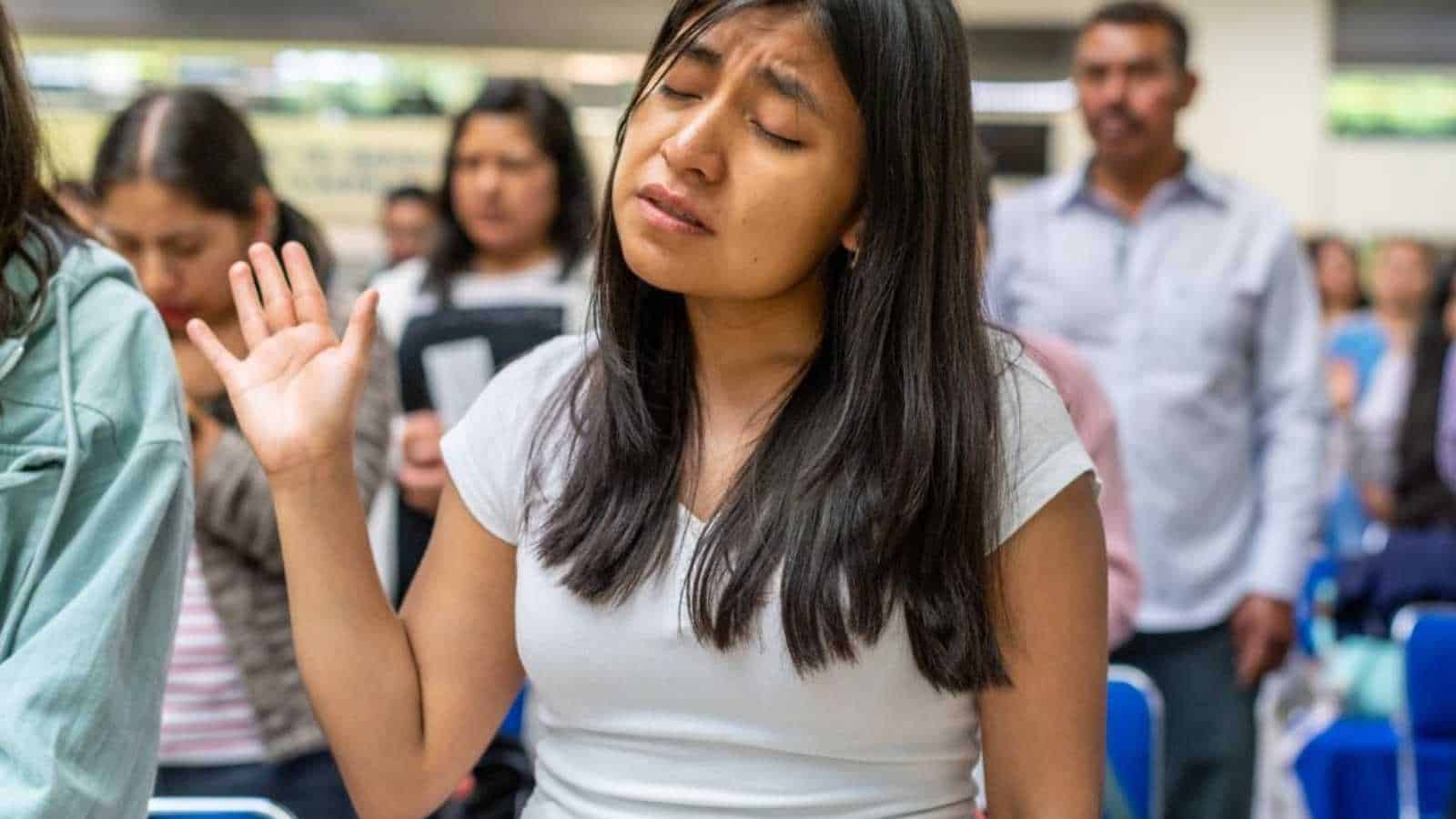
Conversion stories carry emotional power because they make abstract religion feel human. A young adult hears someone say, “I felt lost, then I found the Church,” and suddenly theology has a face. Recent diocesan numbers also make the trend harder to dismiss. The National Catholic Register reported major increases in adult converts in 2025 in places such as Los Angeles, Atlanta, Louisville, Mobile, and Portland, including a 44% jump in the Archdiocese of Los Angeles.
The 2026 numbers added even more fuel. A Register survey reported that 66 of 71 responding U.S. dioceses expected an increase in the number of people entering the Church at Easter, with only five expecting a decline. John Helsey from the Archdiocese of Oklahoma City summed up the mood with two simple words: “Something’s happening.” That is not exactly a doctoral thesis, but it does capture the feeling in many parishes right now.
They respect a clear identity

Traditional Catholicism gives people a strong identity that touches worship, ethics, family life, prayer, clothing, dating, art, food, seasons, feast days, and daily habits. That full-life identity appeals to young adults who feel tired of fragmented living. Instead of being one person online, another at work, another on dates, and another around family, Catholic tradition asks them to become integrated. It says faith should shape the whole person, not just the Sunday morning version who remembers where the missal is.
That clear identity also helps people find each other. A rosary on a desk, a scapular, a meatless Friday, a devotion to a saint, or a preference for traditional liturgy can quickly signal shared values. Of course, identity can become performative if people turn faith into an aesthetic costume, and nobody needs “Catholic but make it influencer” as a personality crisis. Still, at its best, traditional Catholic identity gives young adults a stable way to live what they believe.
They want family and roots

Many young adults grew up through family breakdown, economic pressure, pandemic disruption, and social instability. Traditional Catholicism speaks often about marriage, children, family prayer, generational faith, and home life. That focus can attract young adults who want rootedness rather than endless reinvention. The sight of young families in traditional parishes also sends a quiet message: this way of life can become a household norm, not just a private opinion.
Pew’s Catholic data shows that the U.S. Catholic population contains important generational and ethnic differences, with Hispanic and Asian Catholics skewing younger than White Catholics. That matters because Catholic tradition in America does not come from only one cultural lane. It includes immigrant devotions, Marian feasts, family-centered parish life, and grandparents passing faith through food, language, and prayer. Roots feel powerful when the wider culture keeps telling people to float.
They want mystery, not constant explanation

Modern life explains everything, rates everything, tracks everything, and turns even sleep into data. Traditional Catholicism leaves room for mystery. The Eucharist, sacred silence, Latin chant, kneeling, confession, relics, saints, miracles, and contemplative prayer all point beyond what people can measure on a dashboard. For young adults exhausted by optimization culture, mystery feels like oxygen.
That does not mean they reject reason. Many young Catholics love theology, philosophy, Church history, and apologetics. They just do not want faith reduced to a lecture, a therapy session, or a community club with nicer windows. Traditional Catholicism gives them both mind and mystery, and that combination hits hard. After all, who wants a faith that explains the universe but never makes you kneel?
Key takeaway

A new generation is embracing traditional Catholicism because it offers beauty, structure, reverence, community, moral clarity, and a sense of roots in a restless culture. The trend remains smaller than the online buzz sometimes suggests, but the energy around conversions, young-adult churchgoing, and traditional liturgy signals something real.
The appeal comes from contrast. Young adults spend all week in noise, speed, branding, anxiety, and endless choice, then traditional Catholicism meets them with silence, ritual, confession, candles, chant, and a faith that refuses to act embarrassed by its own age. Honestly, in a world that updates every five minutes, something ancient can feel wonderfully new.
Disclaimer: This list is solely the author’s opinion based on research and publicly available information. It is not intended to be professional advice.
Like our content? Be sure to follow us.