12 ways Baby Boomers approach life differently than other generations
The truth is, Baby Boomers aren’t tiptoeing into older age; they’re basically DJing the party, steering the room, and rewriting the entire aging playbook. At the same time, the rest of us stare in absolute awe.
Data from the Pew Research Center indicates that the Baby Boomer generation, Americans born between 1946 and 1964, numbered about 64 million in 2026. Everything you thought you knew about this generation is a bit of a plot twist. While popular culture loves to paint them as technologically baffled or strictly traditional, the reality is far more mischievous.
From the way they spend their money to how they completely redefine work and play, here are ways Baby Boomers approach life entirely differently than anyone else
They rethink retirement

Baby Boomers are radically reshaping their golden years, transforming retirement from a definitive finish line into a personalized menu of possibilities. Rather than fading into passivity, they actively choose engagement.
Many retain paid positions to maintain a sharp weekly rhythm. Others consult, mentor, flip real estate, launch startups, or secure flexible roles that perfectly accommodate grandchildren and global travel. They refuse to view labor as a tedious burden.
Instead, dynamic seniors leverage modern work for daily structure, vital social connections, and absolute proof that aging cannot push them to the sidelines.
They carry big wealth

Boomers approach money with the confidence of a generation that watched assets multiply for decades. A detailed Pew Research Center analysis reveals that all Baby Boomer households combined held an estimated $77 trillion in wealth in 2022. This historic treasure chest dictates how they spend, save, gift, and negotiate their final chapters.
While some use that massive base to fund an adult child’s mortgage or tuition, others guard it tightly against the soaring cost of healthcare. The headline figure easily hides intense individual pressure, yet it still grants these retirees unmatched leverage, and the hidden financial moves they are making next will permanently reshape the economy.
They choose bigger trips

Baby boomers trade material possessions for unforgettable experiences. Rather than hoarding more clutter, retirees route their savings into intentional, purposeful journeys. They flock to pristine national parks, embrace grandchildren, board massive cruise liners, and explore long-delayed dream destinations.
Free from the constraints of the traditional nine-to-five grind, these liberated travelers dictate their own itineraries. A quiet Tuesday morning flight looks incredibly attractive when school pickups no longer dictate your entire schedule.
This massive generation transforms modern tourism by prioritizing genuine connection over luxury. They seek authentic adventure on their own terms.
They shape housing

Baby Boomers do not just live in the housing market; they command it. Realtor.com analyses indicate that Baby Boomers born 1946–1964 hold an estimated $18 trillion to $19 trillion in U.S. housing wealth. While younger buyers struggle with soaring interest rates and strict mortgage guidelines, Boomers call the shots by paying raw cash, downsizing on their own timelines, or simply waiting out the market.
Their immense purchasing power reshapes suburban neighborhoods, dictates trends in retirement hot spots, and locks up inventory that families desperately need. For the millions of Boomer women controlling these properties, the home represents both an emotional sanctuary and a massive financial engine. Yet, their next move remains a mystery.
They use tech with purpose

Boomers do not clone Gen Z; they use technology on their own strict terms. Every app must earn its place. Instead of chasing TikTok trends, they rely on streaming, online news, email, banking apps, maps, and targeted Facebook groups. They log online to solve immediate problems or enjoy specific shows. By skipping the digital noise, they selectively keep tools that simplify daily life.
This deliberate choice creates a quiet digital revolution where utility beats hype. These practical users quietly reshape how tech companies think about design. They crave function over flash, demanding tools that actually respect their time. If a platform offers no real value, they simply walk away.
They buy self-care

Boomers skip the online wellness hype but quietly invest in feeling polished. Data from the Bank of America Institute confirmed that Baby Boomer spending at beauty salons and barbershops increased by 4% year over year in December 2024. Older women view these routines as practical rather than vain.
A fresh haircut, a facial, or a gym visit is essential maintenance for an active lifestyle. They ignore fleeting trends, focusing instead on looking rested, capable, and vibrant.
It is not about turning back the clock; it is about preserving energy for what matters next. This generation redefines aging on their own terms, leaving a trail of premium receipts that brands can no longer ignore.
They keep community habits

Beneath the modern noise, Baby Boomers quietly hold local neighborhoods together. They skip the flashy headlines to offer a genuine, hands-on presence. This care shows up as sudden school pickups, warm casseroles delivered to porch steps, rides for medical appointments, and checking on the isolated widow down the street.
Many learned community solidarity as an unbreakable daily habit rather than a viral internet hashtag. While younger generations call this mutual aid, elders simply practice it with a shared meal and a car key. Yet, this entire invisible infrastructure faces a sudden, quiet shift.
They manage health actively

Baby boomers treat wellness like a high-stakes project. Research in the Journal of Medical Internet Research highlights that 88% of baby boomers aged 50 to 64 access the internet, which helps explain why many bring research to doctor visits. They dissect prescription labels, track fluctuating symptoms, and interrogate physicians far more than their predecessors ever dared.
Women in this age group often manage health information for partners, parents, and adult children as well. This heavy cultural responsibility triggers undeniable anxiety, yet it simultaneously fosters unprecedented agency. They crave absolute independence, realizing that vibrant health unlocks the future.
They are not equally rich

Boomers hold enormous wealth, but they do not share it evenly. A paid-off home in Phoenix tells one story, while a renter drowning in medical bills reveals a starkly different reality. Although the demographic appears affluent on paper, millions of seniors actually struggle behind closed doors.
They juggle meager Social Security checks, demanding caregiving duties, and skyrocketing prices just to survive. This massive financial divide shatters the myth of a golden retirement. Beneath the surface of collective trillions lies a fractured landscape of privilege and panic, leaving countless older Americans on the brink.
They prize balance

Boomers earned a workaholic label, but many now guard their time with surprising confidence. Research from the Transamerica Institute reveals that 90% of Baby Boomer workers feel successful at managing their work-life balance, outranking all other generations. Many know their limits because they have already spent decades proving themselves.
They still enjoy professional accomplishments, yet they demand mornings without rush, afternoons with family, and calm evenings. Their version of fulfillment arrives later in life, but it comes with unmistakable style. However, this sudden shift hides a deeper, sharper conflict brewing in the modern workplace.
They steer inheritance

Baby boomers hold the keys to America’s largest generational wealth shift. As trillions in assets prepare to be transferred, adult children face stressful questions about property, healthcare, taxes, and final wills. Meanwhile, aging parents must decide whether to preserve their fortunes, spend everything, or donate to charity.
Women stand at the epicenter of this financial tsunami, frequently outliving their husbands and assuming sole control over massive household estates. Ultimately, this colossal transfer will secure some bloodlines while leaving others completely behind, making immediate, transparent family discussions an absolute necessity.
They stay put
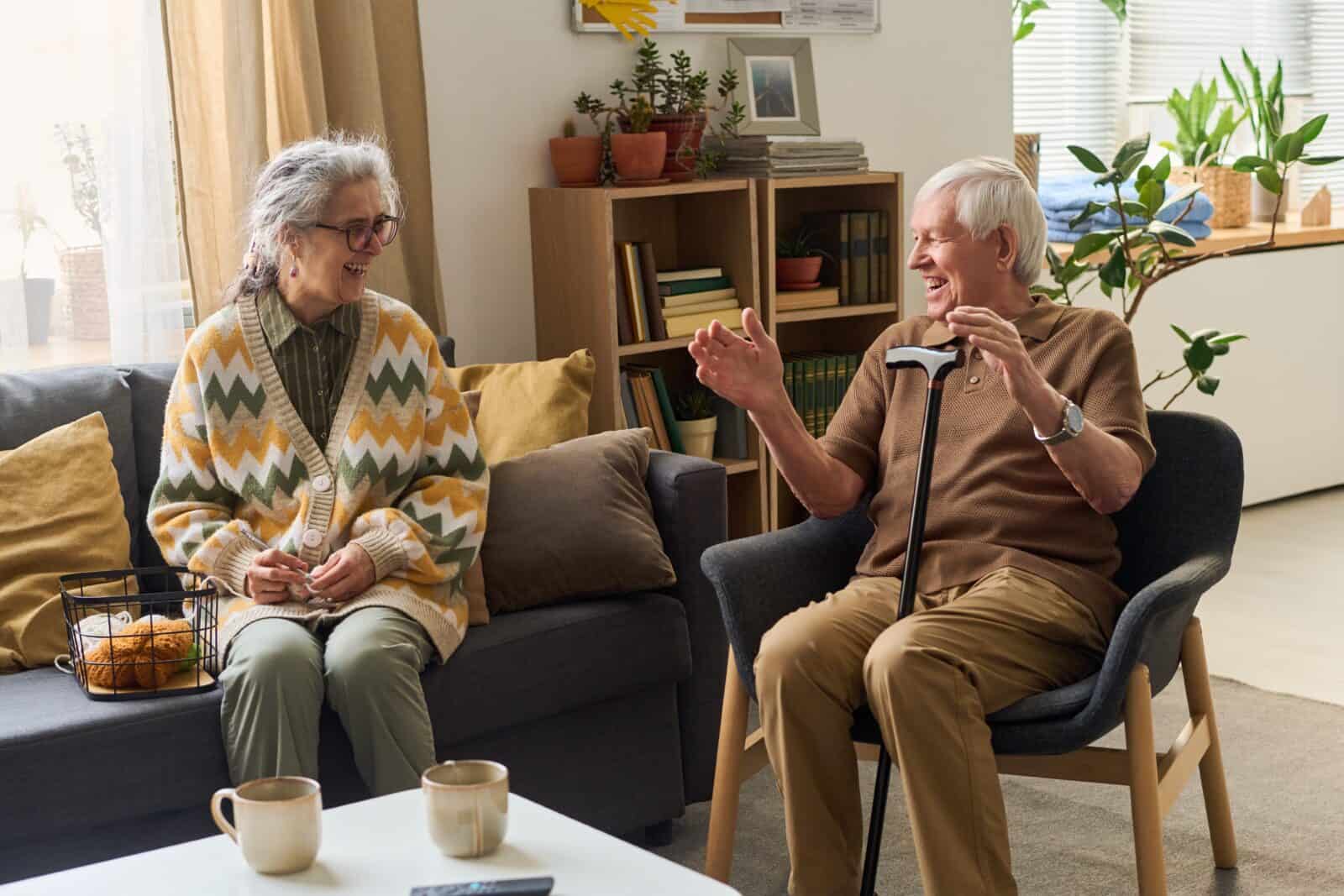
Many Boomers want their next chapter to happen at home. The AARP 2024 Home and Community Preferences survey shows a vast majority of adults aged 50 and older 75% want to remain in their current homes as they age, with an even stronger preference among those 65-plus. That wish shapes renovation, caregiving, technology, and family life. Boomers add grab bars, rethink stairs, hire lawn care help, or turn spare rooms into multigenerational spaces.
They also keep roots in churches, book clubs, salons, and neighborhood circles. For many, home is not a place to leave behind. It is the command center.
Key takeaway

Baby Boomers refuse to fade into the background. Armed with unprecedented wealth, this powerhouse generation actively works, travels, and spends, shattering every outdated stereotype about growing older. Yet, beneath that affluent headline lies intense financial pressure. They aggressively embrace technology and wellness while redefining what retirement looks like.
Their choices create massive economic ripple effects that directly reshape the future for younger generations. As they boldly rewrite the final chapters of life, they force us to question everything we thought we knew about aging, legacy, and survival in a modern world. What happens next will completely disrupt society.
Disclaimer – This list is solely the author’s opinion based on research and publicly available information. It is not intended to be professional advice.
Like our content? Be sure to follow us.