12 challenges young Catholics navigate in today’s world
Being a young Catholic in America can feel like carrying a rosary in one hand and a group chat notification in the other. You want faith, friendship, purpose, and maybe one peaceful Sunday morning without someone online turning everything into a culture war.
Pew’s latest religion data shows why this feels complicated: about 20% of U.S. adults identify as Catholic, but among adults ages 18 to 29, religious identity looks much thinner, with many calling themselves atheist, agnostic, or “nothing in particular.”
That doesn’t mean young Catholics have vanished into the TikTok fog. Gallup’s 2024 to 2025 data found that 42% of young men ages 18 to 29 now call religion “very important,” up from 28% just a couple of years earlier, while young women stayed near 30%. So yes, faith still matters. The hard part is living it clearly, kindly, and honestly in a world that keeps asking, “Wait, you still go to church?”
Owning faith in a skeptical crowd

Many young Catholics deal with the awkward little moment when someone says, “You’re religious?” with the same tone people use for “You collect porcelain dolls?” Pew’s religious landscape data shows that among 18 to 29-year-olds, large shares identify as atheist, agnostic, or “nothing in particular,” which means many young Catholics now practice faith in social circles where belief feels unusual, private, or mildly suspicious.
That can make simple things feel loaded, like saying grace, wearing a crucifix, skipping a party for Mass, or admitting that confession helps you reset your life.
The challenge isn’t just defending beliefs. It’s staying normal, warm, and grounded without turning every lunch table into a theology debate.
Young Catholics often learn that confidence works better than defensiveness, because nobody enjoys being spiritually power-pointed at over fries. The real flex is simple: live the faith with enough peace that people notice before you even explain it.
Making Mass fit into a packed life
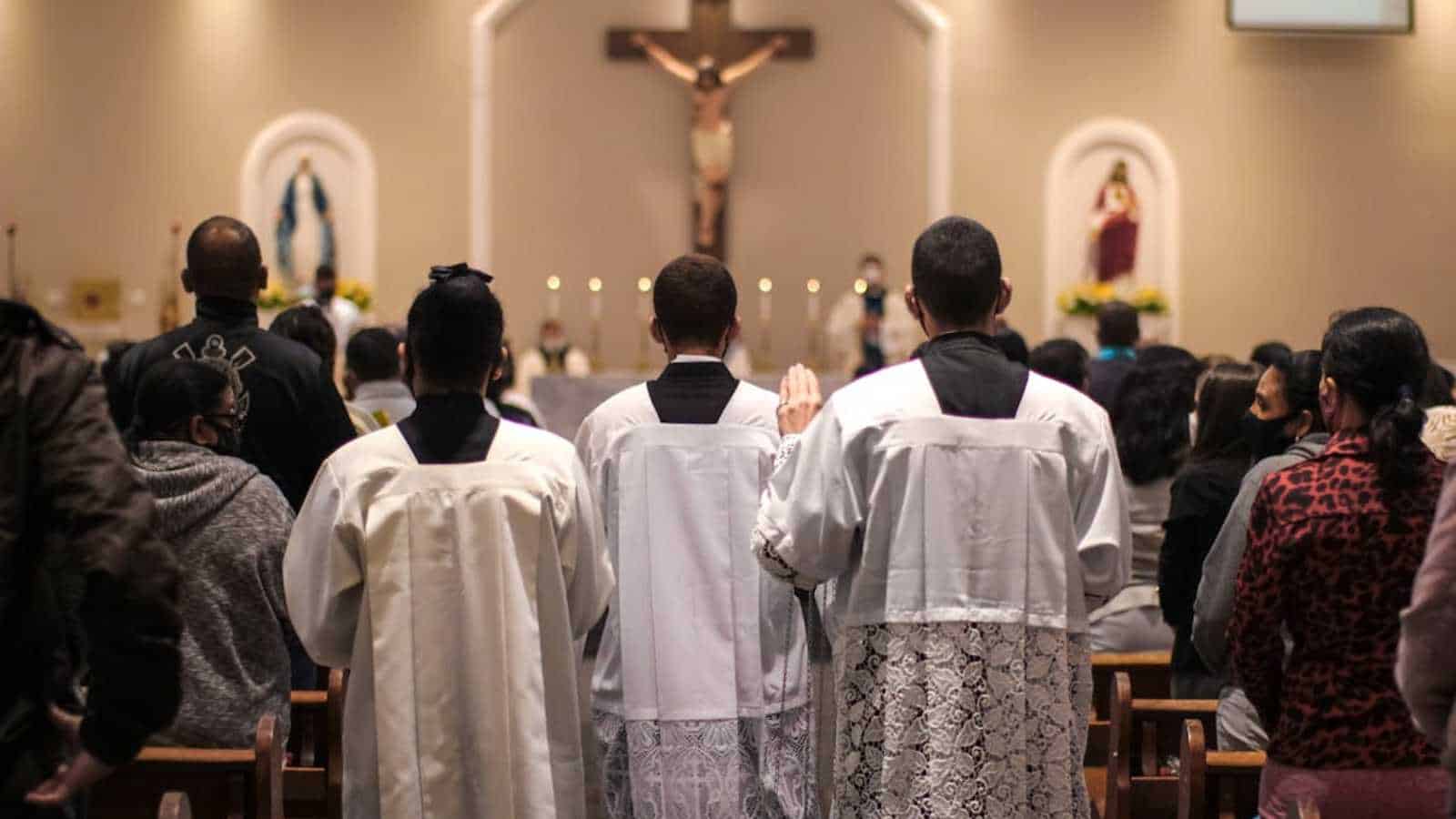
Mass sounds simple until work schedules, college deadlines, family obligations, side hustles, and pure exhaustion start throwing elbows. Pew found that about 29% of U.S. Catholics attend Mass weekly or more often, while USCCB-linked vocation survey data found that only about 23% of never-married Catholic women and 21% of never-married Catholic men do so. That’s not laziness by default. Sometimes it’s life doing what life does best: crowding the calendar like it pays rent.
Still, young Catholics face a real question here: if faith only gets leftover time, does it ever become central? I’ve always thought Sunday Mass hits differently when it feels less like an obligation and more like a weekly recalibration. The challenge is building a rhythm before adulthood turns into one giant Google Calendar notification. Cute? No. Necessary? Absolutely.
Finding Catholic community without feeling like the youngest person in the room
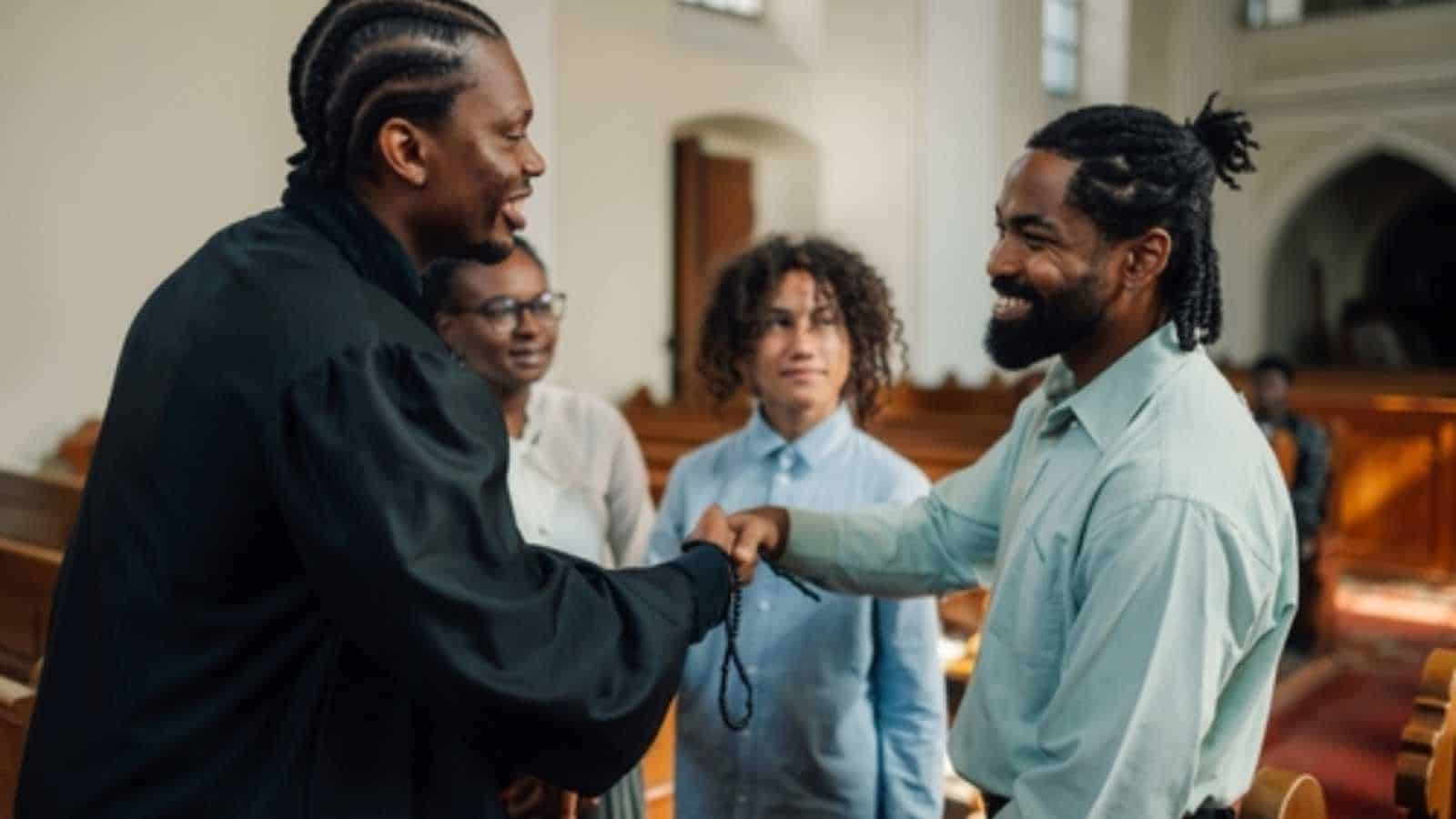
A lot of young Catholics walk into parish life and immediately feel like they accidentally arrived at a 1998 committee meeting. Pew says 58% of Catholic adults are 50 or older, which helps explain why many parishes can feel older, even when younger Catholics want connection.
Springtide’s 2024 research adds another layer: 65% of young people surveyed said they were not part of an organized religious or spiritual community, but those who did belong reported high acceptance and belonging.
That gap matters because faith grows better with people around it. The USCCB puts it plainly: “Young adults express a need for support” from peers and people in similar life stages.
Young Catholics don’t always need another flyer, another parish announcement, or another group named something like “Young Adult Fellowship Experience.” Sometimes they need pizza, honesty, prayer, and people who won’t act shocked when someone says adulthood feels hard.
Sorting faith from politics without losing your mind

Young Catholics often get shoved into political boxes they never asked for. Pew found that Catholic voters were closely divided, with 53% identifying with or leaning Republican and 43% identifying with or leaning Democratic, and that the divide varied sharply by race and ethnicity.
Another Pew analysis found that Hispanic Catholics lean more Democratic, while White non-Hispanic Catholics lean more Republican. Translation: the Catholic world in America does not fit neatly into a single cable news segment, thank heavens.
This creates a challenge for young Catholics who care about life, poverty, immigration, climate, religious freedom, racism, war, and family all at once. Try explaining that at Thanksgiving without someone reaching for the cranberry sauce like it’s a weapon. Pope Leo XIV warned young people not to “follow those who use the words of faith to divide,” and that advice feels painfully current.
Navigating dating, sex, and Catholic teaching

Dating as a young Catholic can feel like trying to read a sacred text while someone keeps swiping left over your shoulder. Pew’s 2025 survey found that 84% of U.S. Catholics think the church should allow birth control, 76% think unmarried couples living together should be allowed to receive Communion, and 60% think priests should be allowed to bless same-sex couples. Those numbers show a real tension between official teaching, personal conscience, cultural norms, and what many Catholics actually believe.
Young Catholics often stand right in the middle of that tension. They want love that feels real, moral, emotionally safe, and not weirdly performative.
They also deal with a dating culture that treats commitment like a software subscription: easy to start, easier to cancel. The challenge is to ask better questions than “What can I get away with?” and move toward “What kind of love forms me into a better person?”
Staying sane in a constantly online world

Faith asks for silence, but the internet says, “Best I can do is 47 tabs and a stranger yelling in the comments.” Pew’s 2024 teen technology report found that nearly half of U.S. teens say they are online almost constantly, and 96% use the internet daily. Pew’s 2025 social media research also found that 45% of teens say they spend too much time on social media, up from 27% in 2023.
Young Catholics face the spiritual version of attention theft. Prayer gets harder when your brain keeps refreshing like a broken browser. Social media can help faith communities grow, yes, but it can also turn religion into branding, outrage, or aesthetic cosplay. The challenge is learning when to post, when to listen, and when to put the phone down before your soul starts buffering.
Carrying mental health struggles into spiritual spaces

Many young Catholics want faith communities to take anxiety, depression, burnout, loneliness, and trauma seriously. CDC data from 2023 found that 40% of high school students had persistent feelings of sadness or hopelessness, and 20% seriously considered attempting suicide.
Those numbers should stop any faith community from tossing out lazy advice like “just pray more” and calling it pastoral care. Prayer matters, but so do therapy, trusted adults, healthy friendships, sleep, and actual support.
Young Catholics often wrestle with guilt on top of pain. They may wonder if anxiety means weak faith, or if sadness means they’re failing spiritually. That’s a heavy load, and frankly, it deserves more compassion than clichés. The better Catholic response treats mental health care as part of human dignity, not as competition for God.
Trusting the church after scandals and disappointment

Young Catholics inherit the beauty of the sacraments, the saints, Catholic social teaching, sacred music, and a global church. They also inherit painful public failures, especially clergy abuse scandals and institutional mistrust.
Pew’s 2025 report on religious switching found that 43% of adults raised Catholic no longer identify as Catholic, and former Catholics often cite lost belief, scandals, and disagreement with church teachings as reasons for leaving. That’s not a tiny side issue. That’s a giant elephant sitting in the parish hall eating all the donuts.
The challenge for young Catholics is honest loyalty. They don’t want sugarcoating, but they also don’t want cynicism to eat everything good. Many stay because they believe the church still carries truth, grace, beauty, and mission, even when its human leaders fail badly. That kind of faith does not look naïve. It looks tested.
Feeling caught between tradition and change

Young Catholics often love tradition and still ask hard questions about women’s roles, sexuality, leadership, and inclusion. Pew found that 68% of U.S. Catholics say the church should allow women to become deacons, 63% say priests should be allowed to marry, and 59% say women should become priests.
At the same time, weekly Mass attenders often hold more traditional views than Catholics who attend less often, which means the people most present in parish life may not always share the same expectations as less frequent attendees.
This creates a real inner tug-of-war. Some young Catholics want Latin chants, incense, reverence, and clear doctrine. Others want broader inclusion, more women in visible leadership, and less silence around painful questions.
Plenty want both, because humans enjoy making things complicated. The challenge is learning how to disagree without treating the church like a comments section with candles.
Living in a beautifully diverse Catholic church
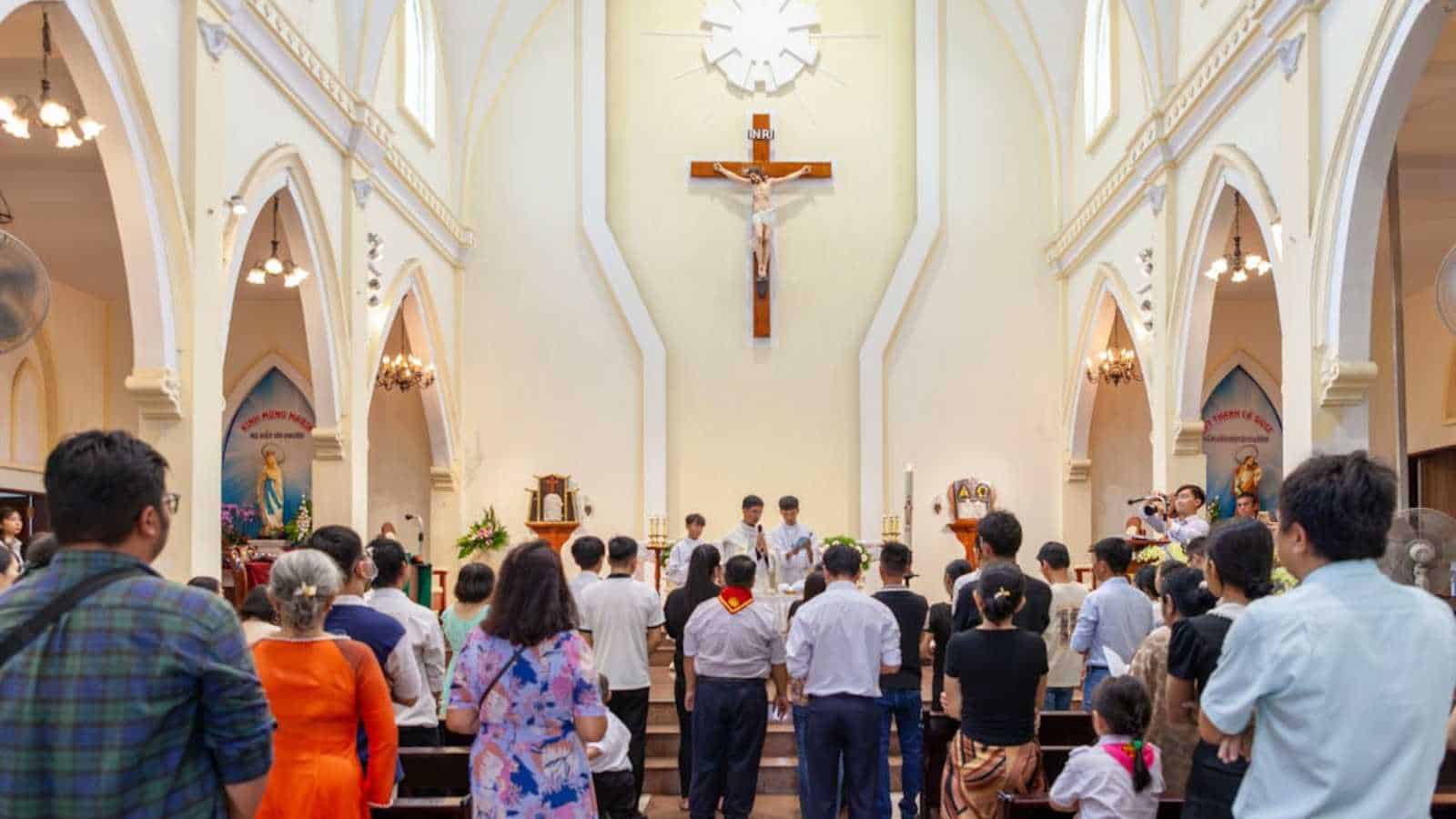
American Catholicism is changing fast, and young Catholics feel that shift in language, music, parish culture, family traditions, and politics. Pew found that U.S. Catholics are 54% White, 36% Hispanic, 4% Asian, and 2% Black, and the Hispanic share has grown since 2007. More than four in ten U.S. Catholics are immigrants or children of immigrants, which means Catholic life in America carries many accents, foods, devotions, and family stories.
That diversity can feel rich, but it can also feel messy when parishes separate by language, age, class, or culture. Young Catholics may ask, “Why does the church say universal if everyone leaves through different doors?” Fair question. The challenge is turning diversity into real communion, not just a multicultural potluck where everyone smiles and then returns to separate corners.
Paying bills while trying to build a meaningful life

Young Catholics don’t discern vocation in a vacuum. They discern it with rent, student loans, car insurance, grocery prices, and the tiny emotional crisis that comes after checking a bank app.
The Federal Reserve reported that in 2024, 42% of adults ages 18 to 29 who attended college had taken on student loan debt, down from 55% in 2017, but still a major reality for young adults. That kind of pressure shapes choices about marriage, family size, ministry, service, and where someone can afford to live.
This challenge hits Catholic life hard because vocation sounds beautiful until the budget starts laughing. Young adults may want marriage, children, volunteer work, mission trips, or graduate study, but money often sets the pace.
The church can help by treating financial stress as a real pastoral issue rather than a character flaw. After all, “just trust God” lands better when someone also helps you find childcare, community, or a job lead.
Choosing hope without pretending everything is fine

Young Catholics face a world full of war anxiety, political rage, climate fears, loneliness, economic stress, and spiritual confusion. That’s a lot to carry before breakfast. Springtide’s research shows young people often seek spirituality through art, nature, reading, writing, and prayer, with 46% reporting prayer as a daily or weekly spiritual practice.
That matters because hope does not always arrive through a dramatic lightning bolt. Sometimes it starts with a walk, a journal entry, a quiet Mass, or one honest conversation.
Pope Leo XIV told young people to make plans that “remove inequalities and reconcile divided and oppressed communities,” which gives hope a job description. Young Catholics don’t need fake cheerfulness. They need brave hope, the kind that prays, serves, thinks, questions, forgives, and keeps showing up. Honestly, that may be one of the most Catholic things about them.
Key takeaway

Young Catholics in the U.S. aren’t simply “leaving” or “returning.” They’re navigating a complicated mix of faith, doubt, digital noise, dating pressure, politics, mental health issues, debt, diversity, scandal, tradition, and hope. The data show real challenges, but also a real hunger for meaning, belonging, and spiritual depth.
The best path forward probably won’t come from louder arguments. It will come from better communities, honest conversations, stronger friendships, and faith that looks alive outside the church parking lot. And if young Catholics can pull that off while surviving group chats, student loans, and Sunday morning alarms, honestly, give them their sainthood paperwork early.
Disclaimer: This list is solely the author’s opinion based on research and publicly available information. It is not intended to be professional advice.
Like our content? Be sure to follow us.