40% of U.S. Kids can’t read properly — 12 scary trends teachers are watching
Reading should feel like opening a door, yet for millions of American children, that door feels jammed. Two-thirds of U.S. kids aren’t reading proficiently, according to the Nation’s Report Card, and about 40% of fourth graders struggle below even a basic level.
These numbers shape how children engage with every subject, how they see themselves as learners, and how they experience the world. Teachers and literacy experts are sounding the alarm, pointing to trends suggesting a deep, preventable crisis.
When children can’t decode words, understand simple stories, or connect ideas across sentences, the curriculum becomes a wall instead of a bridge. Each red flag reflects not just a learning gap, but the lived experience of children feeling left behind in classrooms where reading should be their superpower.
Proficiency Is Falling, Not Recovering
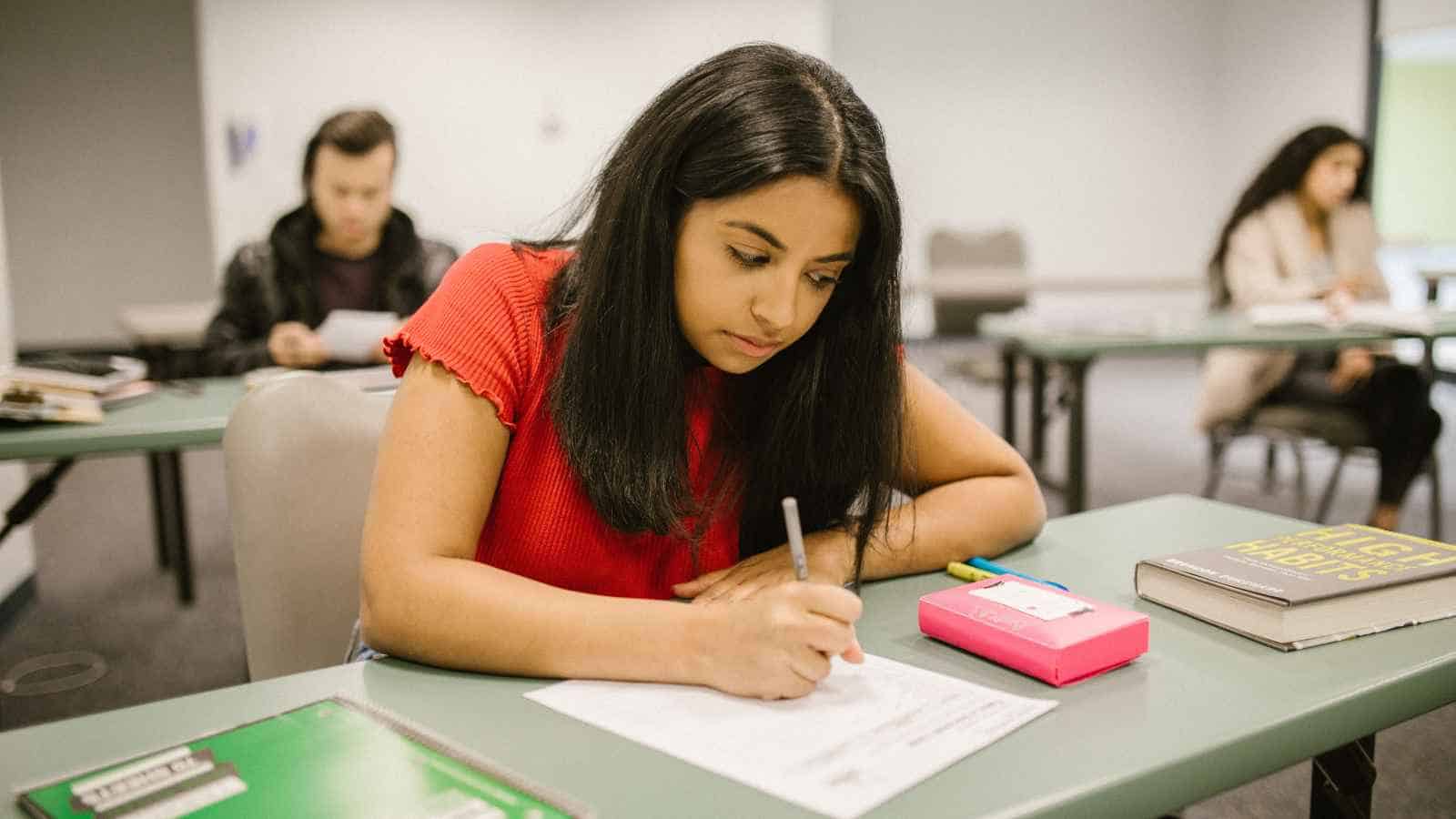
National assessments show reading performance sliding rather than bouncing back after the pandemic. In 2024, fourth- and eighth-grade reading scores dropped another two points from 2022, adding to declines since 2019. Fewer than a third of students reach the NAEP “Proficient” level, meaning most cannot consistently interpret written text. Nearly 40% of fourth graders and about a third of eighth graders fall below even the “Basic” benchmark—the worst levels in decades.
For teachers, this isn’t just a number. It means everyday lessons are weighed down by students who struggle to access the material. Comprehension gaps ripple into every subject, leaving some children perpetually behind. The learning environment shifts from exploration to triage, with educators constantly trying to plug holes in basic literacy before higher-level skills can even take root.
Forty Percent Can’t Read At A Basic Level

The “40%” figure is stark but accurate: four in ten fourth graders cannot read at a basic level. Students below Basic often stumble over word decoding and may miss even straightforward character motivations in a simple story. This isn’t just about reading—it’s about access. These children face a daily barrier to learning in every classroom, and their struggle is compounded by a society where roughly one in five adults is functionally illiterate.
This reality forces teachers into a juggling act. They must scaffold content for students unable to access grade-level texts, while simultaneously challenging peers who are ahead. Each class becomes a microcosm of broader inequities, highlighting how deeply literacy gaps can shape a child’s confidence, engagement, and trajectory.
Two-Thirds Of Kids Aren’t Proficient
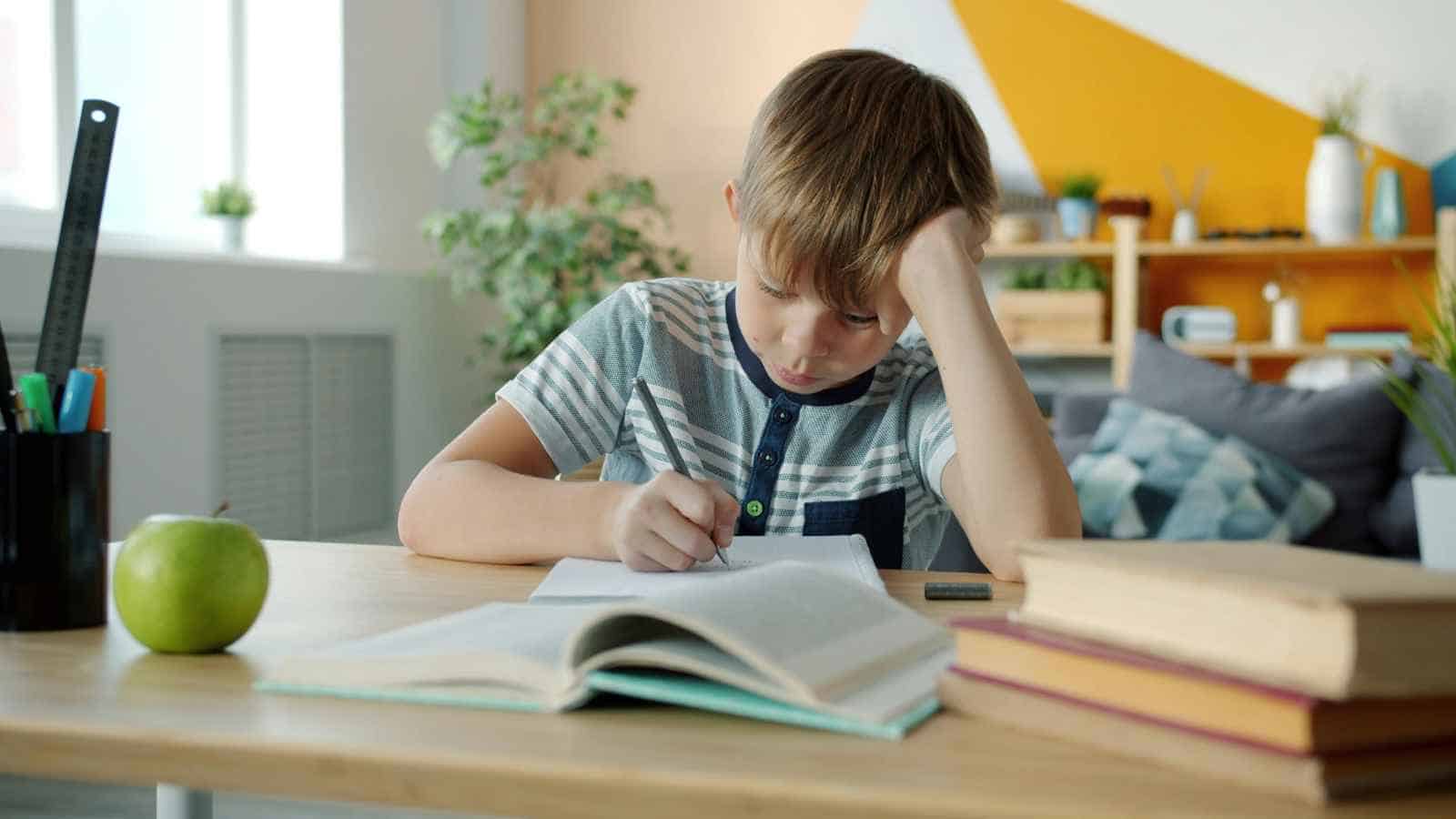
The picture darkens when looking beyond basic comprehension: roughly 64–69% of U.S. fourth graders fail to reach proficient reading levels. While some children can decode words, they struggle with inference, synthesis, and deeper understanding. Literacy advocates call this a “galvanizing reality check” for a nation that relies on reading as a gateway to learning and opportunity.
Teachers notice the divide every day. Students may be “literate” in the mechanical sense but cannot fully understand or learn from texts without guidance. The cumulative effect is a classroom filled with hidden gaps that can quietly grow into lifelong educational hurdles.
Achievement Gaps Are Stark And Growing

Literacy disparities hit marginalized groups hardest. Only about 17% of Black students, 21% of Latino students, 11% of students with disabilities, and 10% of multilingual learners read proficiently by fourth grade. These numbers mirror systemic inequities: many children do not receive strong early reading instruction, high-quality materials, or culturally responsive content.
For children, this translates into classrooms where some peers are barely seeing the door to literacy while others run ahead. Teachers report that addressing these gaps requires more than instruction; it requires equity-minded resources, time, and support to ensure all children have a real chance to thrive.
Adults Are Struggling With Literacy Too

The literacy crisis isn’t confined to children. About 21% of U.S. adults (roughly 43 million people) have low English literacy skills, and broader estimates suggest up to 54% of adults aged 16–74 read below a sixth-grade level. Adults with limited literacy struggle with tasks from filling out applications to understanding medical instructions, and they often cannot support children in developing strong reading habits.
For kids, this compounds the challenge. Literacy is reinforced at home, but when caregivers cannot model or assist in reading, children encounter additional obstacles. The cycle of limited literacy spans generations, underscoring that solving this crisis requires systemic intervention, not just classroom effort.
Kids Are Reading For Pleasure Less Than Ever

Joyful reading is declining sharply. A 20-year study found the share of Americans reading for pleasure on an average day dropped from 28% in 2004 to 16% in 2023. The decline is steepest among those with lower income, less education, and Black Americans. Teachers note that this erosion of voluntary reading stunts vocabulary, stamina, and background knowledge, all essential for classroom comprehension.
When reading stops being fun, it becomes work. Students who do not engage with stories, poetry, or non-fiction outside school miss out on critical exposure to language and ideas. Without that practice, even grade-level texts feel alien, increasing frustration and disengagement.
The “Science Of Reading” Still Isn’t Standard Practice

Evidence is clear: strong reading instruction depends on phonemic awareness, phonics, fluency, vocabulary, and comprehension. Students receiving explicit, systematic teaching in these areas can learn to read well. Yet many schools still rely on outdated methods, and teacher training often does not include the latest literacy science, leaving a disconnect between research and practice.
This gap is critical. Teachers may know what works but lack the resources, training, or curriculum support to implement it consistently. The result is classrooms full of students who could succeed with the right instruction but continue to struggle unnecessarily.
“Whole Language” Habits Are Hard To Break

Flawed reading methods, like “whole language” or “balanced literacy,” still influence classrooms. These approaches often encourage guessing words from context rather than decoding systematically.
Research shows that explicit phonics is essential, especially for struggling readers. Shifting entrenched habits, unlearning outdated methods, and adopting science-backed approaches is one of the hardest, yet most urgent, challenges teachers face.
For students, this means that even when schools have good intentions, outdated practices can hinder reading growth. The weight of years of ineffective instruction slows progress, reinforcing the crisis instead of resolving it.
Early Struggles Predict Lifelong Consequences

Reading struggles in early grades rarely resolve without intervention. Students who cannot read by the third or fourth grade face higher risks of dropping out, unemployment, poverty, and even involvement with the justice system. As the curriculum pivots from “learning to read” to “reading to learn,” students who lag behind often disengage, widening the opportunity gap.
Teachers describe third and fourth grade as a tipping point. Missing that foundation can shadow a student’s educational journey for years. Early intervention is key, yet many children fall through the cracks before support becomes urgent.
Curriculum Wars And Book Bans Sap Engagement

Political battles over school curricula and book bans intensify the problem. When children, especially from marginalized communities, cannot see themselves reflected in the texts they read, engagement drops. Teachers warn that narrowing reading lists to avoid controversy undermines literacy at a moment when diverse and motivating texts are most needed.
This narrowing creates a subtle but powerful barrier. Reading loses relevance, curiosity wanes, and students struggle to connect with stories that should illuminate their world. Engagement is as critical as skill in developing strong readers.
Tech Distractions And AI Are Undermining Focus
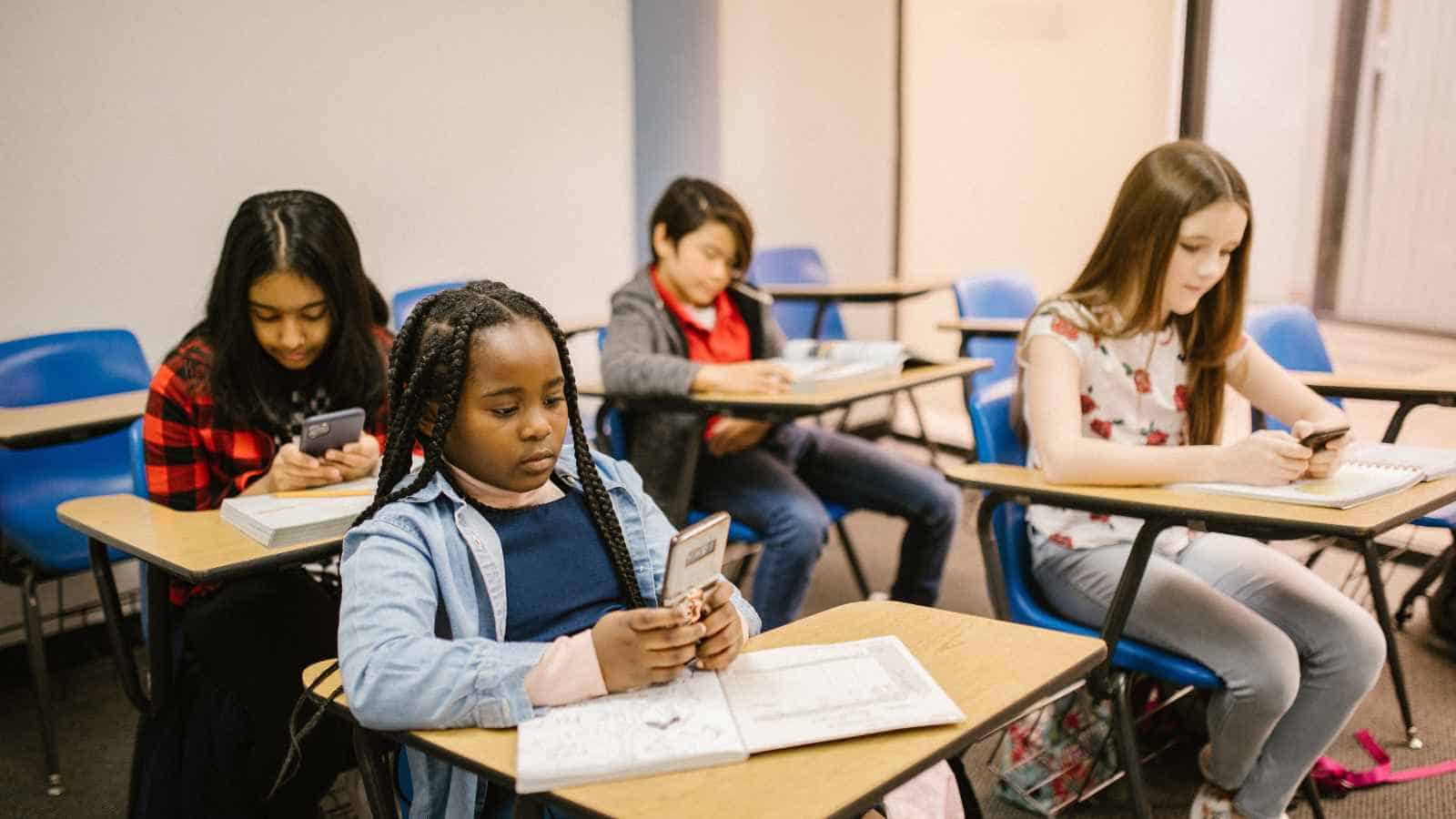
Classrooms now contend with the digital pull of social media, streaming, and AI. Students increasingly question why they need to read when technology can “do it for them,” and teachers spend more time managing attention than fostering deep reading skills. Combined with declining reading-for-pleasure habits, this digital environment undermines the sustained focus needed for literacy development.
The result is not laziness. It’s a reshaped attention landscape. Students may excel in digital environments but struggle with traditional reading tasks, leaving gaps in comprehension and critical thinking that affect learning across subjects.
Teachers Are Alarmed—But Also Say It’s Fixable

Despite the grim statistics, educators insist the crisis is preventable. Effective instruction (early, explicit teaching of decoding, phonemic awareness, and vocabulary) can dramatically improve outcomes. Many states are implementing science-of-reading laws and revamping teacher preparation, providing hope that these trends can be reversed if systemic change follows.
Teachers’ biggest fear is inertia. The data are alarming, but change is possible. With consistent, evidence-based practices, students can regain lost ground, transforming reading from a stumbling block into a bridge for learning, curiosity, and confidence.
Disclaimer – This list is solely the author’s opinion based on research and publicly available information. It is not intended to be professional advice.
Like our content? Be sure to follow us