Scientists finally discover the real physical cause behind paranormal sightings
Have you ever felt a creepy shiver and swore a ghost was watching you?
Believing in the supernatural is actually the norm in America today, with over 75% of us holding at least one paranormal belief according to a 2018 national survey among 1207 US respondents.
According to the Chapman University Survey of American Fears, belief in haunted houses jumped from 46.6% to 57.7% in just two years. A 2019 Ipsos poll also found that 46% of Americans truly believe in ghosts. Yet, surprisingly, only 9.7% of us are actually afraid of them.
Sociologist Christopher Bader points out that believers tend to worry more about real-world issues like crime.
But guess what? Science has finally stepped in to prove that your haunted house is probably just a sneaky physical trick playing on your brain.
Infrasound waves at nineteen hertz
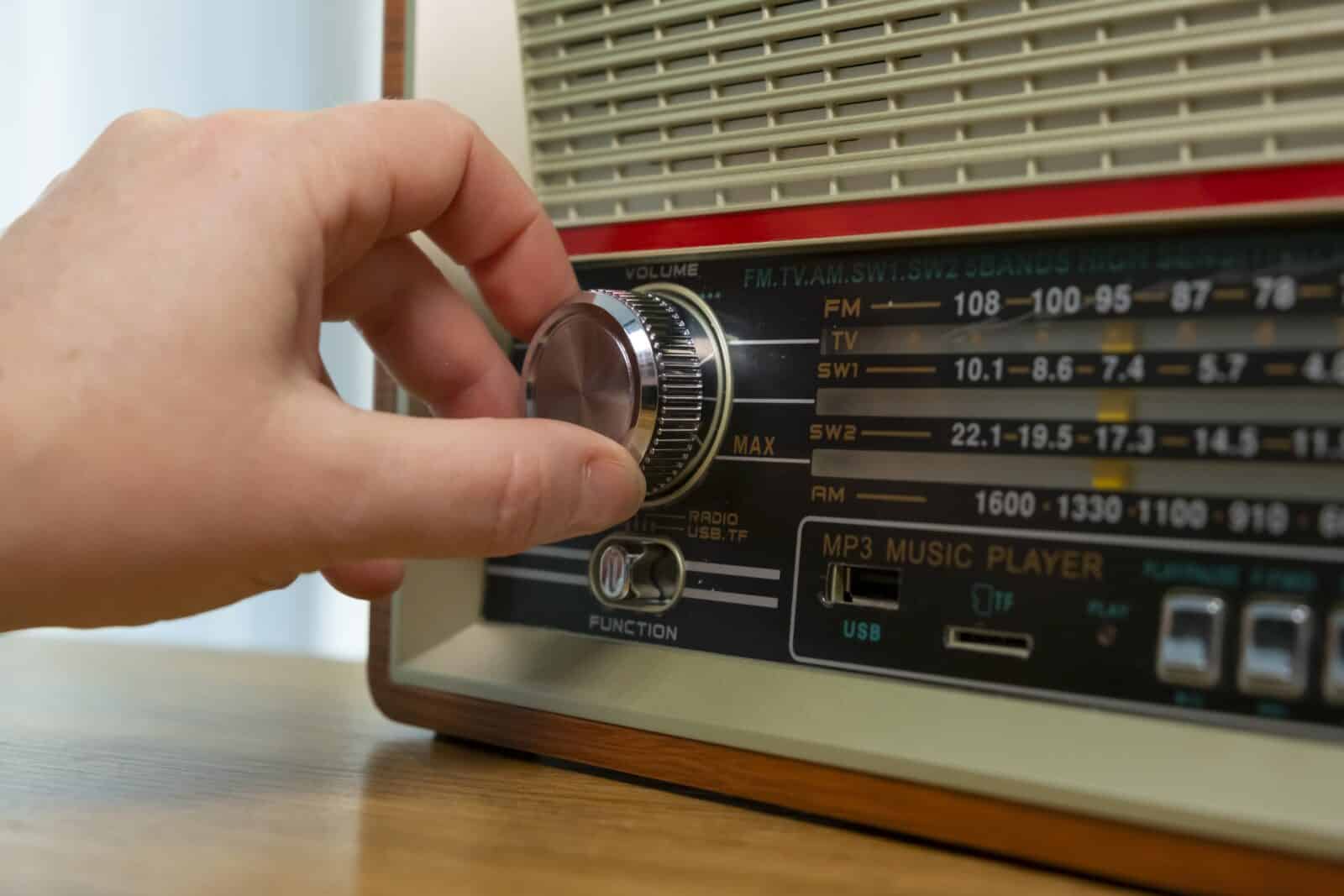
Have you ever felt a sudden wave of pure dread out of nowhere?
Back in the 1980s, engineer Vic Tandy felt exactly that in a “haunted” medical lab. He was sweating, freezing, and saw a creepy grey blob out of the corner of his eye. It turns out that a newly installed extractor fan was humming at a low 18.98 Hz.
This frequency is infrasound, which is totally silent to human ears. However, NASA reports show our eyeballs actually resonate at 18 Hz. The silent hum was vibrating Tandy’s eyes, creating a ghostly optical illusion.
The spooky shadow vanished the second they turned the fan off. It’s proof that building acoustics can trick your body into seeing things.
Carbon monoxide leaks

Before you call a ghost hunter for those weird footsteps, check your furnace.
In 1921, Dr. William Wilmer published a famous “ghost story” in an ophthalmology journal. His patient, Mrs. H, reported footsteps, weird sighs, and dark figures at her bedside. They thought they were losing their minds until a doctor found a broken furnace pumping gas.
This odorless gas starves the brain of oxygen. This lack of oxygen triggers vivid hallucinations. Journalist Carrie Poppy shared a similar TEDx story about experiencing chest pain and terrifying dread. Fixing her home’s gas leak instantly stopped the ghosts, showing that some hauntings are just plumbing issues.
Toxic mold spores

If you get the chills in an old house, it might just be a biological reaction.
Dr. Shane Rogers, an engineering professor at Clarkson University, studies how air quality mimics paranormal experiences. “Hauntings are very widely reported phenomena that are not well-researched,” Rogers explained. His team has been testing the air in famously “haunted” spots like the Frederic Remington Art Museum.
They found that damp, historic buildings are breeding grounds for toxic black mold. Black mold releases neurotoxic mycotoxins that trigger anxiety, brain fog, and hallucinations. Exposure to these airborne biological pollutants explains why people in damp houses feel a sinister presence. This means your ghostly roommate is likely just a mold allergy.
Sleep paralysis glitches

Waking up unable to move while a dark shadow hovers over your bed is a literal nightmare.
Historically, people blamed this on the “Old Hag” or alien abductions. But psychologist Christopher French says it’s just sleep paralysis, a harmless REM sleep glitch. “During REM sleep, your muscles are literally paralyzed so you don’t act out your dreams,” French explains.
French’s research shows that up to 40% of us experience it at least once. If you wake up mid-cycle, dream imagery spills into your real room. Your panicked brain’s threat-detection system instantly creates an intruder to explain why you can’t move.
Natural electromagnetic fields

Our brains are electrical organs, which makes them highly sensitive to magnetic shifts.
Dr. Michael Persinger proved this by inventing the “God Helmet.” The helmet uses weak magnetic fields to stimulate the brain’s temporal lobes. Surprisingly, over 80% of wearers reported sensing a nearby presence or even seeing visions.
These temporal lobe intrusions can occur naturally due to power lines, electronic clocks, or geological shifts. This shows that a sudden ghostly presence is often just your brain reacting to a random electrical spike.
Key takeaway

At the end of the day, ghosts aren’t coming from the afterlife; they’re coming from inside your head.
Whether it’s silent 19 Hz sound waves vibrating your eyeballs, a toxic gas leak, or a simple sleep glitch, our bodies are incredibly sensitive to environmental triggers. So the next time you hear a bump in the night, don’t buy a sage bundle. Grab a carbon monoxide detector and check your vents instead, because your ghost is probably just a home repair project waiting to happen.
Disclaimer – This list is solely the author’s opinion based on research and publicly available information. It is not intended to be professional advice.
Like our content? Be sure to follow us